

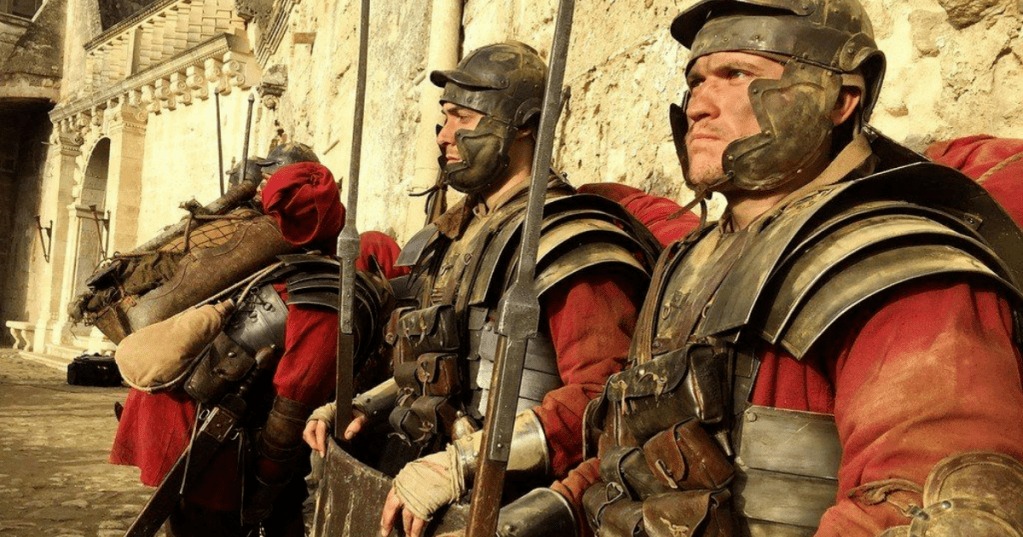
When ancient wars are remembered, they are usually told from far above the ground. Kings, generals, strategies, and borders dominate the story. Maps shift, empires rise, and battles are named and dated. But almost none of that reflects what war actually felt like for the people who carried it out.
For the average soldier in ancient times, history wasn’t a grand narrative. It was a pair of worn sandals rubbing raw skin during endless marches. It was the smell of smoke clinging to clothes, the weight of a shield pressing into an aching arm, and the quiet tension of waiting for an order that might never come. Combat was only one moment in a long sequence of exhaustion, routine, fear, and discipline that defined military life.
These soldiers came from fields, workshops, villages, and city streets. Many had never traveled far from home before being pulled into campaigns that lasted months or years. They learned quickly that survival depended less on heroism and more on obedience, endurance, and the man standing beside them. Glory was rare. Injury, hunger, and uncertainty were not.
Looking at the life of ancient soldiers means shifting focus away from triumphs and toward daily reality. It means asking how armies functioned when supplies failed, how fear was managed without modern medicine or psychology, and how ordinary people endured extraordinary pressure. Behind every famous battle were thousands of lives shaped by routines that rarely make it into textbooks, yet mattered far more to those who lived them.
This is not a story of legendary warriors or perfect victories. It is a closer look at what it meant to live as a soldier in a world where war was constant, survival was uncertain, and history was made one exhausting day at a time.
Recruitment and Who Became a Soldier
In many ancient societies, soldiers were not volunteers chasing glory. They were farmers, craftsmen, or laborers called up when rulers demanded manpower. Conscription was common, especially during large campaigns. In places like Mesopotamia, Egypt, and later Rome, military service could be an obligation tied to land ownership or citizenship.
Some cultures relied on professional soldiers, but even then, enlistment was rarely romantic. Poverty pushed many men into armies where food, shelter, and pay—however small—were guaranteed. In Sparta, military life began in childhood, turning warfare into a lifelong duty rather than a temporary role.
Mercenaries also filled ranks across the ancient world. These men fought not for loyalty or patriotism, but for survival. Their presence reminds us that ancient warfare was as much an economic system as it was a political one.

Training and Discipline
Training varied widely, but it was almost always harsh. Ancient armies depended on discipline more than individual brilliance. Soldiers learned to move as a unit, obey commands instantly, and endure discomfort without complaint.
Roman soldiers drilled constantly, practicing formations, weapon handling, and forced marches. Greek hoplites trained to maintain tight shield walls, knowing that one man breaking formation could doom everyone. In China, large standing armies emphasized discipline and hierarchy, punishing disobedience severely.
Physical conditioning was relentless. Soldiers ran, carried heavy loads, and trained with weapons heavier than those used in battle. This made actual combat feel marginally easier, though never safe. Discipline wasn’t just about control; it was about survival.

Daily Life in Camp
Most of a soldier’s life was spent not fighting, but waiting. Camps became temporary homes where routines kept chaos at bay. Soldiers repaired equipment, cooked meals, cleaned weapons, and stood guard for hours at a time.
Food was basic and often monotonous. Grains, dried meat, bread, and whatever could be foraged locally made up most meals. Fresh food was a luxury. Hunger was common, especially during long campaigns or sieges.
Living conditions were rough. Tents offered minimal protection from weather. Disease spread easily in crowded camps with poor sanitation. Soldiers learned quickly that sickness could be as deadly as enemy weapons.
Despite this, camps also formed strong social bonds. Shared hardship created loyalty among soldiers who depended on one another for survival.

Weapons, Armor, and Equipment
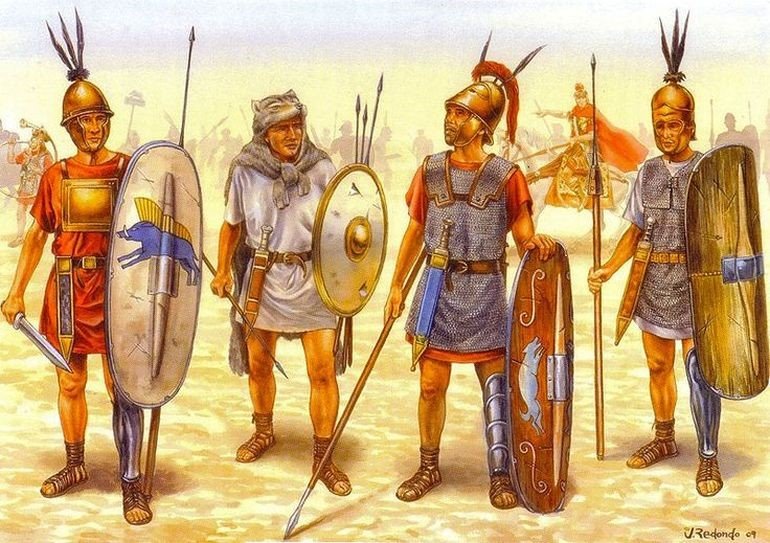
Ancient soldiers carried everything they needed. Weapons were simple but deadly: spears, swords, bows, slings, and axes. Each culture favored tools suited to its terrain and tactics.
Armor ranged from simple leather and cloth to bronze and iron. Many soldiers couldn’t afford full protection and fought with minimal gear. Shields were often the most important piece of equipment, providing both defense and psychological comfort.
Maintenance was constant. Rust, wear, and damage could mean death in battle. Soldiers spent hours sharpening blades, repairing straps, and improvising fixes with whatever materials were available.
Equipment was personal. Losing it wasn’t just inconvenient; it could be fatal.

Marching and Movement
Marching was one of the hardest parts of military life. Armies moved slowly, burdened by supplies, animals, and equipment. Soldiers marched long distances under harsh conditions, often without adequate food or water.
Blisters, exhaustion, and injuries were common. Falling behind wasn’t an option. Stragglers risked punishment, abandonment, or capture. Roads were poor or nonexistent, turning travel into a test of endurance.
Yet marching also trained soldiers mentally. It taught patience, resilience, and obedience. Armies that could march farther and faster often won wars without fighting, simply by outlasting opponents.

Combat and the Reality of Battle
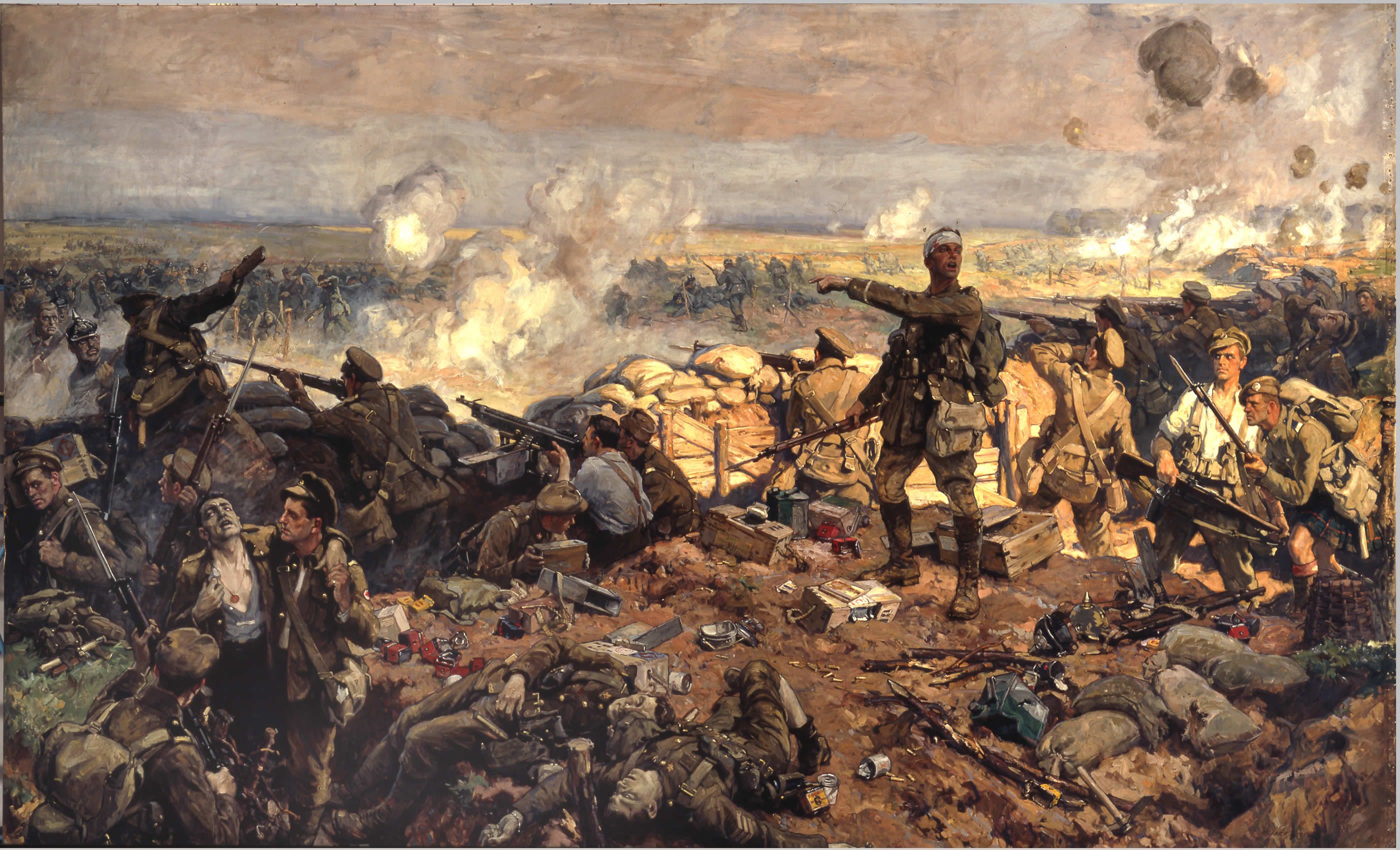
When battle finally came, it was chaotic and terrifying. Ancient combat was loud, close, and brutal. There were no clean lines or heroic duels, just confusion, fear, and instinct.
Soldiers fought inches from one another, feeling impacts through shields and armor. Injuries were gruesome, and medical care was limited. Many wounds that are survivable today were fatal then.
Psychological stress was immense. Fear of death, watching comrades fall, and the pressure to hold formation pushed soldiers to their limits. Courage often came not from bravery, but from fear of shame or punishment.
Victory rarely felt glorious. Survivors were exhausted, wounded, and shaken, knowing the next battle could come at any time.

Pay, Rewards, and Survival After War
Payment varied. Some soldiers received regular wages, others were paid through loot, land, or promises of future rewards. Looting was often unofficially tolerated, sometimes encouraged, as a way to motivate troops.
Veterans were not always honored. Some returned home with land or status, but many came back injured, traumatized, or unable to resume normal life. Ancient societies had little understanding of long-term psychological damage.
For many, soldiering was a cycle. One campaign ended, another began. Peace didn’t always mean rest; it often meant preparation for the next war.

Belief, Fear, and Meaning
Religion and superstition played a major role in a soldier’s life. Omens, rituals, and sacrifices were used to seek protection or explain misfortune. Belief offered comfort in a world where death felt constantly near.
Soldiers carried charms, prayed to gods, and followed rituals before battle. These practices helped manage fear and gave meaning to suffering. In some cultures, dying in battle was seen as honorable, a belief that helped soldiers face their fate.
Faith didn’t eliminate fear, but it made it bearable.

Life Between War and Memory
Most ancient soldiers left no written records. Their names are lost, their experiences reduced to fragments found in graves, weapons, and scattered texts written by elites. Yet their lives formed the backbone of empires and kingdoms.
They weren’t heroes in the modern sense, nor were they mindless tools. They were ordinary people navigating extraordinary pressure, balancing survival, duty, and fear in a world where violence was a constant presence.
Understanding their lives doesn’t romanticize war. It strips it down to human endurance, showing what it truly cost long before history books turned battles into legends.