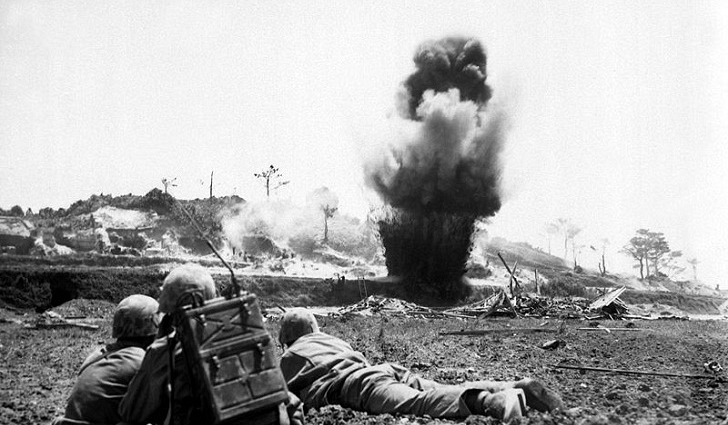


The Germans understood long before sunrise that the bombers were on their way. Even as the U.S. 457th Bomber Group gathered over the brightening sky above London, German crews were already at their flak guns and fighter strips, ready for the inevitable clash. That March operation brought together more than 1,220 Allied bombers, escorted by waves of swift P-51 Mustang fighters, all pushing toward Berlin while braving a storm of anti-aircraft fire. Cutting through this chaos were the radical Messerschmitt Me-262 jet fighters, faster than anything else in the sky and armed with air-to-air rockets being used operationally for the very first time.
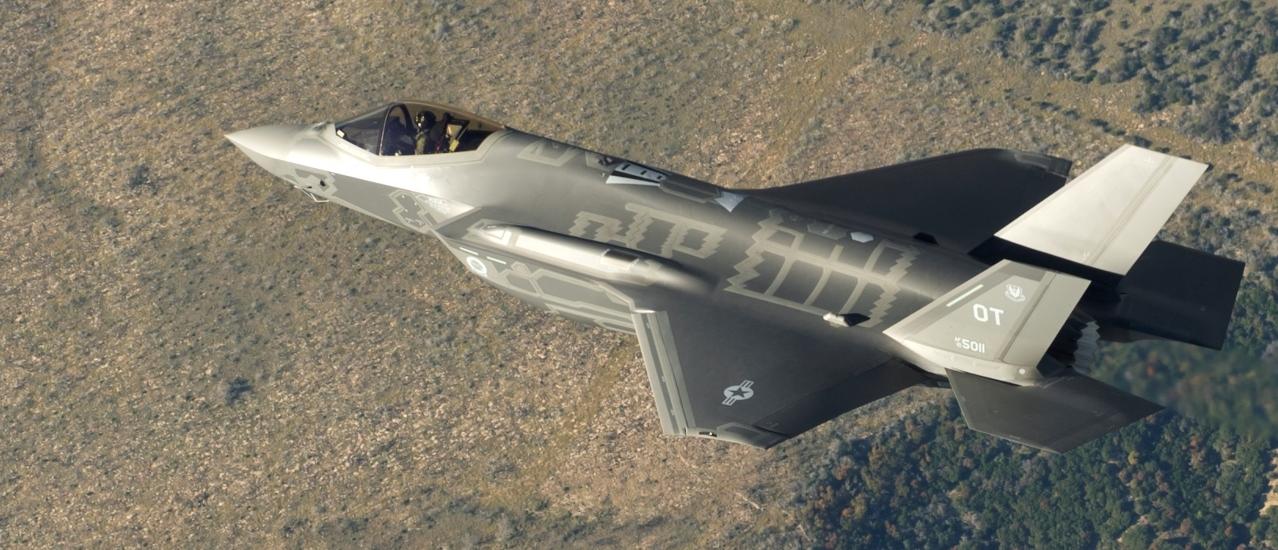
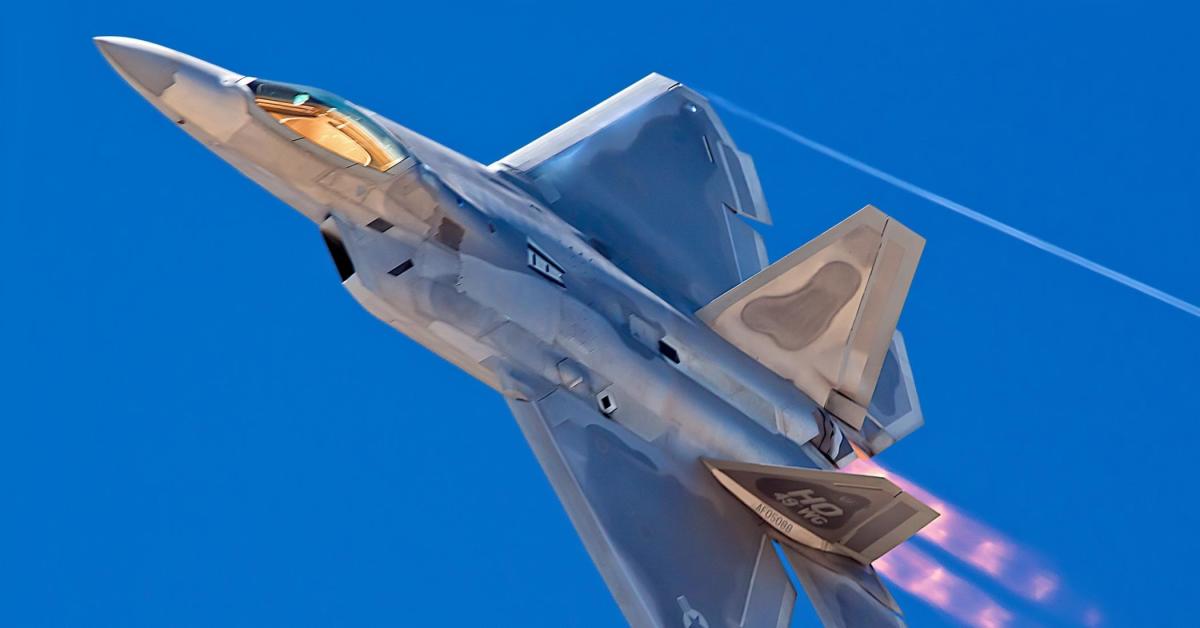
The F-35 Lightning II represents a generational leap in aerial warfare capability. Built as a true fifth-generation fighter, it merges advanced stealth shaping with high-speed maneuverability, deeply fused sensors, real-time data networking, and unprecedented situational awareness. Instead of relying on separate aircraft for attack, reconnaissance, electronic warfare, or defensive counter-air, a single F-35 can absorb multiple roles at once and coordinate operations across domains with remarkable precision.

Three purpose-built variants allow the aircraft to serve the operational needs of the U.S. Air Force, U.S. Navy, U.S. Marine Corps, and more than a dozen allied nations. In the coming years, the F-35 family will replace earlier platforms such as the A-10, F-16, F/A-18, Harrier, and other aging fighters that no longer meet the demands of modern integrated warfare.

Speed has always been the ultimate currency in aviation. Commercial airlines chase it to move passengers efficiently, squeeze more flights into a day, and keep their profits alive—especially the budget carriers that depend on fast turnarounds. But in the world of military aviation, speed isn’t just a convenience or a business advantage; it’s often the thin line between survival and disaster. A fighter jet that can’t outrun a threat, close in on an enemy aircraft, or break away when things go wrong places both pilot and mission in serious danger.

An air force remains one of the defining pillars of military strength, and nations that seek to protect their borders or project power beyond them rely heavily on the capabilities of their fighter aircraft. Air superiority not only shields ground forces and strategic locations from enemy attacks, but also ensures that bombers, reconnaissance planes, and support aircraft can operate without constant threat. Because of this, technologically advanced fighter jets have become essential assets for any state wishing to maintain a strong defense posture in an increasingly competitive world.

Share on Social Networks

Editor's Pick