

The story of the United States cannot be told without understanding the wars that shaped its borders, its identity, and its role in the world. From the earliest revolutionary battles that transformed a collection of colonies into an independent nation, to the complex overseas conflicts of the modern era, Americans have repeatedly been drawn into struggles that tested their unity, resilience, and ideals. Some of these wars erupted from disputes over territory or political control, while others grew out of global rivalries, ideological clashes, or the defense of allies. Each brought its own set of consequences—profound loss of life, sweeping economic changes, and long-term shifts in national policy.
Yet wars did more than challenge the nation; they also played a significant role in defining the society that emerged afterward. They influenced constitutional debates, shaped diplomatic positions, accelerated technological innovation, and altered the relationship between citizens and their government. For many Americans, these conflicts also became powerful symbols of sacrifice and collective purpose, remembered through generations.
This article traces the major wars involving the United States since its founding, offering a clear overview of how each conflict began and how it affected the evolving character of the nation. From independence to international leadership, the path of American history is deeply intertwined with these defining moments of conflict.
LIST OF MAJOR AMERICAN WARS
The Revolutionary War (1775–1783)
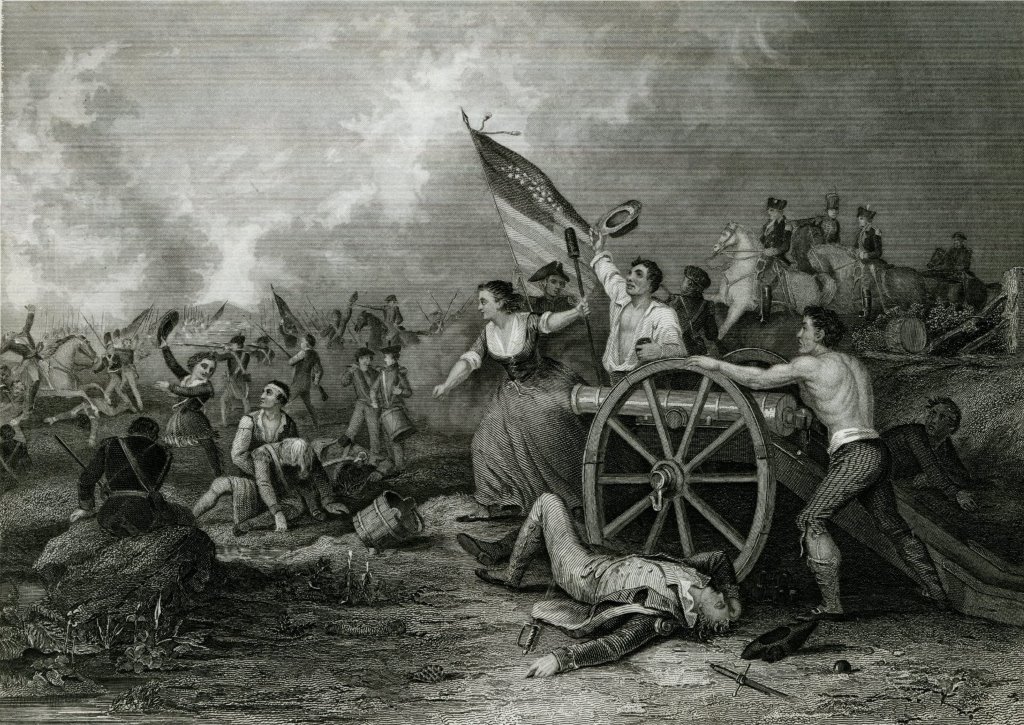
The Revolutionary War grew from years of worsening tension between the American colonies and the British Parliament. A variety of restrictive economic and political acts fueled resentment: the Navigation Acts limited trade, the Quartering Act demanded that colonists house British soldiers, and the Stamp Act attempted to raise revenue by taxing printed materials. Additional taxation through the Townshend Acts deepened the divide, convincing many colonists that their rights were being deliberately violated.
Matters escalated when the British Parliament allowed the East India Company to sell tea at drastically reduced prices. What seemed at first to be an economic measure quickly became a political flashpoint. Colonists responded with the Boston Tea Party, defiantly dumping tea into the harbor. The British answered with severe punitive laws—the Intolerable Acts—along with the Quebec Act, which reshaped territorial administration in unsettling ways. These measures pushed delegates from across the colonies to convene the First Continental Congress in 1774.
When open fighting finally erupted in 1775, the colonies were no longer simply resisting taxation but fighting for a new identity. The Second Continental Congress met the following year, and by 1776 the colonies formally declared independence. Battles unfolded near Boston, New York, Trenton, and numerous other strategic locations. After years of struggle, the war concluded with the Treaty of Paris in 1783, where Great Britain officially recognized the independence of the thirteen colonies.
Revolutionary War Statistics:
Population: 3,500,000
Service Members: 200,000
Ratio: 5.7%
Casualties: 4,435 Dead, 6,188 Wounded
Financial Cost (1990s values): $1.2 billion
The War of 1812 (1812–1815)
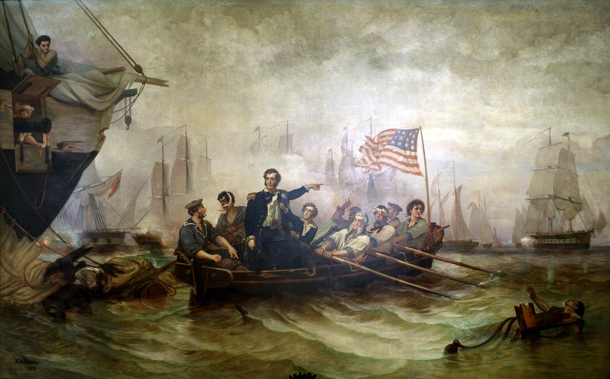
In 1812, the United States declared war on Great Britain, driven by disputes over maritime rights, British support of Native American resistance, and the desire of some American leaders to expand into Canada. Early U.S. campaigns against Canadian territory in 1812 and 1813 failed, revealing challenges in coordination and military readiness. Meanwhile, Britain used its formidable navy to establish a blockade along the American coast, sharply restricting trade and movement.
After multiple battles on both land and sea, the conflict reached its diplomatic end with the Treaty of Ghent in 1814. Although the agreement restored prewar borders and produced no territorial gains for either side, it symbolized a growing American identity and resilience. Interestingly, weeks after the treaty was signed—but before the news reached North America—Major General Andrew Jackson led U.S. forces to a decisive victory at the Battle of New Orleans, a triumph that shaped his future political rise.
War of 1812 Statistics:
Population: 7,600,000
Service Members: 286,000
Ratio: 3.8%
Casualties: 2,260 Dead, 4,505 Wounded
Financial Cost (1990s values): $0.7 billion
The Mexican–American War (1846–1848)
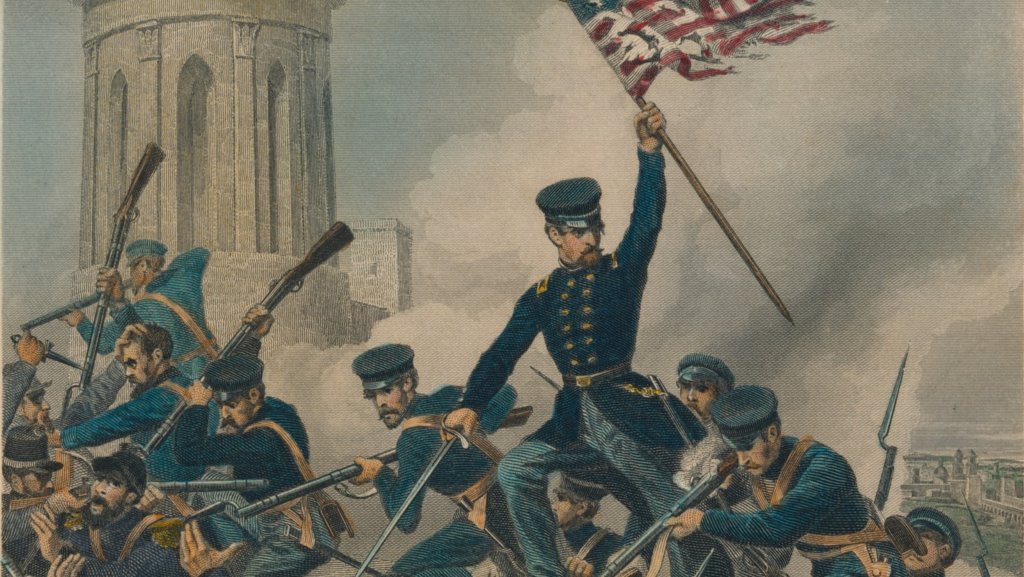
Mexico’s refusal to acknowledge the U.S. annexation of Texas laid the groundwork for this conflict. Tensions rose as both nations claimed the land between the Nueces River and the Rio Grande. In 1846, fighting erupted when Mexican forces engaged U.S. troops in this disputed region. Congress declared war, launching a military campaign that would dramatically reshape the continent.
U.S. forces advanced through northern Mexico and eventually captured Mexico City. The conflict concluded with the Treaty of Guadalupe Hidalgo in 1848. In the agreement, Mexico ceded vast territories—California, Nevada, Utah, and significant portions of Arizona, Colorado, New Mexico, and Wyoming. This acquisition nearly completed America’s continental expansion and intensified debates over slavery in the newly gained lands.
Mexican-American War Statistics:
Population: 21,100,000
Service Members: 78,718
Ratio: 0.4%
Casualties: 13,283 Dead, 4,152 Wounded
Financial Cost (1990s values): $1.1 billion
The American Civil War (1861–1865)
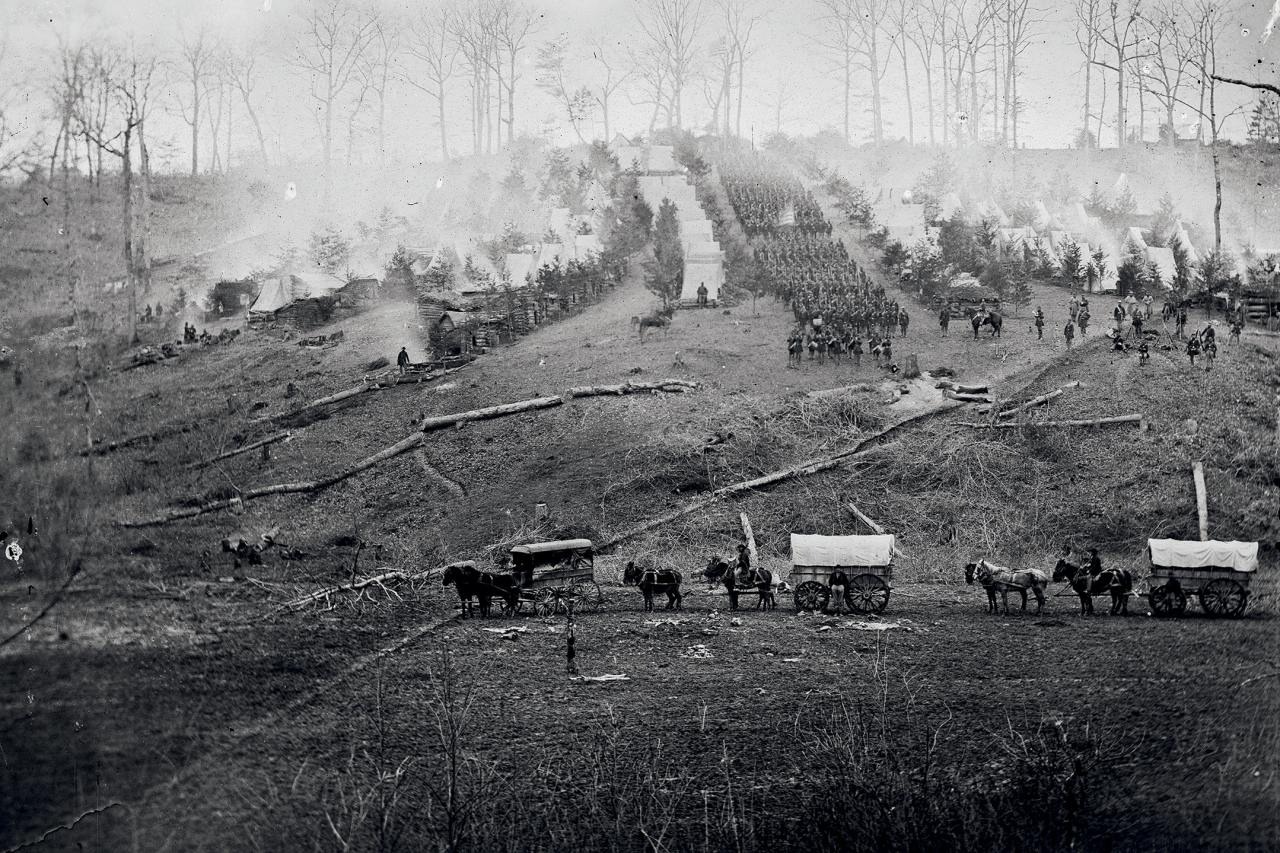
The Civil War was the deadliest conflict in American history, fought between the Union states and the Confederate states formed by eleven southern states that seceded. The central tension revolved around the expansion of slavery and the political power struggles that accompanied it. When Abraham Lincoln—who opposed extending slavery into new territories—won the presidency, southern states feared the end of their economic and political system and announced their withdrawal from the Union.
The war raged across countless battlefields, from Antietam and Gettysburg to Vicksburg and beyond. By 1865, Confederate forces surrendered, the Union was restored, and the institution of slavery was legally abolished. The war reshaped the nation’s laws, identity, and moral direction at an enormous human cost.
Civil War Statistics:
The Union
Population: 26,200,000
Service Members: 2,803,300
Ratio: 10.7%
Casualties: 360,000 Dead, 275,175 Wounded
Financial Cost (1990s values): $27.3 billion
The Confederacy
Population: 8,100,000
Service Members: 1,064,200
Ratio: 13.1%
Casualties: 260,000 Dead, 137,000+ Wounded
Financial Cost (1990s values): $17.1 billion
Combined
Population: 34,300,000
Service Members: 3,867,500
Ratio: 11.1%
Casualties: 620,000 Dead, 412,175+ Wounded
Financial Cost (1990s values): $44.4 billion
Spanish–American War (1898)
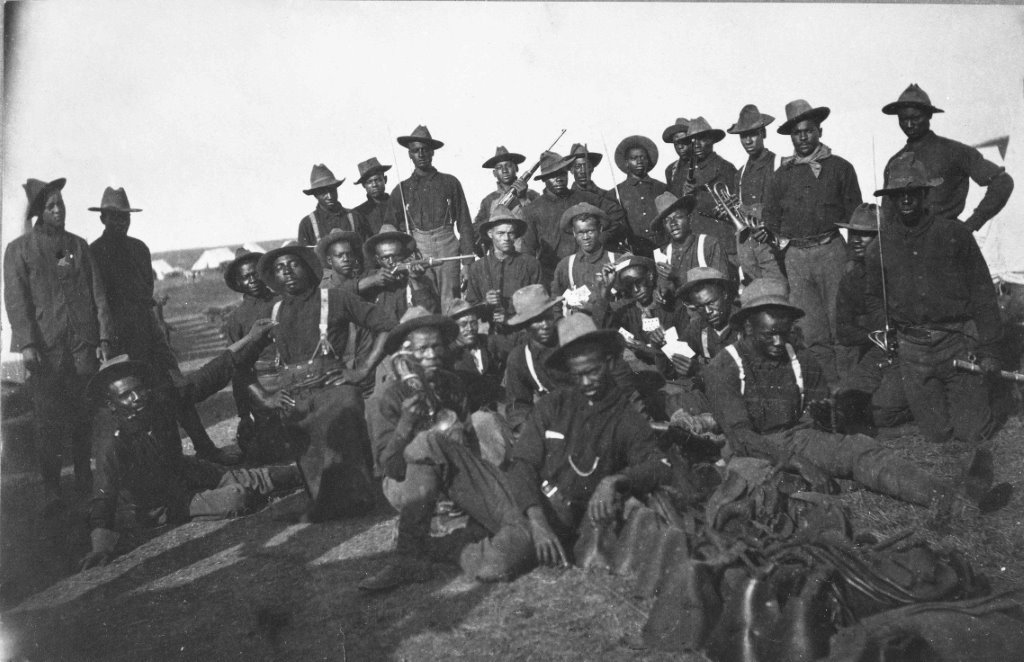
The Spanish–American War emerged from escalating tensions between the United States and Spain surrounding Cuba’s struggle for independence. Many Americans sympathized with the Cuban cause, and after the tragic explosion of the USS Maine in Havana Harbor, public sentiment pushed strongly toward intervention. Spain declared war on the U.S. in April 1898, and the brief conflict unfolded across the Caribbean and the Pacific.
The U.S. emerged victorious, and the Treaty of Paris in August 1898 granted the United States control over the Philippines, Puerto Rico, and Guam. This marked the beginning of a new era of American overseas influence.
Spanish–American War Statistics:
Population: 74,600,000
Service Members: 306,800
Ratio: 0.4%
Casualties: 387 Dead, 1,662 Wounded
Financial Cost (1990s values): $6.3 billion
World War I (1914–1918)

The First World War engulfed Europe in 1914 and eventually drew in nations across the world. The Allied Powers—including Russia, Britain, France, Japan, Italy, and later the United States—faced the Central Powers composed of Germany, Austria-Hungary, the Ottoman Empire, and Bulgaria. The U.S. joined the conflict in 1917, shifting the balance with fresh troops and industrial strength.
By 1918, the war ended with Allied victory, dismantling old empires and redrawing borders throughout Europe and the Middle East. The conflict left behind enormous casualties and set the stage for global changes that would shape the 20th century.
World War I Statistics:
Population: 102,800,000
Service Members: 4,743,800
Ratio: 4.6%
Casualties: 116,708 Dead, 204,002 Wounded
Financial Cost (1990s values): $196.5 billion
World War II (1939–1945)
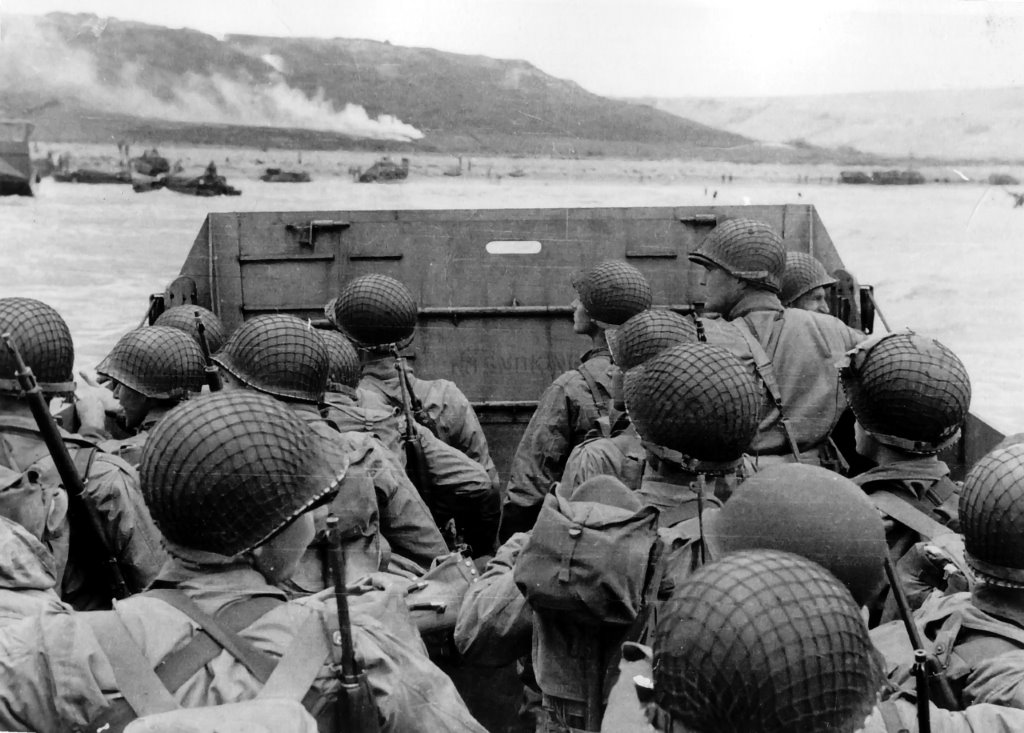
World War II erupted with Germany’s invasion of Poland in 1939. The Axis Powers—Germany, Italy, and Japan—pursued aggressive expansion across Europe, Africa, and Asia. The Allies, led by Britain, the USSR, and the United States, coordinated massive military efforts across continents. The U.S. formally entered the war after the attack on Pearl Harbor in 1941.
By 1945, Germany and Japan surrendered, ending the most destructive war in human history. The conflict accelerated technological innovation, reshaped political alliances, and produced new global institutions. It also ushered in the long geopolitical standoff known as the Cold War.
World War II Statistics:
Population: 135,500,000
Service Members: 16,353,700
Ratio: 12.2%
Casualties: 407,316 Dead, 670,846 Wounded
Financial Cost (1990s values): $2,091.3 billion
Korean War (1950–1953)
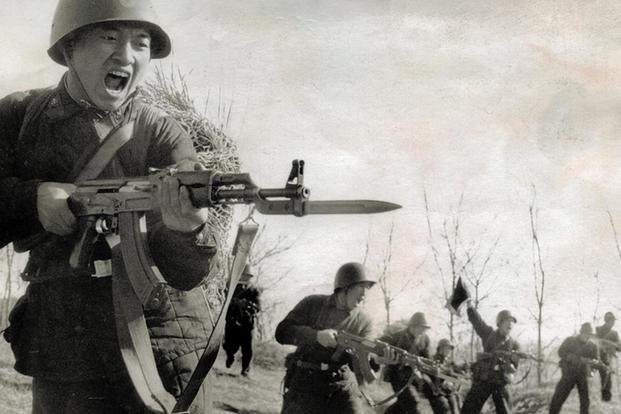
The Korean War began in 1950 when North Korean forces crossed the 38th parallel and invaded South Korea in a rapid, sweeping offensive. This surprise attack pulled the international community into action. Nations aligned with the United States, operating under a United Nations mandate, deployed troops and resources to support the South. Meanwhile, the Soviet Union and the People’s Republic of China backed North Korea, turning the conflict into a tense, global power struggle layered on top of regional division.
Early stages of the war saw dramatic movement: North Korean forces nearly captured the entire peninsula before UN-backed troops launched a counterattack at Incheon. Momentum shifted again when massive Chinese forces entered the conflict, pushing UN troops back toward the south. The fighting eventually settled into a brutal stalemate marked by trench warfare, harsh winters, and staggering casualties on all sides.
In 1953, an armistice established the Korean Demilitarized Zone, a heavily fortified boundary that remains one of the most tense military borders in the world. Although the shooting stopped, no formal peace treaty was signed, meaning the war technically never ended—a reminder of how unresolved the conflict remains today.
Korean War Statistics:
Population: 151,700,000
Service Members: 5,764,100
Ratio: 3.8%
Casualties: 33,651 Dead, 103,284 Wounded
Financial Cost (1990s values): $263.9 billion
Vietnam War (1959–1975)
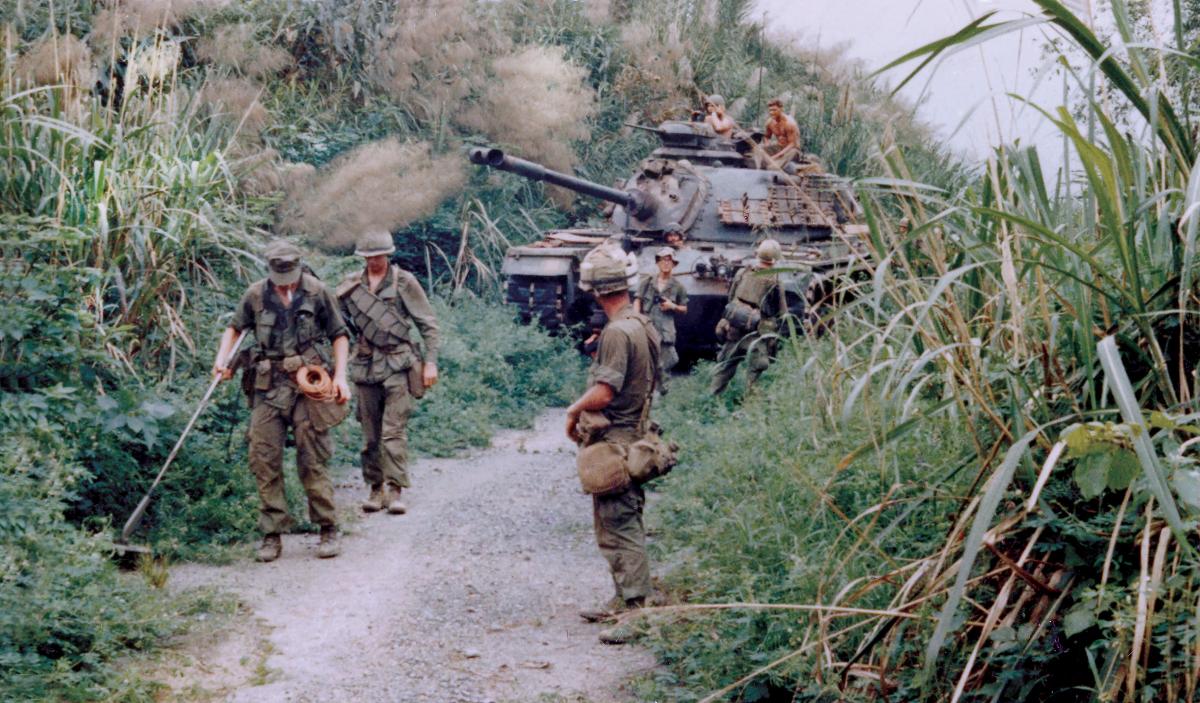
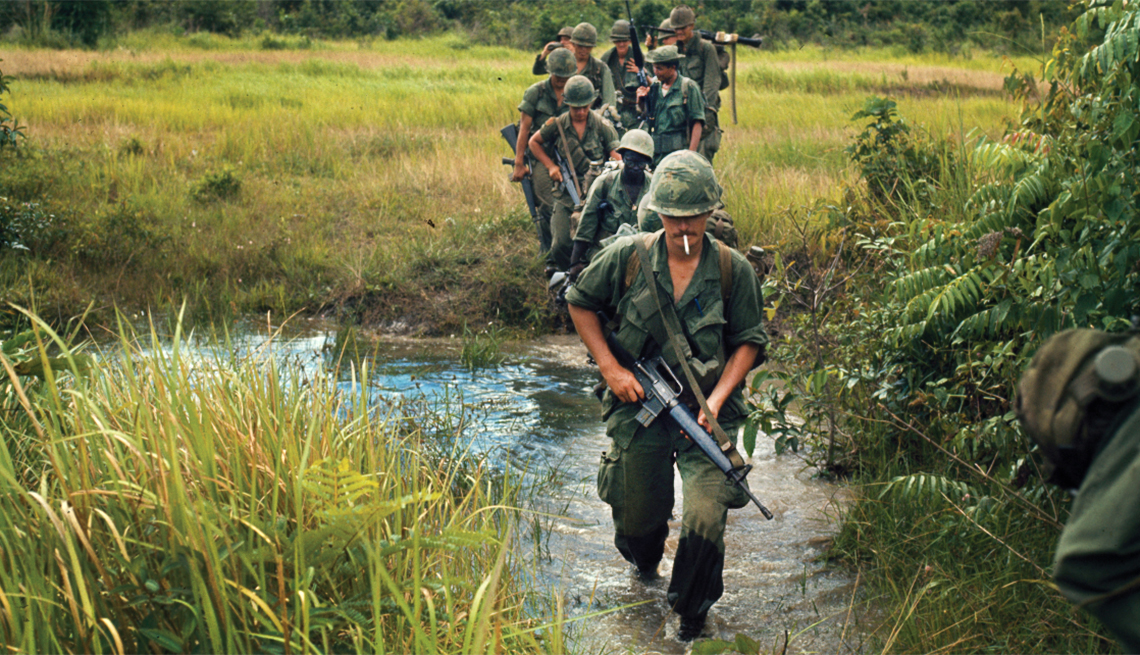
The Vietnam War was one of the most divisive and complex conflicts in modern U.S. history. It involved a vast web of alliances and ideological battles between communist and anti-communist forces. North Vietnam, supported by the Viet Cong, the Khmer Rouge, China, the USSR, North Korea, and other communist movements, sought to unify Vietnam under a single socialist government. The United States, alongside South Vietnam and allies such as South Korea, Australia, Thailand, the Philippines, New Zealand, the Kingdom of Laos, and the Khmer Republic, intervened to prevent the spread of communism in Southeast Asia.
The conflict unfolded across thick jungles, rural farmlands, and bustling cities, shaped by guerrilla warfare, air campaigns, and shifting political strategies. American troops faced difficult terrain, elusive enemies, and the psychological strain of a war with no clear front lines. Meanwhile, the conflict stirred intense debate within the United States, with growing public opposition influencing political decisions.
By 1975, after years of fighting and heavy casualties, North Vietnam achieved victory. Saigon fell, leading to the unification of Vietnam under communist rule. The effects of the war rippled through neighboring countries as Laos and Cambodia also came under communist governments. For many Americans, the conflict left unresolved questions about policy, sacrifice, and the long-term cost of foreign intervention.
Vietnam War Statistics:
Population: 204,900,000
Service Members: 8,744,000
Ratio: 4.3%
Casualties: 58,168 Dead, 303,635 Wounded
Financial Cost (1990s values): $346.7 billion
Gulf War (1990–1991)
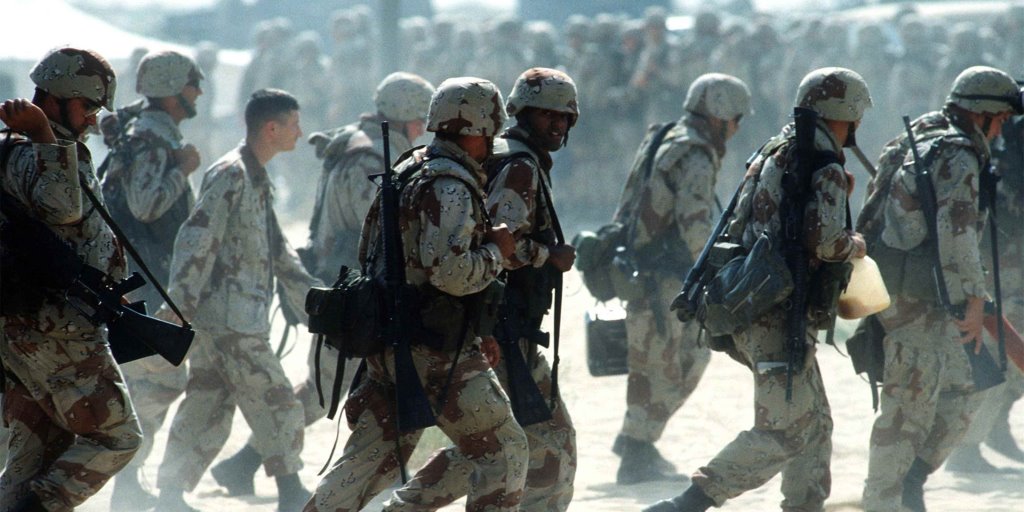
The Gulf War was triggered by Iraq’s sudden invasion of Kuwait in August 1990. The attack shocked the world and threatened the stability of global oil supplies. The United Nations authorized a coalition of 34 nations, led by the United States, to remove Iraqi forces from Kuwait and restore the nation’s sovereignty. This coalition brought together countries from multiple continents in a coordinated military response.
After months of diplomatic pressure, economic sanctions, and troop buildup, Operation Desert Storm began in January 1991 with a massive air campaign against Iraqi targets. Ground operations followed, quickly overwhelming Iraqi forces. The war’s end came swiftly: coalition troops liberated Kuwait, and Iraqi forces retreated after suffering heavy losses.
Although the conflict was brief, it left a lasting imprint on international relations and modern military strategy. The Gulf War showcased new technologies, precision-guided weapons, and rapid coalition coordination, shaping how future conflicts would be approached.
Gulf War Statistics:
Population: 260,000,000
Service Members: 2,750,000
Ratio: 1.1%
Casualties: 382 Dead, 467 Wounded
Financial Cost (1990s values): $61.1 billion
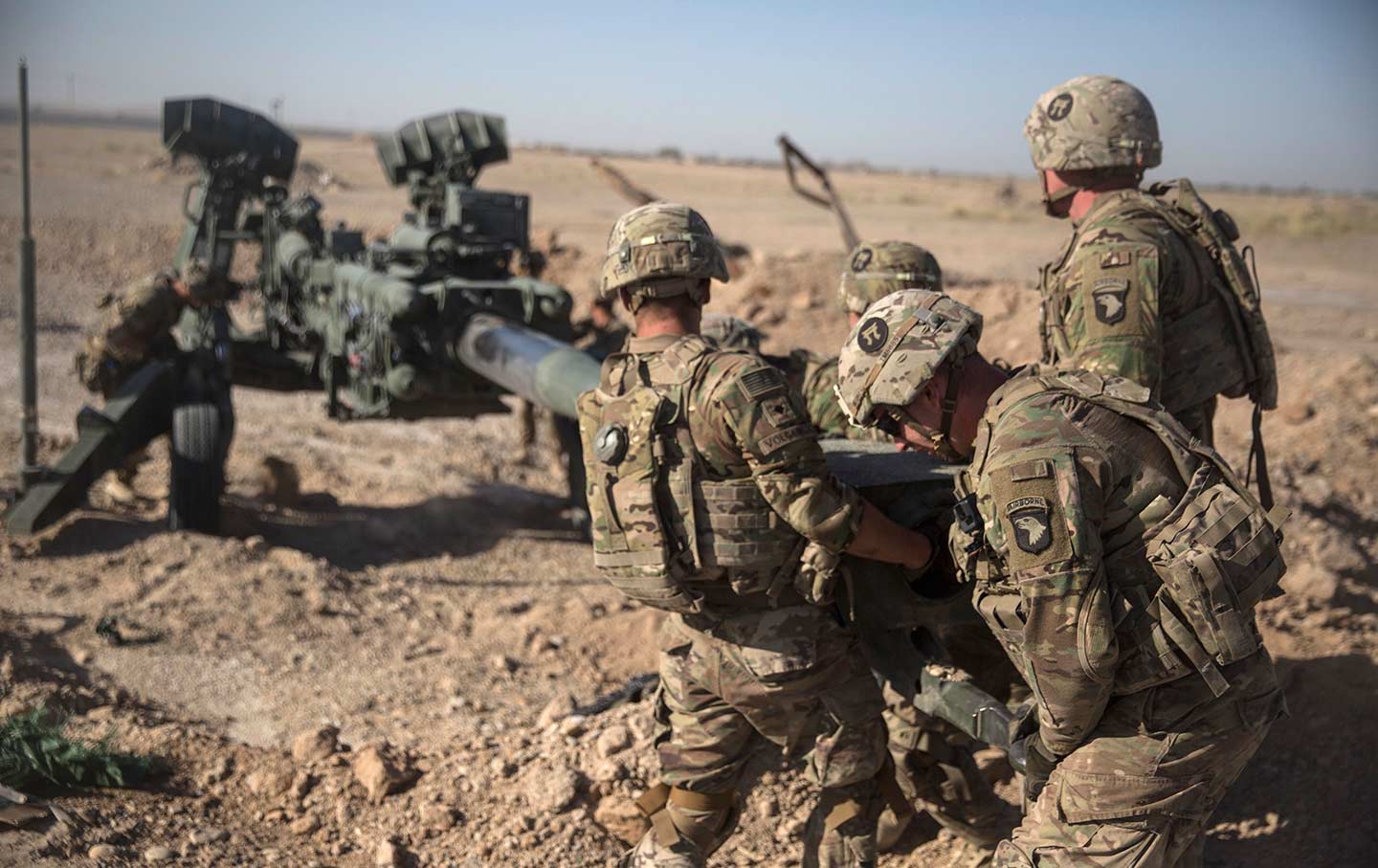
War in Afghanistan (2001–2021)
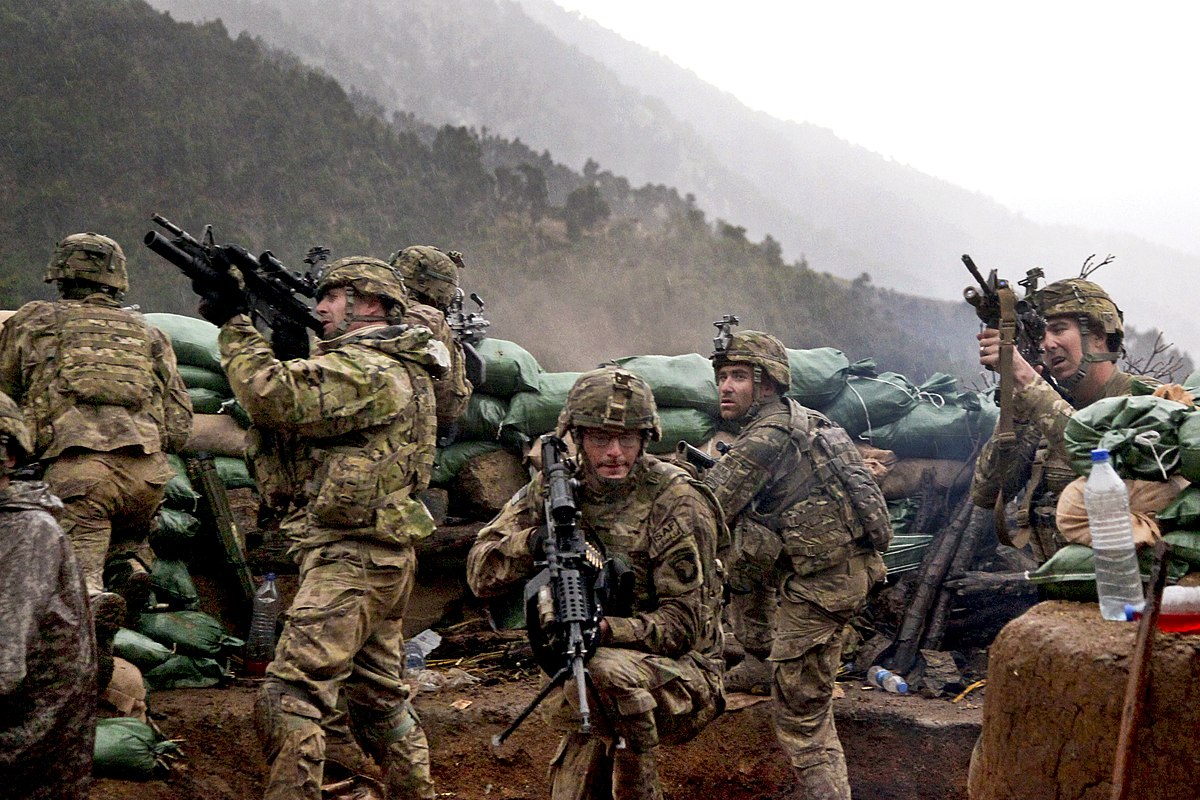
The War in Afghanistan began on October 7, 2001, as the United States launched Operation Enduring Freedom in direct response to the attacks of September 11. The early goal was straightforward: dismantle al-Qaeda, remove the Taliban from power, and prevent Afghanistan from being used as a base for future terrorist operations. The initial phase moved quickly. Taliban control collapsed, al-Qaeda networks were disrupted, and a new Afghan government was formed with broad international support.
But while the first months appeared decisive, the long-term reality grew far more complicated. Insurgent groups regrouped, regional power dynamics shifted, and efforts to stabilize the country revealed deep political, cultural, and logistical challenges. What began as a targeted counterterrorism mission evolved into a prolonged conflict involving nation-building, counterinsurgency operations, and international cooperation through NATO’s mission in Afghanistan.
Over the years, troop levels rose and fell, peace talks stalled and restarted, and control of territory shifted repeatedly. Despite tactical victories, the broader objective of creating a stable Afghan state proved difficult. In 2020, the United States and the Taliban signed an agreement outlining a full withdrawal. By August 2021, U.S. forces completed their departure from Afghanistan, marking the official end of America’s longest war. The Afghan government collapsed shortly before the withdrawal was complete, and the Taliban returned to power, closing a turbulent chapter that spanned two decades.
Afghanistan War Statistics (final documented figures):
U.S. Troops Serving at End: Approximately 2,500
U.S. Casualties: 2,461 Dead, over 20,000 Wounded
Financial Cost: Estimated over $2 trillion (combined long-term military, reconstruction, and veterans’ care)

As the long record of American conflicts shows, each war—whether fought on home soil or thousands of miles away—left a deep imprint on the nation’s identity, politics, and global role. From the struggle for independence to the complex overseas engagements of the modern era, every conflict reshaped the country’s priorities and redefined what it meant to be part of the United States. These wars brought hardship and sacrifice, yet they also marked turning points that influenced the nation’s values, diplomacy, and sense of responsibility in world affairs.
Understanding the history of these wars provides important insight into how the United States evolved into its present form. The decisions made, the alliances formed, and the outcomes achieved across more than two centuries continue to influence policy, military strategy, and cultural identity today. Studying these conflicts helps place modern challenges in context, reminding us that the nation’s story has always been shaped by both conflict and the pursuit of stability.