
Modern warfare has pushed air defense systems into a central role. Aircraft are no longer the only threat in the sky; cruise missiles, ballistic missiles, armed drones, and high-speed weapons now challenge airspace from multiple directions and at different altitudes. As a result, anti-aircraft missile systems have become one of the most critical elements of national defense.
Today’s leading systems are designed to track dozens of targets at once, operate in heavy electronic interference, and intercept threats traveling at extreme speeds. Some focus on wide-area protection for cities and strategic facilities, while others are built to defend military forces or counter advanced missile attacks. Range, radar performance, reaction time, and integration with other defense layers all play a role in determining their effectiveness.
Below is a ranking of five of the most capable anti-aircraft missile systems currently in service around the world, based on their overall performance, versatility, and role in modern air defense operations.
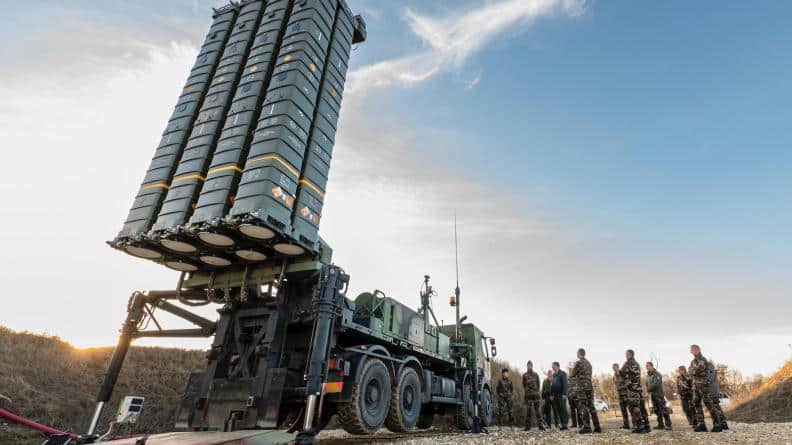
5. SAMP/T NG (France / Italy)
The SAMP/T system remains Europe’s primary long-range ground-based air defense solution, and its latest New Generation (NG) upgrades have kept it relevant in a rapidly evolving threat environment. Designed as a fully mobile system, SAMP/T is optimized for protecting both fixed infrastructure and maneuvering forces.
Using the Aster missile family, the system is capable of intercepting aircraft, cruise missiles, and tactical ballistic missiles. One of its strengths is resilience against electronic warfare, with modern radar and command components designed to function in heavy jamming conditions. The system’s architecture allows it to be integrated into wider NATO air defense networks, sharing sensor data and target information with allied systems.
While it does not aim for extreme range dominance, SAMP/T NG is valued for reliability, mobility, and interoperability—qualities that matter more today than raw engagement distance alone.
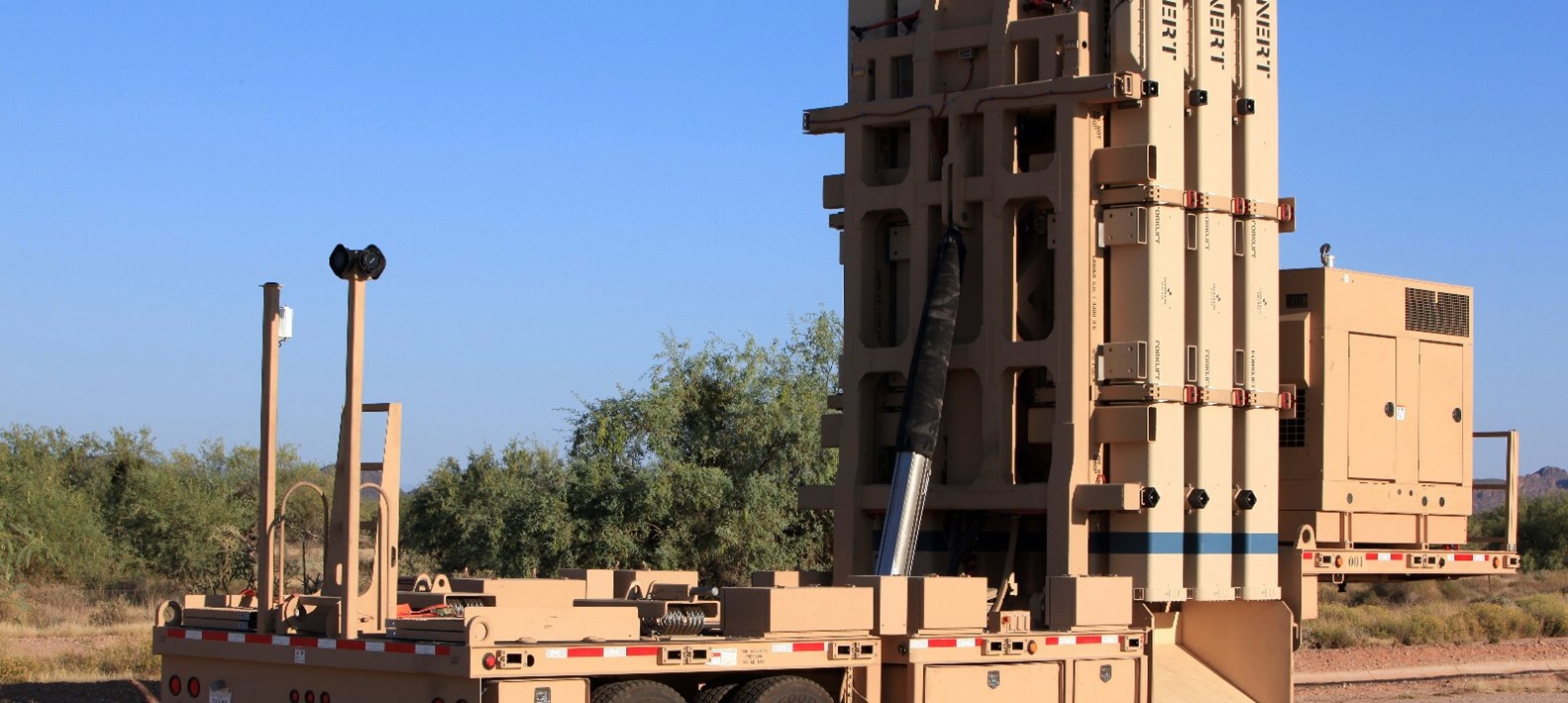
4. David’s Sling (Israel)
David’s Sling occupies a crucial middle layer in Israel’s multi-tier missile defense architecture, positioned between short-range systems and high-altitude ballistic missile interceptors. It is specifically designed to counter modern threats that fall into the difficult category between rockets and strategic ballistic missiles.
The system can intercept aircraft, cruise missiles, heavy rockets, and tactical ballistic missiles at medium to long ranges. Its interceptor uses advanced guidance and maneuverability to deal with evasive targets, while its radar and command network allows it to work seamlessly with other Israeli air defense layers.
David’s Sling is fully operational and has already been integrated into real-world defense planning. Its importance lies in covering the threat gap that many air defense networks struggle with—targets that are too advanced for short-range systems but do not justify high-altitude interceptors.
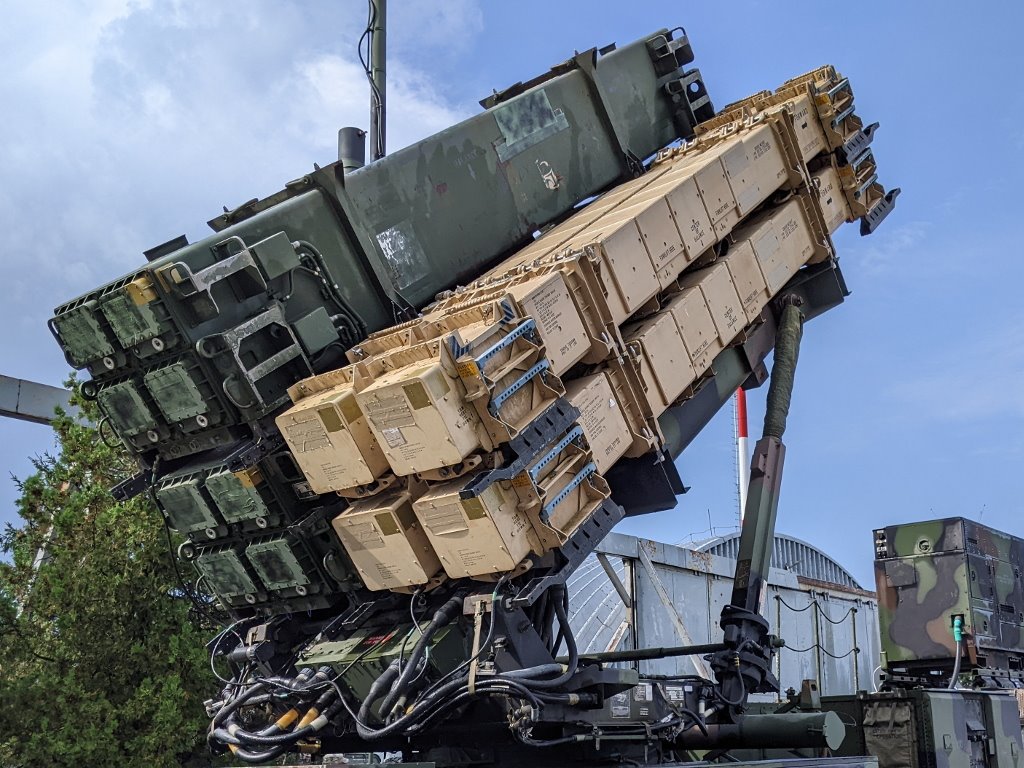
3. Patriot PAC-3 (United States)
The Patriot system has evolved far beyond its original design, and its latest PAC-3 and PAC-3 MSE variants place it firmly among the most capable air and missile defense systems currently in service. Rather than being a single weapon, Patriot today is best understood as a continuously updated defense ecosystem.
Modern Patriot batteries are capable of engaging aircraft, cruise missiles, drones, and ballistic missiles, often simultaneously. The PAC-3 MSE interceptor emphasizes hit-to-kill accuracy against high-speed threats, making it especially effective against ballistic missile targets.
What keeps Patriot near the top is not novelty, but scale and refinement. It is widely deployed, combat-tested, and constantly upgraded. Its integration with other sensors, early-warning systems, and allied defense networks makes it one of the most trusted operational air defense systems in the world.
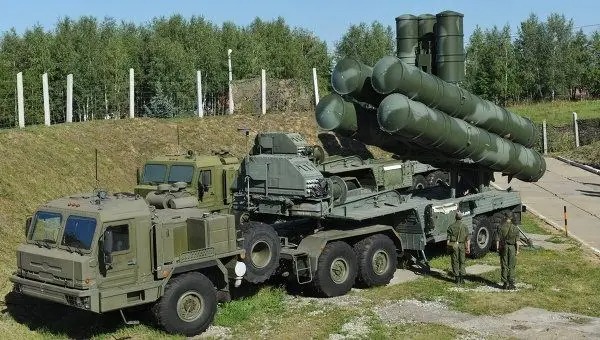
2. S-500 Prometey (Russia)
The S-500 represents a major step beyond earlier Russian air defense systems and is now officially operational with limited deployments. Unlike traditional surface-to-air systems, the S-500 was designed from the beginning to address emerging threats such as hypersonic weapons, advanced ballistic missiles, and targets operating at the edge of or beyond the atmosphere.
The system is intended to intercept targets at extreme ranges and altitudes, including medium- and intermediate-range ballistic missiles, hypersonic glide vehicles, and potentially low-orbit targets. It functions as part of a broader strategic defense architecture rather than a standalone battlefield system.
While deployment numbers remain limited, the S-500’s role is clear: strategic-level air and missile defense against the most advanced threats. Its inclusion reflects the shift toward systems designed not just for aircraft, but for next-generation strike technologies.
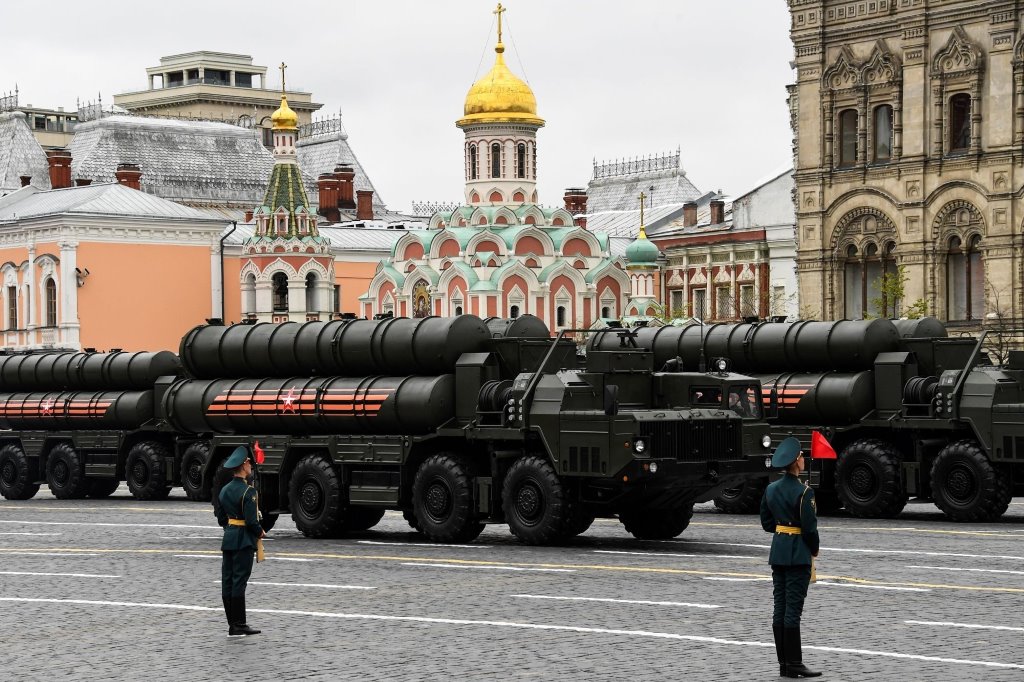
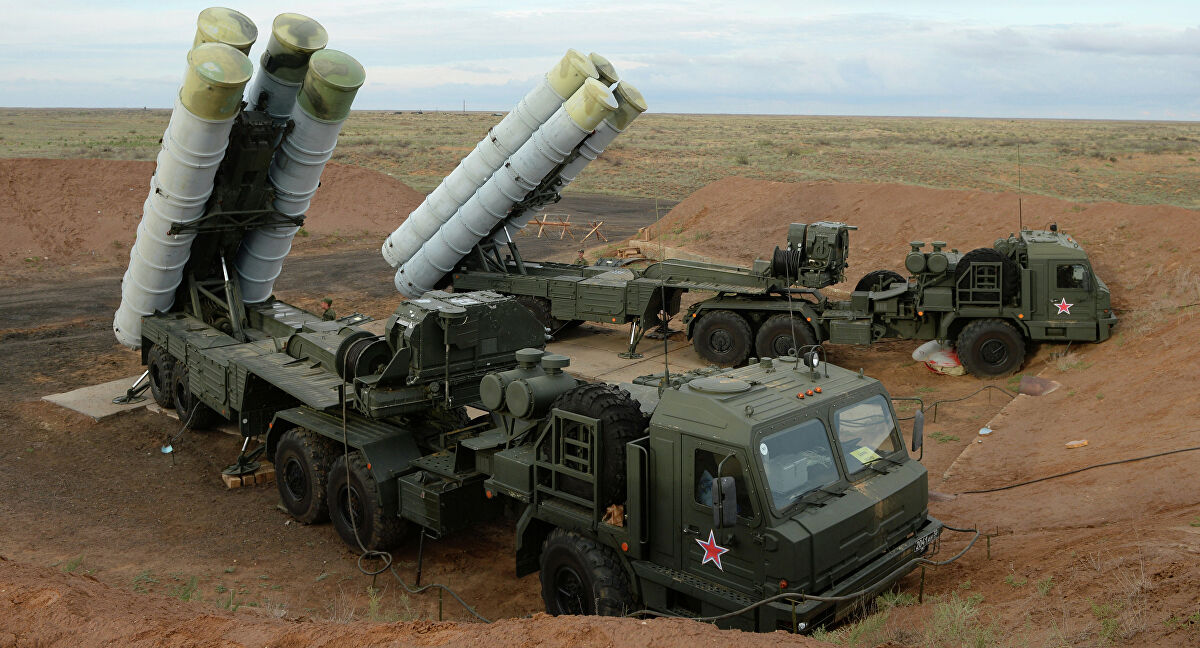
1. S-400 Triumf (Russia)
Despite the arrival of newer systems, the S-400 remains one of the most capable and widely discussed long-range air defense systems currently in active service. Its strength lies in flexibility. Rather than relying on a single interceptor type, the S-400 employs multiple missile classes covering short, medium, long, and very long ranges.
This layered approach allows a single S-400 battery to engage a wide variety of targets, including aircraft, cruise missiles, drones, and certain ballistic missile threats. The system is supported by powerful radar arrays designed to detect targets at long distances and resist electronic countermeasures.
What keeps the S-400 at the top is not just range, but adaptability. It can be tailored to specific threat environments and integrated into broader national defense networks. As an operational system with global influence, it remains one of the most significant air defense platforms in service today.
How Modern Air Defense Is Changing
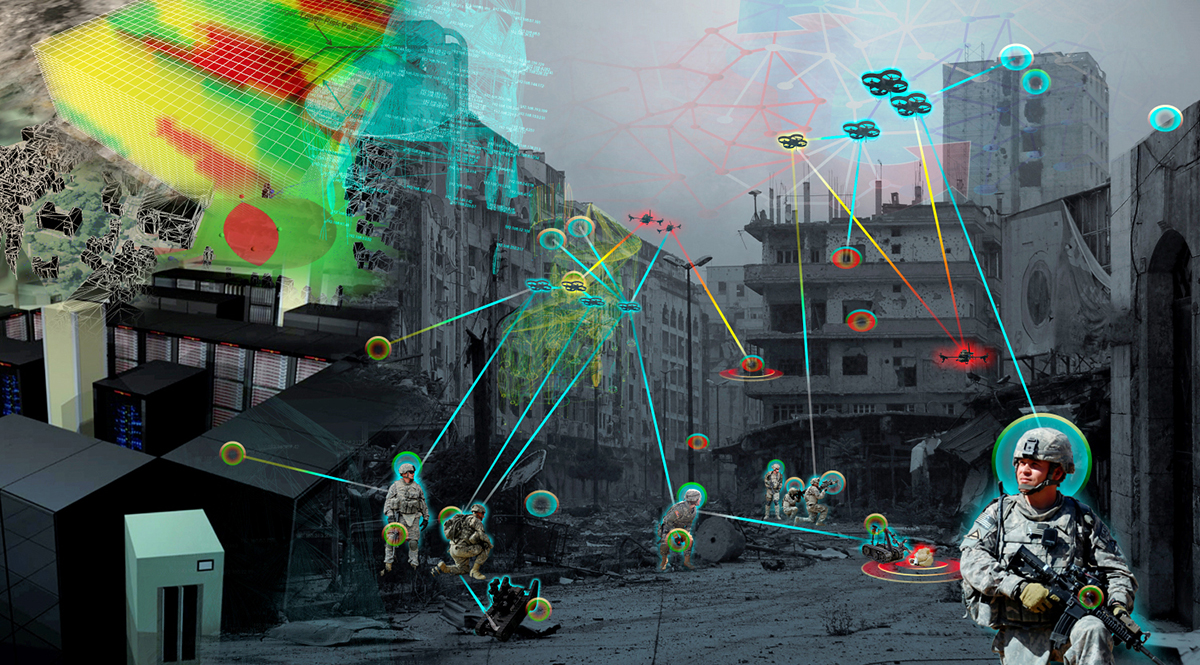
Modern anti-aircraft missile systems are no longer judged as isolated weapons. They function as nodes within complex, layered networks combining radar, command systems, interceptors, and increasingly non-missile technologies such as electronic warfare and directed-energy weapons.
While lasers and other non-kinetic defenses are beginning to enter service for short-range roles, missile systems remain the backbone of air defense against high-speed and long-range threats. The systems listed above represent the current operational peak of that capability, shaped by real-world demands rather than theoretical performance.
As air threats continue to evolve, future rankings will likely focus even more on integration, automation, and multi-domain defense rather than single-system dominance.