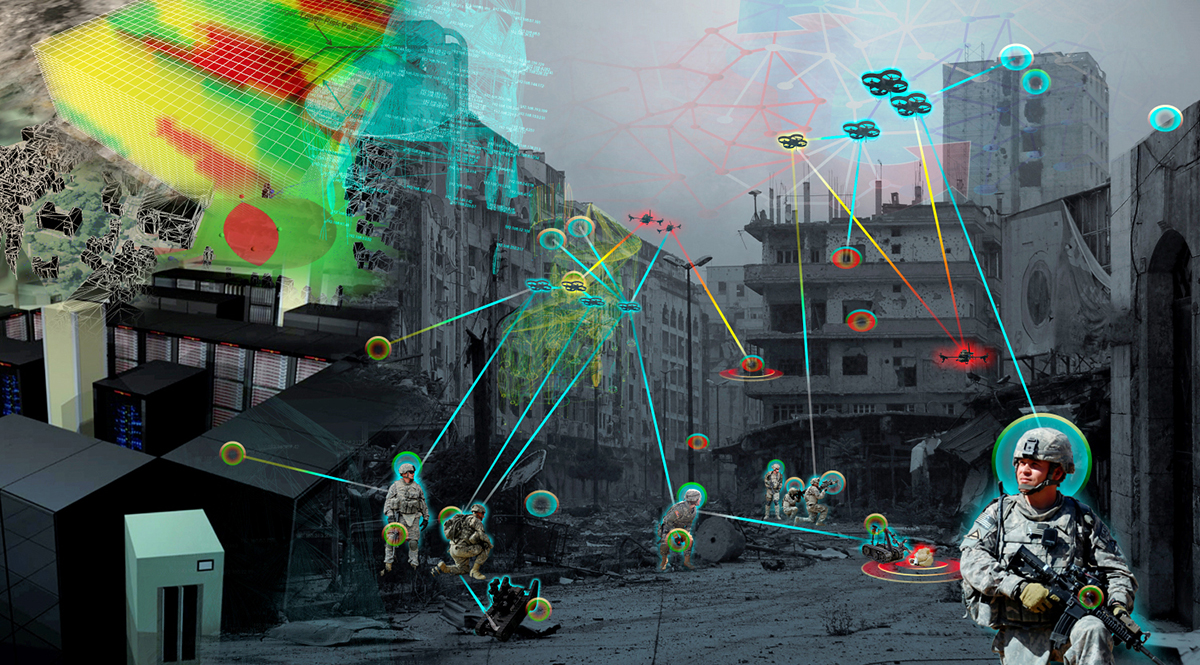

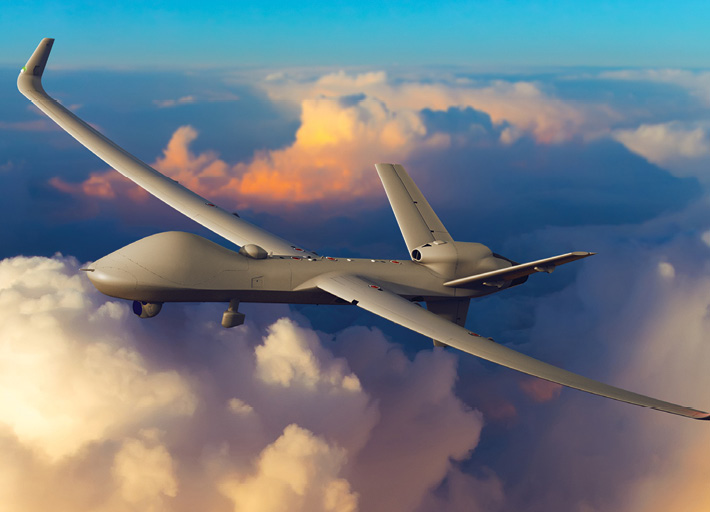
Unmanned aerial vehicles have transformed modern warfare in ways few technologies ever have. Military drones are no longer limited to simple surveillance roles. Today, they conduct long-endurance intelligence missions, precision strikes, electronic warfare, and experimental stealth operations that shape the future of air combat. Some are already proven in real conflicts, while others exist to push the boundaries of what autonomous systems might become.
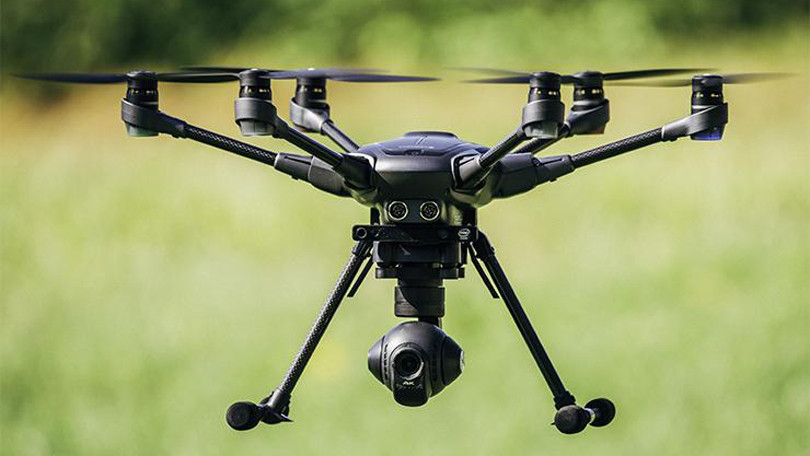

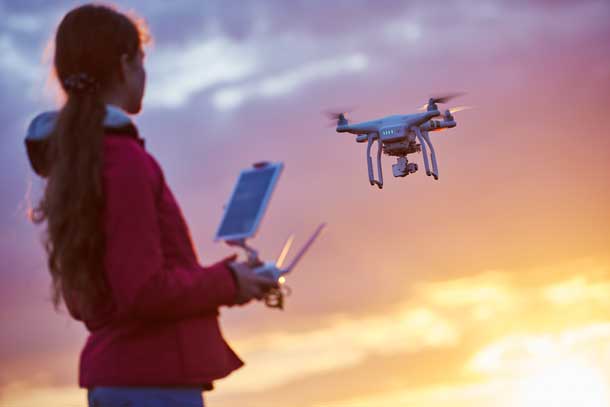
Nearly everyone has heard the word “drone” by now. It has become the go-to label for those usually small, helicopter-like flying machines that people fly for fun, photography, inspections, and countless other tasks. Millions of them are in the air across the world, from quiet suburban parks to construction sites and remote landscapes. Still, despite how common the word has become, it’s far from the only term used to describe these aircraft, and that’s where confusion often begins.

Building your own drone is no longer a niche hobby reserved for aerospace engineers or military contractors. With today’s components, open-source flight controllers, and widely available materials, it’s entirely possible for a motivated individual to design and assemble a capable, reliable drone tailored to specific needs. Whether the goal is aerial photography, mapping, inspection, research, or pure technical curiosity, a custom-built drone offers flexibility that off-the-shelf models simply cannot match.

Drones have quietly worked their way into everyday life, becoming tools that people use for work, recreation, science, security, and dozens of other tasks. What used to be a specialized piece of military equipment is now something you can find in hobby shops, film studios, farms, construction sites, and even rescue teams. Their rise isn’t just because they look futuristic — it’s because they solve real problems in ways that are fast, efficient, and surprisingly simple once you understand how they operate.

Share on Social Networks

Editor's Pick