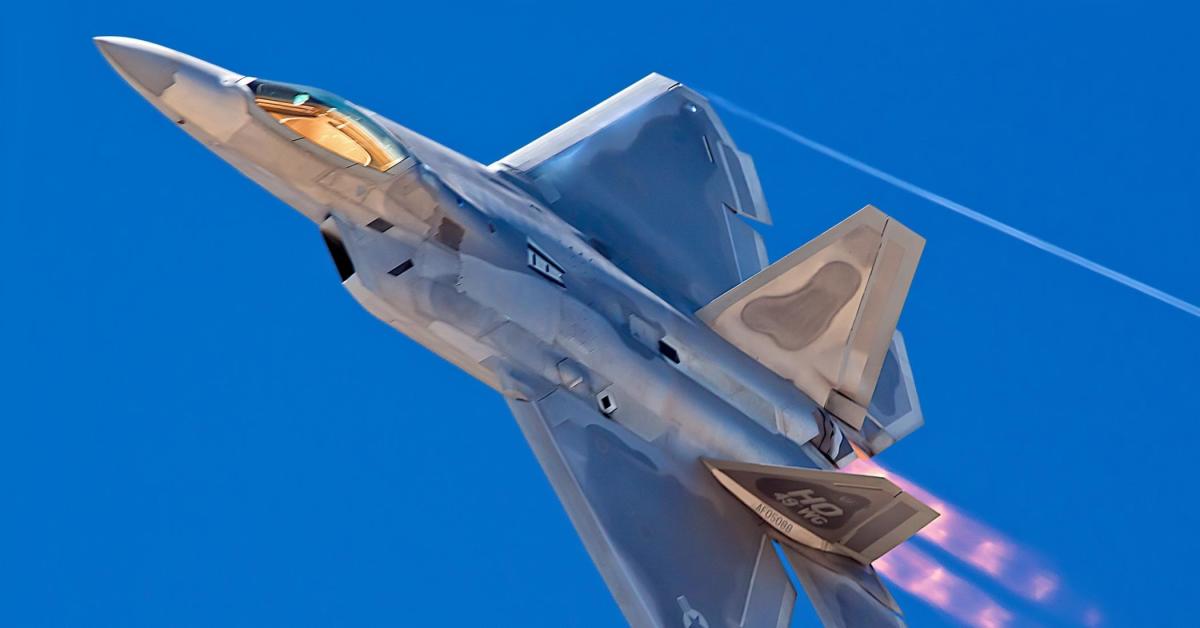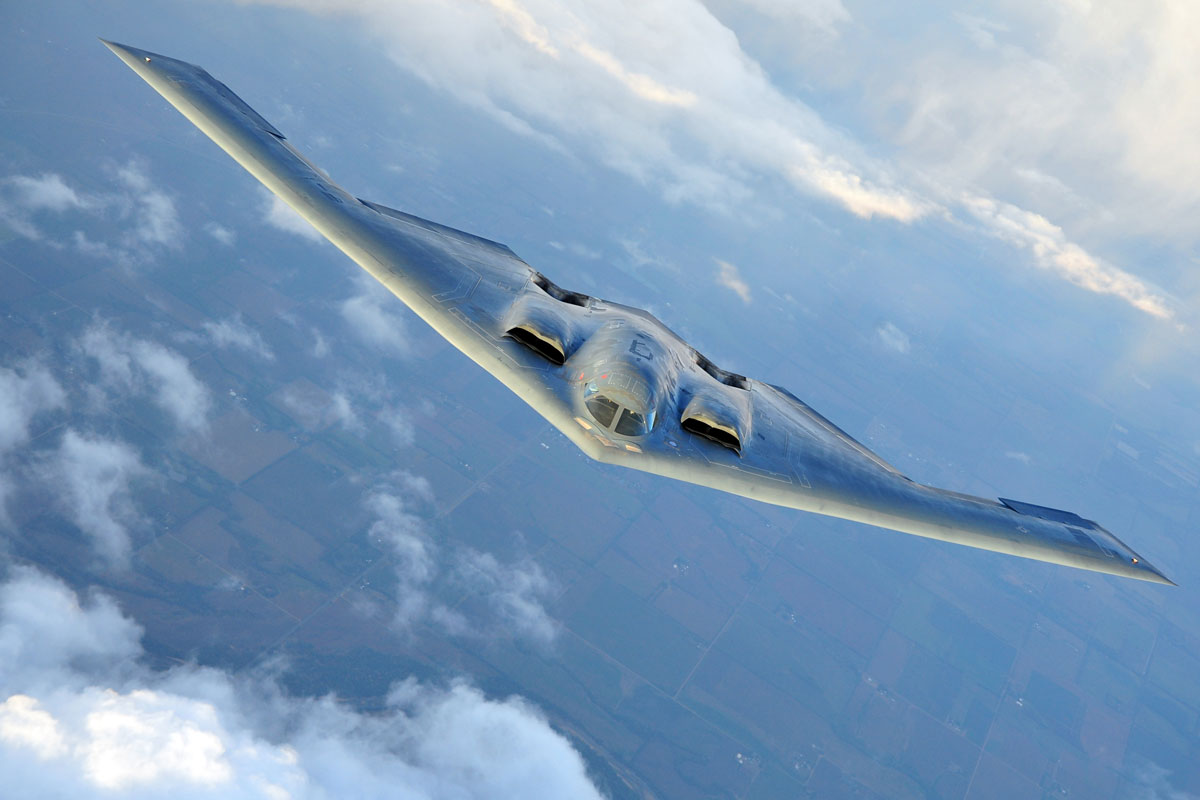

If you’ve ever looked up at a passing jet and wondered what it would feel like to be inside the cockpit, flight simulators are the closest thing to making that curiosity real. Very few people will ever fly a fighter jet or land a wide-body airliner in real life, but in the digital world, those barriers disappear. Modern flight simulators and air combat games allow you to experience aviation from angles that range from calm sightseeing flights to high-stress dogfights at supersonic speed.
What makes this genre special is its range. Some games focus heavily on realism, demanding patience and a willingness to learn real aviation principles. Others lean toward accessibility, letting you jump into the air with minimal setup and just enjoy the feeling of flight. There are also hybrids that mix authentic flight physics with combat scenarios, storytelling, or multiplayer competition. Whether you’re an aviation enthusiast, a casual gamer, or someone who just loves military hardware, there’s a title that fits your style.
Below is a detailed look at the best flight simulators and air combat games, grouped by how they approach flying and what kind of experience they offer.
Best Standard Flight Simulators
These simulators focus primarily on the act of flying itself. Navigation, weather, aircraft systems, and realistic environments are at the heart of the experience. Combat may exist in some cases, but it is not the main attraction.
Aerofly FS
Aerofly FS is often praised for one thing above all else: how smooth and believable it feels in motion. The simulator places a heavy emphasis on flight physics, making aircraft behavior feel responsive and grounded without overwhelming the player. Controls are precise, and performance is optimized so well that even complex scenes run at high frame rates.
The simulator includes a wide selection of aircraft, from small prop planes designed for scenic flights to high-performance jets like the F-18 for fast-paced flying. Hundreds of airports are available, allowing you to practice landings in diverse environments. Aerofly FS strikes a strong balance between realism and approachability, making it suitable for both newcomers and experienced sim pilots who want something polished and fluid.
GeoFS
GeoFS takes a very different approach by running directly inside your web browser. Instead of installing a large game client, you simply load the simulator online and start flying. Its world is generated using satellite imagery and geographic data, which means you can take off from almost anywhere on Earth.
While the visuals may not be as refined as premium simulators, GeoFS shines in accessibility and scale. Real-time weather, thousands of runways, and a surprisingly active multiplayer environment make it feel alive. You can see other pilots flying in real time, plan long-distance flights, or even push the boundaries by flying beyond Earth to the Moon or Mars. For a free browser-based experience, the depth on offer is impressive.
FlightGear
FlightGear is a long-running open-source project that has earned a dedicated following. Completely free and highly customizable, it offers an enormous selection of aircraft and more than twenty thousand real-world airports. Because it is community-driven, new features and improvements are constantly being added.
One of FlightGear’s standout features is its attention to environmental realism. Time-of-day simulation accurately tracks the sun, moon, and stars based on your system clock, creating an authentic sense of place and time. The open nature of the software also means advanced users can modify aircraft, systems, and scenery to suit their preferences. It may require more patience to set up properly, but for those willing to invest time, it can be extremely rewarding.
FlyInside
FlyInside was built from the ground up with virtual reality in mind. While it can be played on a standard monitor, its true strength lies in full VR immersion. With a headset on, you’re no longer just controlling a plane — you’re sitting inside it.
The simulator focuses on delivering realistic physics and detailed cockpits that feel natural when viewed in three dimensions. Using motion controllers, you can interact with switches and instruments in a way that closely mimics real cockpit behavior. FlyInside is especially appealing to players who want to experience flight on a more physical, instinctive level rather than through traditional mouse and keyboard controls.
Infinite Flight
Infinite Flight brings serious flight simulation to mobile devices. Designed for phones and tablets, it manages to capture much of the complexity of larger simulators while remaining accessible on the go. Aircraft systems, navigation, and weather modeling are all present, allowing for surprisingly deep gameplay.
Players can customize flight conditions, choose from various aircraft, and even participate in shared airspace with other users. For aviation enthusiasts who don’t always have access to a PC or console, Infinite Flight proves that meaningful simulation doesn’t have to be tied to a desktop setup.
Microsoft Flight Simulator X
Microsoft Flight Simulator X remains one of the most influential titles in the genre. Known for its massive selection of aircraft, detailed cities, and extensive airport database, it offers a complete aviation sandbox. From commercial airliners and helicopters to military jets, the variety ensures there’s always something new to try.
The simulator also includes structured missions, air traffic control roles, and navigation challenges, adding purpose beyond free flight. Its long-standing popularity has resulted in a vast ecosystem of community-created add-ons, extending its lifespan far beyond its original release.
Take On Helicopters
For players more interested in rotorcraft than fixed-wing aircraft, Take On Helicopters offers a focused experience. Flying helicopters requires a different skill set, and this simulator embraces that complexity. Physics modeling emphasizes the unique challenges of vertical lift, hovering, and precision maneuvering.
Set in open-world environments inspired by real locations, the game combines realistic flight dynamics with mission-based gameplay. It’s particularly appealing to players who enjoy mastering difficult controls and performing detailed tasks rather than high-speed travel.
X-Plane 11
X-Plane 11 is widely regarded as one of the most realistic civilian flight simulators available. Its advanced physics engine calculates how air flows over wings and control surfaces in real time, resulting in highly authentic aircraft behavior. Cockpits are meticulously detailed, and thousands of airports are modeled as living environments with ground vehicles and service equipment.
The learning curve can be steep, especially for newcomers, but the payoff is a simulation that closely mirrors real-world aviation. System failures, dynamic weather, and precise instrumentation make X-Plane 11 a favorite among serious simulation fans and even real-world pilots.
YSFlight
YSFlight takes a minimalist approach. With modest system requirements and simple visuals, it runs smoothly on older hardware while still offering a large selection of aircraft and global maps. Its interface is straightforward, making it easy to pick up and play without extensive setup.
While it lacks the visual fidelity of modern simulators, YSFlight compensates with flexibility and accessibility. It’s an excellent entry point for players who want to experience flight without investing in high-end hardware or complex controls.
Best Combat Flight Simulators
Combat flight simulators shift the focus from navigation and procedure to tactics, situational awareness, and survival. These games often blend realistic aircraft handling with fast-paced action, historical settings, or modern warfare scenarios. Some lean toward full simulation, while others prioritize cinematic combat and accessibility.
Ace Combat 7: Skies Unknown
Ace Combat 7 is built around spectacle and momentum. Instead of strict realism, it delivers dramatic aerial combat with a strong sense of speed and intensity. Players take control of modern and near-future fighter jets, engaging in large-scale battles filled with missiles, radar locks, and evasive maneuvers.
The game’s strength lies in how it combines fluid controls with an engaging narrative. Missions are carefully scripted to feel epic, with shifting objectives, weather effects, and enemy waves that keep pressure high. While it doesn’t aim to replicate real-world flight procedures in detail, it excels at making air combat feel thrilling and visually striking.
IL-2 Sturmovik: Battle of Bodenplatte
IL-2 Sturmovik represents the opposite end of the spectrum. This series is deeply rooted in historical accuracy, focusing on real aircraft, authentic flight models, and carefully reconstructed battlefields. Battle of Bodenplatte centers on late World War II air combat over Western Europe, recreating the harsh conditions and tactical challenges faced by pilots during that period.
Aircraft behavior is unforgiving, damage modeling is detailed, and situational awareness matters as much as raw flying skill. The simulator rewards patience and knowledge, making it ideal for players who enjoy mastering complex systems and understanding historical context. Multiplayer modes further enhance realism by placing human pilots against each other in large-scale engagements.
Rise of Flight
Rise of Flight transports players to the fragile, dangerous world of World War I aviation. Early fighter planes were lightweight, underpowered, and mechanically unreliable, and this simulator captures that vulnerability perfectly. Dogfights rely heavily on positioning, energy management, and close-range maneuvering.
The flight models emphasize the quirks of early aircraft, where a single mistake can be fatal. Visual effects, period-accurate cockpits, and historically inspired campaigns create an immersive experience that feels distinct from later-era combat games. For players interested in aviation history, Rise of Flight offers a rare and atmospheric perspective.
War Thunder
War Thunder blends simulation elements with accessibility and massive multiplayer battles. It supports air, ground, and naval combat, allowing players to engage in combined-arms warfare across a wide range of historical periods. Aircraft span from early prop-driven fighters to modern jets, giving players a broad progression path.
The game’s free-to-play model makes it easy to jump in, while different realism modes let players choose how complex they want the experience to be. Arcade-style battles focus on quick action, while more realistic modes introduce stricter physics, limited views, and increased reliance on pilot skill. Frequent updates and an active player base keep the experience evolving.
World of Warplanes
World of Warplanes focuses on approachable aerial combat rather than strict simulation. Controls are simplified, making it easy for new players to get airborne and start fighting almost immediately. Battles emphasize team-based objectives and fast engagements rather than long, methodical flights.
The game covers aircraft from multiple eras, allowing players to progress through different technological stages. While it lacks the depth of hardcore simulators, it succeeds as a lighter, more casual combat experience that still captures the excitement of air battles.
Choosing the Right Experience
The flight simulation and air combat genre is unusually diverse. Some titles aim to replicate real-world aviation down to the smallest detail, while others focus on excitement, storytelling, or competitive multiplayer action. The best choice depends on what you’re looking for.
If you enjoy learning real procedures, managing aircraft systems, and flying long routes, standard flight simulators offer unmatched depth. If your interest leans toward history, tactics, and adrenaline-fueled encounters, combat-focused games deliver a very different kind of satisfaction. Many players eventually explore both sides, discovering that calm cruising and intense dogfights each offer their own appeal.
No matter your preference, these simulators and games prove that aviation isn’t just about getting from one place to another. It’s about mastering the sky, understanding the machines, and experiencing flight in ways that would otherwise be impossible.