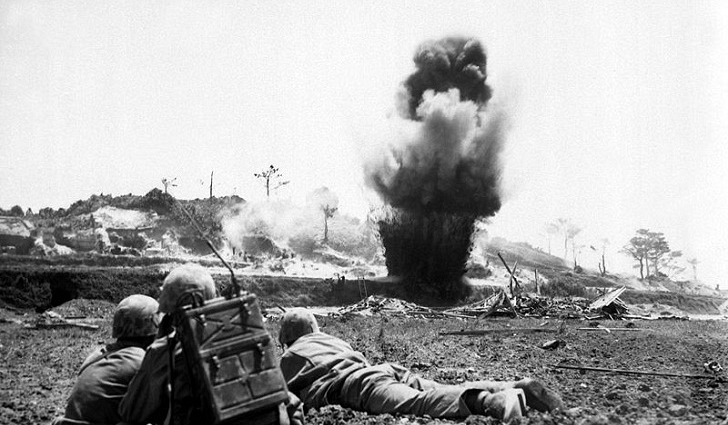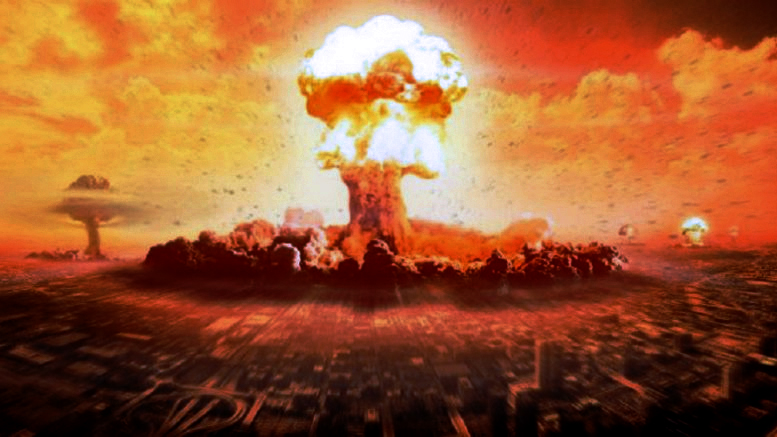

Over the course of six turbulent years, stretching from the opening shots on 1 September 1939 to the final surrender on 2 September 1945, the world witnessed a level of devastation unmatched in human history. Entire continents were scarred as total war unfolded between the Axis and Allied powers. Cities vanished under firestorms, entire regions were depopulated, and somewhere between seventy and eighty million people—soldiers, civilians, prisoners, the displaced—lost their lives. The conflict drained national treasuries, shattered empires that had dominated global politics for centuries, and forced humanity to confront the darkest capabilities of modern warfare.

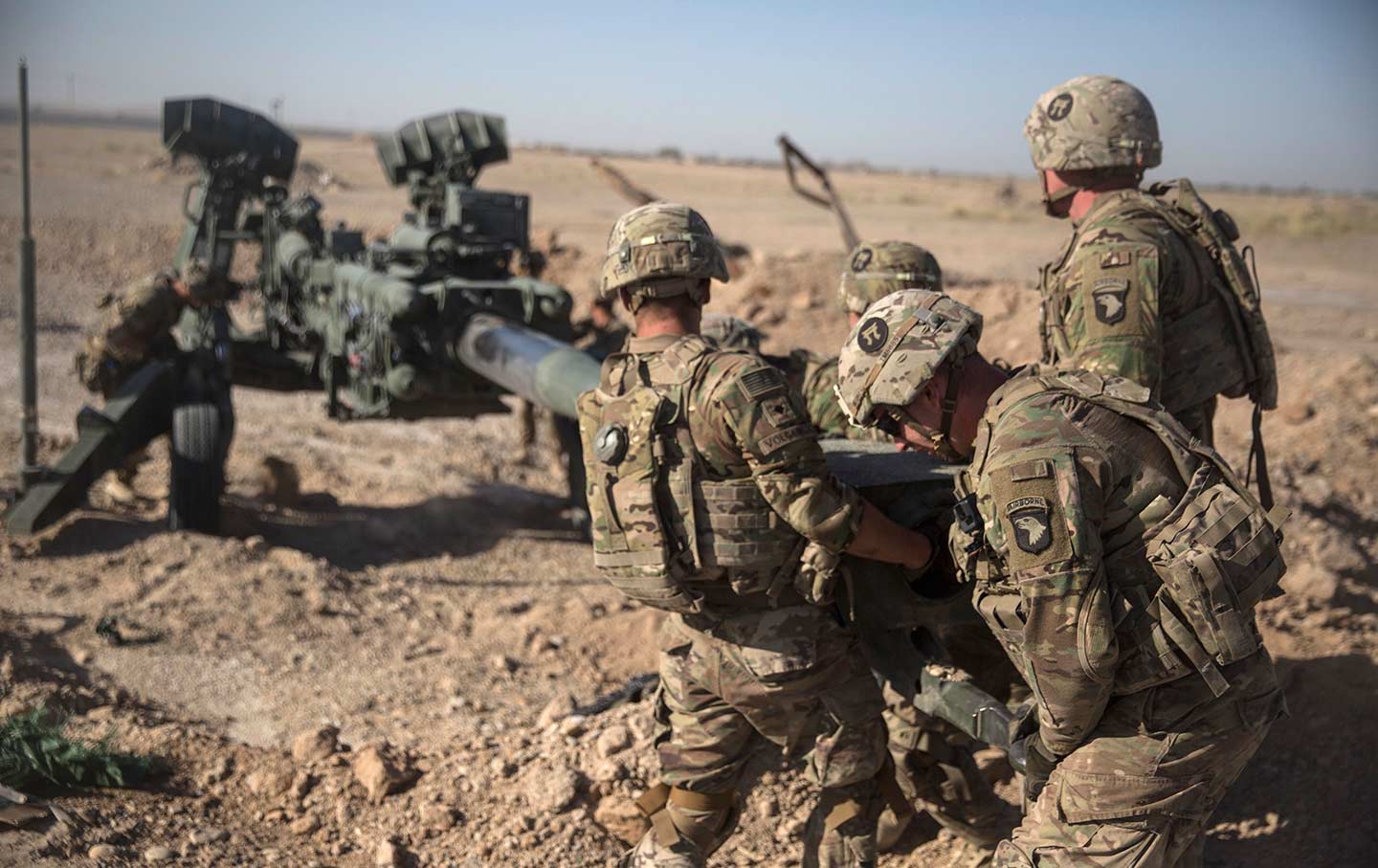
The story of the United States cannot be told without understanding the wars that shaped its borders, its identity, and its role in the world. From the earliest revolutionary battles that transformed a collection of colonies into an independent nation, to the complex overseas conflicts of the modern era, Americans have repeatedly been drawn into struggles that tested their unity, resilience, and ideals. Some of these wars erupted from disputes over territory or political control, while others grew out of global rivalries, ideological clashes, or the defense of allies. Each brought its own set of consequences—profound loss of life, sweeping economic changes, and long-term shifts in national policy.

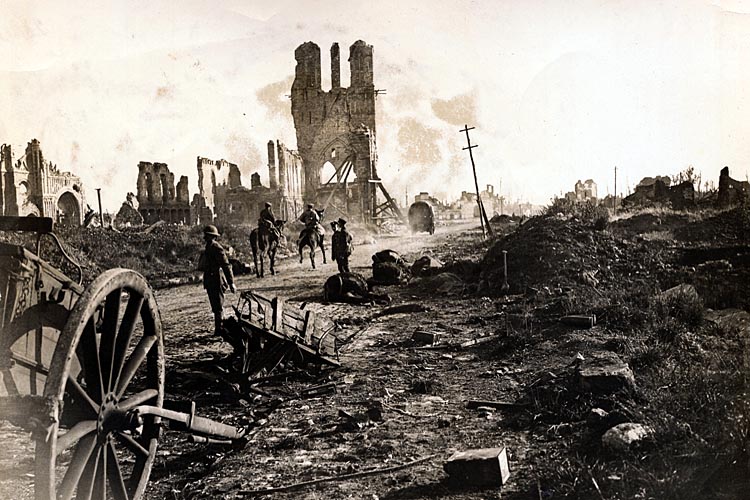
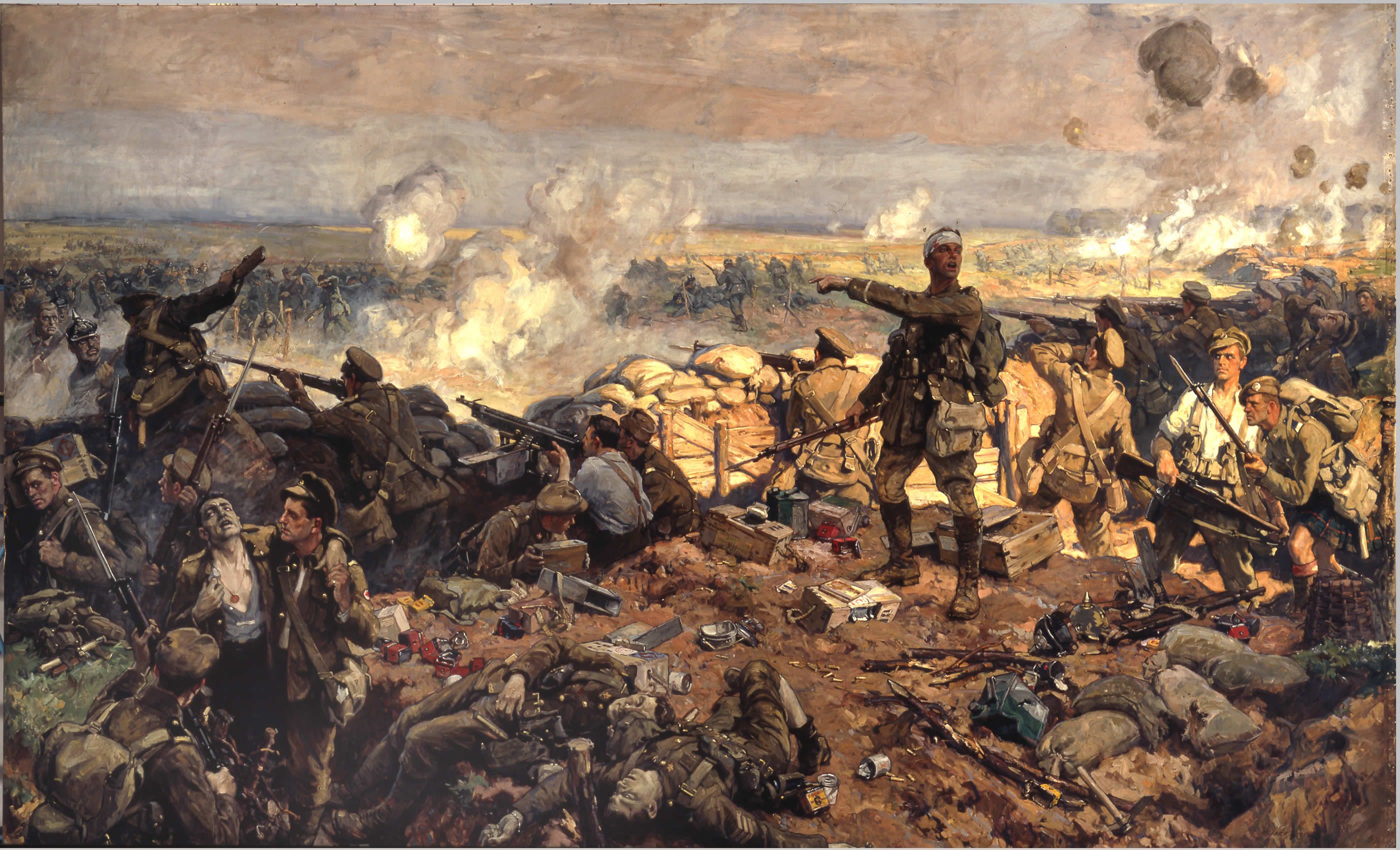
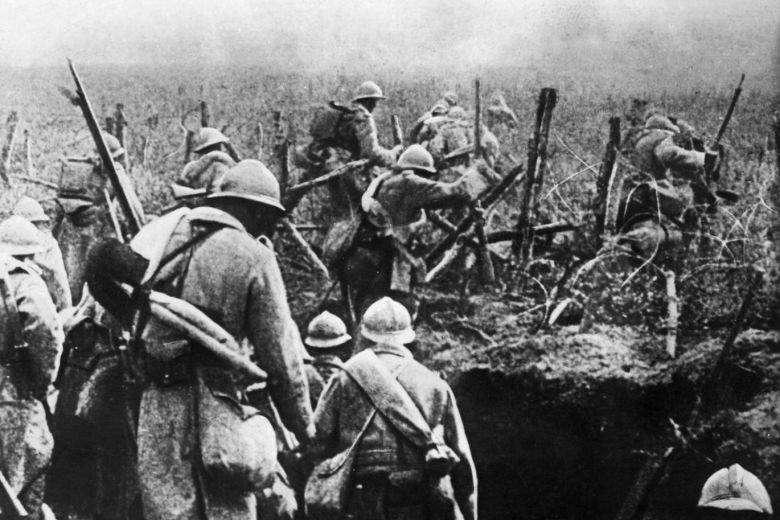
World War I—often remembered as the “war to end all wars”—erupted in July 1914 and dragged on until November 11, 1918, leaving an astonishing trail of devastation behind it. More than 17 million people lost their lives, including well over 100,000 American soldiers who entered the conflict during its later stages. Although historians continue to debate the deeper forces that pushed nations toward this catastrophe, several widely recognized factors set the stage for a conflict unlike anything the world had seen. What follows is a detailed exploration of the most commonly cited developments that helped turn political tensions into a global inferno.

Share on Social Networks

Editor's Pick