

History is often taught through achievements — empires built, discoveries made, borders expanded. But just as important are the moments when humanity stumbled, suffered, and came frighteningly close to collapse. These darker periods weren’t just times of hardship; they reshaped societies, belief systems, and the direction of entire civilizations. Understanding them isn’t about dwelling on misery, but about seeing how fragile progress can be when disease, power, fear, or nature spiral out of control.
What makes a historical period “dark” isn’t only the number of deaths. It’s the combination of widespread suffering, loss of social order, psychological trauma, and long-lasting consequences that followed. Some of these periods were sudden and catastrophic, while others unfolded slowly, grinding populations down over decades or centuries.
Below are some of the darkest chapters in human history — eras when survival itself became uncertain, and when the future looked anything but guaranteed.
The Late Bronze Age Collapse
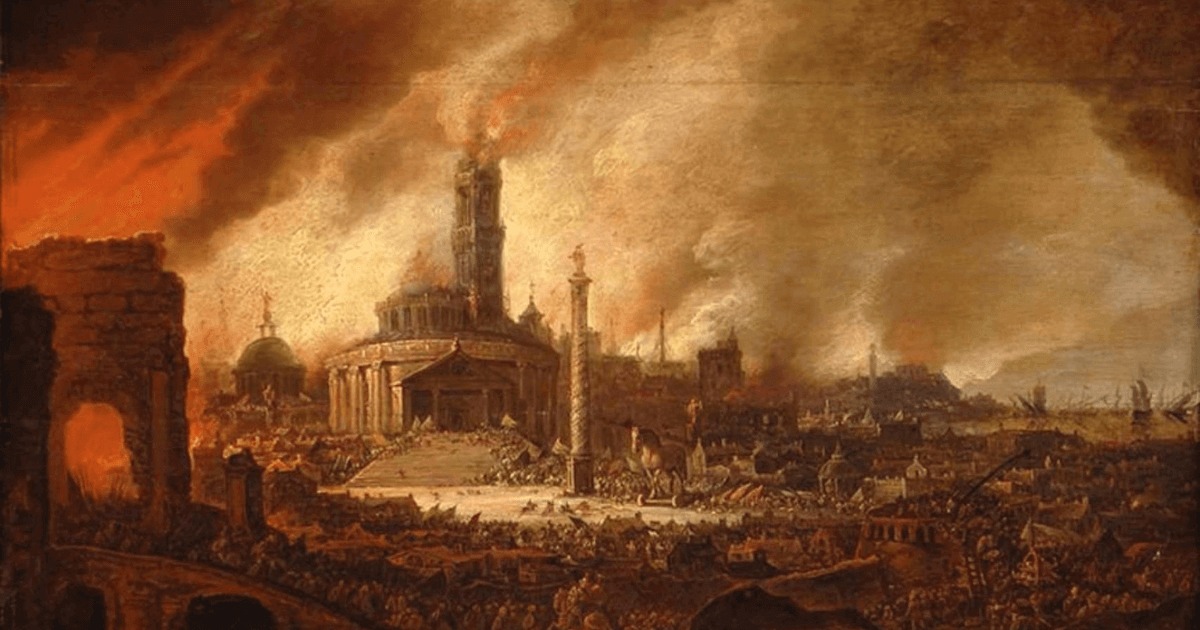
Around the 12th century BCE, several advanced civilizations across the Eastern Mediterranean collapsed almost simultaneously. The Mycenaeans, Hittites, and parts of ancient Egypt all experienced sudden decline. Major cities were abandoned or destroyed, trade networks vanished, and literacy sharply declined in many regions.
This collapse wasn’t caused by a single event. Evidence points to a perfect storm of problems: prolonged droughts, crop failures, earthquakes, internal rebellions, invasions by mysterious groups often referred to as the Sea Peoples, and the breakdown of political authority. Because these civilizations were deeply interconnected through trade, the failure of one triggered failures in others.
The result was centuries of regression. Writing systems disappeared in some areas, monumental architecture stopped, and populations shrank. Knowledge that had taken generations to build was lost, forcing societies to rebuild from a much simpler foundation.
The Fall of the Western Roman Empire
The collapse of the Western Roman Empire in the 5th century CE marked one of the most dramatic downturns in European history. Rome had once unified vast territories under a single administrative system, supported by roads, law, trade, and professional armies. When that system unraveled, the consequences were severe.
Cities declined as trade routes broke down. Coinage disappeared from daily life in many regions, replaced by barter. Public infrastructure like aqueducts and roads fell into disrepair. Literacy rates dropped sharply outside religious institutions, and centralized governance gave way to fragmented rule by local warlords.
For ordinary people, life became far more uncertain. Violence increased, travel became dangerous, and famine was a constant threat. While the Eastern Roman Empire survived, much of Western Europe entered centuries of political instability that would later be labeled the “Dark Ages,” though the reality was more complex and uneven.
The Black Death
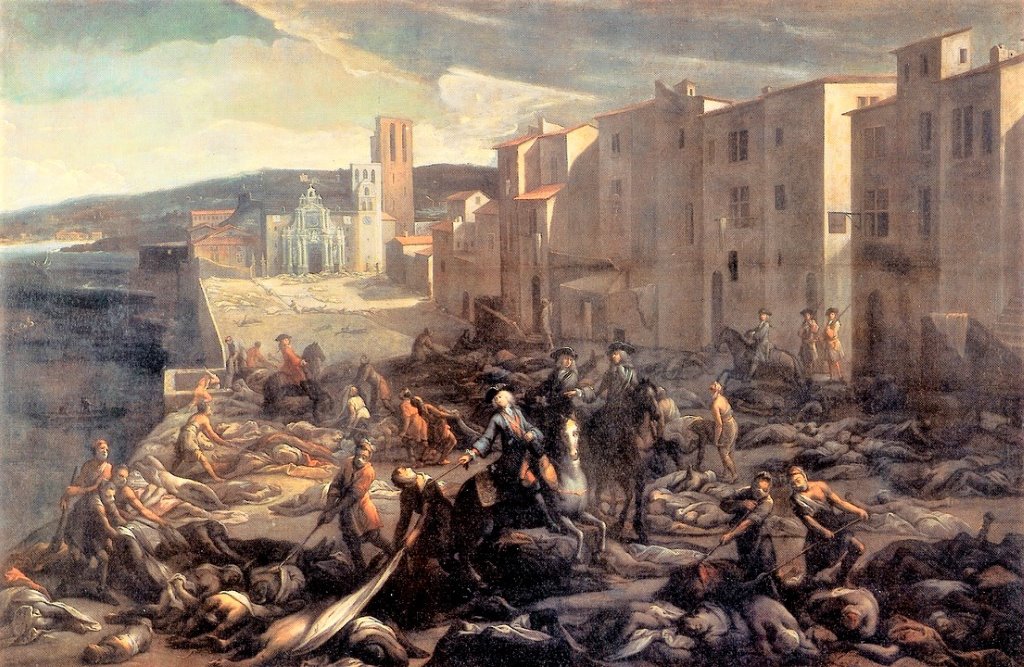
Few events in history compare to the sheer devastation of the Black Death. Between the mid-14th century and the early 1350s, the plague swept through Europe, Asia, the Middle East, and North Africa, killing an estimated one-third to half of Europe’s population.
Entire villages vanished. Cities were overwhelmed with corpses. Medical knowledge was powerless, and fear shaped behavior as much as the disease itself. People blamed outsiders, minorities, and imagined enemies, leading to waves of persecution and violence, particularly against Jewish communities.
The psychological impact was profound. Art, religion, and philosophy shifted toward themes of death, judgment, and human fragility. Labor shortages destabilized feudal systems, eventually contributing to social and economic change, but that transformation came at an unimaginable human cost.
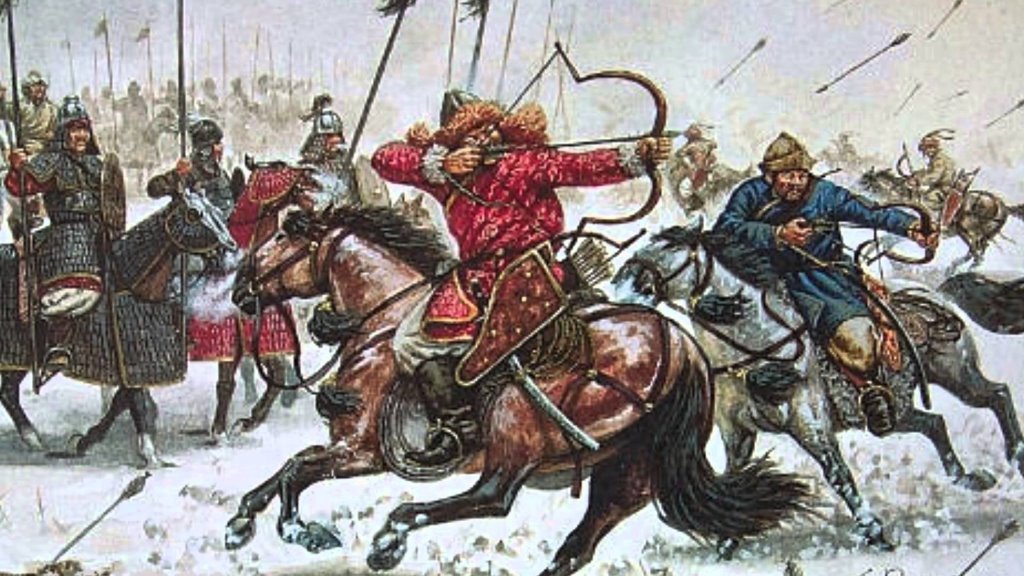
The Mongol Conquests
The Mongol expansion of the 13th century created the largest contiguous land empire in history, but it did so through extreme violence. Cities that resisted were often destroyed entirely, their populations slaughtered or enslaved. Entire regions were depopulated in a matter of weeks.
For those caught in the path of Mongol armies, the experience was catastrophic. Contemporary accounts describe mountains of skulls, scorched earth tactics, and the deliberate spread of terror to ensure future compliance. In some areas, agricultural systems collapsed and took generations to recover.
At the same time, the Mongol Empire eventually stabilized trade routes and facilitated cultural exchange, but that longer-term outcome does not erase the brutal reality of its initial expansion. For millions, it was one of the darkest periods they would ever endure.
The Transatlantic Slave Trade
Spanning more than four centuries, the transatlantic slave trade represents one of the longest and most systematic periods of human cruelty. Millions of Africans were forcibly removed from their homes, transported across oceans under horrific conditions, and subjected to lifelong enslavement.
The Middle Passage alone killed countless people through disease, starvation, and abuse. Those who survived faced violence, forced labor, and the destruction of family structures. Entire regions of Africa were destabilized, while colonial economies grew rich on stolen lives.
The legacy of this period did not end with abolition. Social, economic, and racial inequalities created by the slave trade continue to shape societies today. Its darkness lies not only in its brutality, but in how normalized it became for so long.
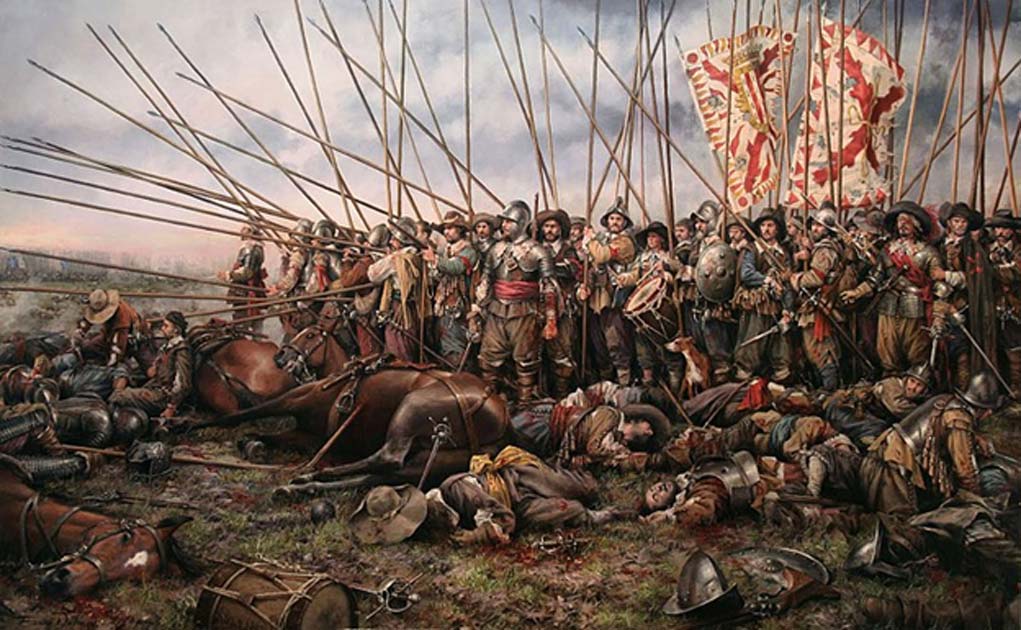
The Thirty Years’ War
From 1618 to 1648, much of Central Europe was consumed by a conflict that blurred the lines between religious war, political struggle, and outright chaos. The Thirty Years’ War devastated regions of what is now Germany, with population losses estimated as high as 20 to 40 percent in some areas.
Armies lived off the land, looting villages and spreading famine and disease. Civilians suffered far more than soldiers. Entire communities were displaced, and economic life ground to a halt. For many people, survival depended on constant movement or hiding.
The war left deep scars on European politics and culture. It demonstrated how ideological conflict, when combined with weak state control, could destroy societies from within.
The Industrial Revolution’s Human Cost
The Industrial Revolution is often remembered for innovation, productivity, and economic growth, but for many people living through it, this period was brutally harsh. Rapid industrialization in the 18th and 19th centuries transformed societies faster than laws, ethics, or institutions could keep up.
Millions moved from rural areas into overcrowded cities where housing was unsafe, sanitation was poor, and disease spread easily. Factory work was dangerous and exhausting. Men, women, and children labored long hours in hazardous conditions for minimal pay. Injuries were common, and job security was almost nonexistent.
Child labor was widespread. Young children worked in mines, textile mills, and factories, often suffering permanent physical damage. While industrialization eventually raised living standards, the early decades were marked by exploitation, shortened lifespans, and social dislocation that created deep suffering beneath the surface of progress.
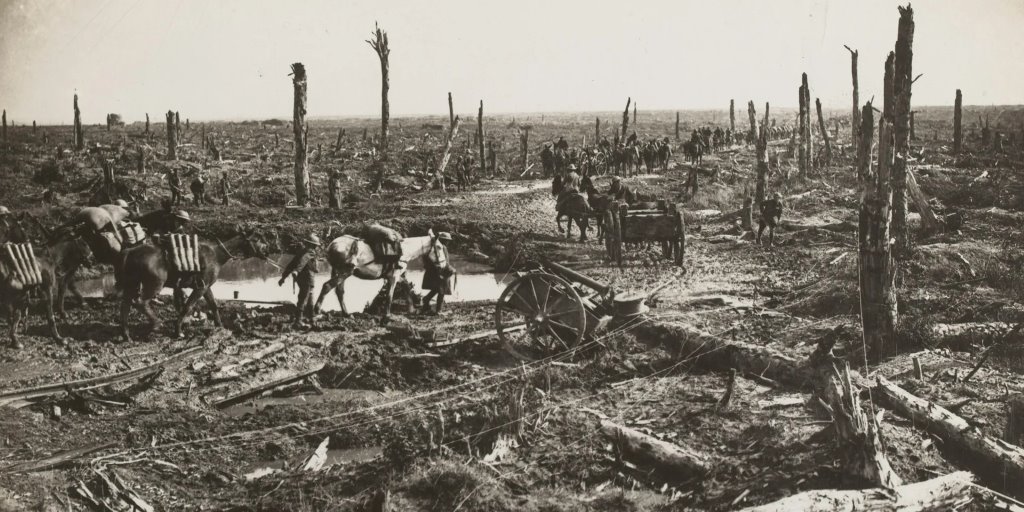
World War I
The First World War shattered the illusion that modern civilization had outgrown mass slaughter. Industrial technology turned battlefields into killing zones where entire generations were consumed. Trenches stretched for miles, and soldiers lived in mud, filth, and constant fear.
Weapons such as machine guns, poison gas, and heavy artillery caused unprecedented casualties. Millions died not only from combat, but from disease, exposure, and psychological trauma. Soldiers returned home broken, if they returned at all.
Civilians suffered through famine, bombardment, and displacement. Entire regions were devastated. The war dismantled empires, destabilized political systems, and left unresolved tensions that would explode again within a generation. For many historians, World War I marked the true beginning of modern mass suffering.
The Great Depression
The global economic collapse of the 1930s plunged millions into poverty almost overnight. Banks failed, businesses closed, and unemployment soared to levels never seen before. For families who lost everything, survival became a daily struggle.
Breadlines stretched through cities. Farmers lost land they had worked for generations. Malnutrition, homelessness, and despair became widespread. Governments were often slow or unable to respond effectively, deepening public anger and fear.
The psychological impact was enormous. Trust in institutions collapsed, and desperation fueled political extremism. In several countries, economic misery helped pave the way for authoritarian regimes and future conflict.

World War II and the Holocaust
World War II stands as the deadliest conflict in human history. It engulfed continents, destroyed cities, and killed tens of millions of people. Civilians were no longer collateral damage; they were deliberate targets through bombing campaigns, starvation, and genocide.
The Holocaust represents one of humanity’s darkest moral failures. Millions of Jews, along with Roma, disabled individuals, political prisoners, and others, were systematically murdered through industrialized killing. The scale and efficiency of the genocide revealed how modern bureaucracy and technology could be turned toward absolute evil.
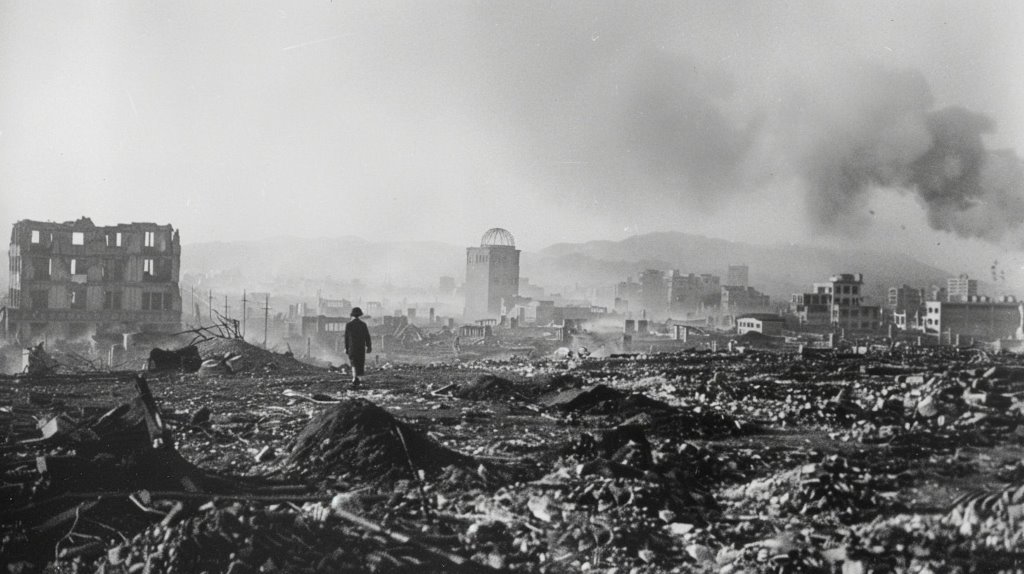
Beyond the Holocaust, World War II devastated societies across Europe, Asia, and beyond. Cities were reduced to rubble, populations displaced, and entire cultures traumatized. The war ended with the use of nuclear weapons, permanently altering humanity’s relationship with destruction.
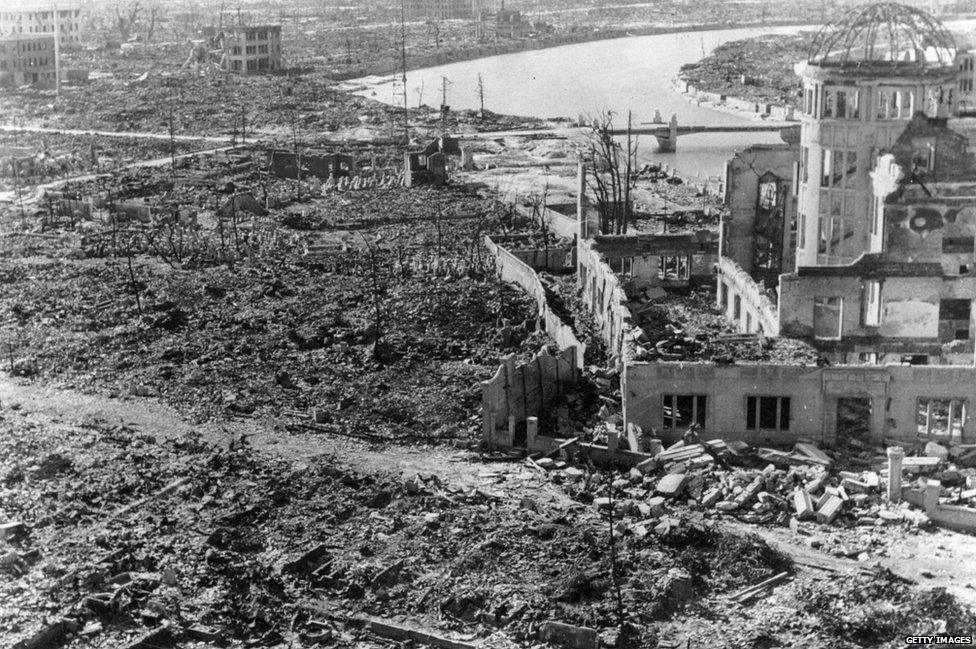
The Atomic Age and Cold War Fear
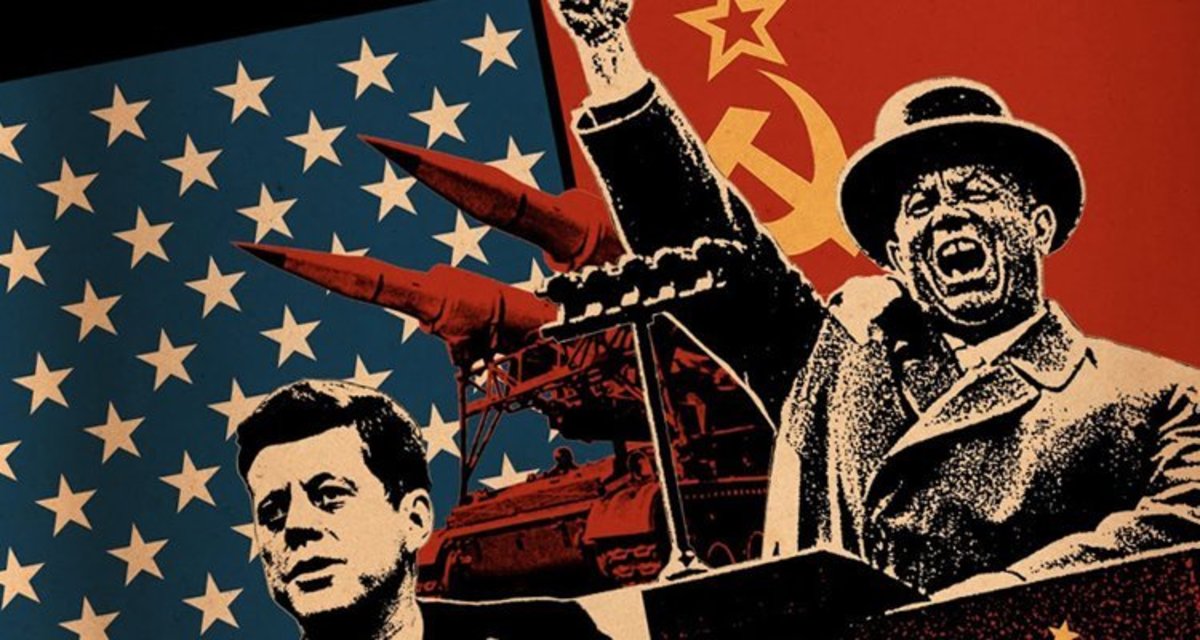
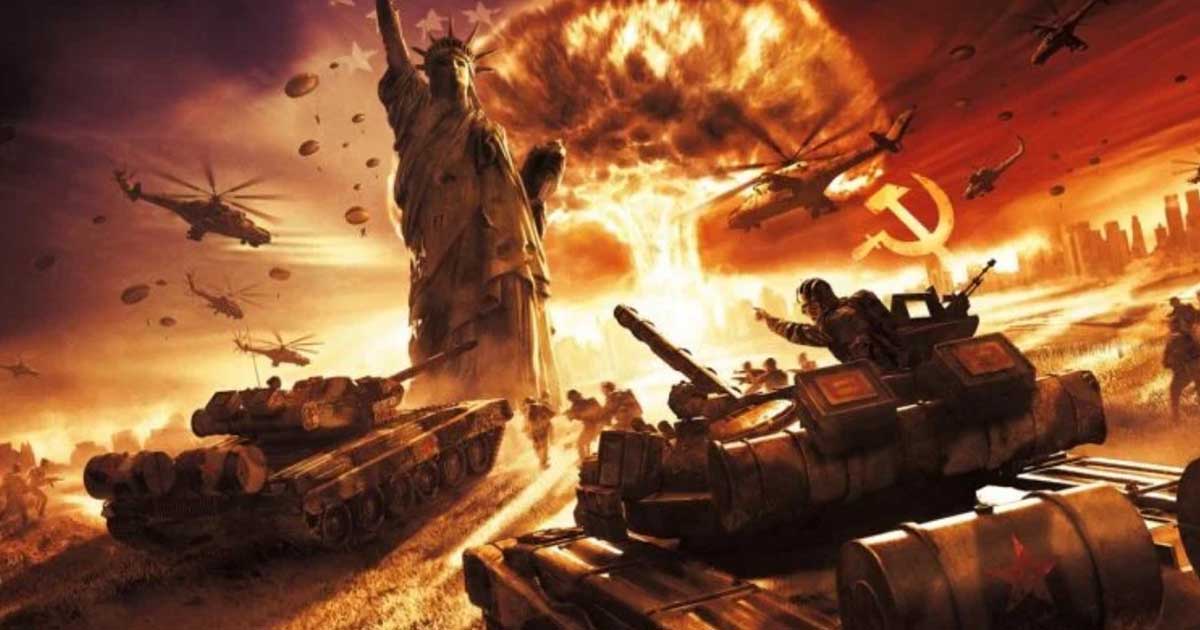
The aftermath of World War II did not bring peace of mind. Instead, the Cold War introduced a new kind of darkness: the constant threat of global annihilation. Nuclear weapons created a situation where human survival depended on restraint, luck, and imperfect systems.
For decades, societies lived under the shadow of possible nuclear war. Civil defense drills, fallout shelters, and propaganda shaped daily life. Proxy wars erupted across the globe, killing millions in conflicts fueled by superpower rivalry.
The fear was invisible but persistent. A single miscalculation could have ended civilization. The psychological toll of living with that possibility defined entire generations.
Genocides of the Modern Era
Even after the lessons of World War II, genocide did not disappear. The late 20th century witnessed mass killings in places such as Cambodia, Rwanda, and the Balkans. These events showed that extreme violence could still erupt rapidly under the right conditions.
In many cases, neighbors turned against neighbors. Political manipulation, ethnic division, and propaganda transformed ordinary people into participants in mass murder. International responses were often slow or ineffective, allowing atrocities to unfold in full view of the world.
These genocides remind us that darkness is not confined to distant history. It remains a possibility wherever fear, hatred, and unchecked power converge.
Why These Periods Matter
The darkest periods in human history are not anomalies. They are warnings. Each emerged from a combination of pressure, inequality, technological change, and human decisions. None were inevitable, yet all became catastrophes once certain lines were crossed.
Studying these eras is uncomfortable, but necessary. They reveal how quickly societies can unravel and how fragile progress truly is. More importantly, they show that survival and recovery were possible, even after unimaginable suffering.
Human history is not a straight path toward improvement. It is shaped by choices made under stress, fear, and uncertainty. Remembering the darkest periods is one way of recognizing what must never be repeated — and how easily it could be, if those lessons are forgotten.