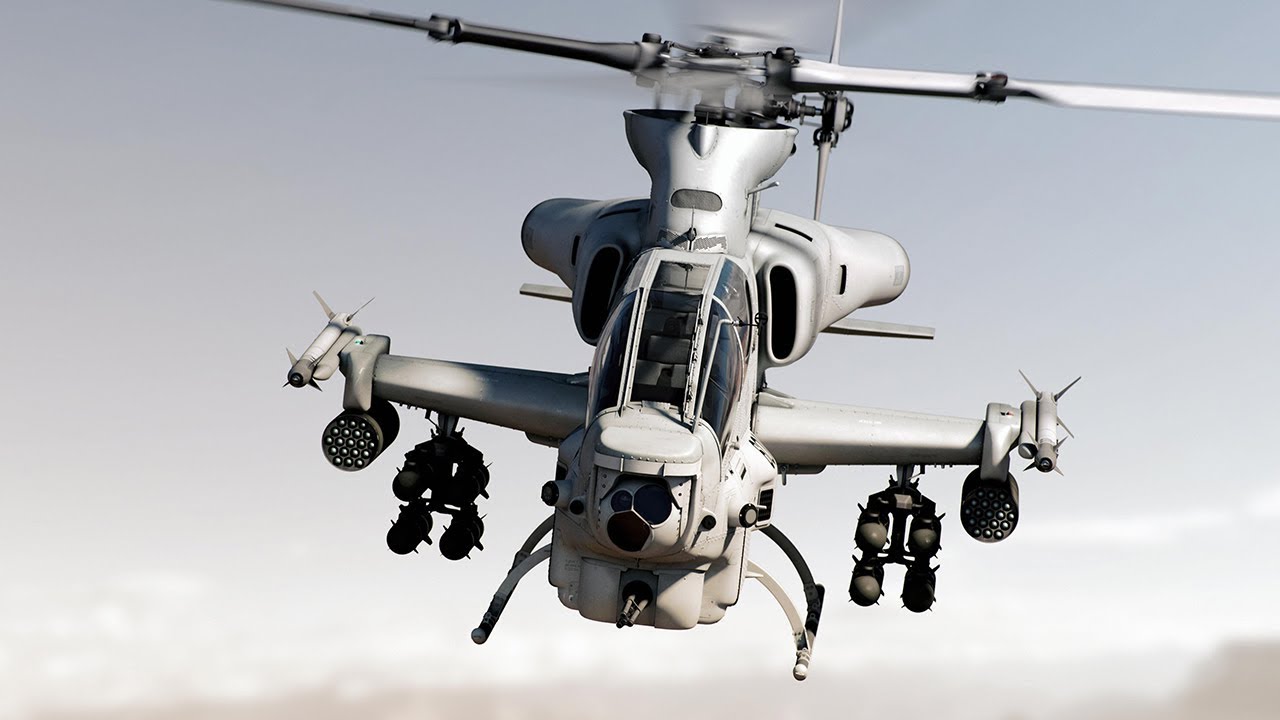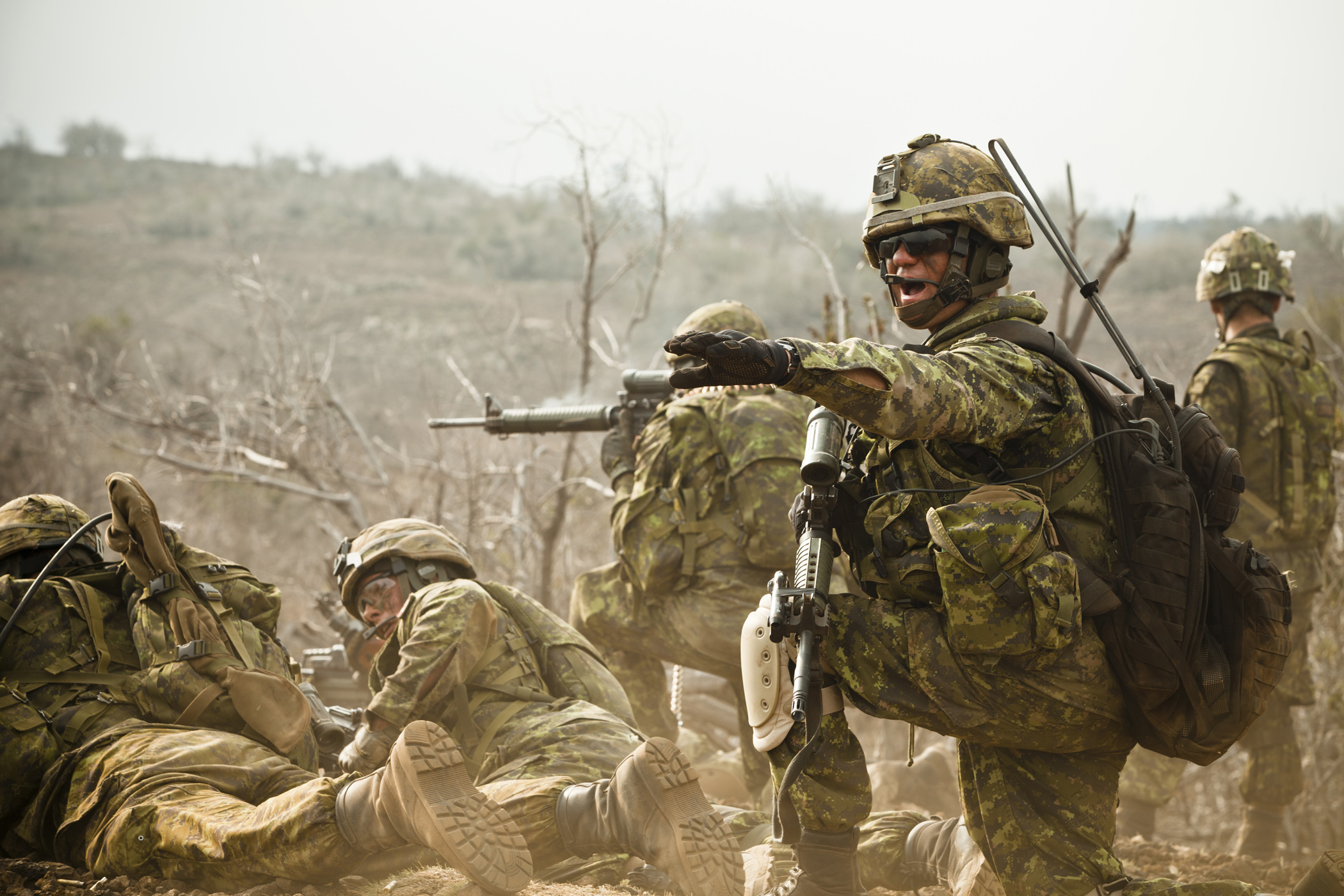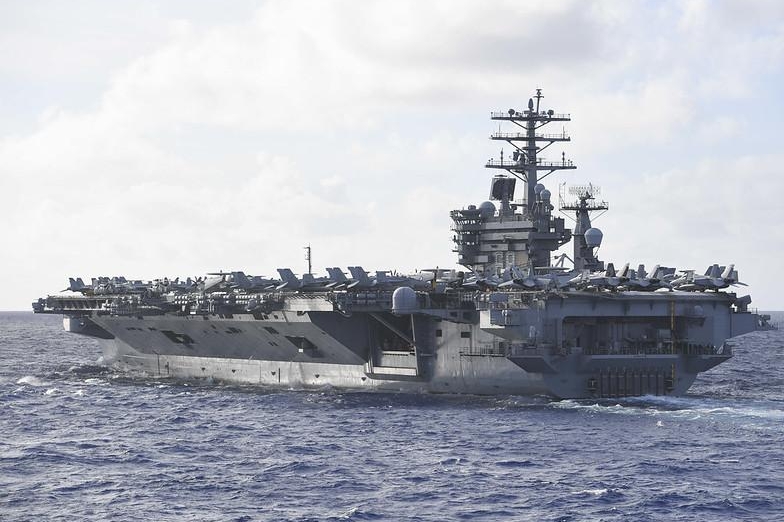

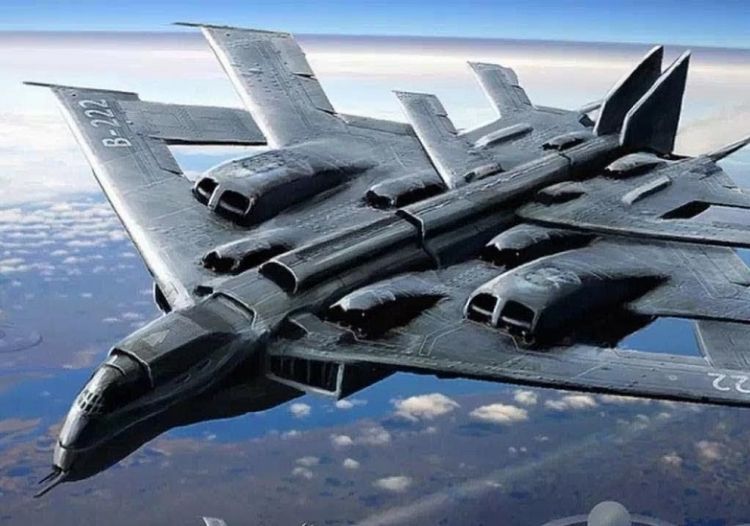
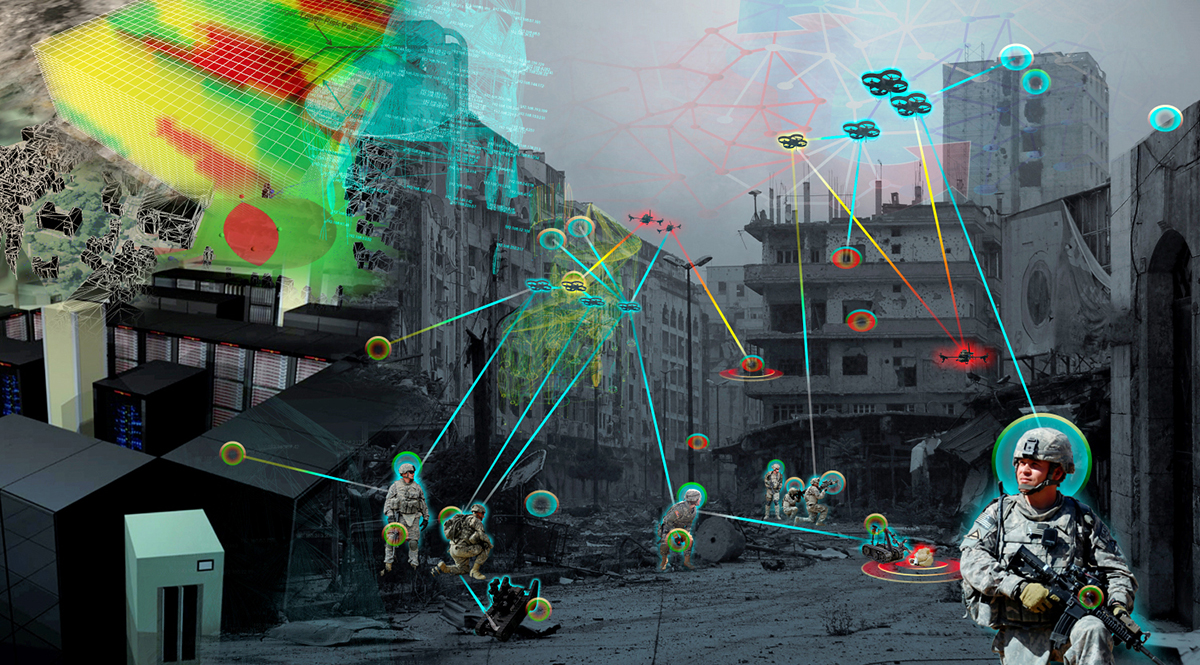
For most of military history, wars were shaped by numbers, geography, and raw firepower. Whoever had more soldiers, more weapons, or better terrain usually held the advantage. That logic is quietly breaking down. Modern warfare is no longer defined only by tanks, jets, and missiles, but by algorithms running silently behind screens—an invisible layer of decision-making that never sleeps, never panics, and never forgets.
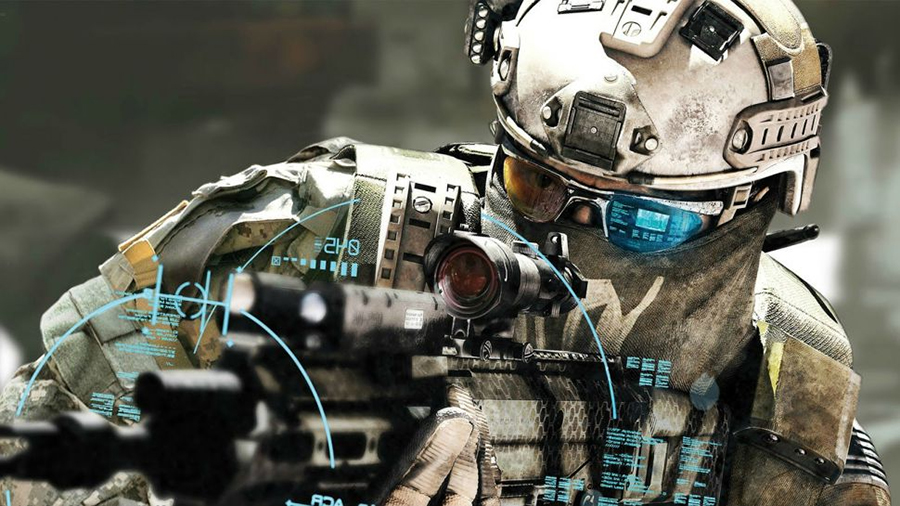
Modern warfare is undergoing a quiet but profound transformation. While headlines often focus on troop movements, geopolitical tensions, and conventional weapons, much of the real change is happening far from the battlefield, inside research facilities, laboratories, and testing grounds. As instability grows across multiple regions of the world, military planners are increasingly convinced that technological superiority—not sheer force—will define success in future conflicts. This belief has pushed military research and development into a period of renewed urgency, with massive investments aimed at reshaping how wars are fought, deterred, and prevented.

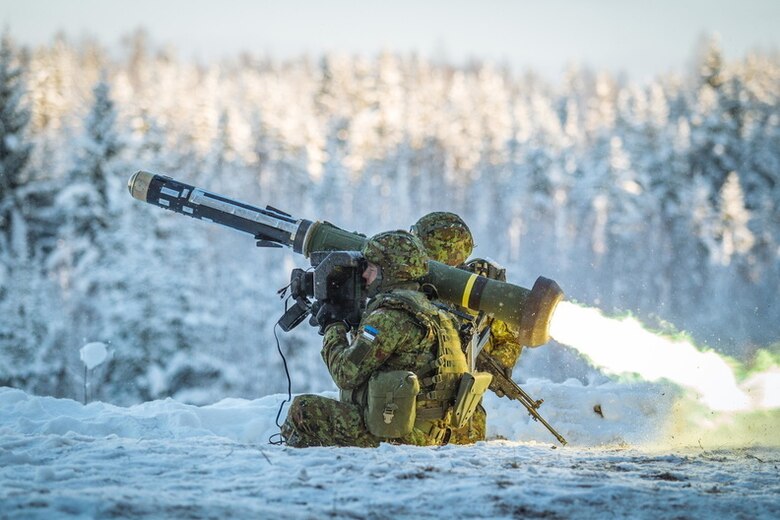
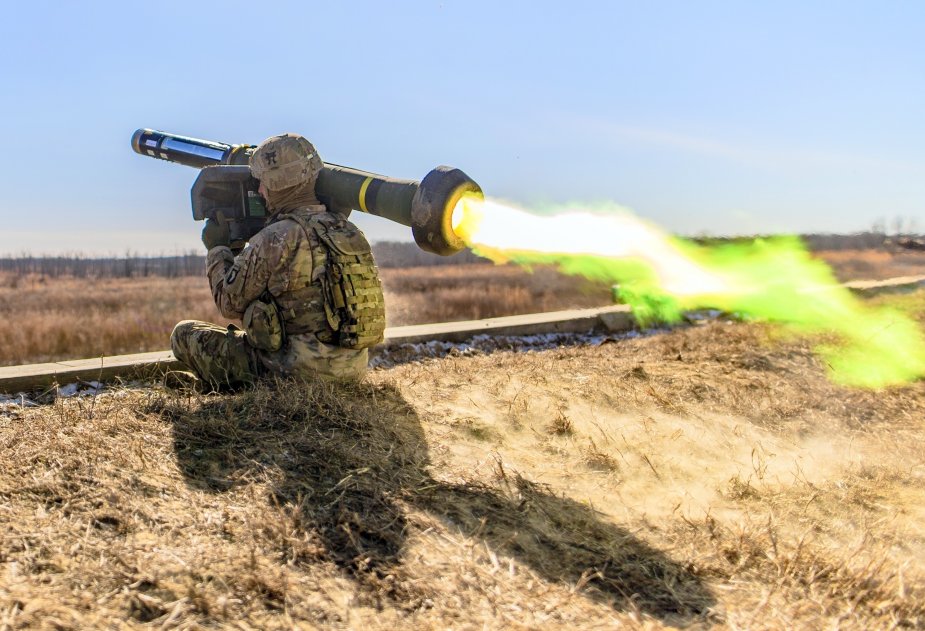
Anti-tank guided missiles were created to give infantry forces the ability to defeat heavily armored vehicles without relying on aircraft, artillery, or large armored platforms. Over time, these weapons evolved from simple wire-guided systems into highly sophisticated precision tools capable of striking from above, operating autonomously after launch, and defeating advanced protective systems found on modern main battle tanks.

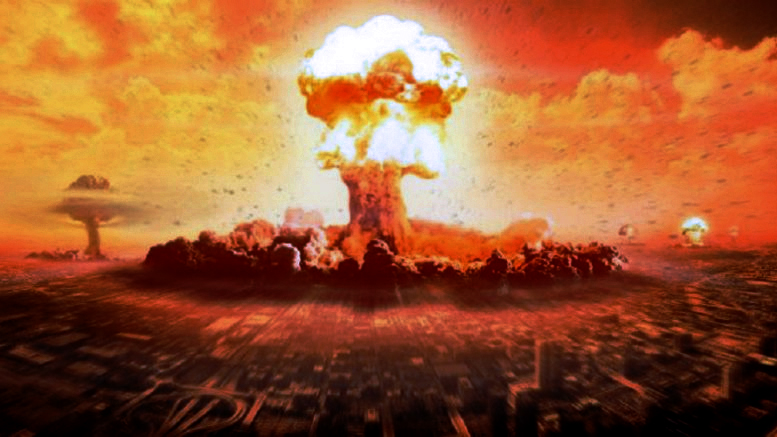
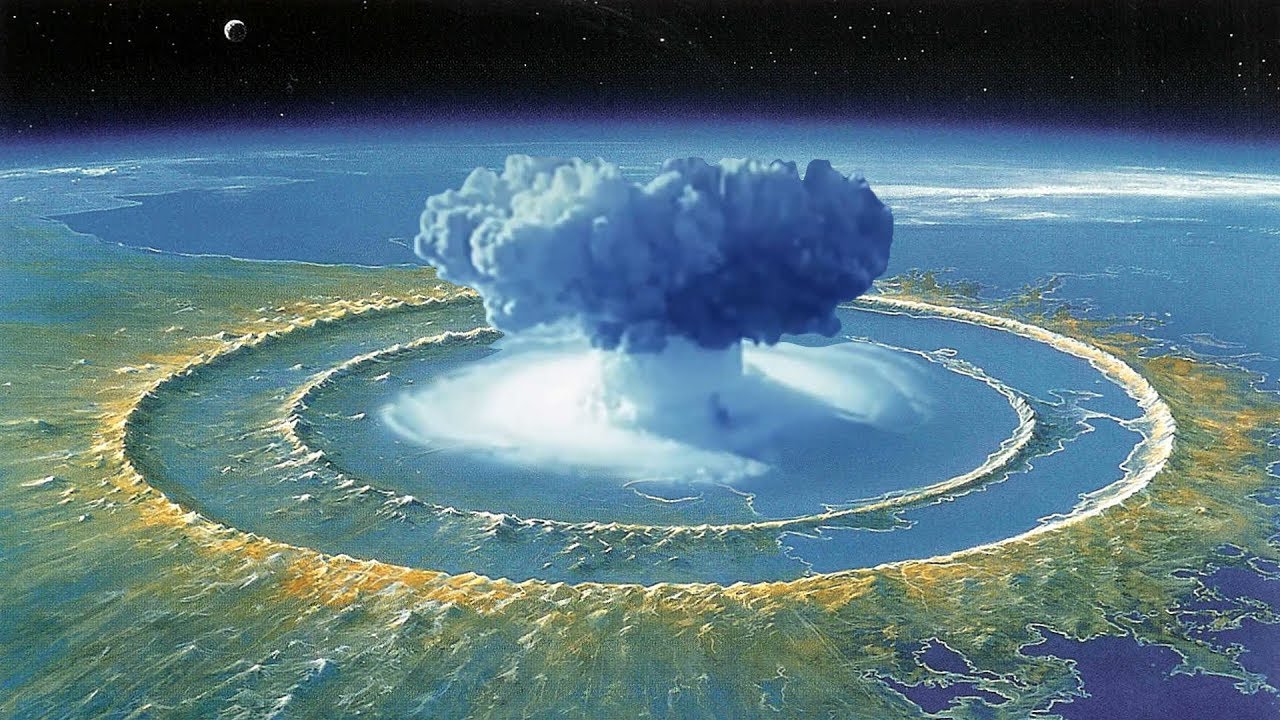
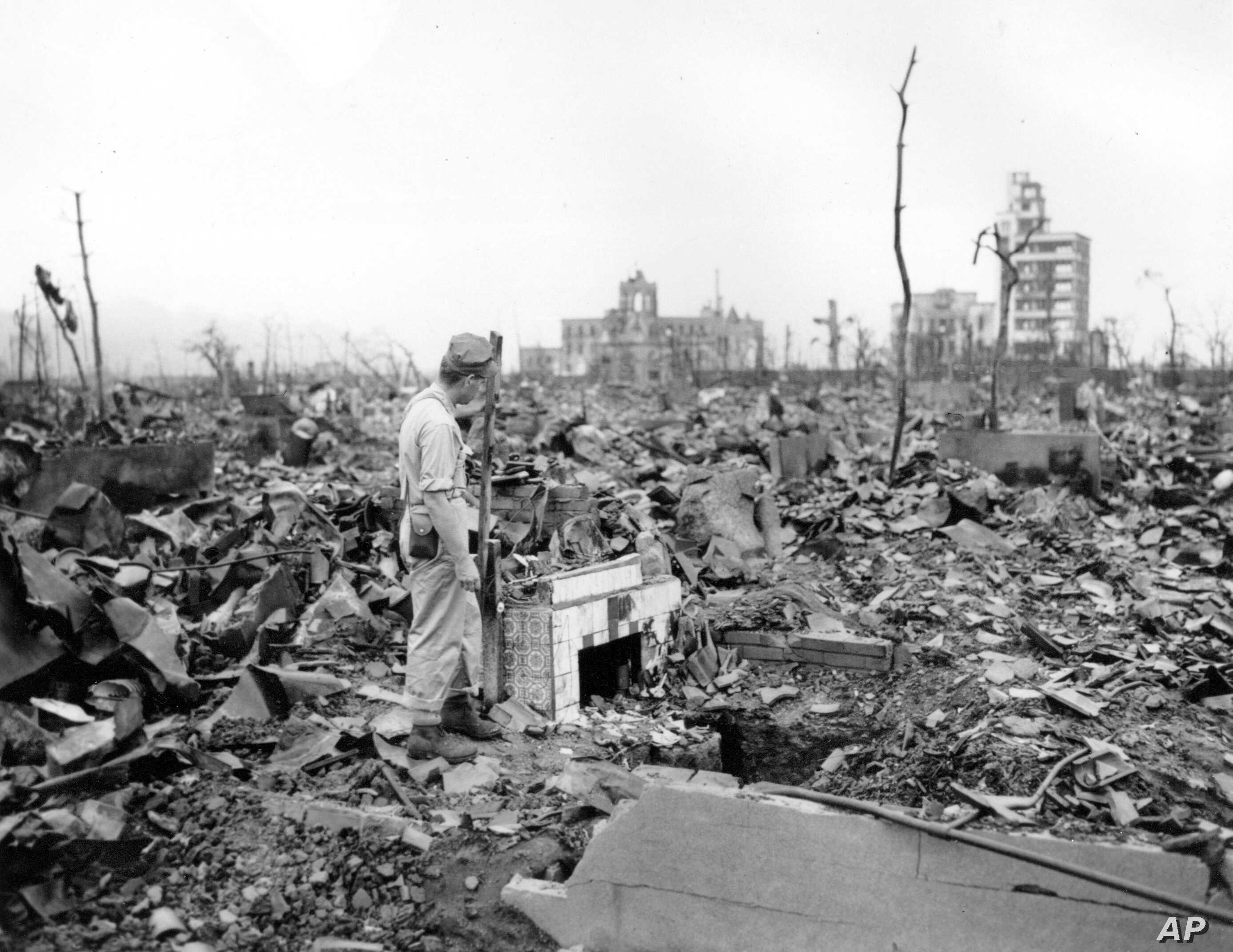
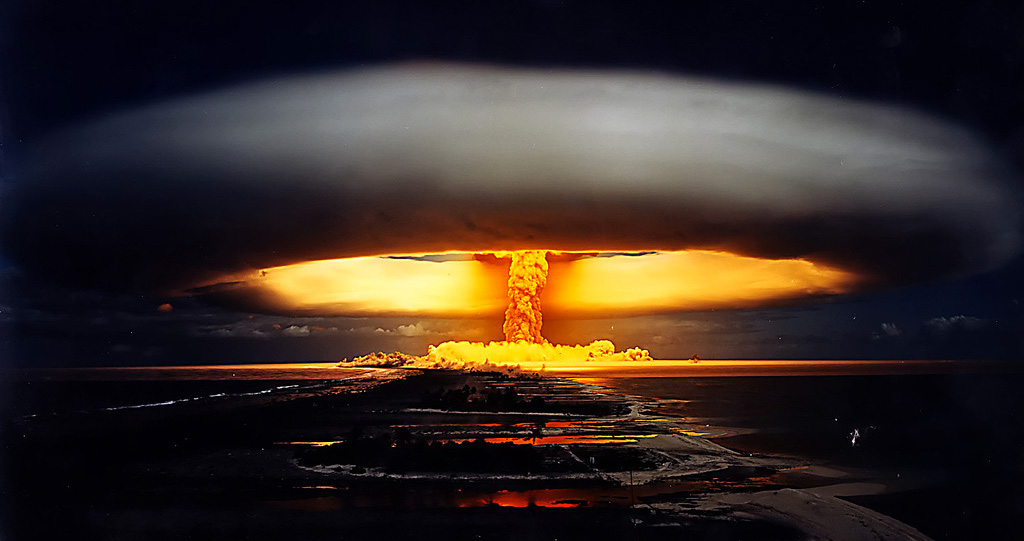
The story of the world’s most powerful nuclear weapons is inseparable from the fears, ambitions, and rivalries of the twentieth century. These devices were not created in a vacuum, nor were they designed purely for military practicality. They emerged from an era defined by existential anxiety, when global powers believed that survival depended on possessing weapons so devastating that no enemy would dare strike first. In that environment, explosive yield became a kind of currency, a measurable symbol of national strength, technological superiority, and political resolve.

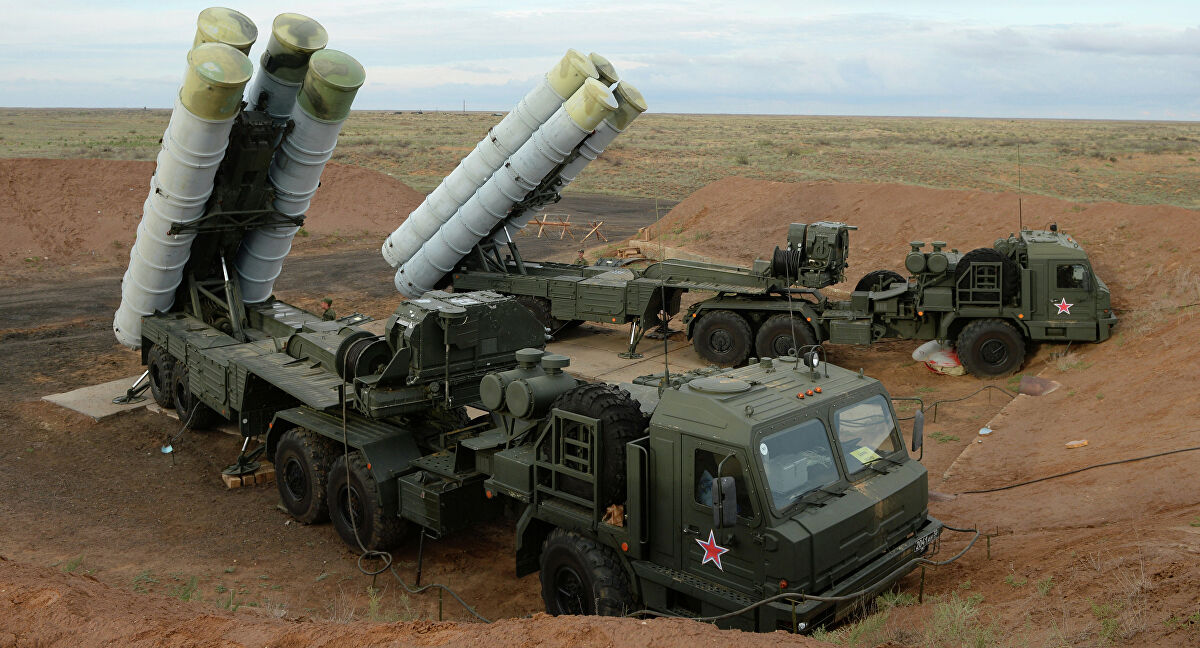
Modern military power is no longer defined only by the size of armies or the number of missiles in storage. It is shaped by how quickly a country can adapt technology to real-world conditions, how effectively it can combine automation with human control, and how well its systems perform when traditional assumptions about warfare no longer apply. In this environment, recent Russian military technologies reflect a clear focus on practicality, survivability, and operational flexibility rather than spectacle or abstract futurism.

The previous month, the National Nuclear Security Administration, the modern successor to what was once known as the Atomic Energy Commission, confirmed that the first unit of a new class of strategic nuclear weapons had completed production at the Pantex nuclear weapons facility in the Texas Panhandle. The warhead in question, designated the W76-2, was built specifically for deployment aboard submarine-launched Trident missiles, platforms capable of traveling more than 7,500 miles from their launch point. Within a matter of months, a number of these warheads—how many remains undisclosed—were scheduled for transfer to the U.S. Navy, where they would be integrated into active operational systems.

Share on Social Networks

Editor's Pick