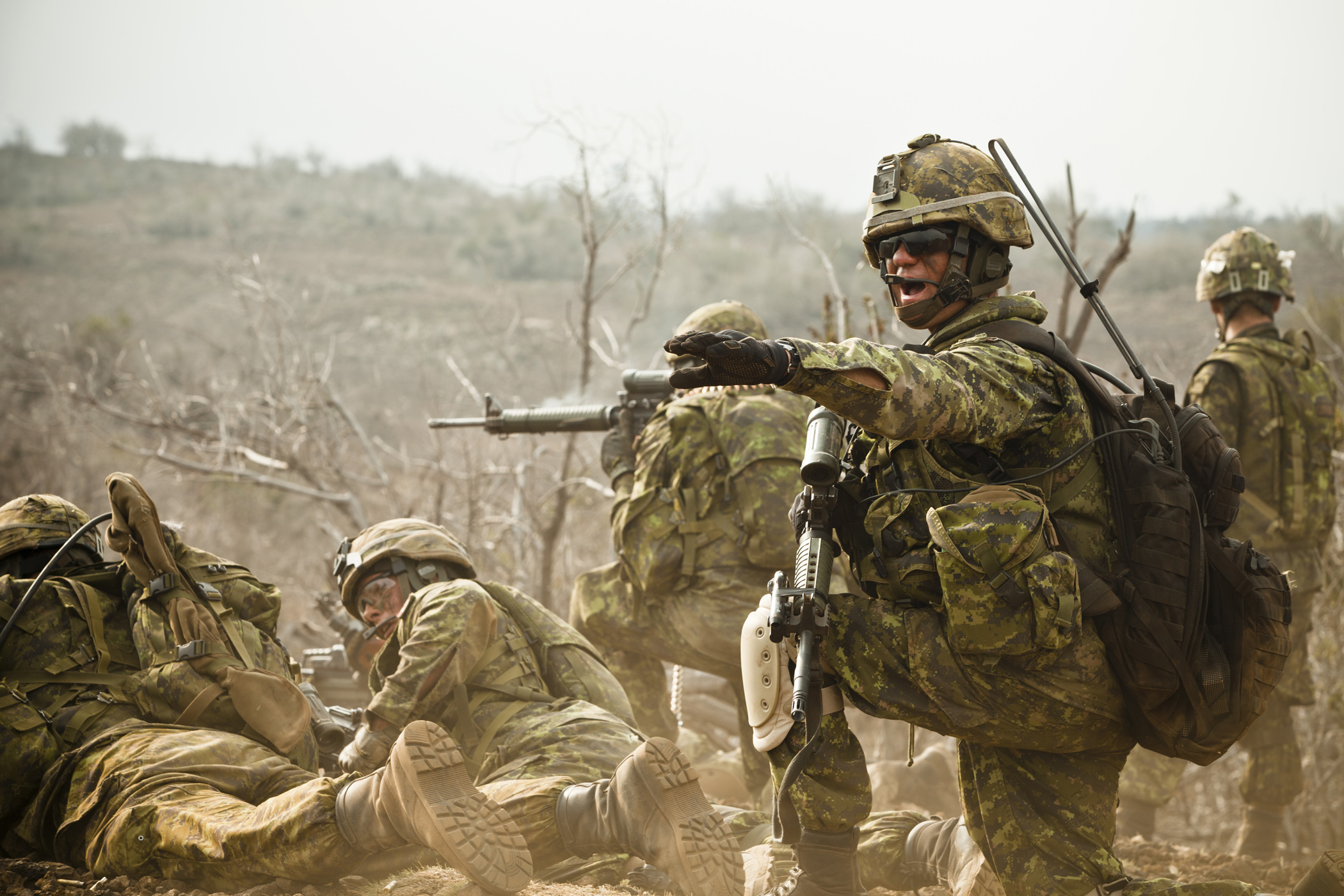
Comparing the strength of modern armies has never been simple, and in recent years it has become even more complex. Military power today is no longer measured only by how many soldiers or tanks a country has. Air dominance, naval reach, logistics, cyber capabilities, industrial output, and the ability to sustain long operations now matter just as much as raw numbers. This is why global military rankings continue to attract attention: they attempt to translate dozens of different factors into a single picture of power.
In the most recent assessments heading into 2026, the balance at the very top has not dramatically changed, but the gap between major powers has narrowed in important areas. The United States still sits at the top, yet China continues to close technological and industrial gaps, while Russia remains one of the most heavily armed nations on Earth despite economic and strategic pressures. India, meanwhile, has firmly established itself as a top-tier military power, especially in terms of manpower and regional reach.
Rather than simple head-to-head comparisons, modern rankings evaluate dozens of elements at once, from defense spending and force readiness to geography and domestic arms production. The result is a more realistic picture of how powerful armies actually are in the real world.
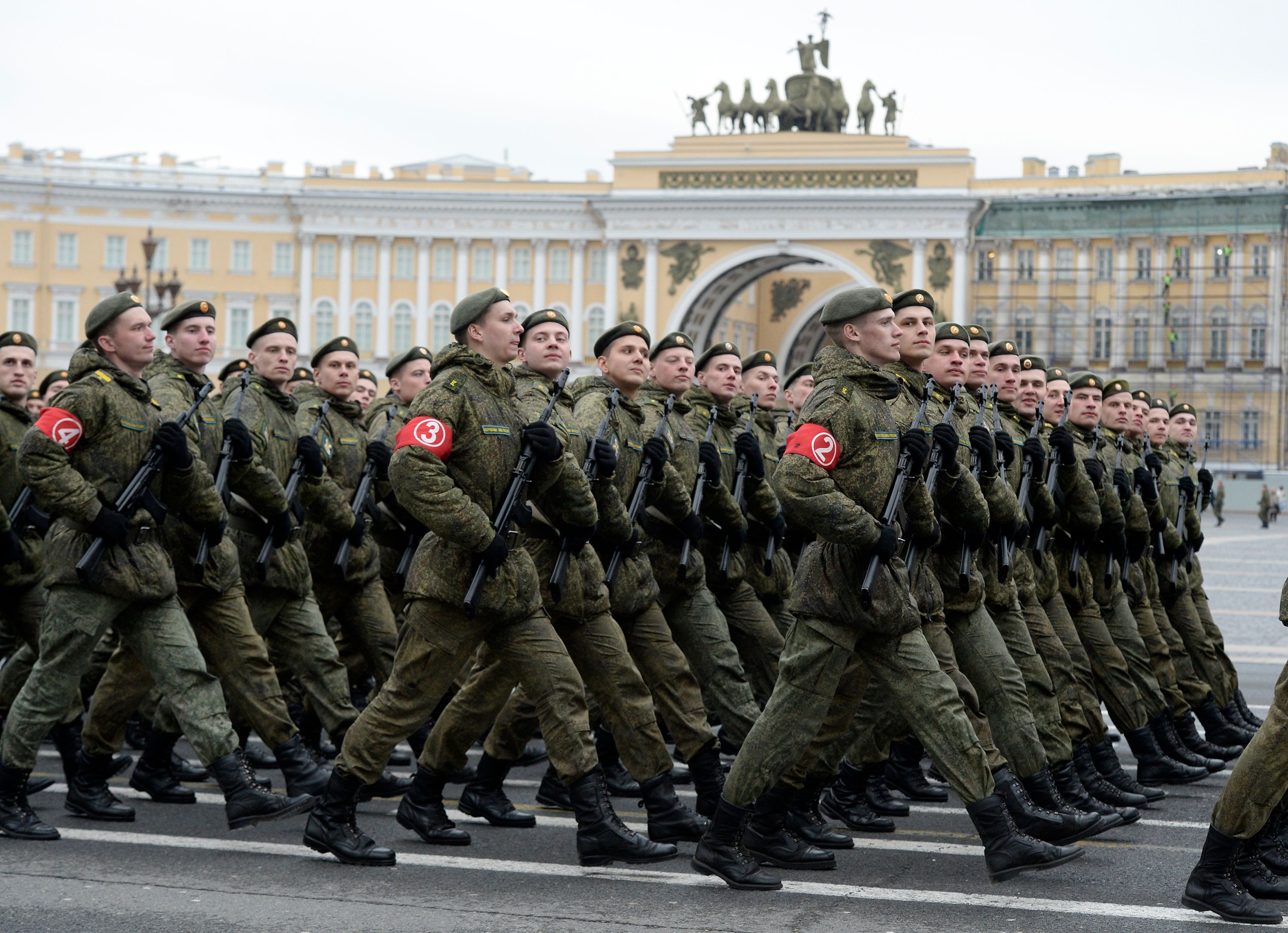
The Most Powerful Armies in the World
How Military Power Is Measured Today
Global military rankings now rely on a wide range of indicators. These include active and reserve personnel, airpower strength, naval assets, armored forces, defense budgets, logistical infrastructure, access to natural resources, and geographic position. Industrial capacity and the ability to replace losses during prolonged conflict have become especially important lessons in recent years.
By combining all of these elements, analysts generate a Power Index score that reflects overall capability rather than dominance in a single category. Lower scores indicate greater overall strength, but even small differences can hide major qualitative gaps between forces.
United States
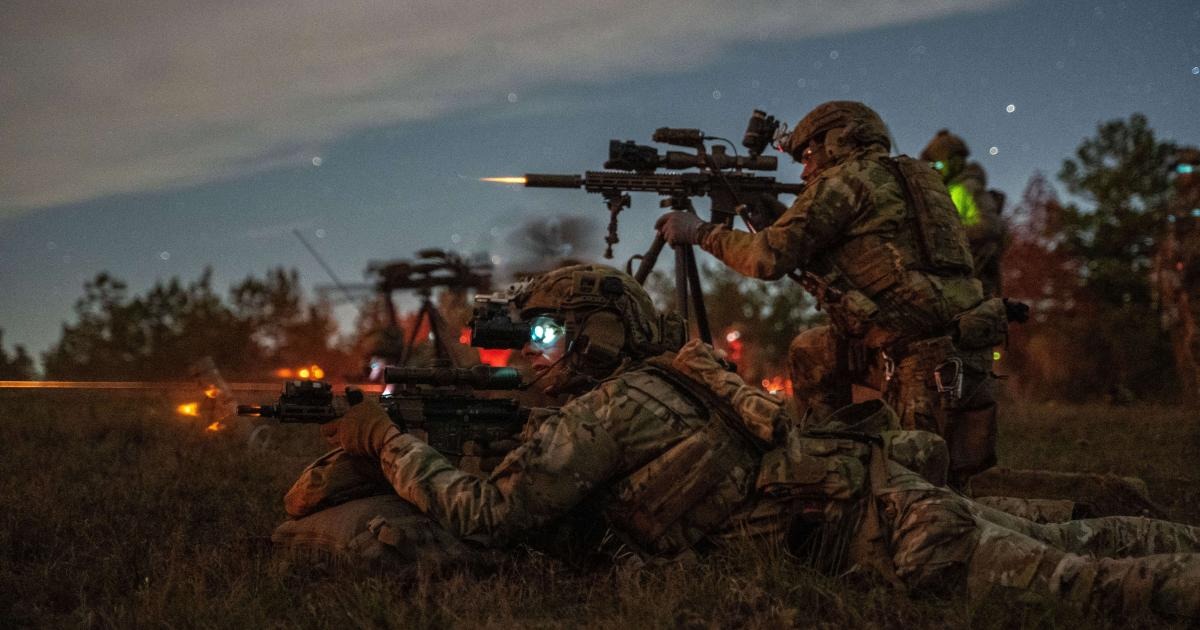
The United States continues to rank as the most powerful military force in the world as we approach 2026. Its advantage lies not only in scale, but in reach. No other country operates on the same global level, with permanent military presence, alliances, and logistics networks spanning nearly every region.
American military strength is built around unmatched airpower and naval dominance. The U.S. Air Force and Navy together field the largest and most advanced combat aviation force on Earth, supported by long-range bombers, aerial refueling fleets, and global intelligence systems. At sea, the United States maintains the world’s largest and most capable carrier fleet, giving it the ability to project power far beyond its borders.
In terms of manpower, total military personnel number in the millions when active, reserve, and support elements are combined. Technological leadership remains a key advantage, with ongoing investment in stealth aircraft, missile defense, space systems, and cyber warfare. Even with rising competition, the United States remains the benchmark against which all other militaries are measured.
Russia
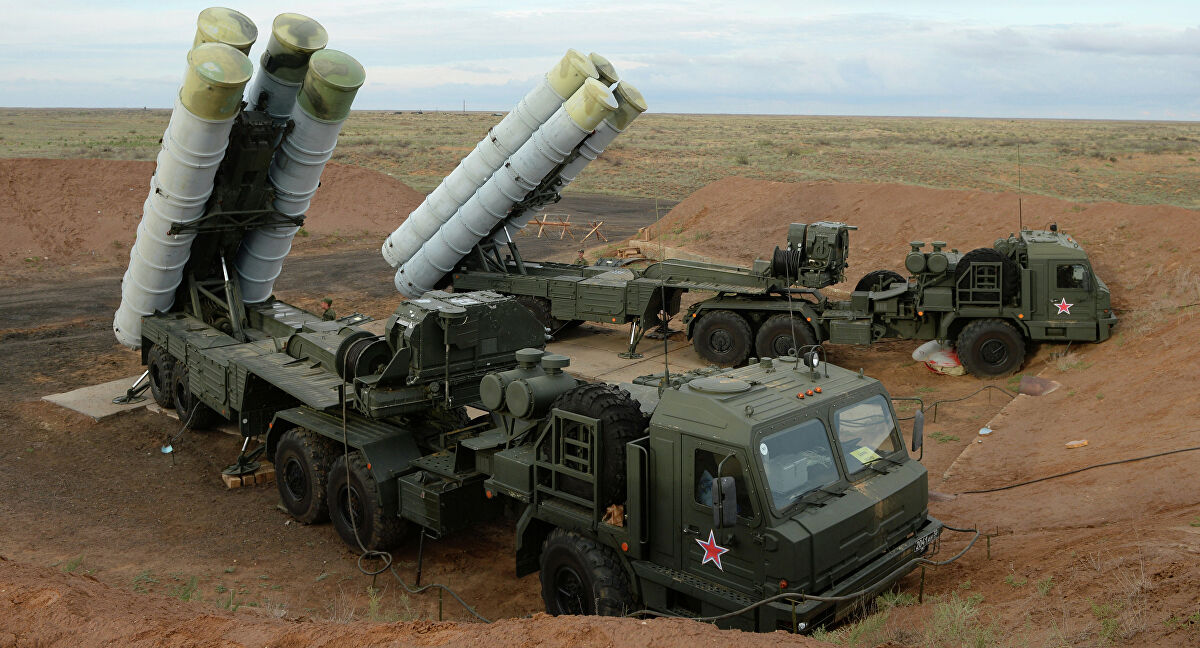
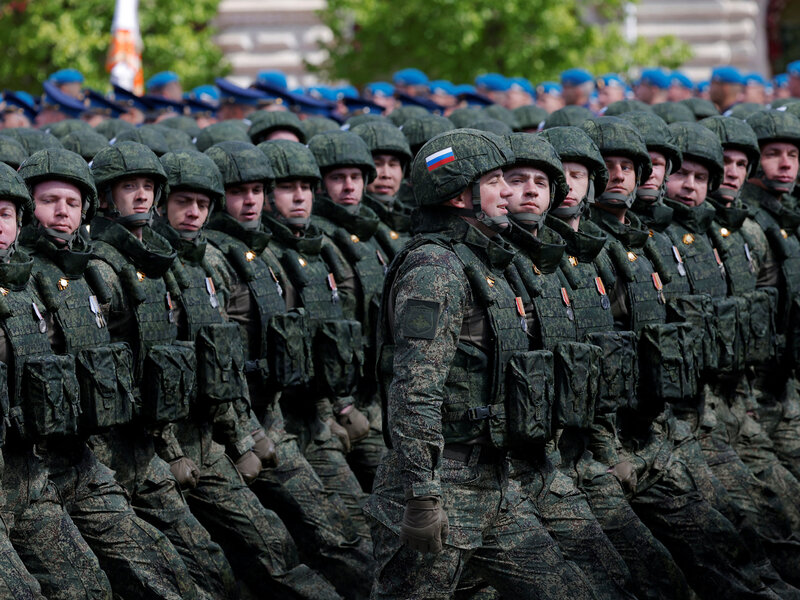
Russia continues to hold its place among the world’s strongest armed forces, largely due to the sheer scale of its military assets and its emphasis on land warfare and strategic weapons. While modernization efforts face challenges, Russia remains one of the most heavily armed nations in terms of tanks, artillery, and missile systems.
Russian military doctrine places heavy emphasis on ground forces and layered air defense. The country fields one of the largest armored fleets in the world and maintains extensive rocket and artillery units designed for high-intensity conflict. Its experience in recent conflicts has reshaped training and operational doctrine, reinforcing the importance of logistics, drones, and electronic warfare.
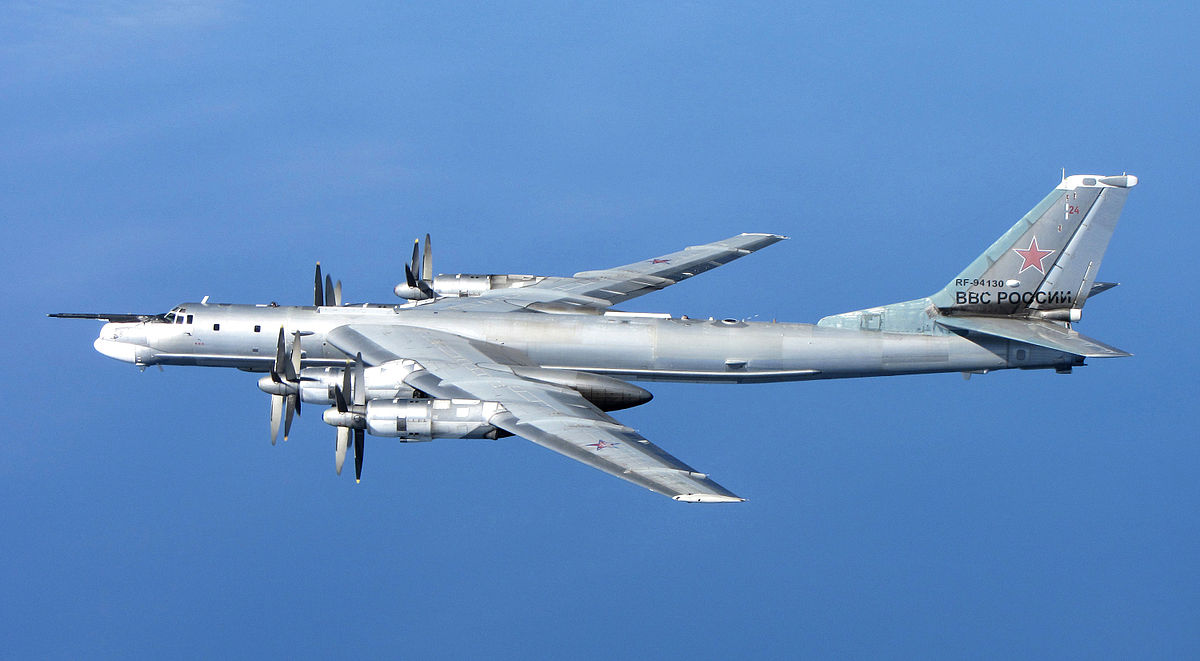
Perhaps Russia’s most significant source of military power is its strategic arsenal. It remains one of only two countries with a full nuclear triad, providing land-based, sea-based, and air-launched deterrence capabilities. This alone ensures that Russia will continue to rank among the top global military powers regardless of conventional limitations.
China
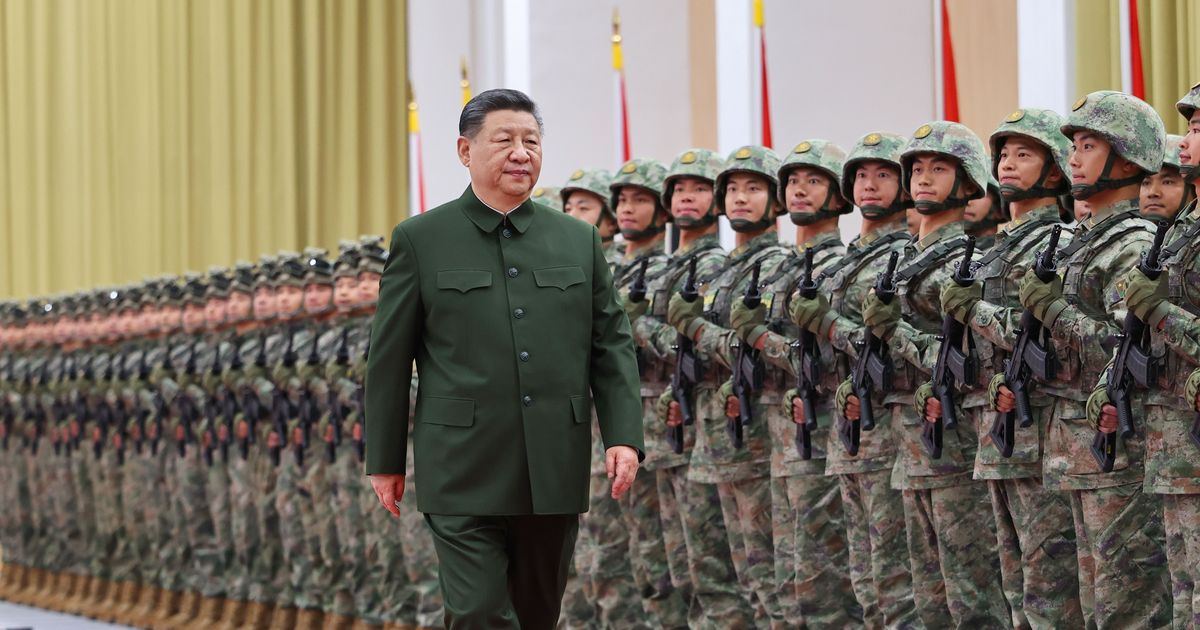
China’s military growth has been one of the most defining trends of the past decade, and by 2026 it stands firmly among the world’s top three armed forces. The People’s Liberation Army has undergone massive restructuring, shifting from a manpower-heavy force to a technology-driven military built for modern warfare.
China fields the largest standing military in the world, supported by a rapidly expanding domestic defense industry. Its air force now operates advanced fighter aircraft, long-range strike platforms, and sophisticated missile systems. At sea, the Chinese navy has become the largest in the world by ship count, with an expanding fleet of destroyers, submarines, and aircraft carriers.
Armored forces remain substantial, though China’s focus has increasingly shifted toward precision weapons, anti-access systems, and integrated command networks. By combining industrial scale with rapid technological development, China has transformed from a regional power into a military force with global implications.
India
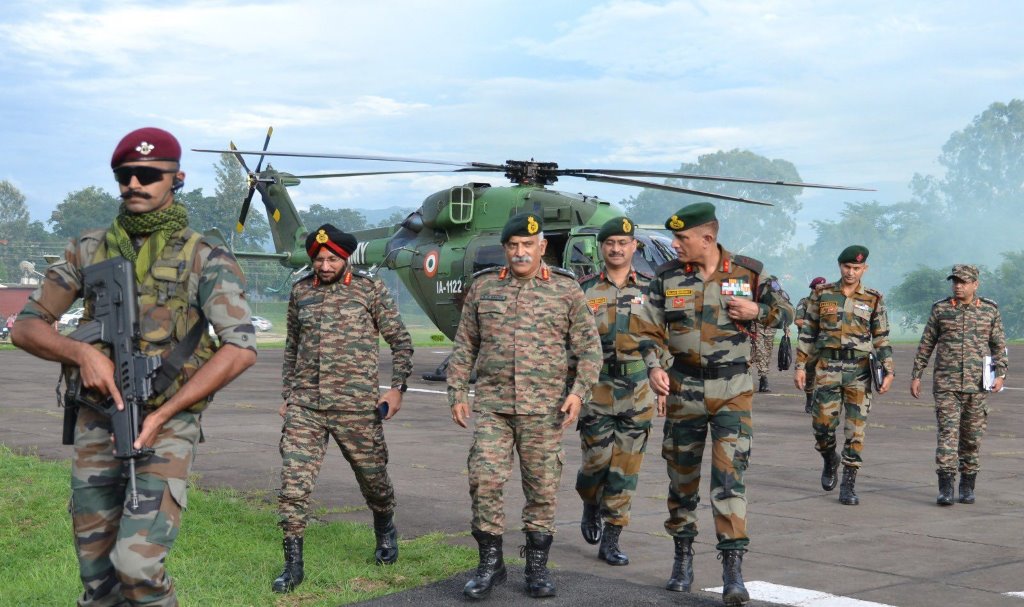
India firmly occupies its place among the world’s top military powers as of 2026. With one of the largest pools of military personnel globally, India’s strength lies in both manpower and growing modernization across all branches of its armed forces.
The Indian Army remains one of the largest in the world, supported by extensive reserves and experience operating in diverse terrain, from high mountains to deserts and coastlines. India’s air force continues to modernize with multirole fighters, improved surveillance platforms, and expanding missile capabilities. At sea, the Indian Navy has increased its focus on blue-water operations, carrier aviation, and regional security in the Indian Ocean.
India’s defense industry has also taken major steps forward, reducing reliance on imports while increasing domestic production. This shift has strengthened long-term sustainability and placed India on a more equal footing with other top-tier military powers.
Japan
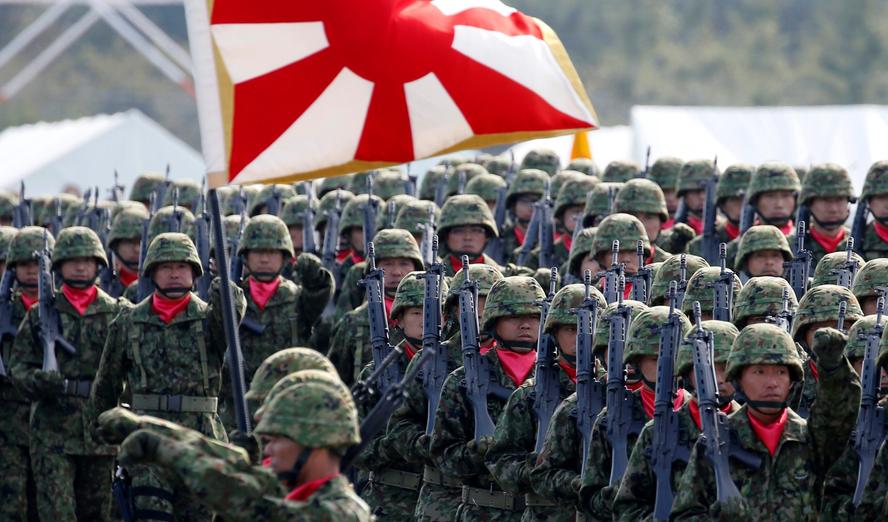
Japan remains one of the most technologically advanced military powers in the world, even though its armed forces are officially structured around defense rather than expeditionary warfare. Heading into 2026, Japan’s Self-Defense Forces are among the most modern and well-trained in Asia, shaped by regional security pressures and a strong alliance framework.
Japan’s strength lies in air and naval power. Its air force operates highly advanced fighter aircraft, early-warning systems, and missile defense networks designed to counter regional threats. At sea, Japan fields a powerful fleet of destroyers, submarines, and multi-role vessels capable of operating across the western Pacific. While its armored forces are relatively small, Japan compensates with precision, technology, and rapid response capability.
Ongoing constitutional reinterpretations and defense reforms have gradually expanded Japan’s military role, focusing on deterrence, missile defense, and regional stability rather than large-scale ground warfare.
South Korea
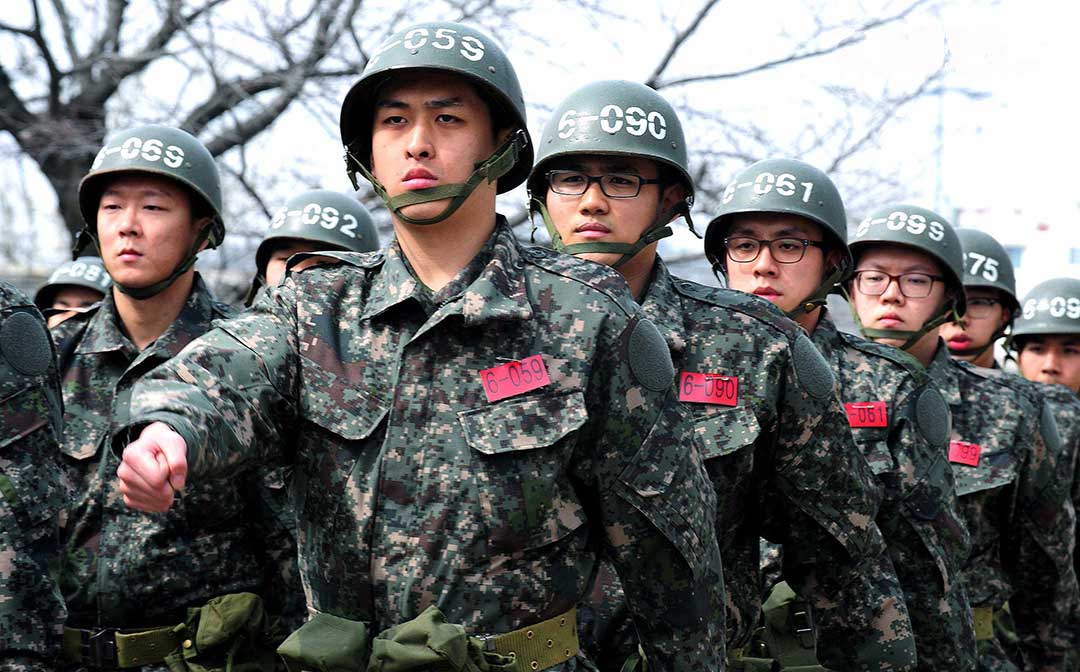
South Korea continues to rank among the world’s most powerful militaries due to its readiness, manpower, and technological sophistication. Facing a constant security threat to the north, the country maintains one of the highest levels of military preparedness globally.
South Korea fields a large standing force supported by a massive reserve system. Mandatory service ensures a steady supply of trained personnel, while continuous modernization keeps equipment up to date. The air force operates advanced fighter jets and surveillance platforms, and the navy continues to expand its blue-water capabilities.
One of South Korea’s key strengths is its domestic defense industry. From armored vehicles and artillery to naval vessels and missile systems, local production gives the country flexibility and resilience in long-term defense planning.
France
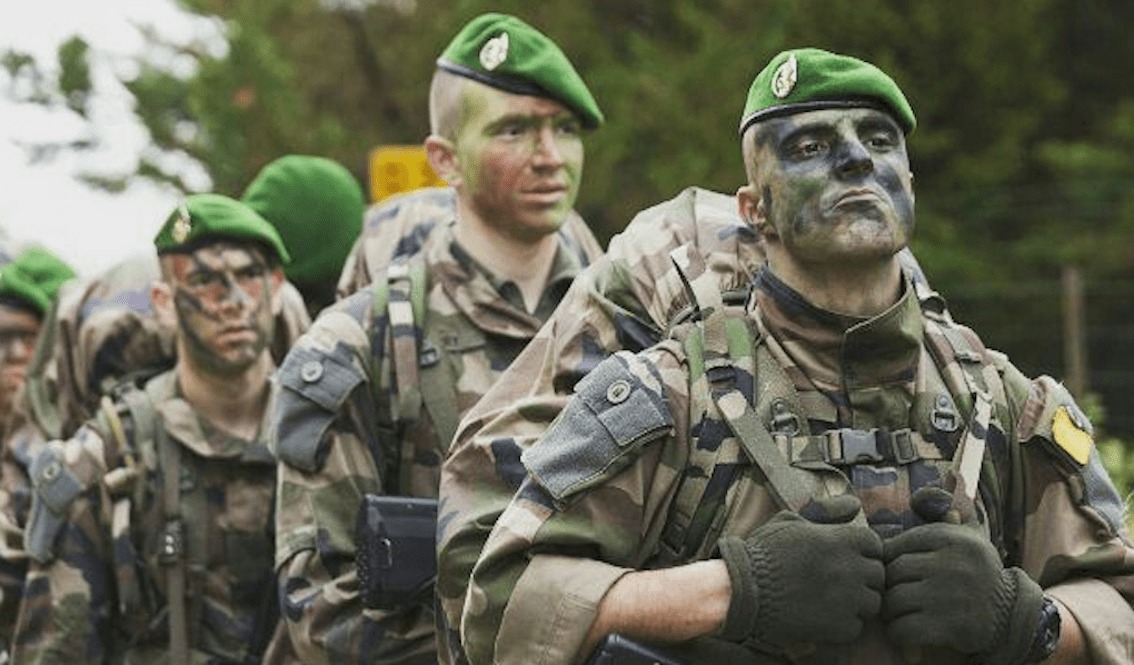
France remains one of Europe’s most capable and self-sufficient military powers. Its armed forces are structured for rapid deployment, overseas operations, and independent strategic action. As a nuclear-armed nation, France maintains a full-spectrum military that includes land, air, sea, and strategic deterrence forces.
French military strength is built on professional forces rather than mass manpower. Advanced fighter aircraft, carrier-based aviation, nuclear submarines, and precision strike capabilities give France a global reach disproportionate to its size. The country also retains the industrial capacity to design and produce nearly all of its major weapons systems domestically.
France’s ability to operate independently, without relying entirely on allied support, keeps it firmly among the world’s top military powers.
United Kingdom
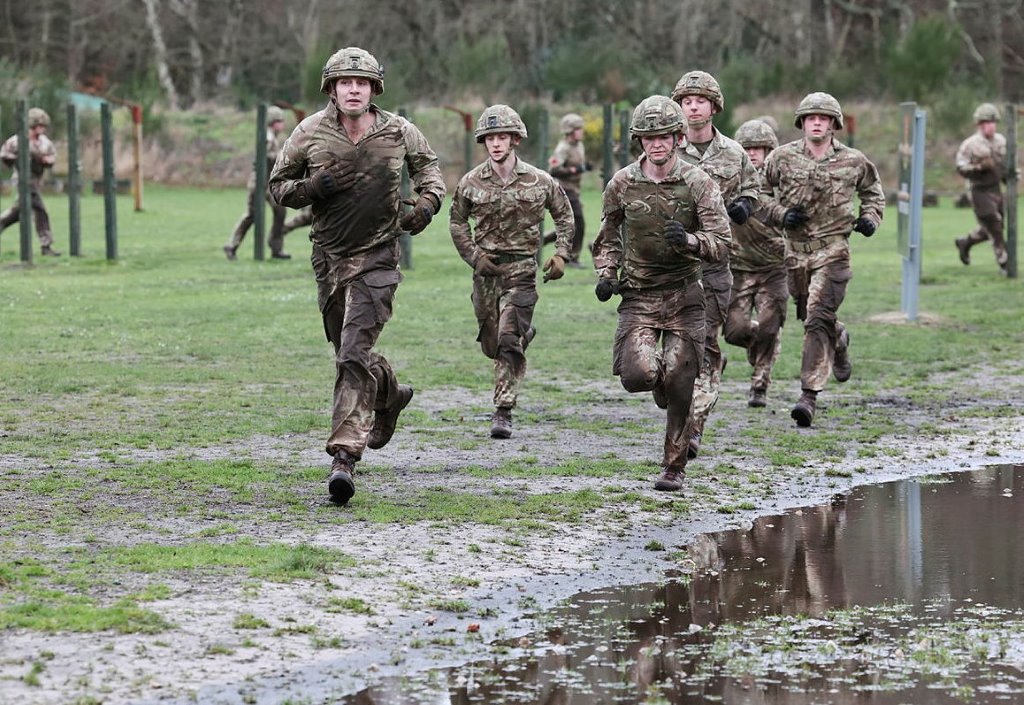
The United Kingdom continues to rank among the strongest armed forces globally, despite maintaining a relatively smaller active force compared to major continental powers. Quality, training, and global reach define British military strength more than sheer numbers.
The Royal Navy remains central to Britain’s military posture, particularly with its modern aircraft carriers and nuclear submarine fleet. The air force operates advanced multirole fighters and surveillance assets, while the army emphasizes mobility, professionalism, and interoperability with allied forces.
Although long-term defense reforms continue to reshape force structure, Britain’s strategic deterrent, global alliances, and expeditionary capability ensure its place among the world’s leading militaries.
Global Military Power Overview (2026)
| Rank | Country | Global Military Status | Core Strengths |
|---|---|---|---|
| 1 | United States | Global Superpower | Worldwide force projection, largest defense budget, dominant air & naval power, nuclear triad |
| 2 | China | Rising Superpower | Massive manpower, world’s largest navy by ship count, advanced missiles, strong industrial base |
| 3 | Russia | Strategic Military Power | Nuclear deterrence, artillery and armor scale, air defense systems, missile forces |
| 4 | India | Regional Superpower | Huge manpower reserves, growing navy and air force, expanding domestic defense industry |
| 5 | Japan | Advanced Defensive Power | High-tech air and naval forces, missile defense, strong maritime control |
| 6 | South Korea | High-Readiness Military | Large active and reserve forces, advanced domestic weapons production |
| 7 | France | Full-Spectrum Military | Nuclear weapons, global deployment capability, carrier aviation |
| 8 | United Kingdom | Expeditionary Power | Modern navy, nuclear submarines, elite professional forces |
| 9 | Turkey | Regional Military Power | Large standing army, drone warfare leadership, strategic geography |
| 10 | Germany | European Military Power | Strong industrial base, modern equipment, NATO backbone |
| 11 | Italy | Balanced Armed Forces | Strong navy and air force, Mediterranean reach |
| 12 | Israel | High-Tech Military Power | Advanced air force, missile defense, intelligence dominance |
| 13 | Iran | Regional Deterrence Power | Large missile arsenal, asymmetric warfare capability |
| 14 | Pakistan | Nuclear-Armed Regional Power | Large army, strategic deterrence, regional focus |
| 15 | Brazil | South American Leader | Large manpower, growing defense industry, regional influence |
Emerging and Regional Powers
Beyond the top tier, several nations continue to rise in military importance as regional powers. Countries such as Turkey, Italy, Germany, Iran, Pakistan, and Israel maintain armed forces that may not rival global superpowers but are highly capable within their strategic environments.
Turkey has expanded its military influence through modernization and drone warfare, while Germany and Italy remain central to European defense structures. Iran and Pakistan rely on large forces and missile capabilities to project regional power, and Israel continues to punch far above its weight through technology, intelligence, and rapid response capacity.
These nations play critical roles in regional balances of power and can heavily influence wider geopolitical outcomes.
At the Bottom of the Rankings
At the opposite end of global rankings are countries with limited military capacity, often due to economic constraints, geography, or political instability. Nations such as Bhutan and Liberia possess minimal armed forces focused primarily on internal security rather than external defense.
While these countries rank low in global power indexes, military strength alone does not define national security. Diplomacy, neutrality, and international cooperation often play a larger role in ensuring stability for smaller states.
What These Rankings Really Mean
Military rankings offer useful insight, but they are not predictions of victory or defeat. Real conflicts depend on leadership, alliances, geography, public support, logistics, and the ability to adapt under pressure. Recent history has shown that numerical superiority does not guarantee success, and smaller forces can resist larger ones through strategy, resilience, and innovation.
As the world moves toward 2026 and beyond, the definition of military power continues to evolve. Cyber warfare, space systems, drones, and artificial intelligence are reshaping how wars are fought. Countries that successfully integrate these tools while maintaining conventional strength will define the next era of global military balance.
The most powerful armies in the world are not just those with the biggest numbers, but those capable of sustaining force, adapting to change, and operating effectively across every domain of modern warfare.