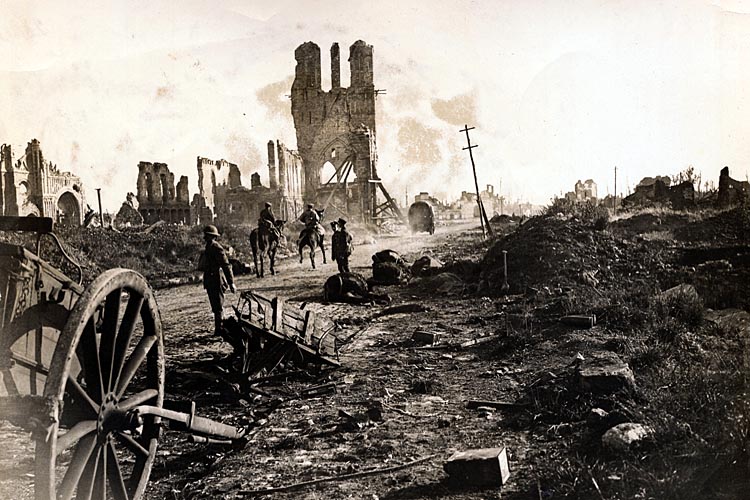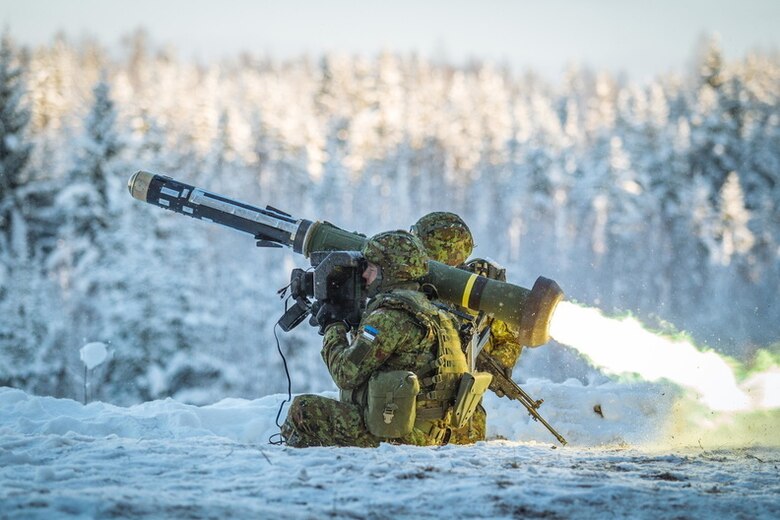

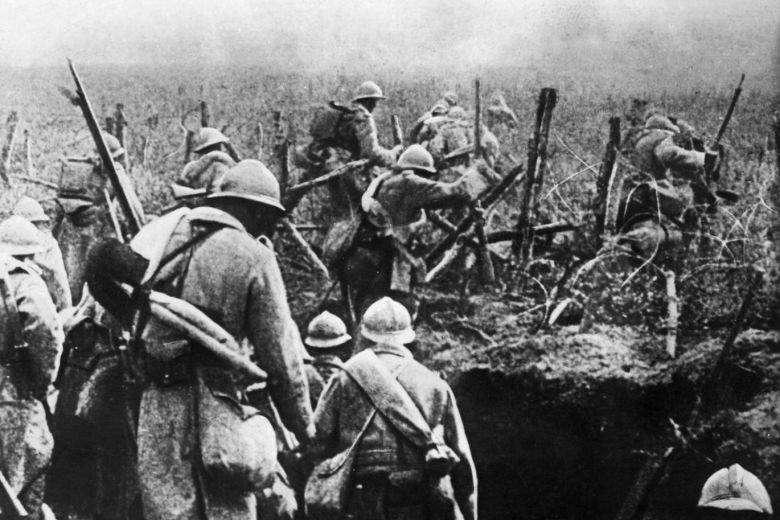
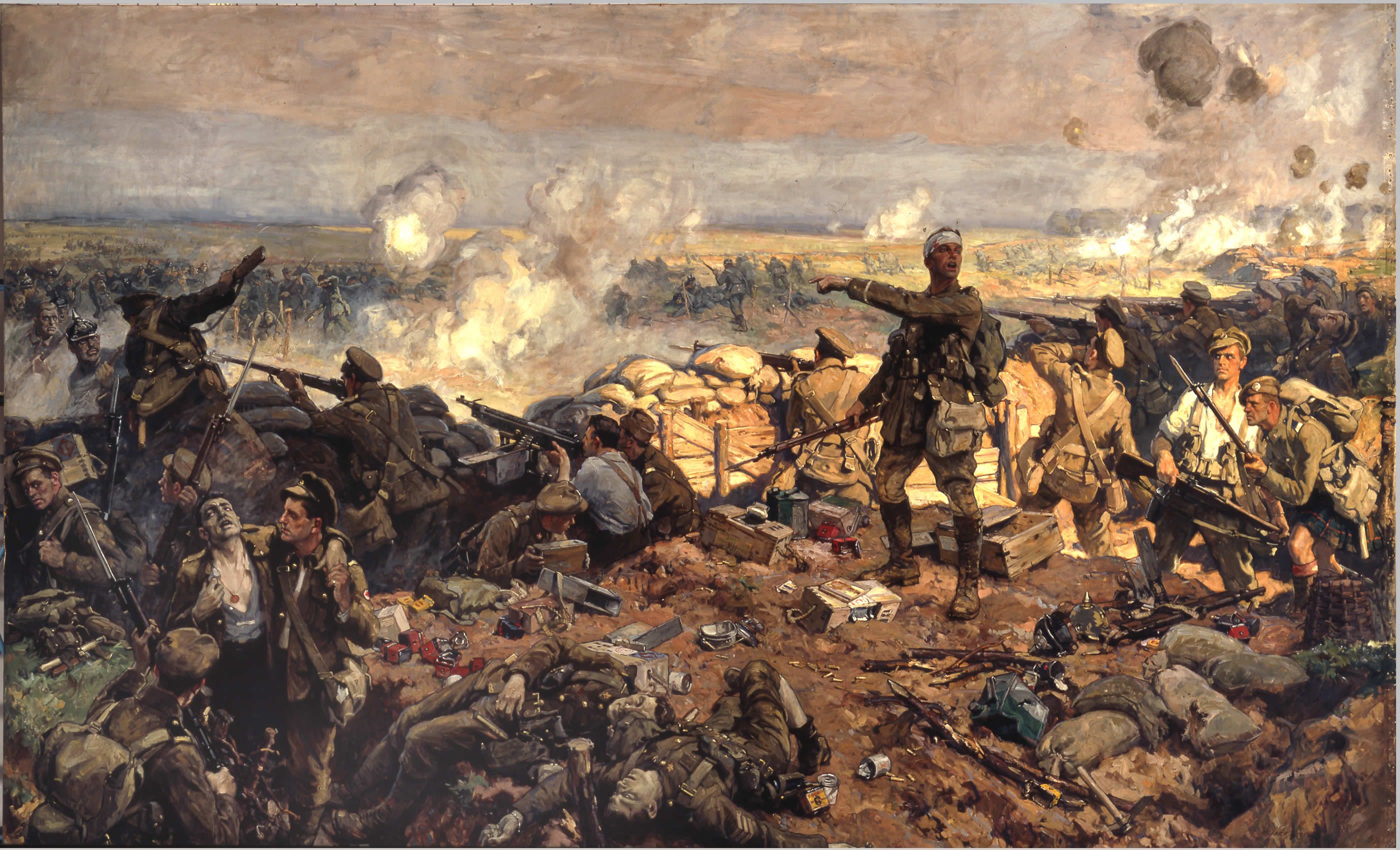
The First World War officially began in the summer of 1914, triggered by the assassination of Archduke Franz Ferdinand of Austria-Hungary on June 28 in Sarajevo. That single act is often presented as the moment Europe tipped into war, yet the assassination was only the spark. Beneath it lay decades of political tension, military planning, nationalism, imperial rivalry, and fragile diplomacy.

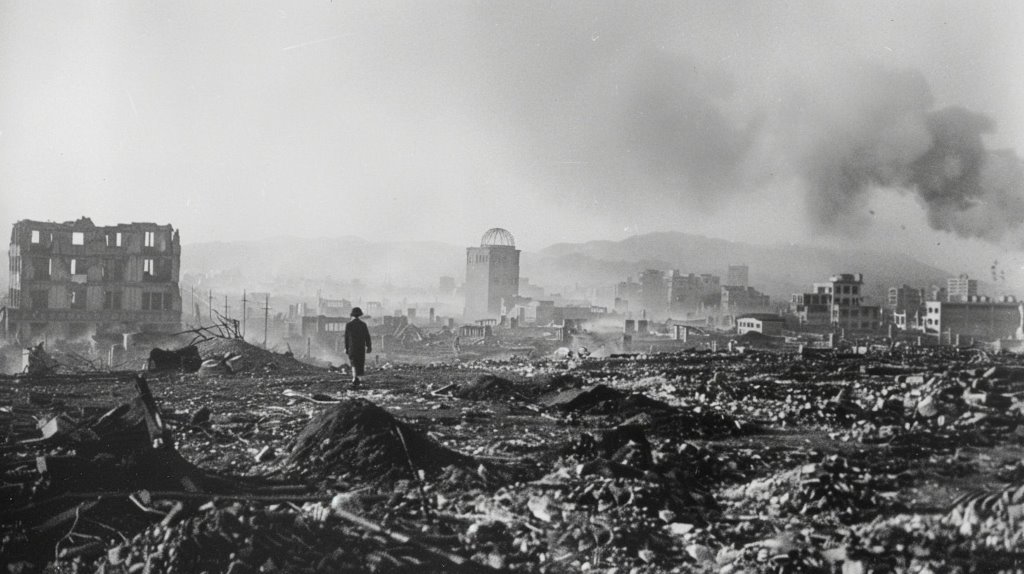
More than 17 million people would ultimately lose their lives, and tens of millions more were wounded or permanently scarred. Entire empires collapsed, borders were redrawn, and political systems were overturned. The conflict reshaped global power structures and left consequences that continue to influence international relations today.
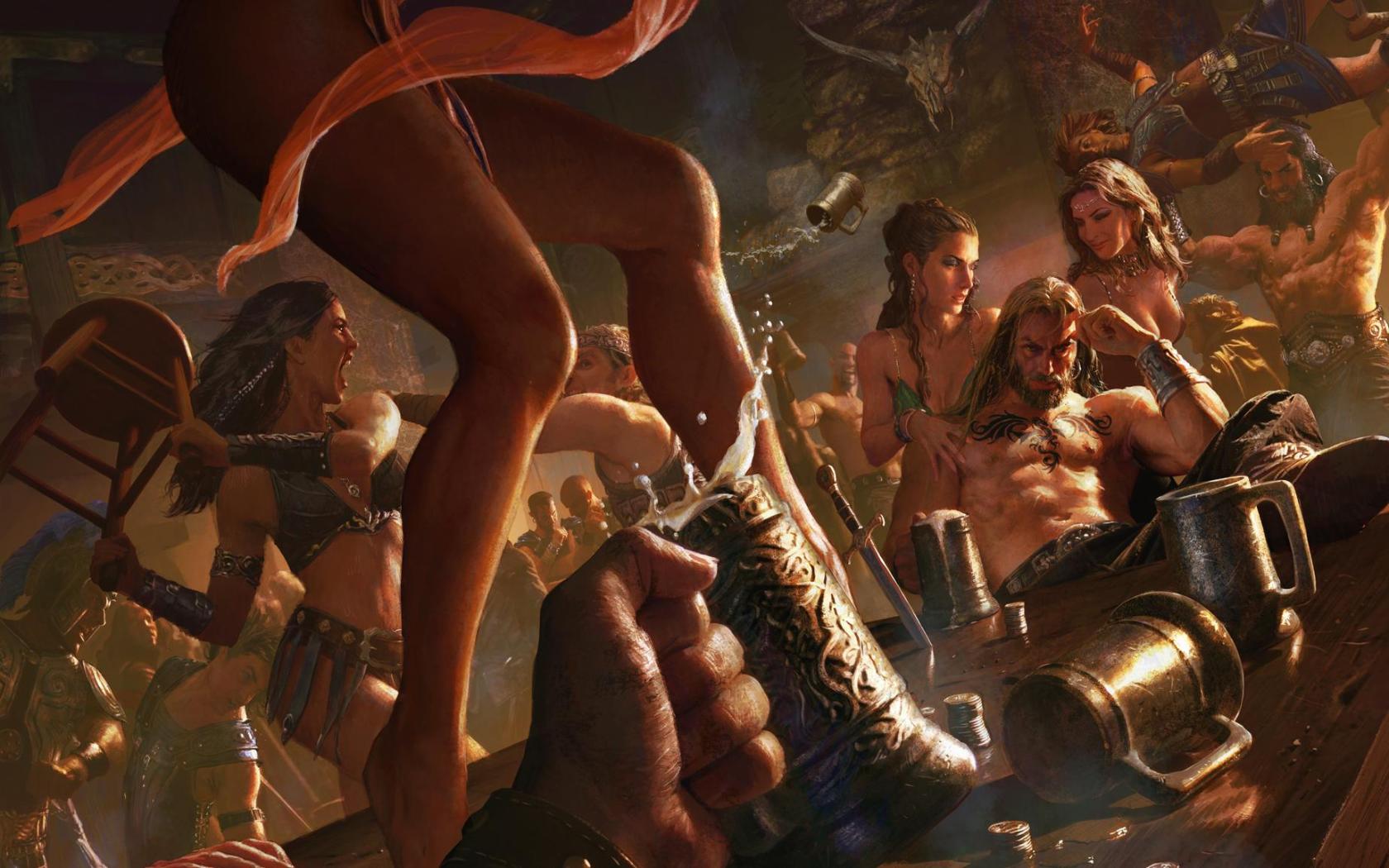
The Vikings were diverse Scandinavian seafarers from Norway, Sweden, and Denmark whose raids and subsequent settlements significantly impacted the cultures of Europe and were felt as far as the Mediterranean regions c. 790 - c. 1100 CE. The Vikings were all Scandinavian but not all Scandinavians were Vikings. The term Viking applied only to those who took to the sea for the purpose of acquiring wealth by raiding in other lands, and the word was primarily used by the English writers, not inclusively by other cultures. Most Scandinavians were not Vikings, and those who traded with other cultures were known as Northmen, Norsemen, or other terms designating their origin.

Beginning in 793 CE and continuing on for the next 300 years, the Vikings raided coastal and inland regions in Europe and conducted trade as far as the Byzantine Empire in the east, even serving as the elite Varangian Guard for the Byzantine Emperor. Their influence on the cultures they interacted with was substantial in virtually every aspect of life, most notably in the regions of Scotland, Britain, France, and Ireland. They founded Dublin, colonized Normandy (land of the Northmen) in France, established the area of the Danelaw in Britain, and settled in numerous communities throughout Scotland.

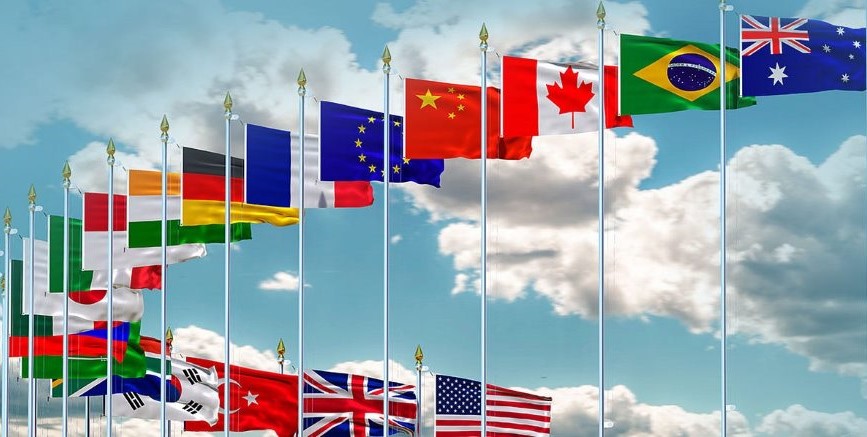
World War One is the name most people use today, but it is worth asking whether that label truly fits the conflict that erupted in 1914. Was it genuinely a world war in scope, or was it primarily a European catastrophe with global side effects? And if it was global, can it really be described as the first war of its kind?

People living through the conflict certainly believed they were witnessing something unprecedented. The term “World War” first appeared in Germany in 1914, rendered as Weltkrieg, a word that conveyed the sense that the foundations of the world itself were giving way. In France and Britain, the conflict was initially known as La Grande Guerre or simply the Great War, but the idea of a world war gained traction as the fighting expanded and the costs became impossible to ignore.

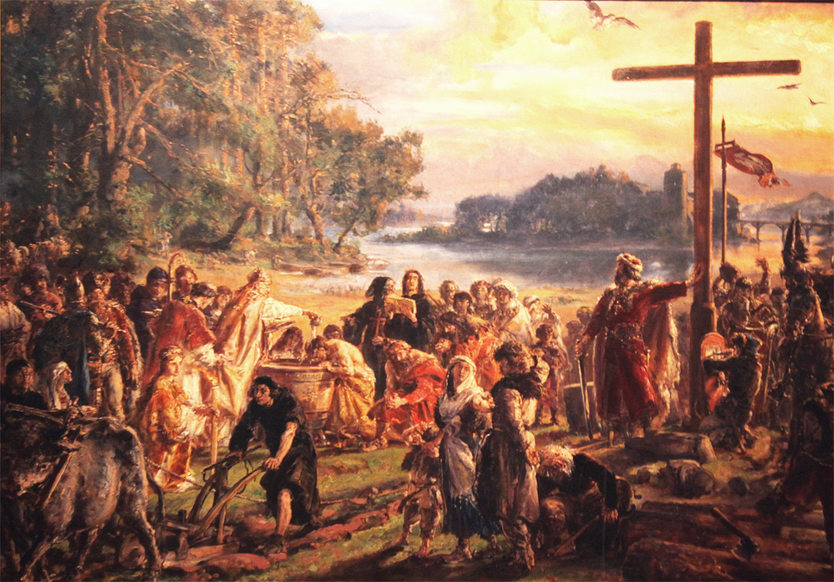
Polish history is filled to the brim with diversity. Here is an Amazing video and an exciting trip back in time that takes you through 1000 years of history in about 8 minutes, 140 events that feature 500 animated characters from different historical periods. The film was created to represent Poland at the Expo 2010 in Shanghai for PARP.

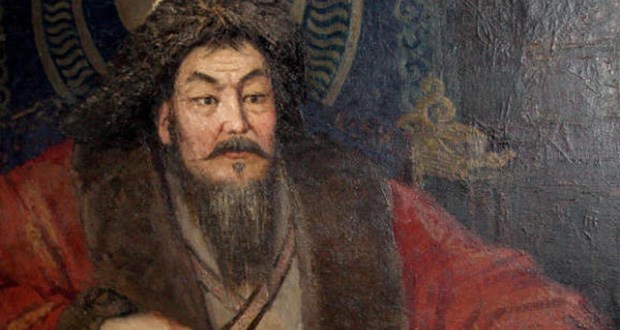
Genghis Khan was a 13th-century warrior in central Asia who founded the Mongol Empire, one of the largest empires in history. By the time he died, the empire controlled a vast amount of territory in China and central Asia, and its armies had ventured as far west as Kiev in modern-day Ukraine. The successors of Genghis Khan would go on to control kingdoms with territories in the Middle East, South and Southeast Asia and Eastern Europe. Mongolian warrior and ruler Genghis Khan created the largest empire in the world, the Mongol Empire, by destroying individual tribes in Northeast Asia. Genghis Khan was born "Temujin" in Mongolia around 1162. He married at age 16, but had many wives during his lifetime. At 20, he began building a large army with the intent to destroy individual tribes in Northeast Asia and unite them under his rule. He was successful; the Mongol Empire was the largest empire in the world before the British Empire, and lasted well after his own death in 1227.

Share on Social Networks

Editor's Pick