

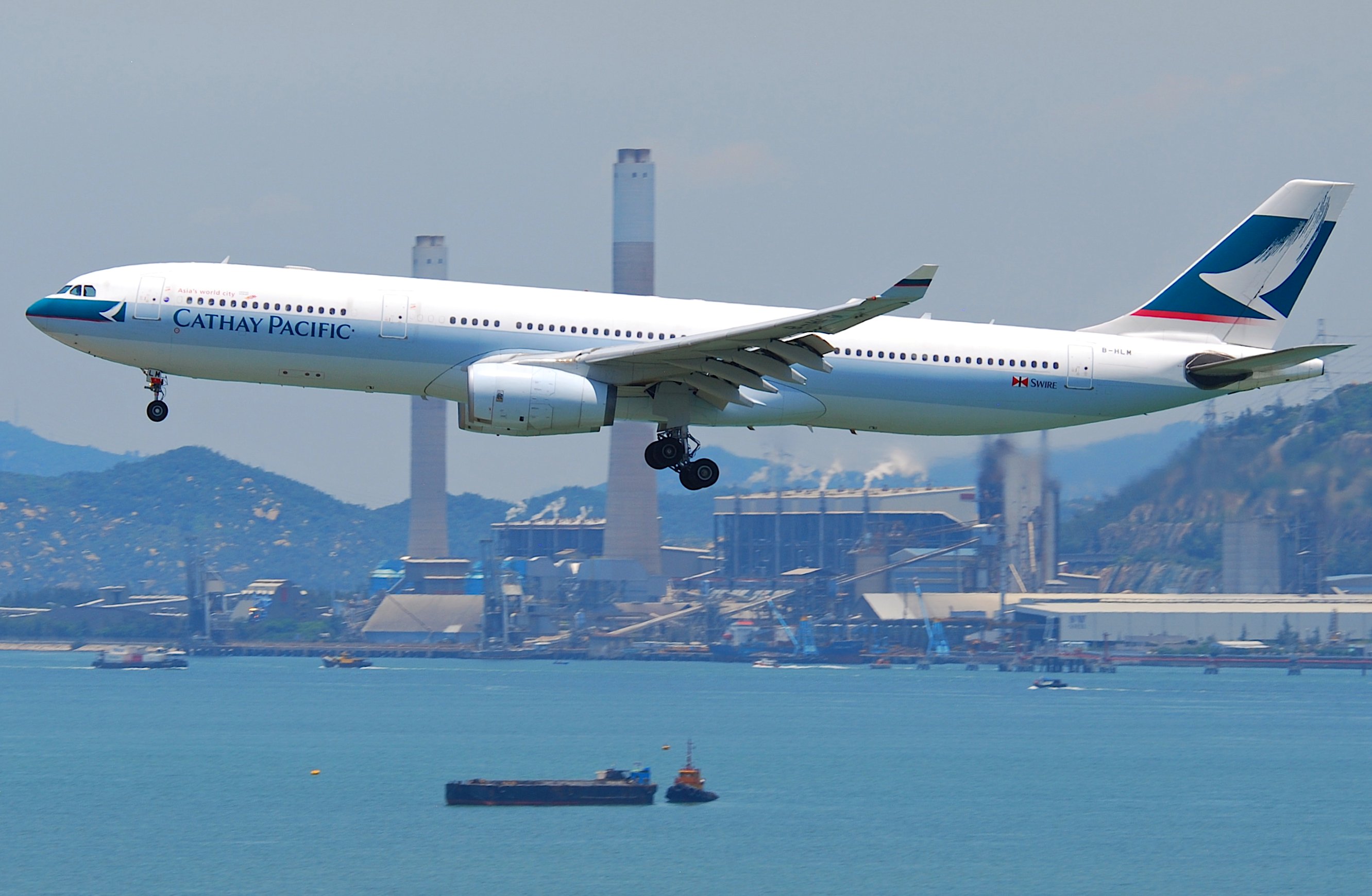
Commercial aviation has produced some of the most impressive machines ever to fly, each one shaped by decades of engineering, evolving travel demands, and the constant push toward higher capacity and longer range. These aircraft weren’t just built to move people; they were created to connect continents more efficiently, serve massive travel markets, and redefine what airlines could offer their passengers. From early wide-body pioneers to modern long-haul giants, every model in this list helped push the limits of what a passenger jet could be.
Here are the largest passenger aircraft ever built, and the innovations that made each one stand out.
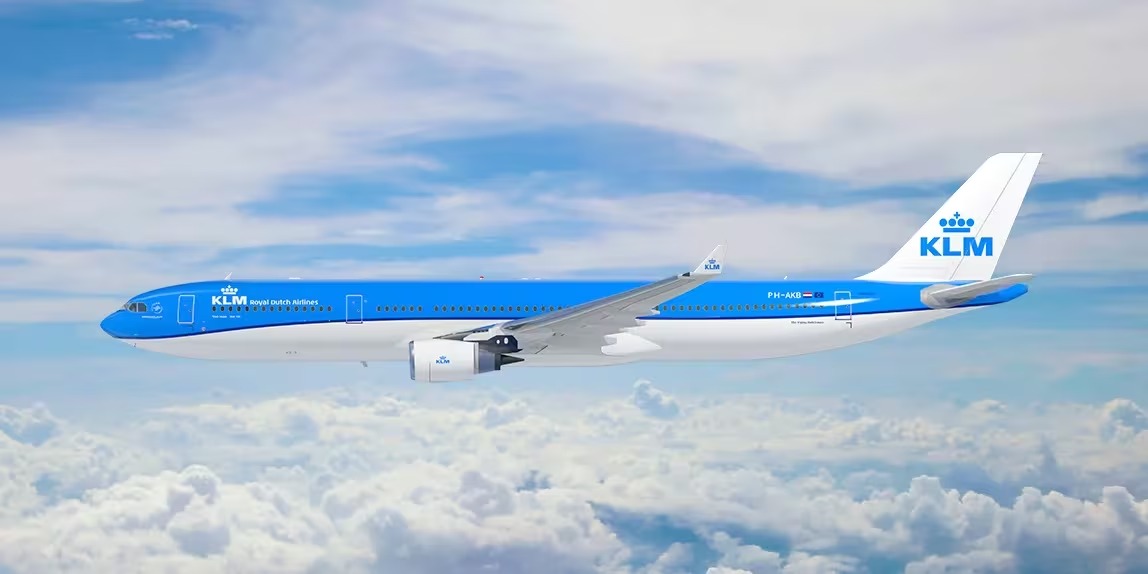
10. Airbus A330-300
The Airbus A330-300 became one of the most successful long-haul aircraft in the world because it struck a rare balance between range, reliability, and operating cost. Typically seating around 300 passengers, it was widely adopted by European, Asian, and Middle Eastern carriers. Its twin-engine design allowed airlines to cut fuel consumption compared to earlier four-engine jets, while still offering enough power for long international routes.
Pilots often praised the aircraft for its smooth handling and stability at cruise altitude. Its cabin, considered quiet for its time, made long flights noticeably more comfortable for passengers. Over the years, Airbus introduced multiple upgrades—better engines, improved avionics, and more efficient flight systems—that kept the aircraft competitive despite newer models entering the market. Even as other jets surpassed it in range, the A330-300 remained a dependable backbone for global fleets.
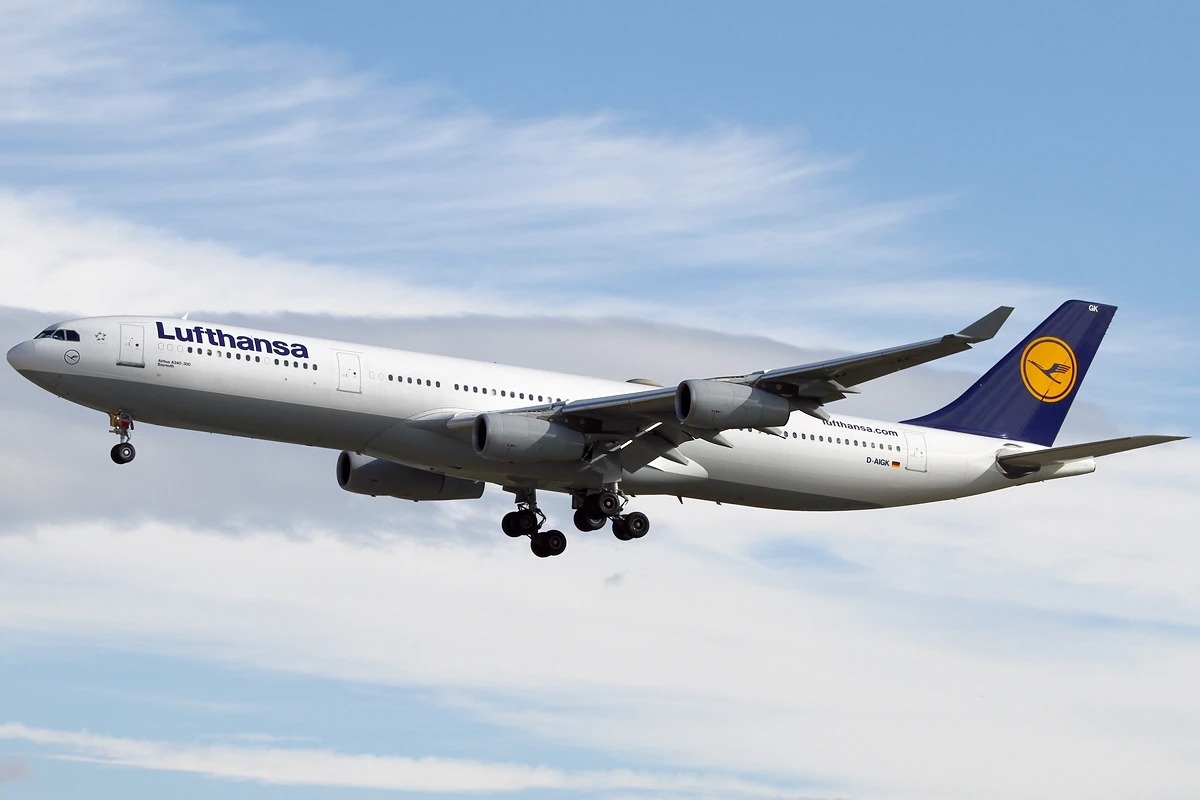
9. Airbus A340-300
Introduced in the early 1990s, the Airbus A340-300 was built to handle long-distance flights during a period when two-engine aircraft still faced restrictions over remote areas. With seating for roughly 270–295 passengers, it offered airlines a quiet, wide cabin and strong performance over oceans and isolated airspace.
Its four-engine configuration gave airlines confidence to launch long nonstop flights before extended twin-engine rules existed. Major carriers such as Lufthansa, Swiss, and South African Airways used the A340-300 on prestigious international routes. Although later overshadowed by more fuel-efficient twin-engine aircraft, the A340-300 remains an important milestone in intercontinental aviation, representing a time when endurance mattered as much as efficiency.
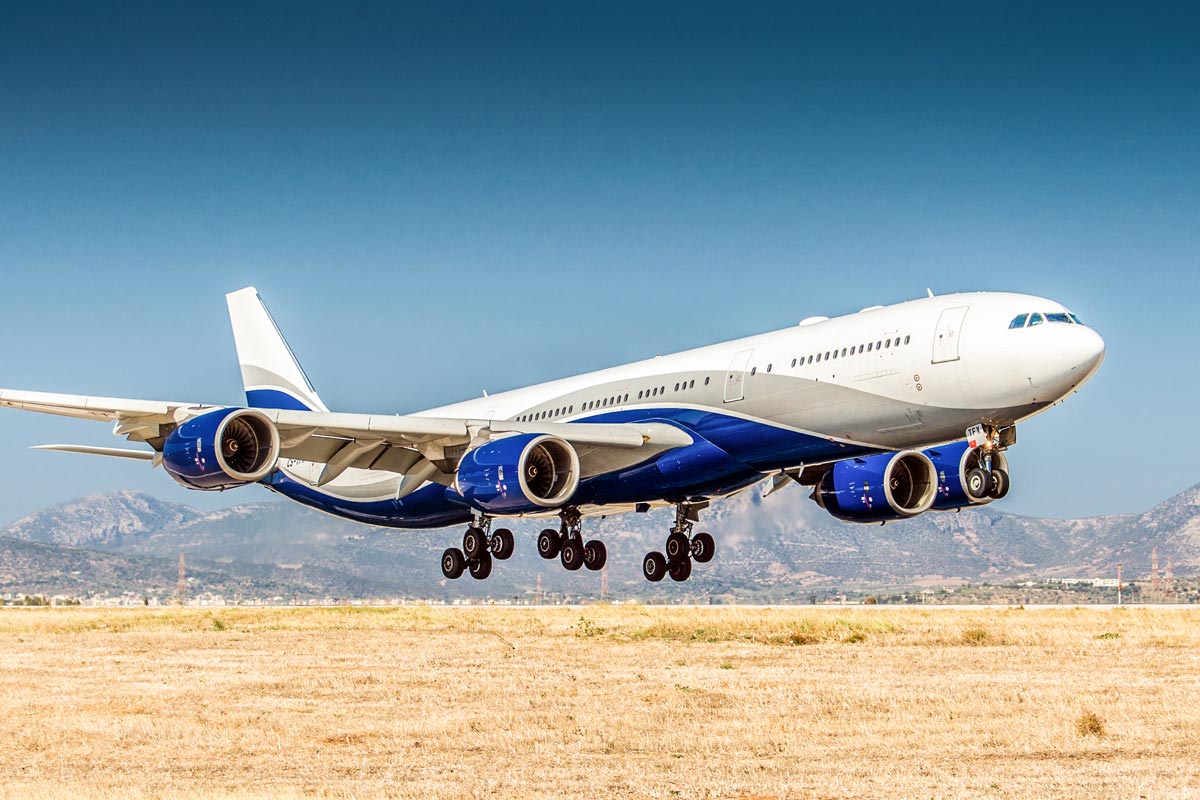
8. Airbus A340-500
The Airbus A340-500 was engineered for extreme range, allowing airlines to connect cities separated by vast oceans without refueling. It typically carried around 313 passengers in two classes, though capacity varied depending on interior layout. When it first entered service, it opened routes such as Singapore to New York—flights that lasted more than 18 hours and pushed the limits of commercial endurance.
The aircraft’s long wings, advanced fuel system, and four powerful engines made it ideal for ultra-long missions. Although newer twin-engine jets eventually made it less economical, the A340-500 proved what nonstop long-haul travel could look like before lightweight composite aircraft took over. Its legacy is tied to its ambition: a machine designed to shrink the world by bypassing stopovers entirely.
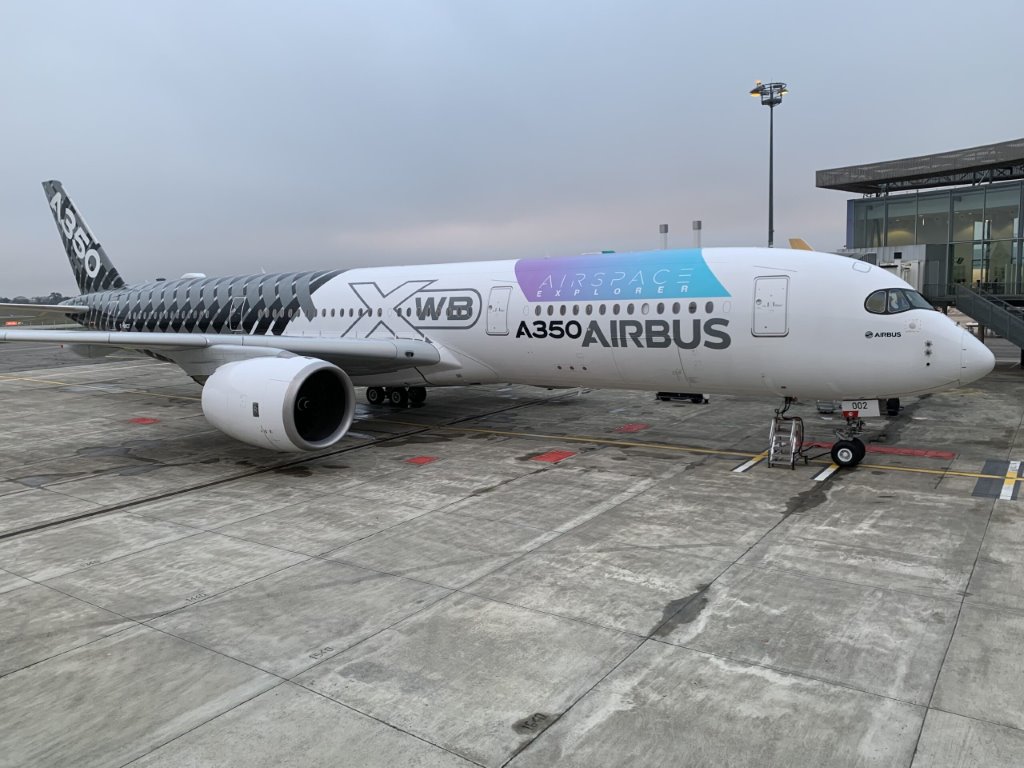
7. Airbus A350-900
The Airbus A350-900 is one of the most advanced long-haul aircraft ever built, designed around lightweight composite materials, aerodynamic efficiency, and long-range capability. Seating around 300–350 passengers, it quickly became a flagship aircraft for airlines seeking lower fuel consumption and higher passenger comfort.
The aircraft’s flexible wings adjust shape during flight to optimize lift and reduce drag, while its Rolls-Royce engines offer excellent reliability and quiet operation. Passengers often comment on the A350’s clean air, improved humidity, and reduced cabin noise—features that make long flights noticeably more comfortable. For airlines, the A350-900 offers a combination of performance, range, and efficiency that makes it ideal for some of the world’s longest routes.
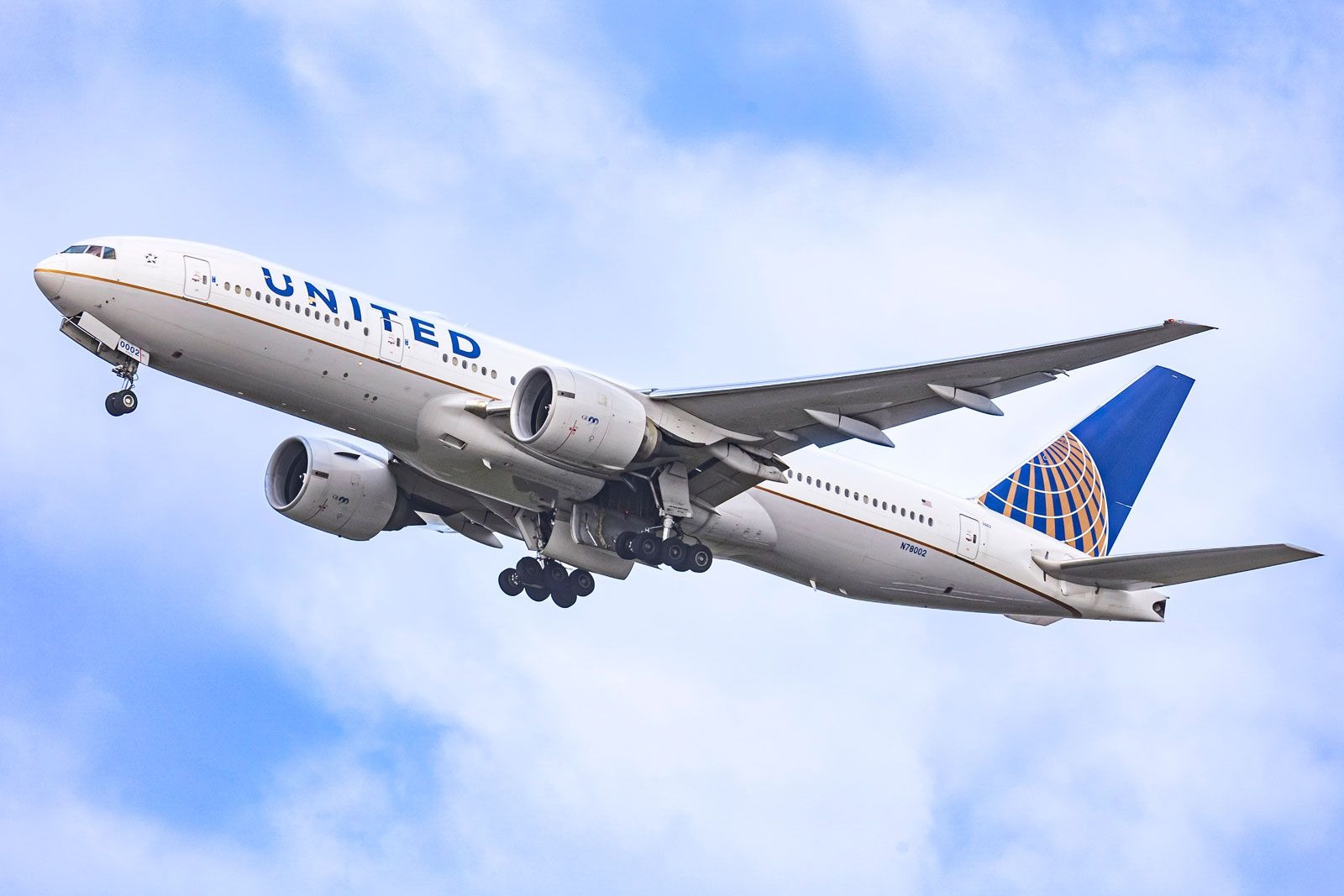
6. Boeing 777-200
The Boeing 777-200 marked a turning point in commercial aviation. Able to carry up to 440 passengers in a high-density layout, it introduced the world to some of the largest and most powerful twin-engine jets ever produced. With a range of more than 14,000 kilometers, it became one of the most versatile aircraft in the skies.
Airlines valued the 777-200 for its reliability and efficient operating costs compared to older four-engine models. Its enormous engines, digital cockpit, and strong structural design helped establish it as one of the most trusted long-haul aircraft of its era. Many airlines still fly the 777-200 today, a testament to its durability and design.
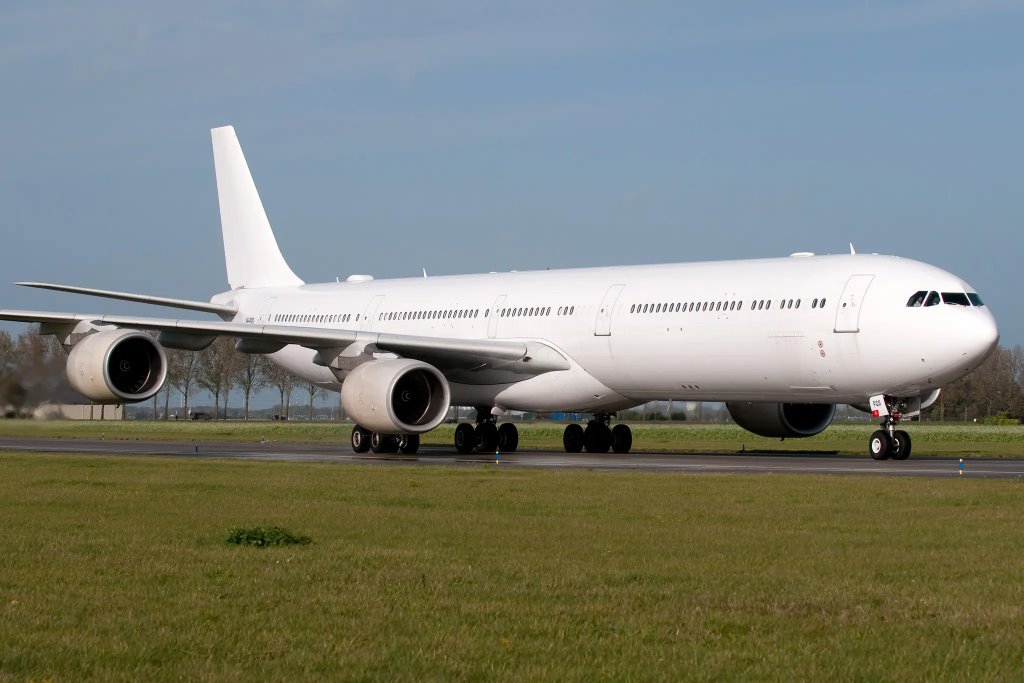
5. Airbus A340-600
The Airbus A340-600 is one of the longest passenger aircraft ever built, designed to carry large numbers of travelers across continents. With room for more than 300 passengers, it offered airlines a spacious cabin and impressive range for long-haul missions.
The aircraft’s length allowed airlines to create generous premium cabins while still carrying significant numbers of economy passengers. Its four-engine layout made it especially valuable for routes with limited diversion airports or challenging weather patterns. While it was eventually surpassed in efficiency by newer twin-engine designs, the A340-600 remains a striking example of early-2000s wide-body engineering.
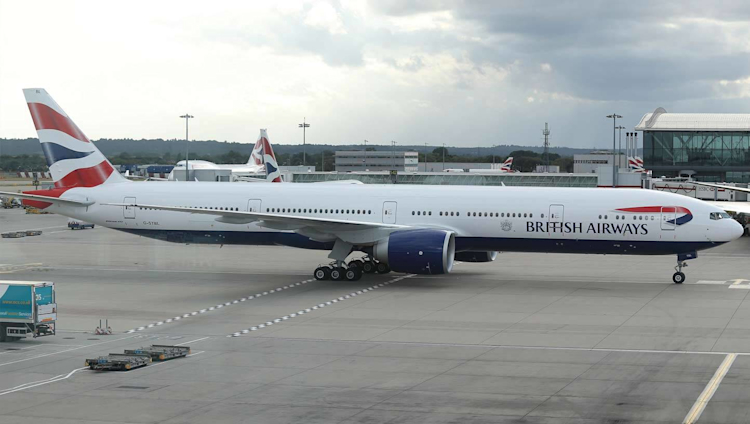
4. Boeing 777-300
The Boeing 777-300 expanded on the 777-200’s success by stretching the fuselage to accommodate even more passengers—up to 550 in a single-class arrangement. With a range of more than 11,000 kilometers, it became a favorite for airlines needing high-capacity aircraft for dense long-haul routes.
Its efficiency, reliability, and large cabin made it an ideal replacement for aging jumbo jets on routes that no longer required four engines. The 777-300 quickly earned a reputation as a dependable workhorse, offering airlines flexibility and strong performance even on demanding routes.
3. Boeing 747-400
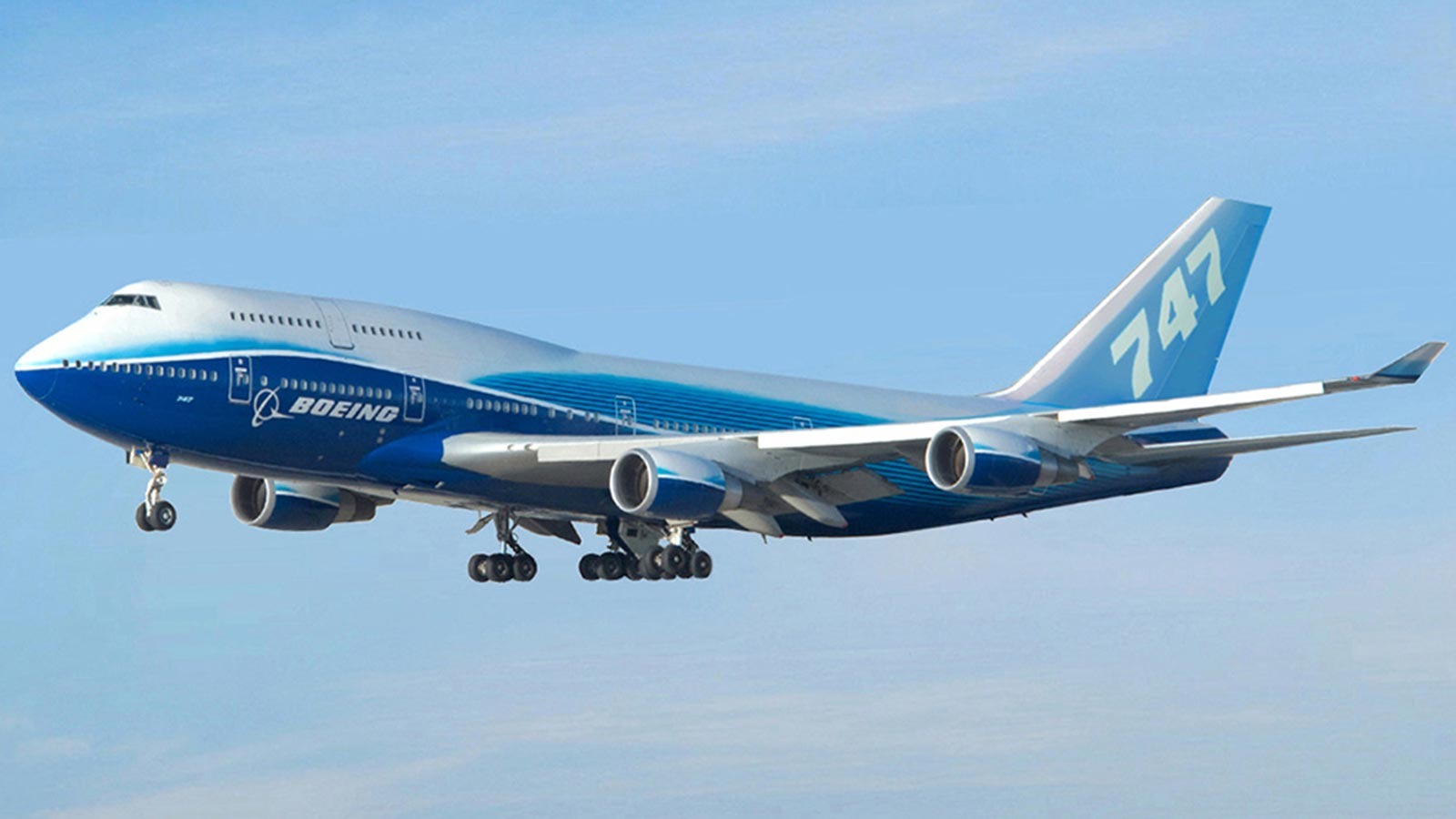
The Boeing 747-400 is one of the most iconic aircraft in aviation history. Seating between 416 and 660 passengers depending on configuration, it brought a new level of global connectivity when first introduced. Its distinctive upper deck became a symbol of international travel, and its long range of more than 13,000 kilometers allowed airlines to link major cities without stopovers.
For decades, the 747-400 served as the flagship aircraft for carriers around the world. Winglet upgrades, modernized avionics, and stronger engines made it more efficient than earlier 747 models. It shaped long-distance travel for millions of passengers and remains one of the most recognizable aircraft ever produced.
2. Boeing 747-8
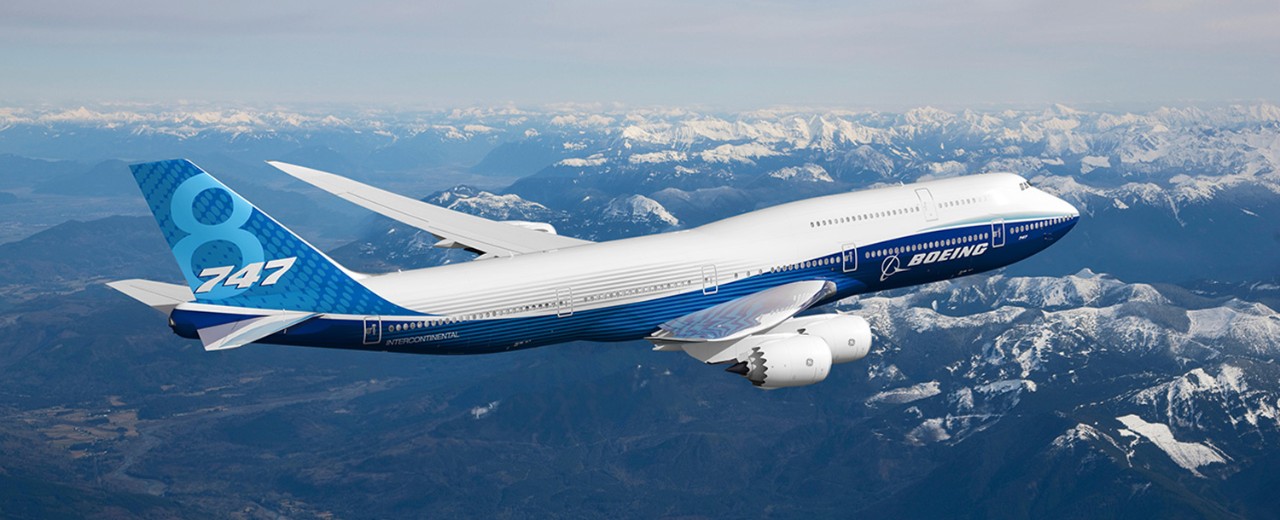
The Boeing 747-8 extended the jumbo jet legacy with a longer fuselage, advanced wings, and updated engines. It could seat around 600 passengers in two classes or up to 700 in high-density configurations, making it one of the largest passenger aircraft ever made.
With a range of nearly 15,000 kilometers, the 747-8 offered airlines both capacity and performance while maintaining the unmistakable 747 profile. Although produced in smaller numbers due to market changes, it remains one of the most impressive and technologically refined aircraft Boeing has ever built.
1. Airbus A380-800
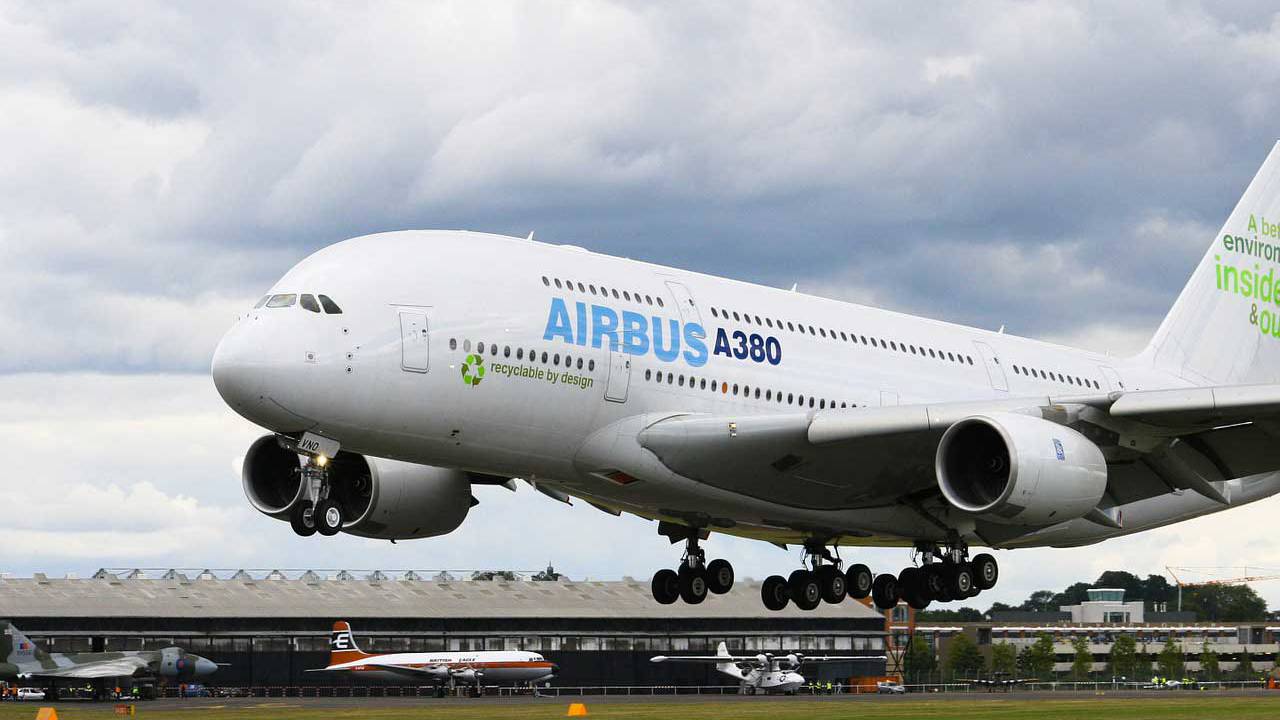
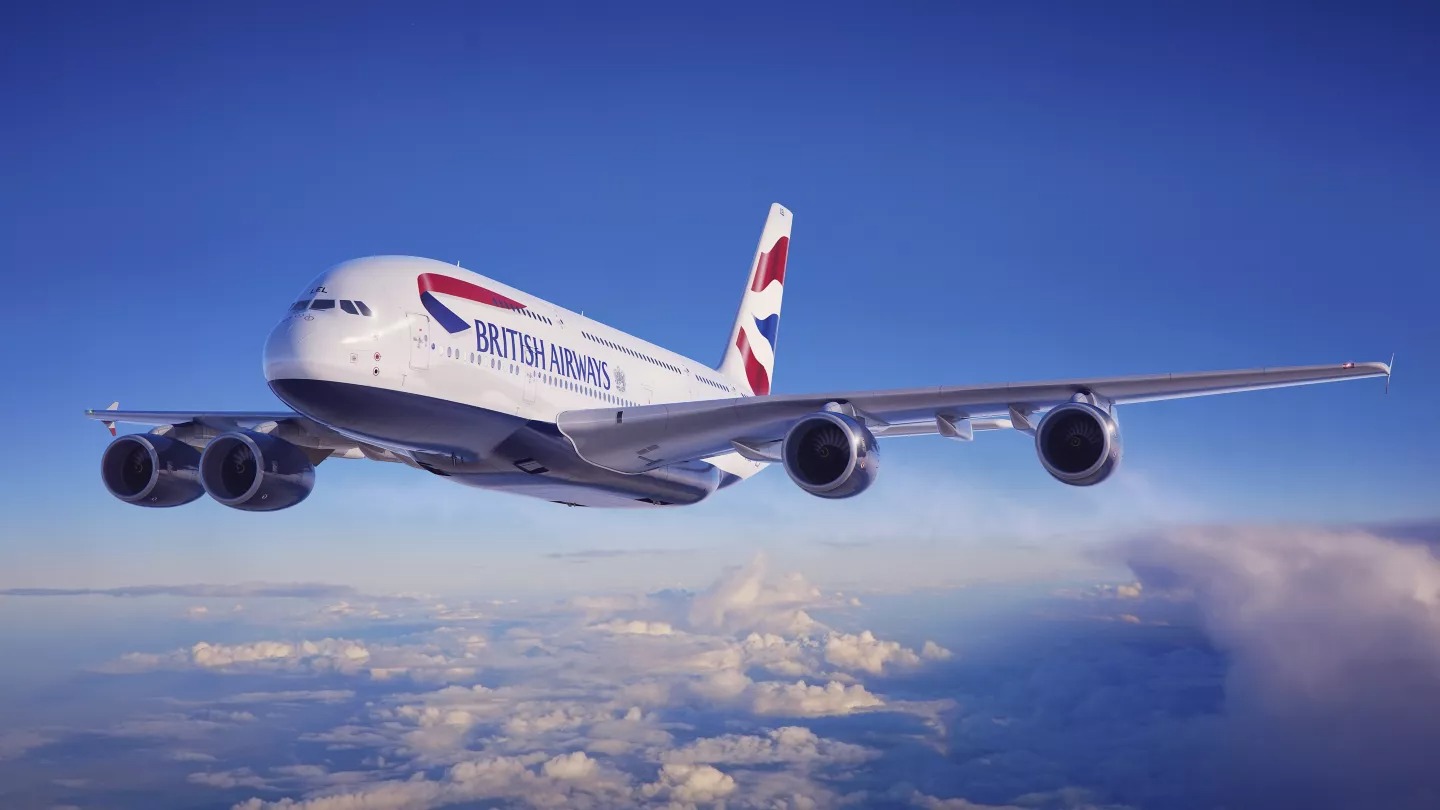
The Airbus A380-800 is the largest passenger aircraft ever built, capable of carrying up to 853 passengers in a single-class layout or 644 in most standard two-deck configurations. Its enormous size, smooth ride, and extremely quiet cabin made it a favorite among travelers.
Designed to move huge numbers of people between major hub airports, the A380 introduced a new standard for space and comfort. Its full-length upper deck, wide aisles, and stable flight characteristics set it apart from anything else in the sky. Although Airbus later ended the program, the A380 continues to operate on major long-haul routes and remains one of the most ambitious engineering achievements in commercial aviation.
Airbus A380plus
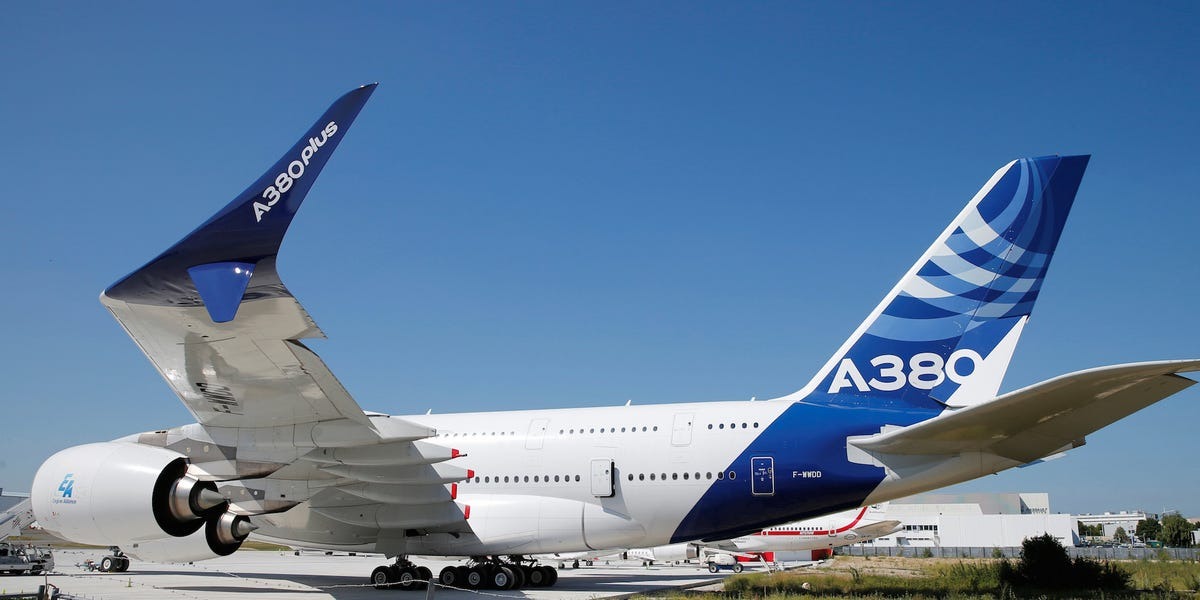
The Airbus A380plus was a proposed enhanced version of the original A380, designed to increase seating capacity by up to 80 passengers while reducing fuel burn through newly shaped winglets. These improvements aimed to cut operating costs by more than 10 percent per seat, making the aircraft more competitive for airlines focused on dense long-haul routes.
Although it never entered full production, the A380plus showed how Airbus hoped to extend the superjumbo’s lifespan in a changing aviation market. With more efficient aerodynamics and expanded seating, it would have offered airlines the highest-capacity passenger aircraft ever conceived, pushing the limits of what commercial aviation could achieve.