
An air force remains one of the defining pillars of military strength, and nations that seek to protect their borders or project power beyond them rely heavily on the capabilities of their fighter aircraft. Air superiority not only shields ground forces and strategic locations from enemy attacks, but also ensures that bombers, reconnaissance planes, and support aircraft can operate without constant threat. Because of this, technologically advanced fighter jets have become essential assets for any state wishing to maintain a strong defense posture in an increasingly competitive world.
Modern warfare has pushed fighter jet design into a new era, and the aircraft considered most advanced today belong to the fifth generation. According to Lockheed Martin, these fighters share several core characteristics that set them apart from their predecessors:
-
All-aspect stealth even while carrying weapons
-
Radar signatures so small that detection becomes extremely difficult
-
Highly capable, maneuverable airframes designed for superior combat performance
-
Advanced avionics that merge data into a single, intuitive picture
-
Deeply integrated computing systems with secure, real-time connectivity across the battlefield
With these features in mind, here is a detailed look at ten of the most advanced fighter jets—originally ranked in 2019 but now expanded with updated context and newer operational insights.
11. Dassault Rafale
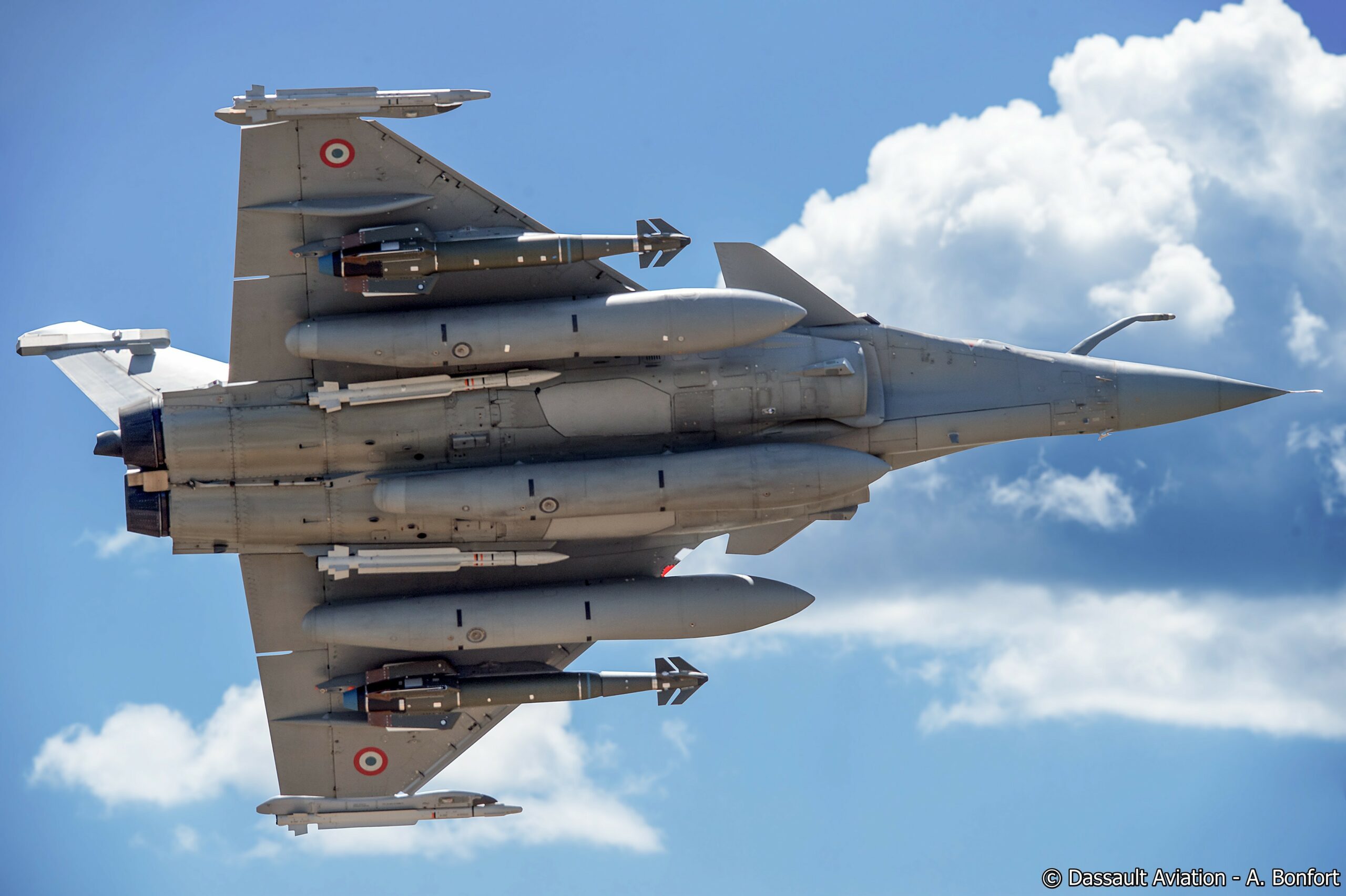
The Rafale, built by the French aerospace company Dassault, is a multirole fighter designed to carry out virtually any mission profile—from air superiority operations and reconnaissance to long-range strikes. Originally, France partnered with other European nations to develop a shared fighter platform, but political and technical disagreements eventually pushed France to create its own aircraft. The result was the Rafale, which officially entered service in 2001.
The aircraft quickly earned a reputation for its superb agility, powerful sensor suite, and flexible loadout options. Its ability to transition seamlessly between very different mission types has allowed it to serve effectively on aircraft carriers and land bases alike. The Rafale continues to evolve today, with the newest F3R and F4 variants incorporating stronger radar performance, improved networking, and upgraded weapons systems to maintain relevance in modern air combat.
10. McDonnell Douglas F-15 Eagle
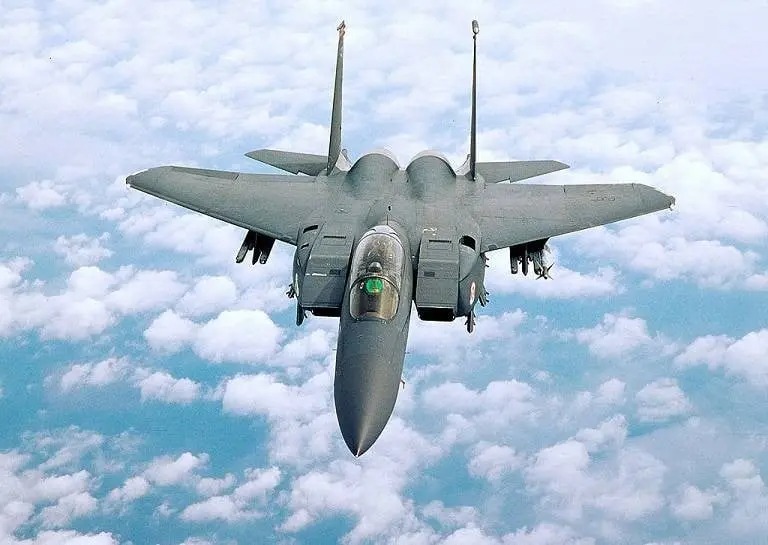
The F-15 Eagle has been in service for more than four decades, yet it remains one of the most respected fighters ever built. Developed originally by McDonnell Douglas and later maintained by Boeing, the F-15 was designed around a clear idea: no compromise in air-to-air dominance. Although production was once expected to end in 2022, demand from various air forces—along with the introduction of the new F-15EX variant—has extended its operational future well into the 2030s.
The F-15 continues to serve in the United States, Japan, Israel, and Saudi Arabia, and its combat record is unmatched, with more than 100 aerial victories and no losses in air-to-air engagements. Its impressive thrust-to-weight ratio, advanced radar, and ability to carry heavy weapon loads keep it competitive against modern threats.
9. JF-17 Thunder
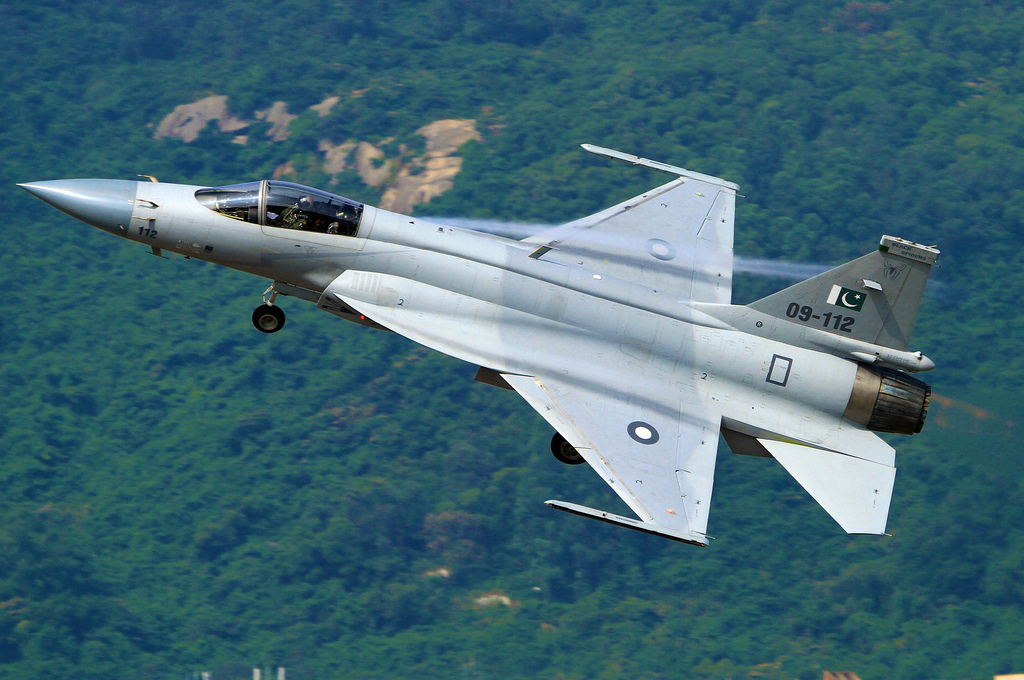
The JF-17 Thunder, jointly developed by Pakistan and China, represents a cost-effective multirole fighter designed to replace aging fleets of older jets. Intended to become the backbone of the Pakistani Air Force, the JF-17 has steadily expanded its capabilities since its introduction. The early years of development involved repeated redesigns and extensive testing, but by 2007 the aircraft began entering service in meaningful numbers.
The later Block II version brought important upgrades: aerial refueling, enhanced avionics, improved range of weapons, and stronger electronic warfare systems. Newer versions such as the Block III—featuring an AESA radar and advanced missile compatibility—have further strengthened the Thunder’s position as a capable modern fighter at an accessible cost.
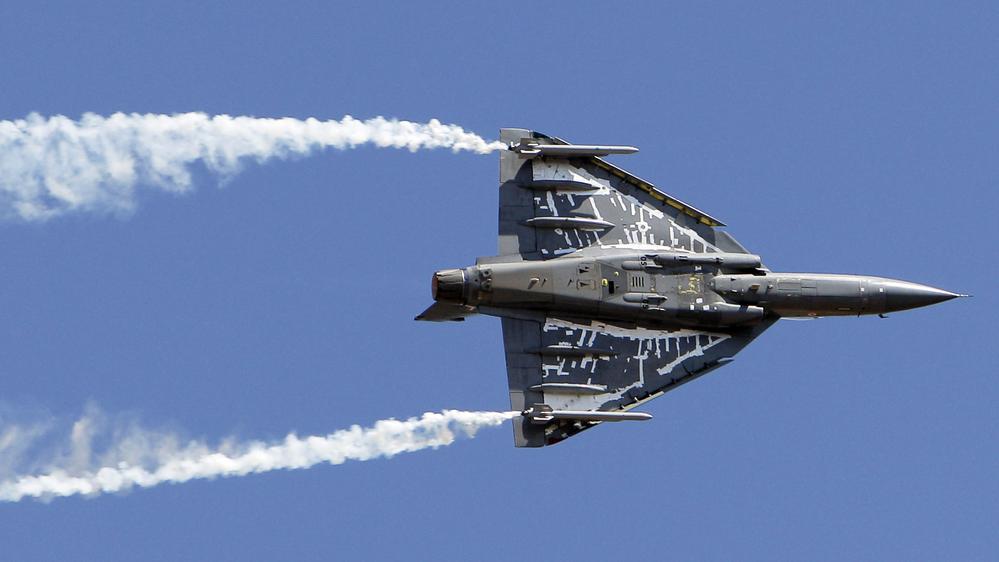
8. HAL Tejas Fighter Jet
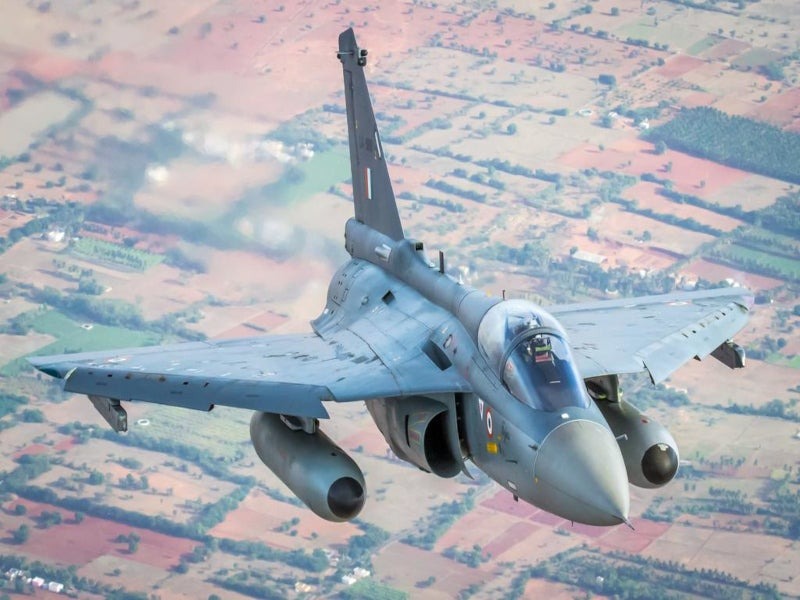
India’s HAL Tejas is a lightweight, highly maneuverable fighter created to replace the MiG-21, an aircraft that served the Indian Air Force for decades. Pilots often praise the Tejas for its responsive handling and acceleration, making it well suited for close-range engagements and rapid interception.
Despite delays that slowed its arrival, the Tejas has steadily progressed, achieving full operational clearance and entering serial production. India continues to refine the platform, with the Tejas Mk1A and upcoming Mk2 versions bringing improved sensors, weapons compatibility, and broader mission capabilities.
7. Eurofighter Typhoon
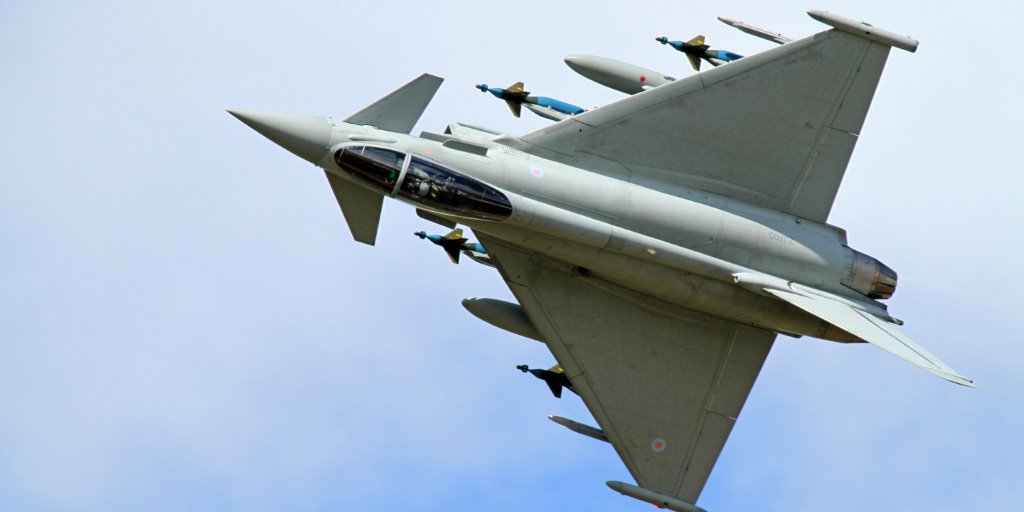
The Eurofighter Typhoon’s development story is one of collaboration and persistence. Built through a joint effort by Airbus, BAE Systems, and Italy’s Leonardo, the Typhoon has undergone a long and sometimes turbulent path to deployment. After development began in the early 1980s, political changes, shifting defense priorities, and budget concerns delayed the program significantly.
Nevertheless, once introduced, the Typhoon became one of Europe’s premier air superiority fighters. Its high agility, advanced radar systems, and sophisticated cockpit interface make it a formidable presence in modern airspace. Over time, weapon upgrades and digital enhancements have allowed it to perform an increasingly wide range of missions, from air patrols to precision ground strikes.
6. Lockheed Martin F-22 Raptor
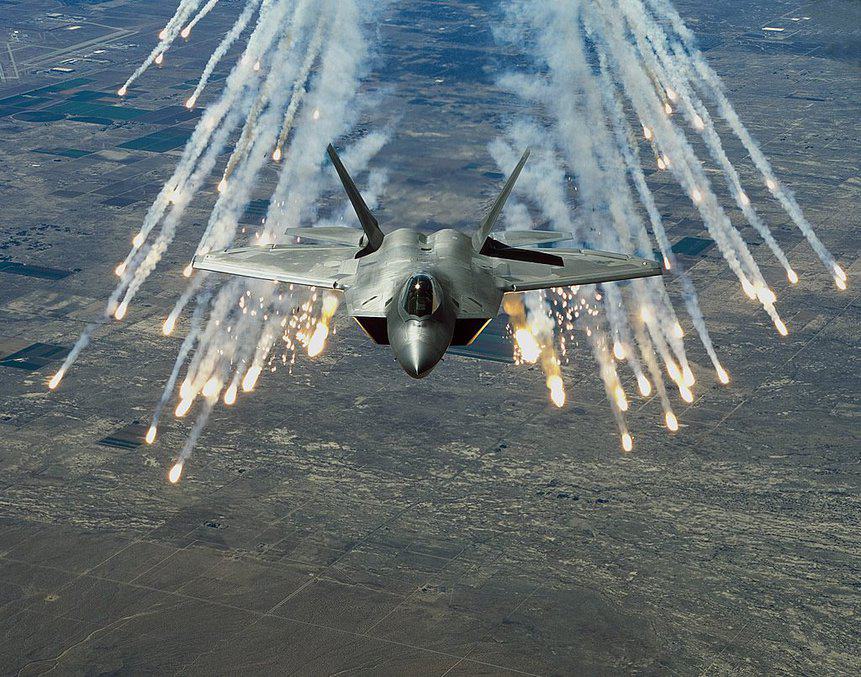
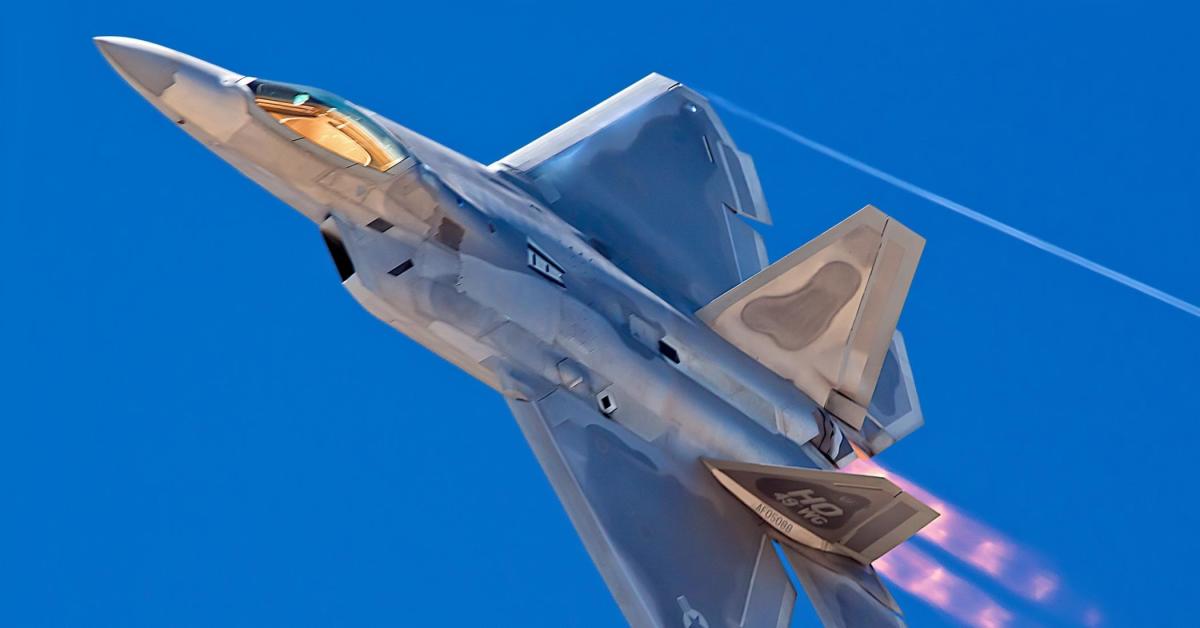
The F-22 Raptor was the world’s first operational fifth-generation fighter and remains one of the most advanced aircraft ever built. Introduced in 2005, the Raptor combined stealth technology, supersonic cruising without afterburners, extreme maneuverability, and unmatched sensor fusion.
Its production ended in 2012 due to rising costs and the absence of immediate peer threats at the time. However, the F-22 still forms the backbone of America’s high-end air superiority fleet. While other nations have introduced advanced fighters, many analysts believe the Raptor’s full capabilities remain unmatched in several key areas, especially in stealth performance and instantaneous combat awareness.
5. Mitsubishi X-2 Shinshin
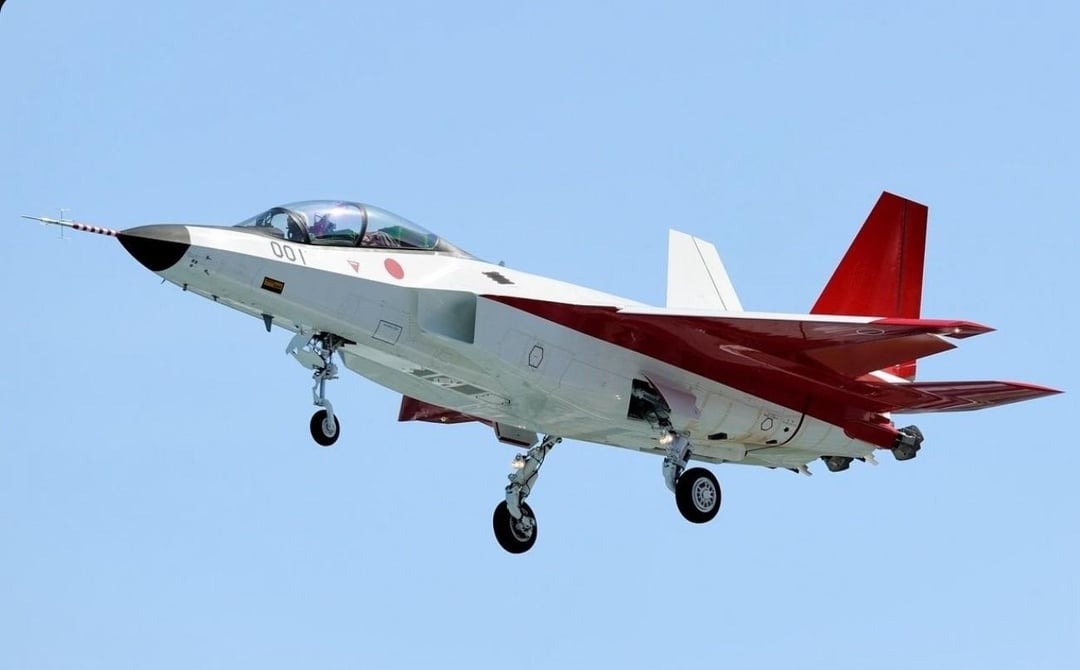
Japan’s X-2 Shinshin is an unusual entry because it is not a combat-ready fighter, but rather a technology demonstrator. When the United States refused to export the F-22 to protect sensitive technologies, Japan launched its own program to develop advanced stealth and avionics systems.
The X-2 flew for the first time in 2016 and has since served as a test platform for innovations that will support Japan’s next-generation fighter, currently known as the F-3. Expected to begin production later in the decade, the F-3 aims to integrate artificial intelligence support, deep stealth design, and advanced communication links for future cooperative air operations.
4. Shenyang FC-31
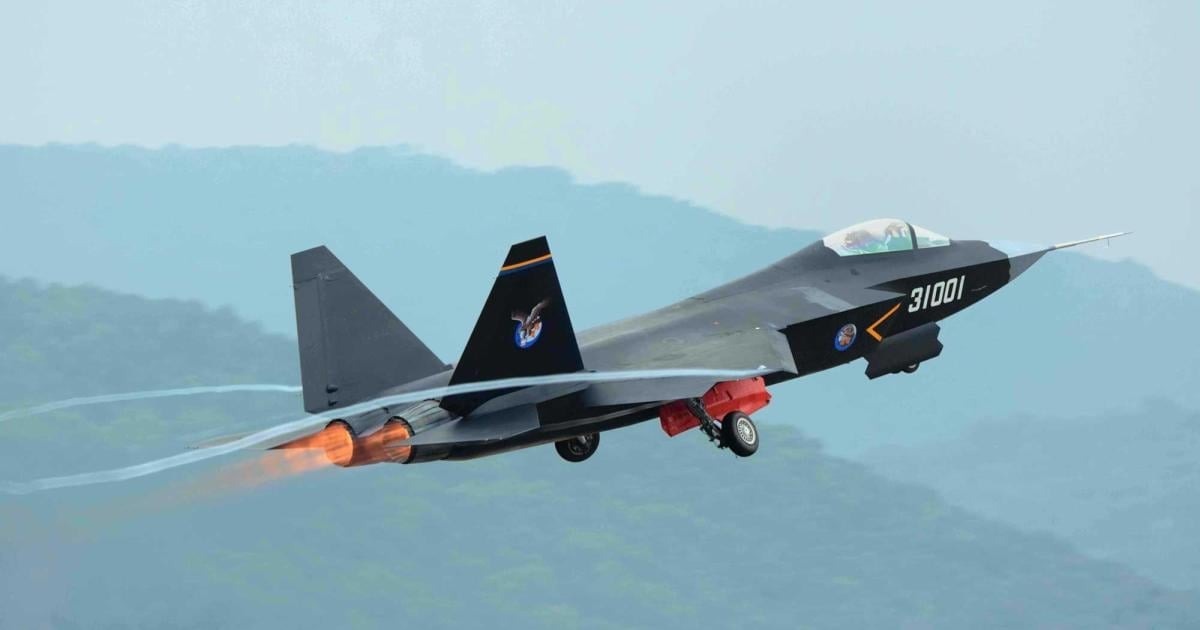
The Shenyang FC-31—also referred to as the J-31—is China’s second fifth-generation stealth fighter. Although its precise specs remain largely undisclosed, foreign defense experts believe it aims to serve as a more export-friendly counterpart to the J-20.
The FC-31’s development has highlighted several improvements in Chinese aerospace engineering, from stealth shaping to computing architecture. The aircraft may see future service with China’s carrier aviation forces, positioning it as a possible rival to other stealth fighters in the Asia-Pacific region.
3. Chengdu J-20
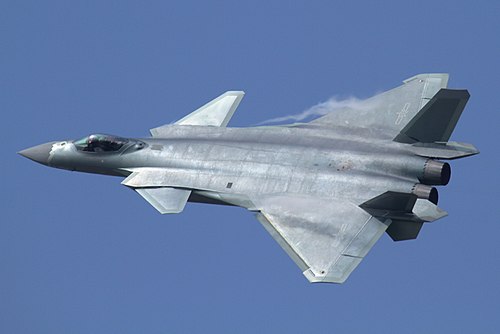
The J-20 is China’s flagship stealth fighter and a significant milestone in Asian aviation. Developed over decades, it first flew in 2011 and officially entered service in 2017. Subsequent refinements improved its stealth profile, altered its air intake system, and updated its vertical stabilizers.
Recent developments include China’s progress toward domestic engines—moving away from reliance on Russian powerplants—and upgrades to avionics and long-range missile systems. The J-20’s combination of stealth, data fusion, and extended range has positioned it as a central component in China’s growing air power strategy.
2. Sukhoi Su-57
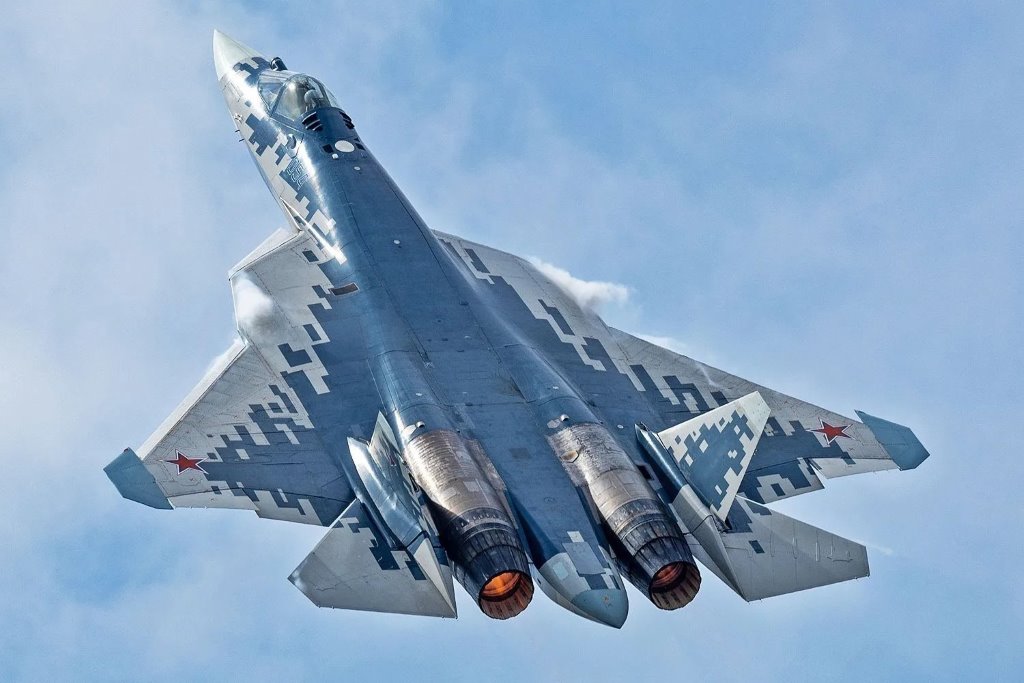
Russia’s Su-57 is intended to be its premier fifth-generation fighter. First tested in 2010, the aircraft promises to integrate stealth design, powerful thrust vectoring for exceptional maneuverability, and modern avionics systems.
The Su-57 program has faced challenges, including limited production numbers and delays in engine development. While early models were spotted deployed in Syria for testing, full operational deployment continues gradually. Russia intends for the Su-57 to form the foundation of its future combat fleet, with incremental improvements planned for the coming years.
1. Lockheed Martin F-35 Lightning II
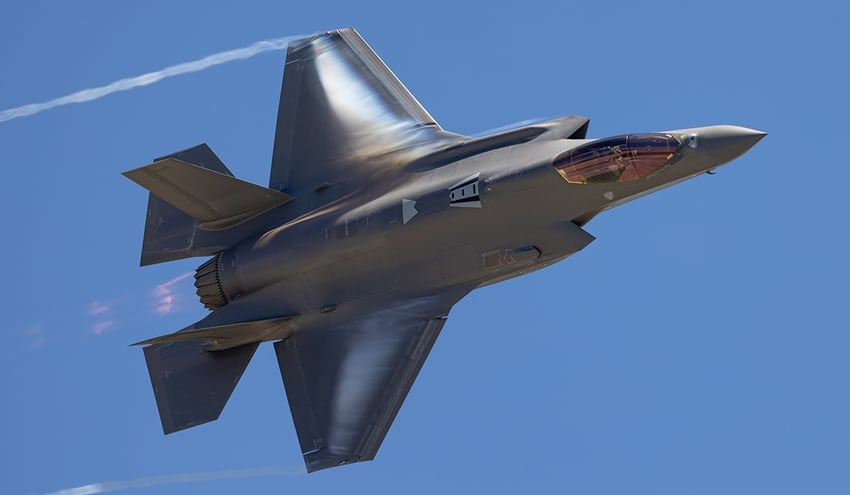
Introduced in 2015, the F-35 Lightning II is one of the most ambitious military aviation programs in history. With three main variants—designed for land-based runways, short takeoffs, and carrier operations—the F-35 provides versatility unmatched by earlier jets.
The program’s cost has been enormous, but the aircraft’s integration across multiple allied nations has created a powerful, cooperative defense network. Today, the F-35 benefits from continuous software upgrades, improved weapons compatibility, and expanded mission abilities. The aircraft is expected to remain in service for decades, with modernization plans extending well into the second half of the 21st century.