
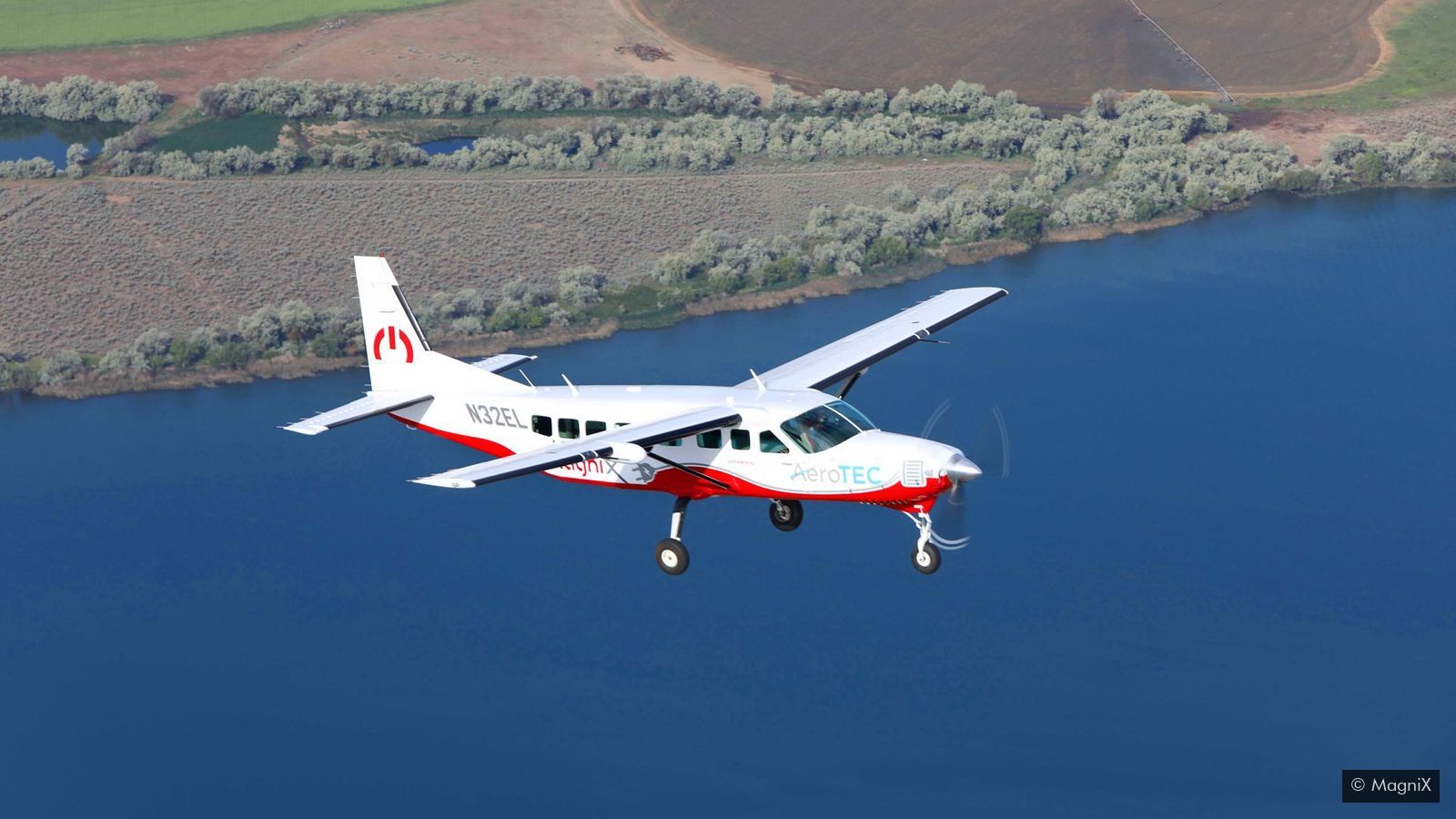
Electric aviation has reached a symbolic milestone. While conventional aircraft powered by jet fuel will continue to dominate global air travel for decades, recent breakthroughs show that electricity is no longer confined to small experimental aircraft or short demonstration hops. Engineers, regulators, and manufacturers are now testing whether electric propulsion can move beyond novelty and into practical aviation roles.
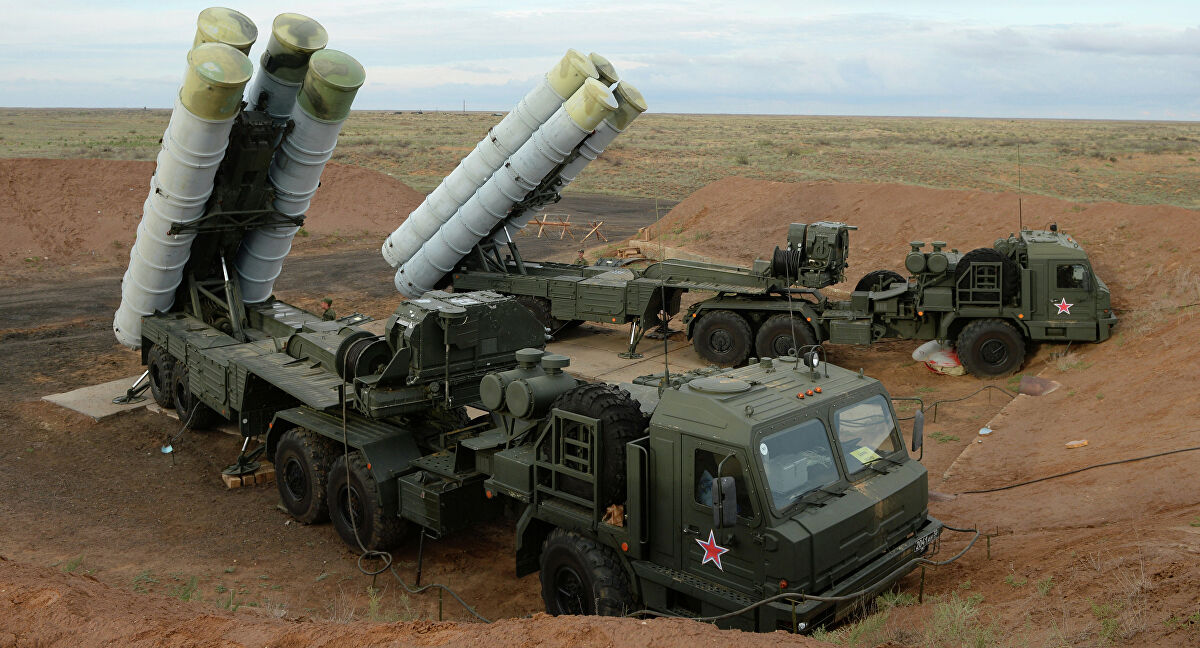
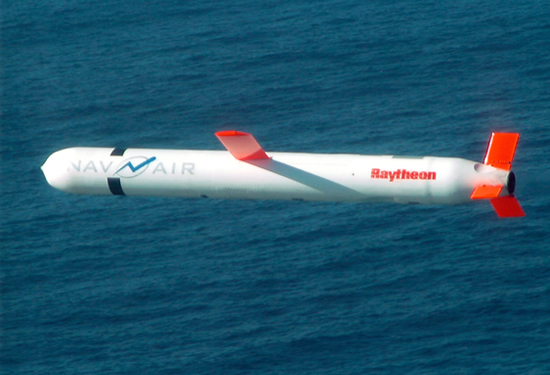
Modern warfare has pushed air defense systems into a central role. Aircraft are no longer the only threat in the sky; cruise missiles, ballistic missiles, armed drones, and high-speed weapons now challenge airspace from multiple directions and at different altitudes. As a result, anti-aircraft missile systems have become one of the most critical elements of national defense.

Today’s leading systems are designed to track dozens of targets at once, operate in heavy electronic interference, and intercept threats traveling at extreme speeds. Some focus on wide-area protection for cities and strategic facilities, while others are built to defend military forces or counter advanced missile attacks. Range, radar performance, reaction time, and integration with other defense layers all play a role in determining their effectiveness.

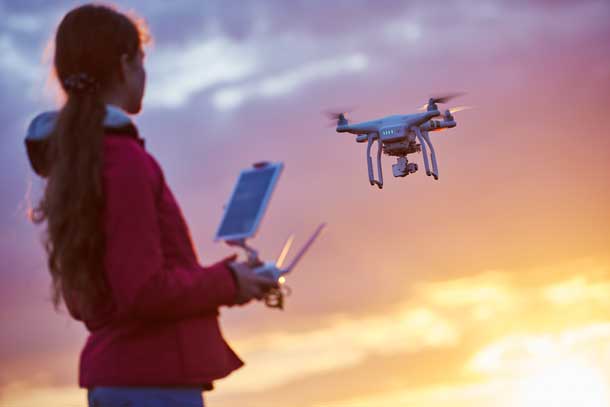
Aviation is entering a period of transition that goes far beyond incremental improvements in engines or aerodynamics. For more than a century, aircraft design has followed a relatively stable pattern built around runways, fossil fuels, and human pilots onboard every flight. That foundation is still strong and will remain dominant for many years, but it is no longer the only direction aerospace engineers are exploring.

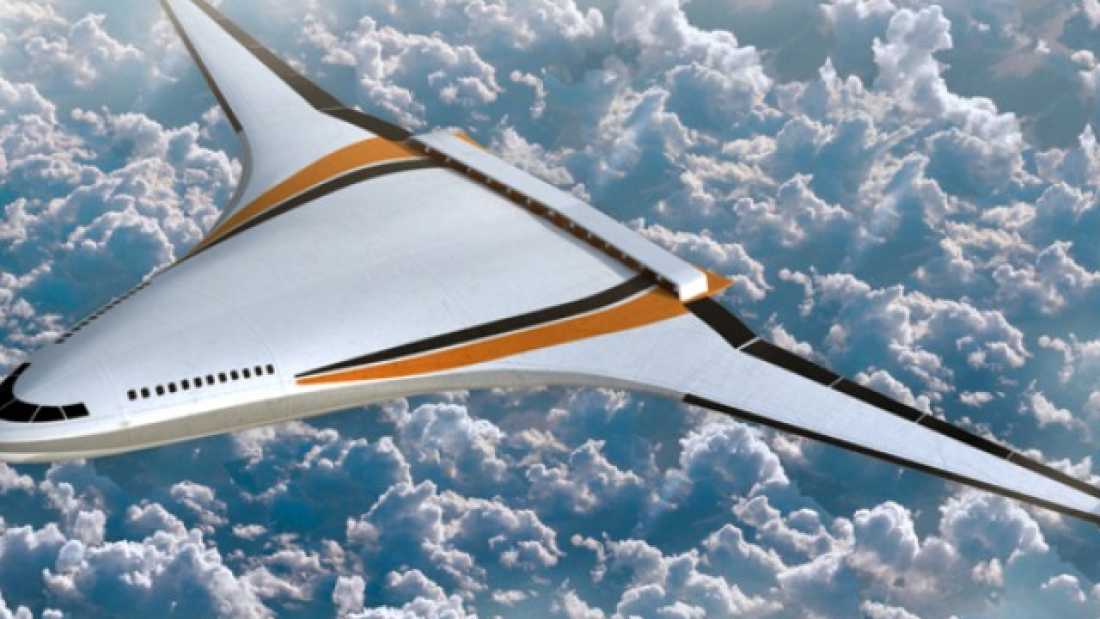
Rapid urbanization, growing congestion on roads, environmental pressure to reduce emissions, and advances in electric propulsion, automation, and lightweight materials have opened the door to entirely new categories of aircraft. Instead of focusing only on long-haul jets or conventional helicopters, manufacturers are now experimenting with short-range electric aircraft, vertical takeoff platforms, autonomous rotorcraft, and hybrid designs that blur the line between airplanes, helicopters, and ground vehicles.

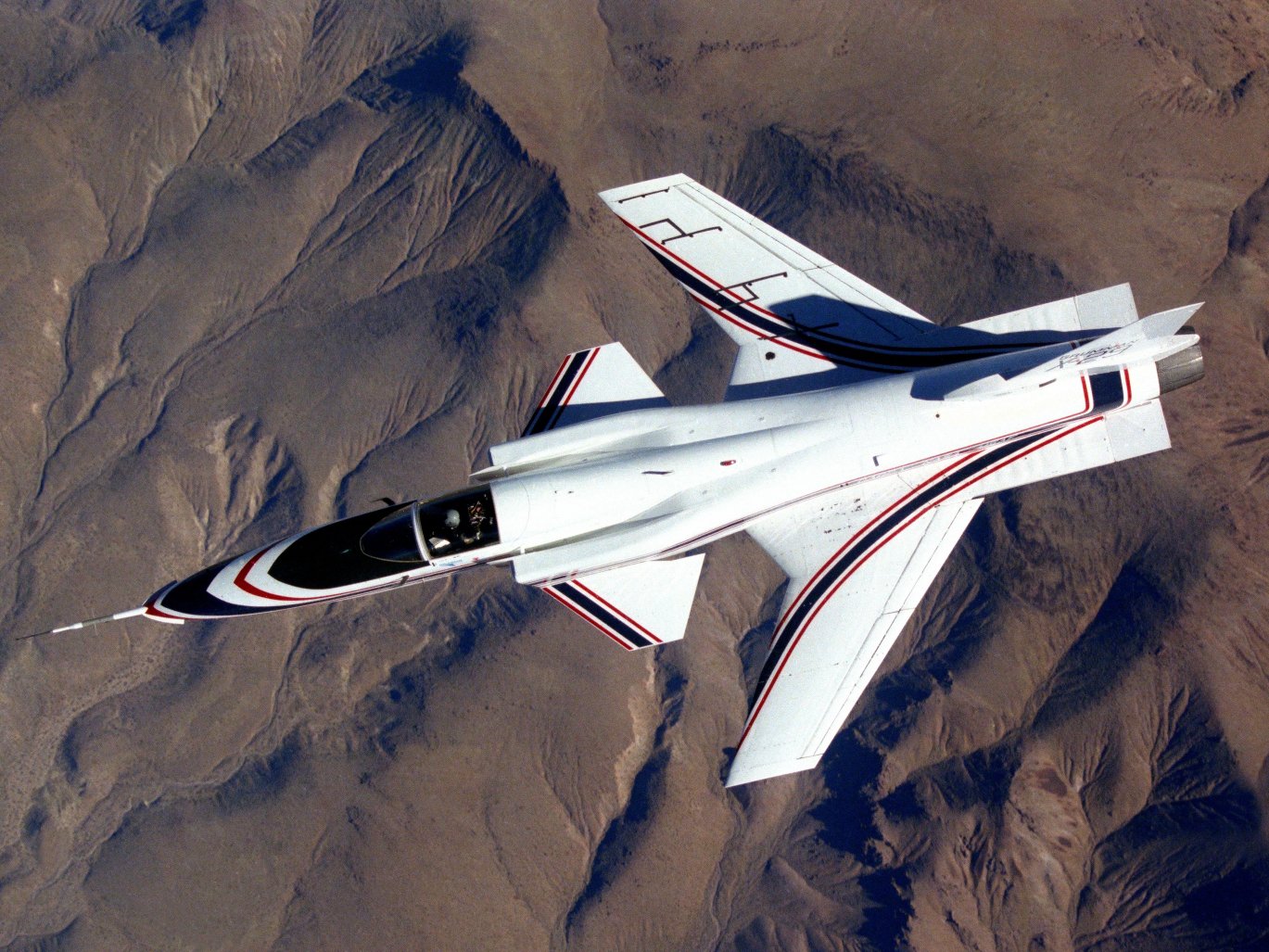
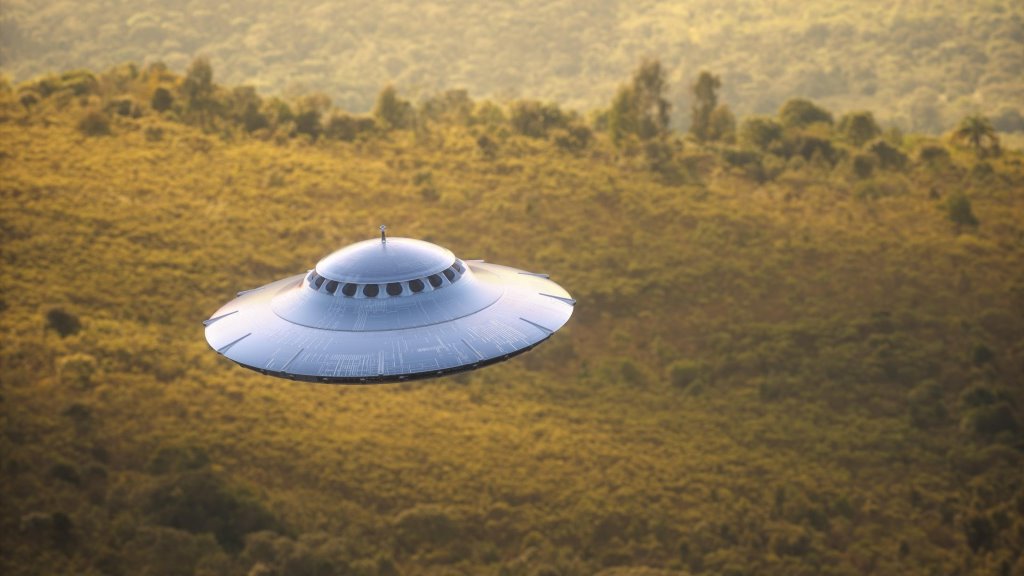
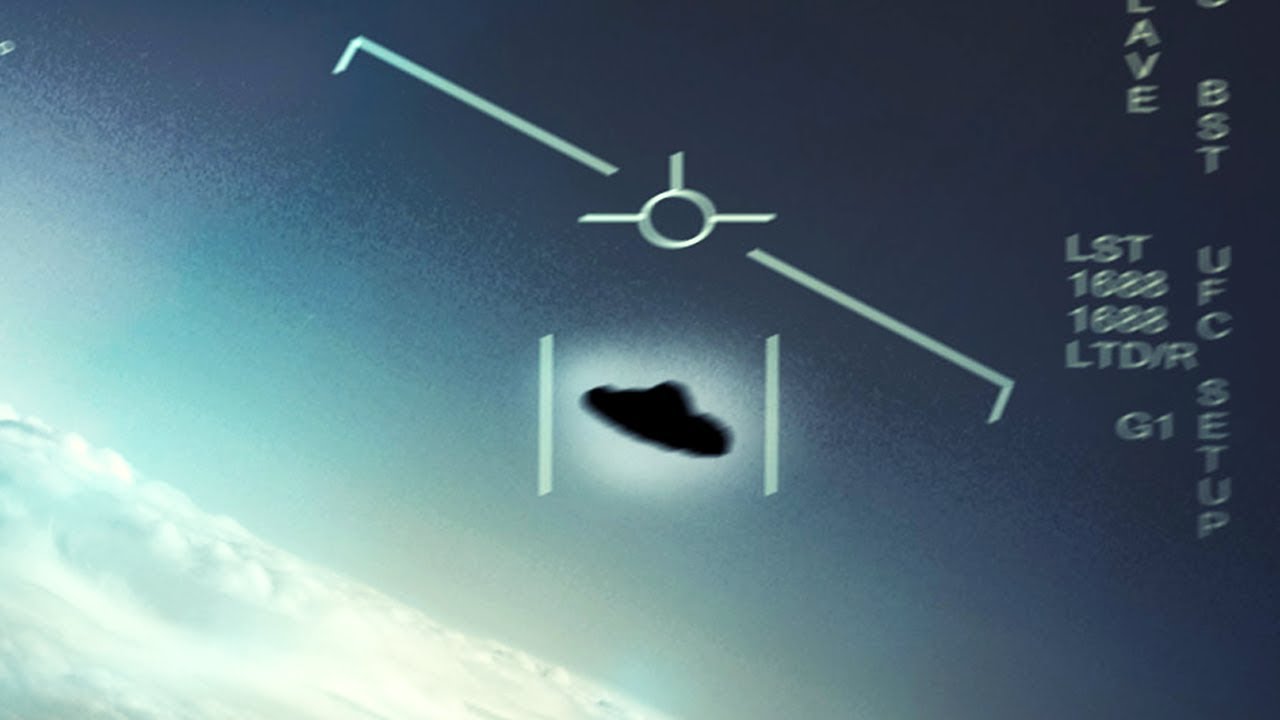
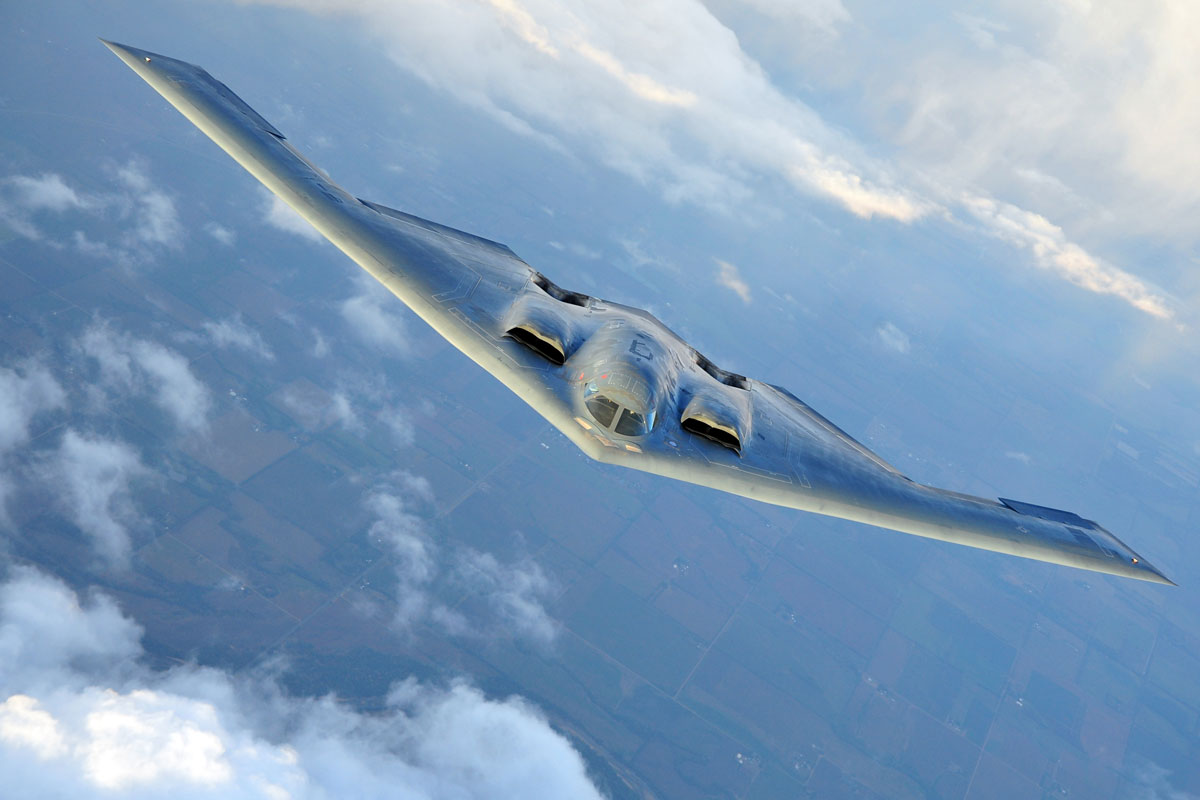
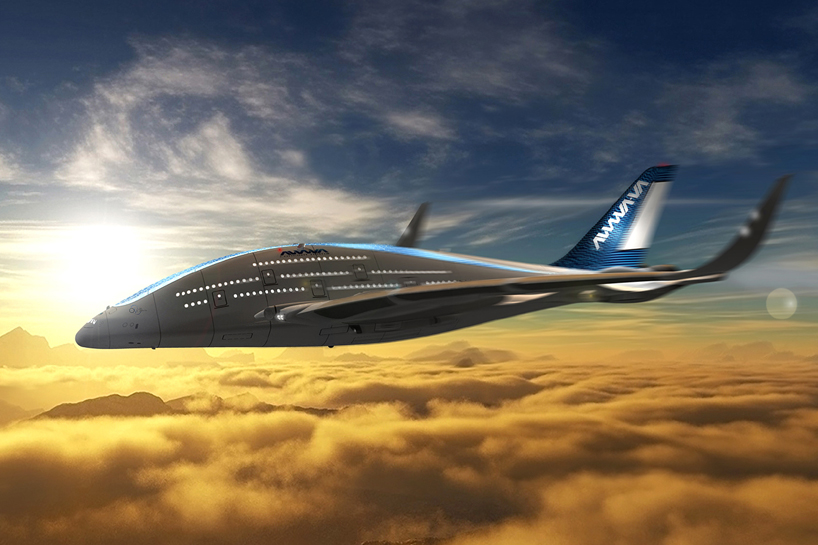
Aviation has always attracted bold thinkers—the kind of engineers and test pilots who look at the sky and wonder what might happen if they twisted the rules a little, ignored tradition, or pushed a strange idea further than anyone else dared. Beyond the sleek commercial jets and familiar military aircraft lies a hidden gallery of unconventional machines: flying discs, inflatable wings, tail-landing fighters, floating hybrids, and stealth prototypes that look like they came straight from a sci-fi storyboard. These aren’t the aircraft most people see in airports or documentaries. They’re the experiments that challenged expectations, blurred categories, and revealed how creative aviation can become when boundaries are intentionally shattered.

Share on Social Networks

Editor's Pick