

Top 10 Most Advanced Fighter Jets on Earth

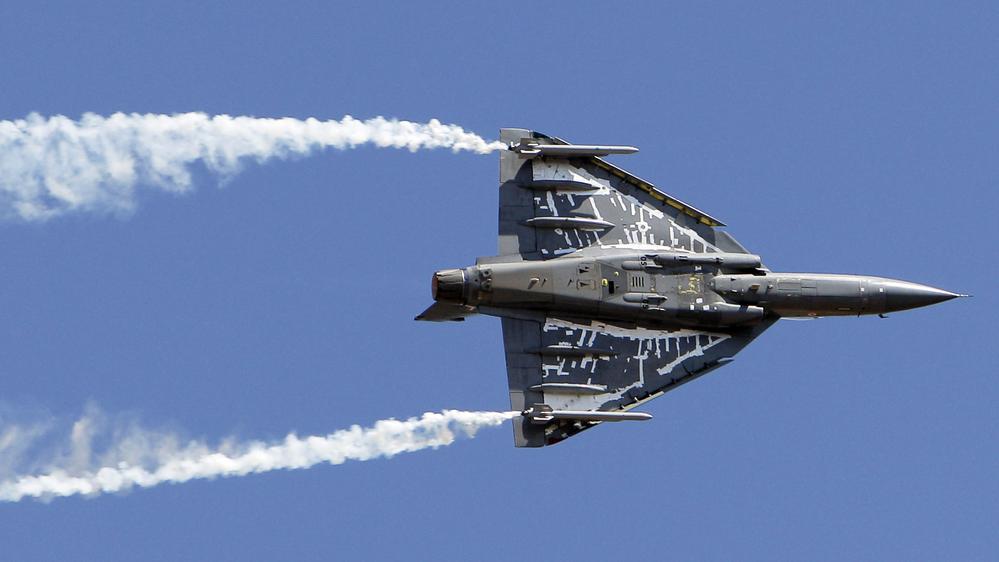
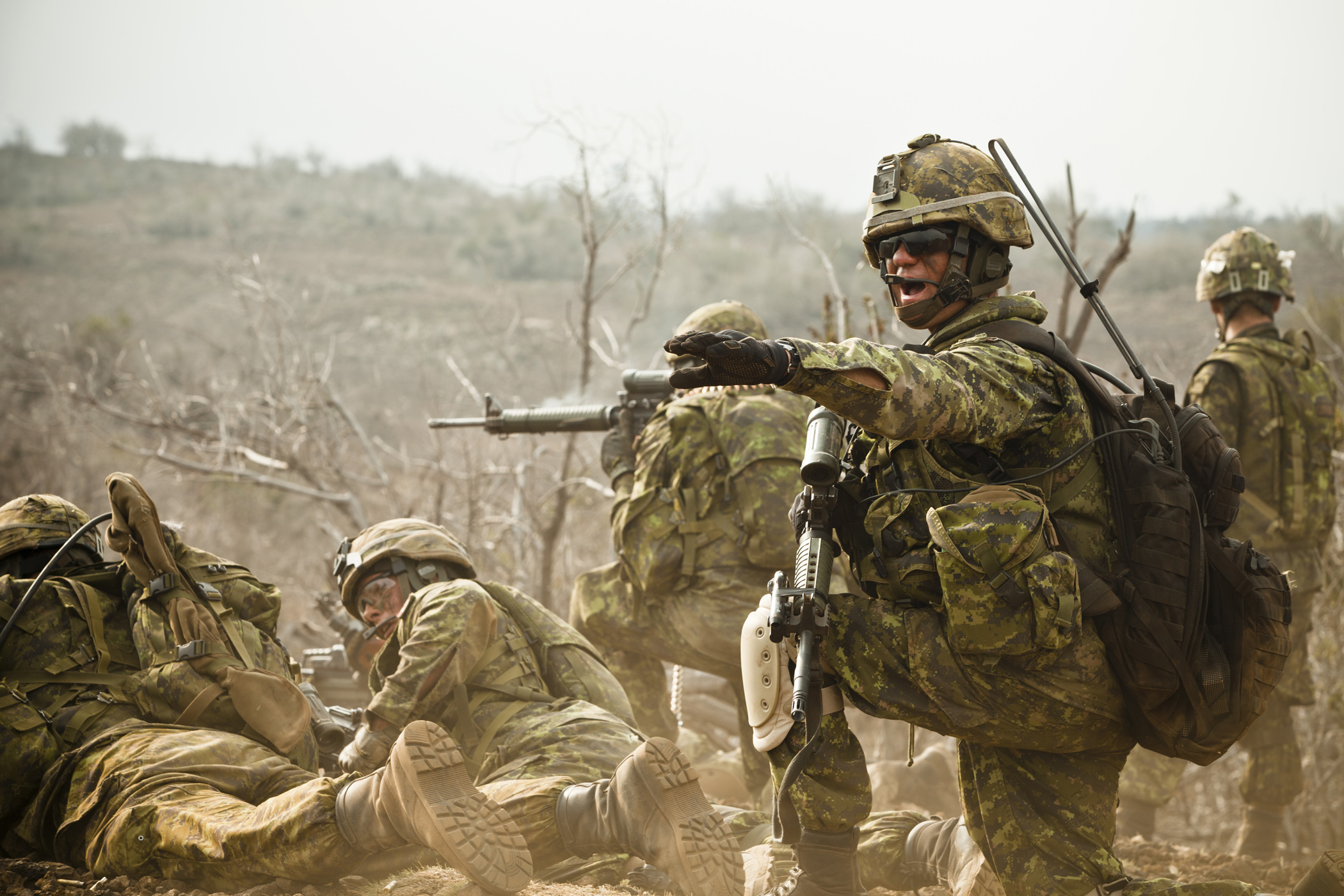
Modern fighter jets represent the absolute peak of military aviation, combining decades of aerodynamic research, stealth engineering, advanced computing, and weapons science into single airframes. These aircraft are no longer just tools for air-to-air combat; they are central nodes in complex combat networks that link satellites, ground radars, naval forces, drones, and other aircraft into one shared battlespace. A modern fighter pilot doesn’t just fly — they manage information, electronic warfare, and long-range precision strikes in environments where a single mistake can be fatal.

What truly separates today’s most advanced fighter jets from earlier generations isn’t raw speed or altitude, but awareness and survivability. Stealth shaping reduces radar visibility, sensor fusion turns massive streams of data into clear tactical pictures, and electronic warfare systems actively confuse or blind enemy defenses. Many of these jets can detect opponents long before they are seen, engage targets beyond visual range, and disengage without ever being tracked. In this environment, the aircraft that sees first almost always wins.

This article focuses on fighter jets that are currently operational or actively deployed, not experimental concepts or future designs still on the drawing board. Each aircraft on this list reflects a different national philosophy of air combat — from stealth-first designs and sensor dominance to extreme maneuverability and electronic attack. Some emphasize multirole flexibility, others are optimized for air superiority, interception, or maritime defense. All of them represent the highest level of combat aviation available on Earth today.

As global tensions rise and airspace becomes increasingly contested, these aircraft define the balance of power in the skies. Understanding what makes them advanced helps explain not only modern warfare, but also how nations project power, deter adversaries, and prepare for conflicts that may never be publicly acknowledged until they’re already underway.


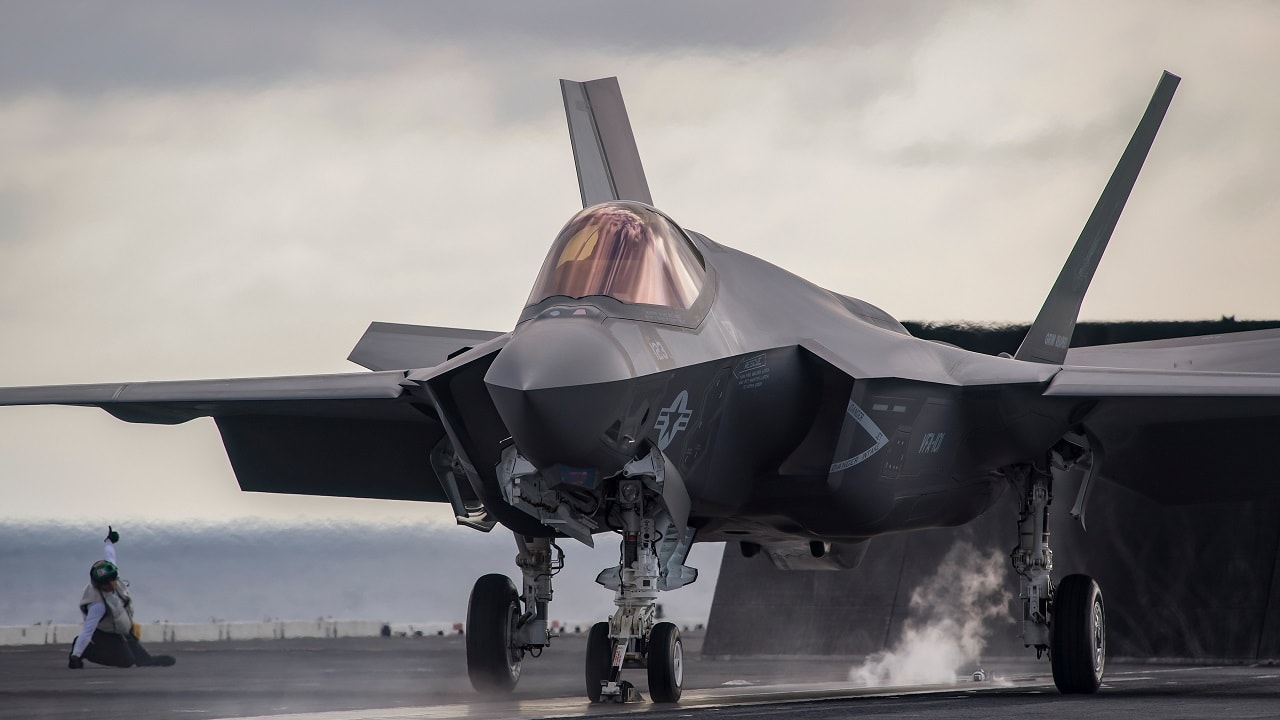
1. Lockheed Martin F-35 Lightning II (USA)

The F-35 is often misunderstood because it doesn’t chase extreme speed or dogfight theatrics. Its real strength lies in information dominance. The aircraft’s sensor fusion system combines radar, infrared, electronic intelligence, and data links into a single, seamless battlefield picture for the pilot.

The jet’s stealth design allows it to operate deep inside contested airspace while sharing real-time data with other aircraft, ships, and ground units. In many ways, the F-35 functions more like an airborne command node than a traditional fighter. Despite criticism over cost and development delays, it remains the most technologically integrated combat aircraft ever deployed at scale.


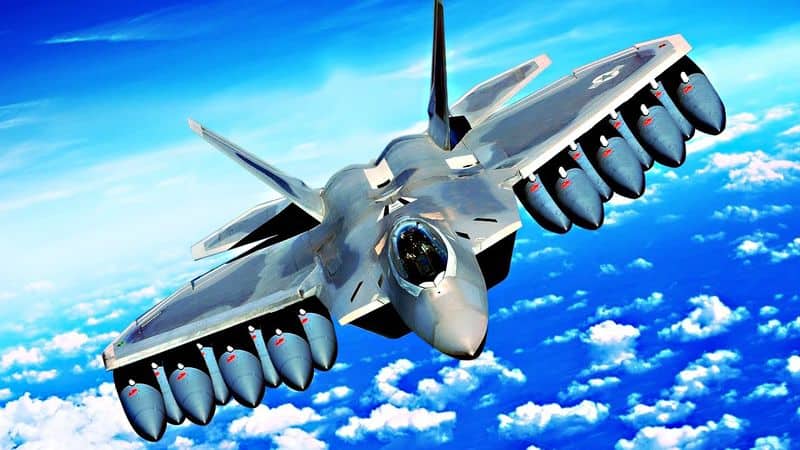
2. Lockheed Martin F-22 Raptor (USA)

The F-22 was the world’s first operational fifth-generation fighter, and even years after production ended, it remains terrifyingly capable. Its combination of stealth, supercruise (sustained supersonic flight without afterburners), agility, and powerful radar makes it a dominant air-to-air platform.

What truly sets the F-22 apart is how little is publicly known about its full capabilities. Many of its electronic warfare and sensor functions remain classified. While it lacks some of the networking features of newer jets, in a pure air-superiority role, few aircraft can challenge it.


3. Chengdu J-20 Mighty Dragon (China)

China’s J-20 represents a major leap in aerospace capability. Initially underestimated, later versions of the aircraft show significant improvements in engines, sensors, and stealth shaping. The J-20 is designed primarily as a long-range interceptor and command-and-control fighter rather than a close-range dogfighter.

Its large internal bays allow it to carry long-range air-to-air missiles, potentially targeting high-value assets like tankers and AWACS aircraft. As China continues refining its engines and avionics, the J-20 is rapidly becoming one of the most serious competitors to Western fifth-generation fighters.


4. Sukhoi Su-57 Felon (Russia)

The Su-57 takes a different philosophical approach to modern air combat. Instead of prioritizing stealth above all else, it balances reduced radar visibility with extreme maneuverability, powerful sensors, and advanced electronic warfare systems.

Its airframe is optimized for agility, and future versions are expected to feature advanced engines capable of supercruise and thrust vectoring. While production numbers remain limited and development has faced delays, the Su-57 is designed to operate alongside drones and other assets, reflecting Russia’s emphasis on mixed manned-unmanned operations.


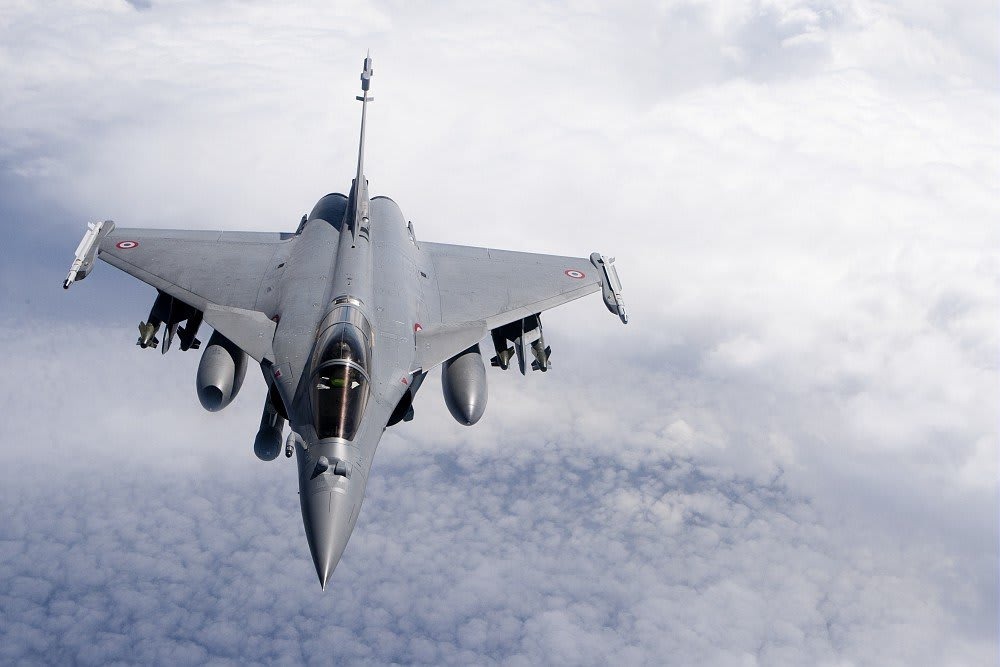
5. Dassault Rafale (France)

The Rafale is not a stealth fighter in the traditional sense, but its overall design minimizes radar signature while emphasizing versatility. It can perform air superiority, ground attack, reconnaissance, and nuclear deterrence missions in a single platform.

What makes the Rafale stand out is its electronic warfare suite, often described as one of the most advanced in the world. Combined with high reliability and combat-proven performance, the Rafale has become one of the most sought-after fighters on the export market.


6. Eurofighter Typhoon (Europe)

Developed jointly by multiple European nations, the Eurofighter Typhoon is a highly agile, fast, and continuously upgraded platform. Originally designed for air superiority, it has evolved into a capable multirole fighter with advanced radar and weapons integration.

Modern variants feature AESA radar systems, improved electronic warfare, and compatibility with next-generation missiles. While not stealthy in the fifth-generation sense, its performance and sensor upgrades keep it highly competitive.


7. Boeing F/A-18E/F Super Hornet Block III (USA)

The Super Hornet Block III represents the peak of fourth-generation fighter evolution. While it lacks true stealth, it compensates with advanced networking, reduced radar signature improvements, extended range, and enhanced cockpit systems.

It serves as a backbone of carrier-based air power and integrates seamlessly with newer platforms like the F-35. Its reliability, flexibility, and continuous upgrades make it one of the most capable non-stealth fighters still in frontline service.


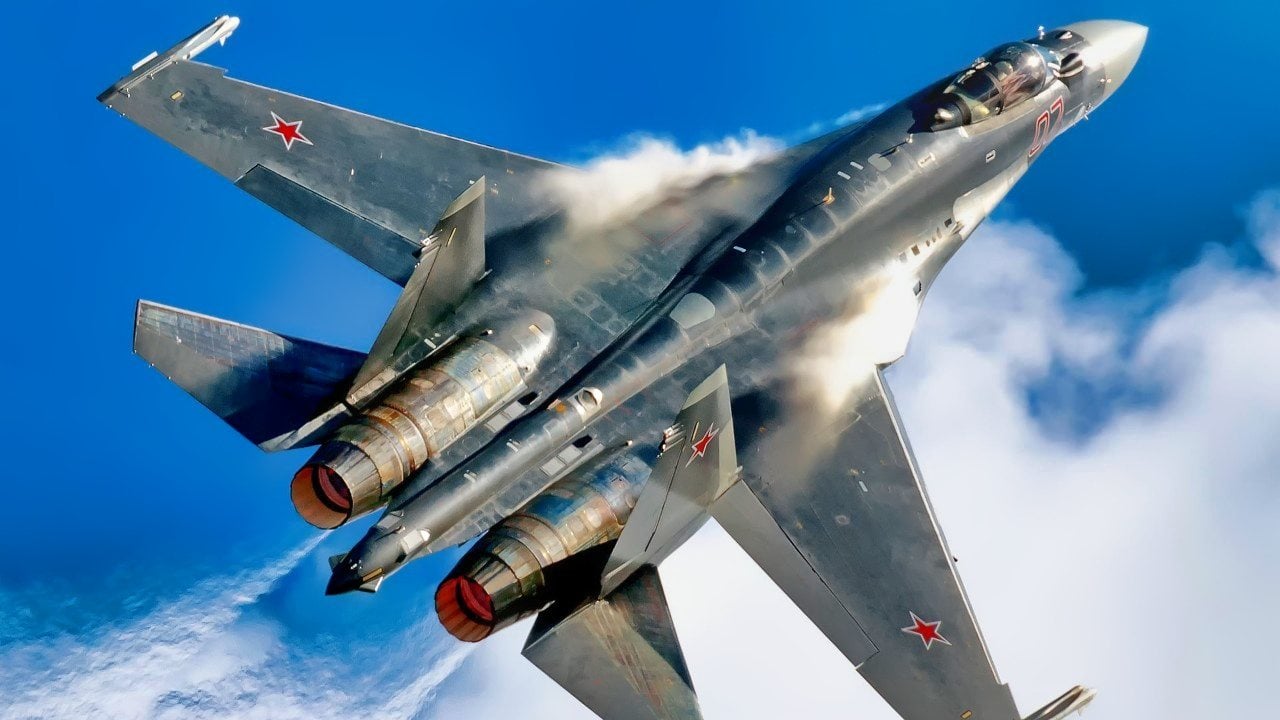
8. Sukhoi Su-35S (Russia)

The Su-35S is often described as a “4.5-generation” fighter, but that label doesn’t fully capture its capabilities. It features powerful radar, long-range missiles, and extreme maneuverability thanks to thrust-vectoring engines.

In visual-range combat, the Su-35S is exceptionally dangerous. While it lacks stealth, its electronic warfare systems and sensor power allow it to pose a serious threat in many combat scenarios.


9. JAS 39 Gripen E/F (Sweden)

The Gripen E is a modern, efficient fighter designed around networked warfare. It emphasizes electronic warfare, sensor fusion, and rapid adaptability rather than brute force.

One of its greatest strengths is cost-effectiveness without sacrificing advanced capability. The aircraft is designed to operate from short runways, integrate easily with NATO systems, and receive frequent software updates that keep it relevant in rapidly changing threat environments.


10. Mitsubishi F-2 (Japan)

Often overlooked outside Asia, the F-2 is a highly advanced multirole fighter developed jointly by Japan and the United States. Based on the F-16 but significantly modified, it features a larger wing, advanced radar, and enhanced maritime strike capability.

Its AESA radar was among the first operational systems of its kind, and the aircraft is optimized for Japan’s unique defense needs, particularly naval and coastal operations.


Modern fighter jets are no longer judged solely by speed or dogfighting ability. The real measure of advancement lies in how well an aircraft gathers information, shares it, and survives in hostile environments saturated with sensors and missiles. As sixth-generation projects quietly move forward, these ten aircraft represent the cutting edge of air combat — for now.

Top 10 Most Advanced Fighter Jets on Earth

Top 10 Most Advanced Fighter Jets on Earth

Modern fighter jets represent the absolute peak of military aviation, combining decades of aerodynamic research, stealth engineering, advanced computing, and weapons science into single airframes. These aircraft are no longer just tools for air-to-air combat; they are central nodes in complex combat networks that link satellites, ground radars, naval forces, drones, and other aircraft into one shared battlespace. A modern fighter pilot doesn’t just fly — they manage information, electronic warfare, and long-range precision strikes in environments where a single mistake can be fatal.

What truly separates today’s most advanced fighter jets from earlier generations isn’t raw speed or altitude, but awareness and survivability. Stealth shaping reduces radar visibility, sensor fusion turns massive streams of data into clear tactical pictures, and electronic warfare systems actively confuse or blind enemy defenses. Many of these jets can detect opponents long before they are seen, engage targets beyond visual range, and disengage without ever being tracked. In this environment, the aircraft that sees first almost always wins.

This article focuses on fighter jets that are currently operational or actively deployed, not experimental concepts or future designs still on the drawing board. Each aircraft on this list reflects a different national philosophy of air combat — from stealth-first designs and sensor dominance to extreme maneuverability and electronic attack. Some emphasize multirole flexibility, others are optimized for air superiority, interception, or maritime defense. All of them represent the highest level of combat aviation available on Earth today.

As global tensions rise and airspace becomes increasingly contested, these aircraft define the balance of power in the skies. Understanding what makes them advanced helps explain not only modern warfare, but also how nations project power, deter adversaries, and prepare for conflicts that may never be publicly acknowledged until they’re already underway.


1. Lockheed Martin F-35 Lightning II (USA)

The F-35 is often misunderstood because it doesn’t chase extreme speed or dogfight theatrics. Its real strength lies in information dominance. The aircraft’s sensor fusion system combines radar, infrared, electronic intelligence, and data links into a single, seamless battlefield picture for the pilot.

The jet’s stealth design allows it to operate deep inside contested airspace while sharing real-time data with other aircraft, ships, and ground units. In many ways, the F-35 functions more like an airborne command node than a traditional fighter. Despite criticism over cost and development delays, it remains the most technologically integrated combat aircraft ever deployed at scale.


2. Lockheed Martin F-22 Raptor (USA)

The F-22 was the world’s first operational fifth-generation fighter, and even years after production ended, it remains terrifyingly capable. Its combination of stealth, supercruise (sustained supersonic flight without afterburners), agility, and powerful radar makes it a dominant air-to-air platform.

What truly sets the F-22 apart is how little is publicly known about its full capabilities. Many of its electronic warfare and sensor functions remain classified. While it lacks some of the networking features of newer jets, in a pure air-superiority role, few aircraft can challenge it.


3. Chengdu J-20 Mighty Dragon (China)

China’s J-20 represents a major leap in aerospace capability. Initially underestimated, later versions of the aircraft show significant improvements in engines, sensors, and stealth shaping. The J-20 is designed primarily as a long-range interceptor and command-and-control fighter rather than a close-range dogfighter.

Its large internal bays allow it to carry long-range air-to-air missiles, potentially targeting high-value assets like tankers and AWACS aircraft. As China continues refining its engines and avionics, the J-20 is rapidly becoming one of the most serious competitors to Western fifth-generation fighters.


4. Sukhoi Su-57 Felon (Russia)

The Su-57 takes a different philosophical approach to modern air combat. Instead of prioritizing stealth above all else, it balances reduced radar visibility with extreme maneuverability, powerful sensors, and advanced electronic warfare systems.

Its airframe is optimized for agility, and future versions are expected to feature advanced engines capable of supercruise and thrust vectoring. While production numbers remain limited and development has faced delays, the Su-57 is designed to operate alongside drones and other assets, reflecting Russia’s emphasis on mixed manned-unmanned operations.


5. Dassault Rafale (France)

The Rafale is not a stealth fighter in the traditional sense, but its overall design minimizes radar signature while emphasizing versatility. It can perform air superiority, ground attack, reconnaissance, and nuclear deterrence missions in a single platform.

What makes the Rafale stand out is its electronic warfare suite, often described as one of the most advanced in the world. Combined with high reliability and combat-proven performance, the Rafale has become one of the most sought-after fighters on the export market.


6. Eurofighter Typhoon (Europe)

Developed jointly by multiple European nations, the Eurofighter Typhoon is a highly agile, fast, and continuously upgraded platform. Originally designed for air superiority, it has evolved into a capable multirole fighter with advanced radar and weapons integration.

Modern variants feature AESA radar systems, improved electronic warfare, and compatibility with next-generation missiles. While not stealthy in the fifth-generation sense, its performance and sensor upgrades keep it highly competitive.


7. Boeing F/A-18E/F Super Hornet Block III (USA)

The Super Hornet Block III represents the peak of fourth-generation fighter evolution. While it lacks true stealth, it compensates with advanced networking, reduced radar signature improvements, extended range, and enhanced cockpit systems.

It serves as a backbone of carrier-based air power and integrates seamlessly with newer platforms like the F-35. Its reliability, flexibility, and continuous upgrades make it one of the most capable non-stealth fighters still in frontline service.


8. Sukhoi Su-35S (Russia)

The Su-35S is often described as a “4.5-generation” fighter, but that label doesn’t fully capture its capabilities. It features powerful radar, long-range missiles, and extreme maneuverability thanks to thrust-vectoring engines.

In visual-range combat, the Su-35S is exceptionally dangerous. While it lacks stealth, its electronic warfare systems and sensor power allow it to pose a serious threat in many combat scenarios.


9. JAS 39 Gripen E/F (Sweden)

The Gripen E is a modern, efficient fighter designed around networked warfare. It emphasizes electronic warfare, sensor fusion, and rapid adaptability rather than brute force.

One of its greatest strengths is cost-effectiveness without sacrificing advanced capability. The aircraft is designed to operate from short runways, integrate easily with NATO systems, and receive frequent software updates that keep it relevant in rapidly changing threat environments.


10. Mitsubishi F-2 (Japan)

Often overlooked outside Asia, the F-2 is a highly advanced multirole fighter developed jointly by Japan and the United States. Based on the F-16 but significantly modified, it features a larger wing, advanced radar, and enhanced maritime strike capability.

Its AESA radar was among the first operational systems of its kind, and the aircraft is optimized for Japan’s unique defense needs, particularly naval and coastal operations.


Modern fighter jets are no longer judged solely by speed or dogfighting ability. The real measure of advancement lies in how well an aircraft gathers information, shares it, and survives in hostile environments saturated with sensors and missiles. As sixth-generation projects quietly move forward, these ten aircraft represent the cutting edge of air combat — for now.