
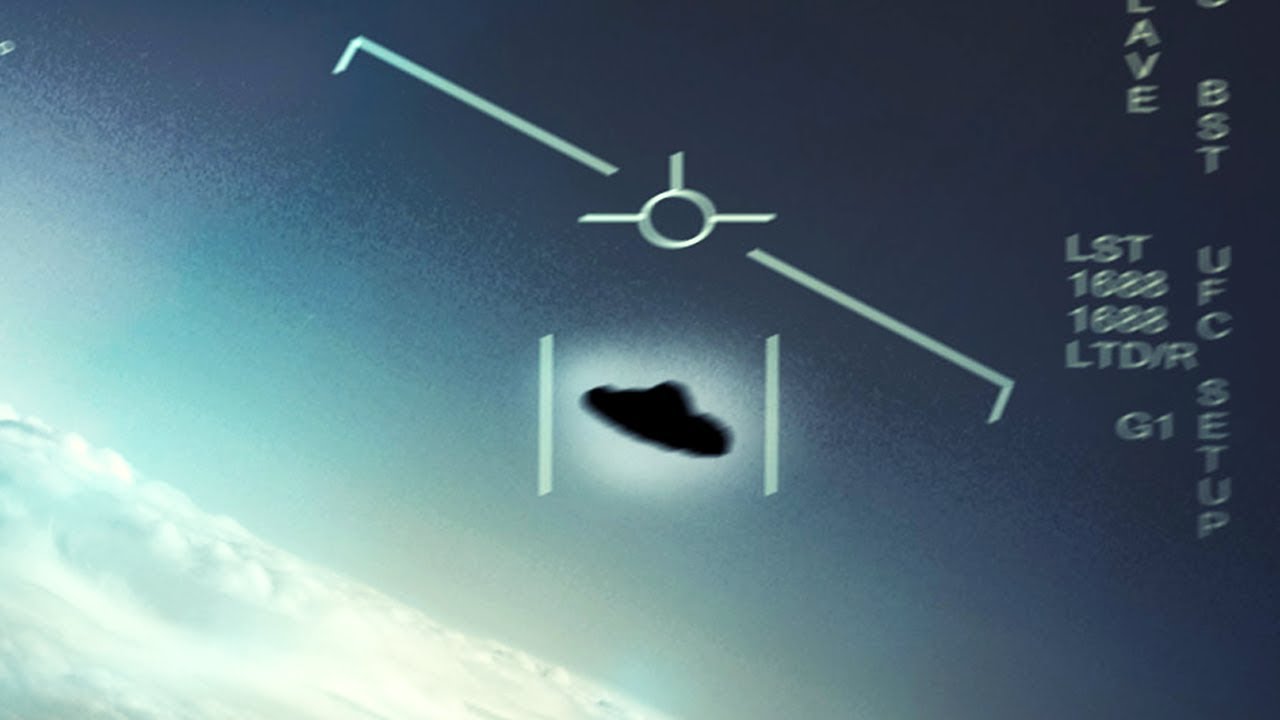
Newly released Navy “hazard reports” describing encounters between U.S. military aircraft and what are now officially referred to as unidentified aerial phenomena have added new texture and specificity to a story that has already drawn global attention. These documents surfaced shortly after the Pentagon formally declassified and released three infrared videos showing strange aerial objects recorded during training missions, footage that quickly reignited public debate about what exactly pilots have been encountering in restricted airspace.
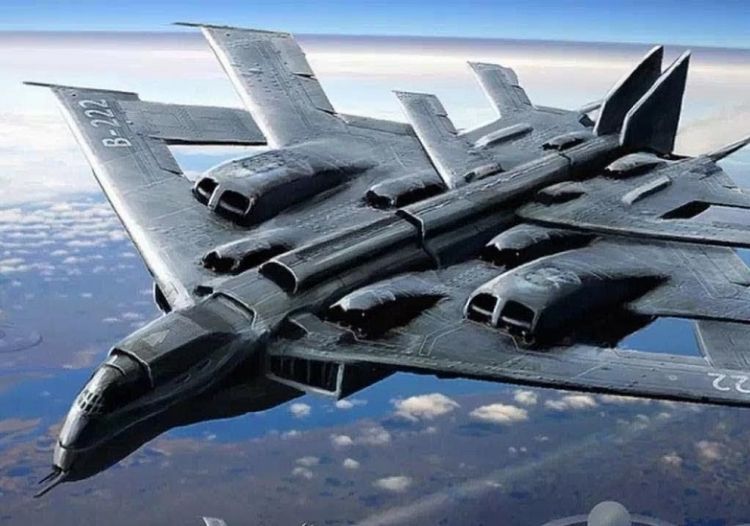
Modern military power is no longer defined only by the size of armies or the number of missiles in storage. It is shaped by how quickly a country can adapt technology to real-world conditions, how effectively it can combine automation with human control, and how well its systems perform when traditional assumptions about warfare no longer apply. In this environment, recent Russian military technologies reflect a clear focus on practicality, survivability, and operational flexibility rather than spectacle or abstract futurism.

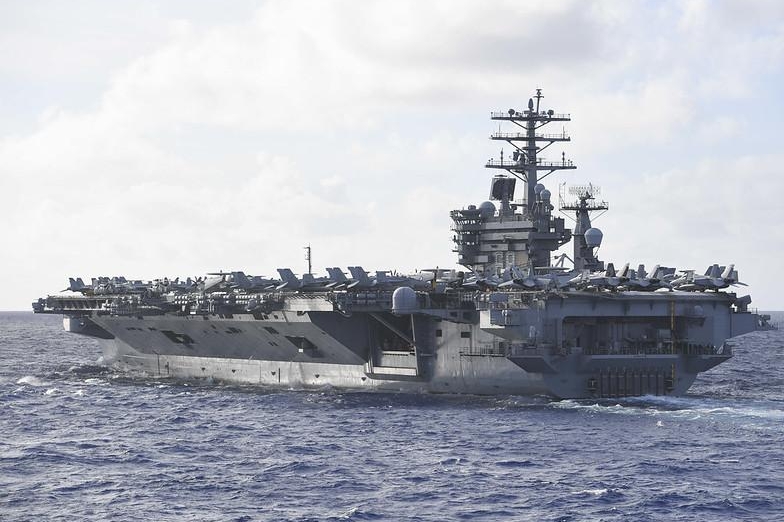
Aircraft carriers are often described as floating air bases, but that phrase barely captures their true significance. These massive warships are mobile centers of power projection, capable of launching air operations anywhere on the planet without relying on foreign bases. Since World War II, aircraft carriers have become the backbone of blue-water navies, allowing nations to project military, political, and humanitarian influence far beyond their coastlines. Their presence alone can deter conflict, reassure allies, or signal that a nation is prepared to act.

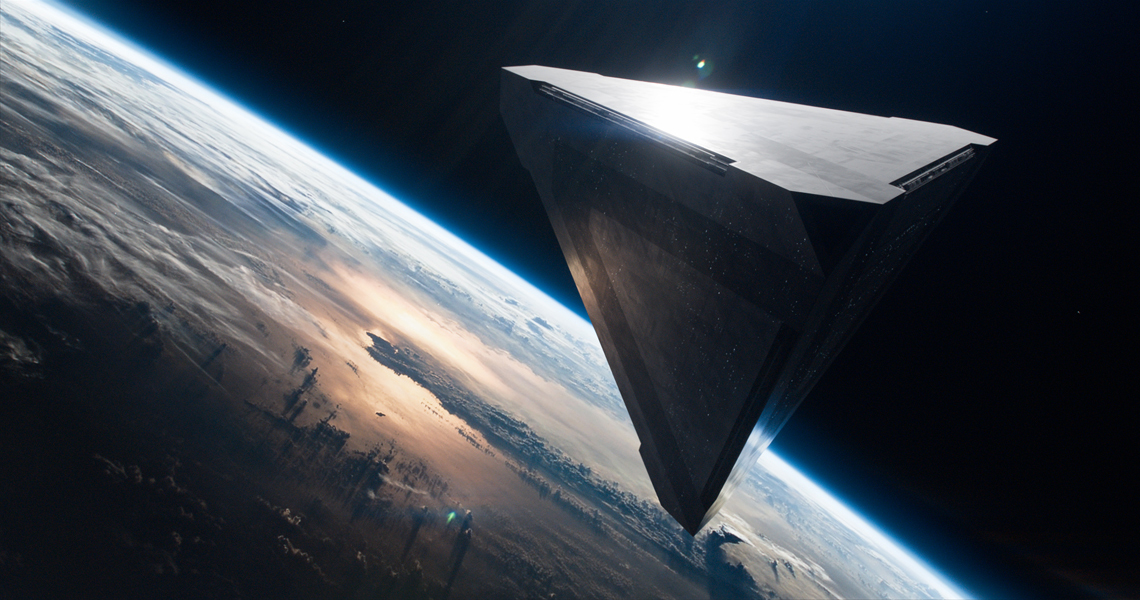
Science fiction has always loved its ships, but not just as vehicles that move characters from one place to another. The best sci-fi spacecraft feel like ideas made solid — expressions of fear, hope, ambition, and ego, all wrapped in metal, glass, and impossible technology. Long before audiences cared about technical specifications or power rankings, these ships existed to set a mood, define a universe, and quietly tell us what kind of story we were stepping into.

Modern warfare is undergoing a quiet but profound transformation. While headlines often focus on troop movements, geopolitical tensions, and conventional weapons, much of the real change is happening far from the battlefield, inside research facilities, laboratories, and testing grounds. As instability grows across multiple regions of the world, military planners are increasingly convinced that technological superiority—not sheer force—will define success in future conflicts. This belief has pushed military research and development into a period of renewed urgency, with massive investments aimed at reshaping how wars are fought, deterred, and prevented.

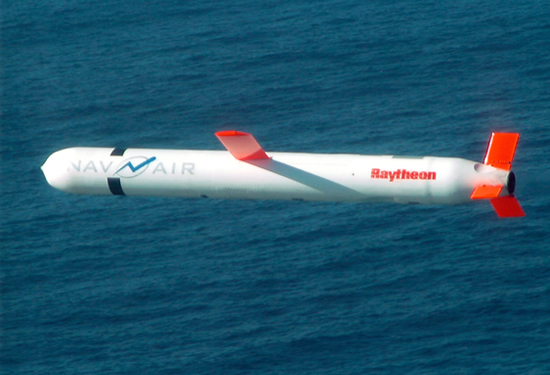
Cruise missiles have quietly become one of the most decisive weapons of modern warfare. Unlike ballistic missiles, which follow predictable arcs and are easier to track once launched, cruise missiles stay inside Earth’s atmosphere, fly low, think independently, and adapt as they move toward their targets. Some skim just meters above the sea. Others hug terrain, weave through valleys, or suddenly accelerate in the final seconds before impact. What makes them especially dangerous is not just the explosive power they carry, but how difficult they are to detect, intercept, or stop in time.

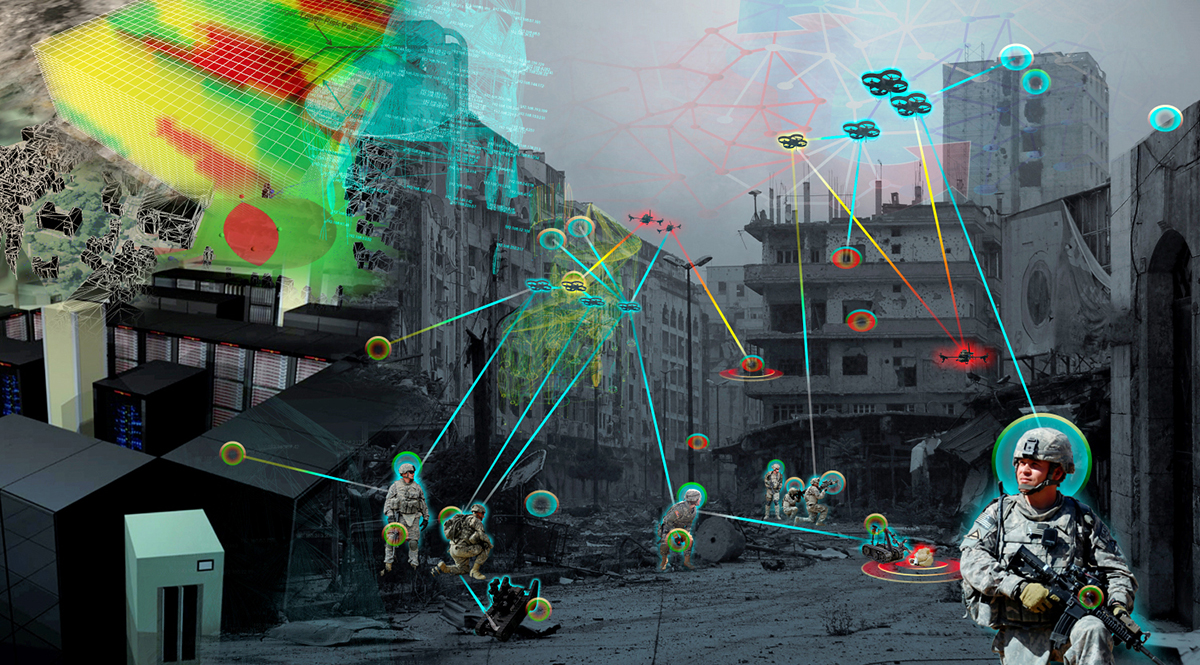
For most of military history, wars were shaped by numbers, geography, and raw firepower. Whoever had more soldiers, more weapons, or better terrain usually held the advantage. That logic is quietly breaking down. Modern warfare is no longer defined only by tanks, jets, and missiles, but by algorithms running silently behind screens—an invisible layer of decision-making that never sleeps, never panics, and never forgets.

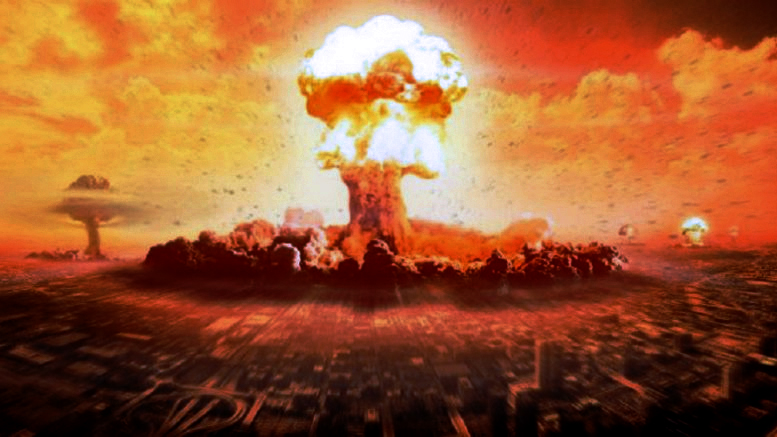
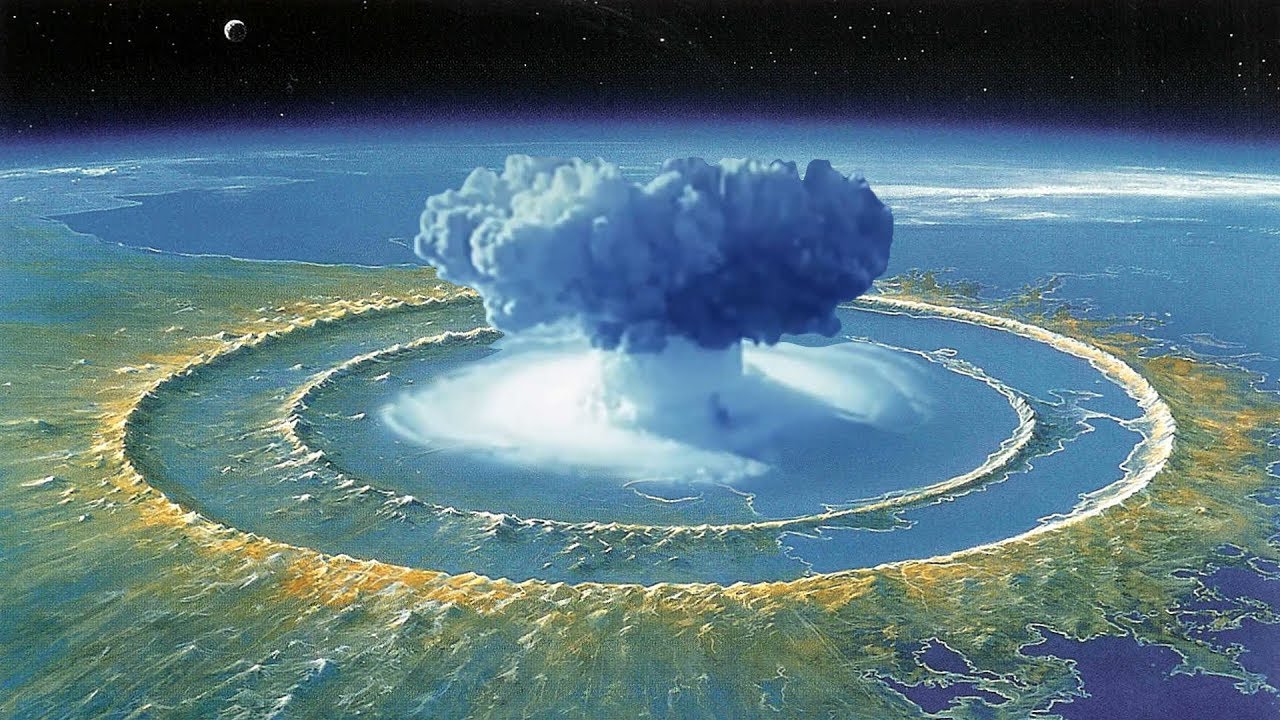
The story of the world’s most powerful nuclear weapons is inseparable from the fears, ambitions, and rivalries of the twentieth century. These devices were not created in a vacuum, nor were they designed purely for military practicality. They emerged from an era defined by existential anxiety, when global powers believed that survival depended on possessing weapons so devastating that no enemy would dare strike first. In that environment, explosive yield became a kind of currency, a measurable symbol of national strength, technological superiority, and political resolve.

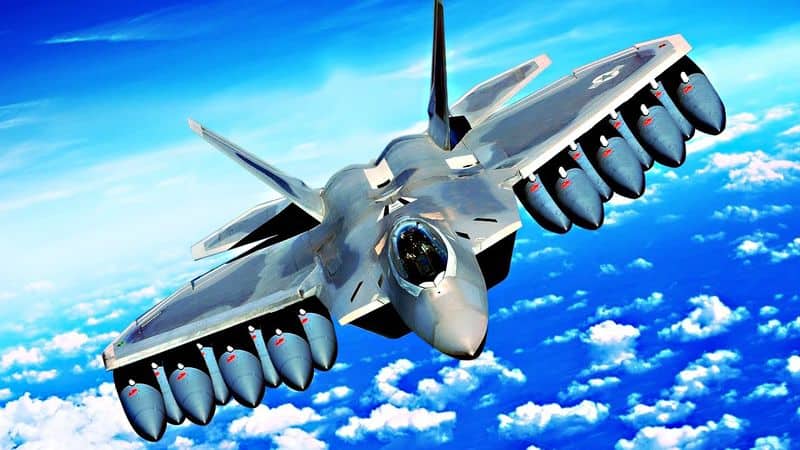
Modern fighter jets represent the absolute peak of military aviation, combining decades of aerodynamic research, stealth engineering, advanced computing, and weapons science into single airframes. These aircraft are no longer just tools for air-to-air combat; they are central nodes in complex combat networks that link satellites, ground radars, naval forces, drones, and other aircraft into one shared battlespace. A modern fighter pilot doesn’t just fly — they manage information, electronic warfare, and long-range precision strikes in environments where a single mistake can be fatal.

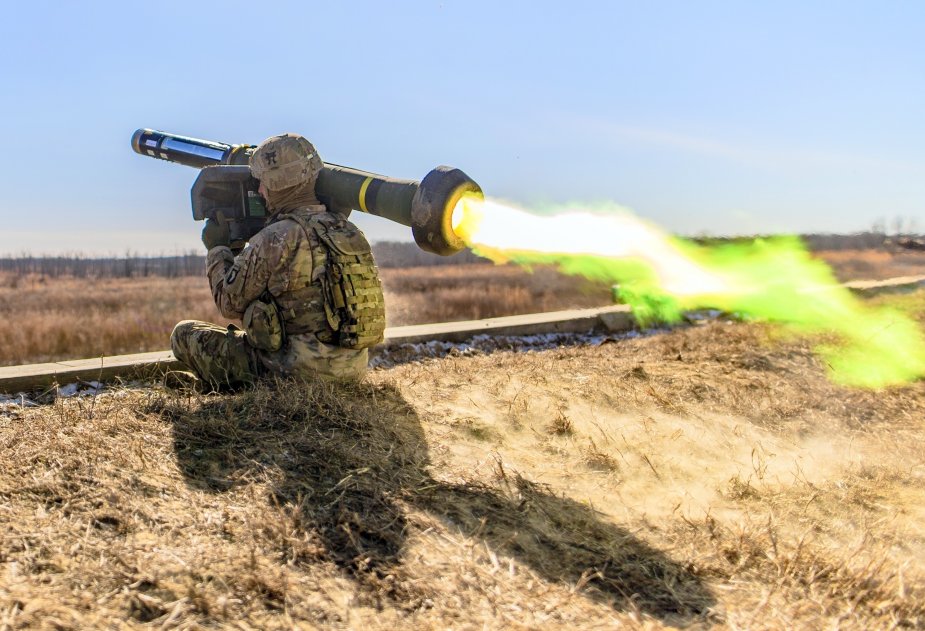
Anti-tank guided missiles were created to give infantry forces the ability to defeat heavily armored vehicles without relying on aircraft, artillery, or large armored platforms. Over time, these weapons evolved from simple wire-guided systems into highly sophisticated precision tools capable of striking from above, operating autonomously after launch, and defeating advanced protective systems found on modern main battle tanks.

The previous month, the National Nuclear Security Administration, the modern successor to what was once known as the Atomic Energy Commission, confirmed that the first unit of a new class of strategic nuclear weapons had completed production at the Pantex nuclear weapons facility in the Texas Panhandle. The warhead in question, designated the W76-2, was built specifically for deployment aboard submarine-launched Trident missiles, platforms capable of traveling more than 7,500 miles from their launch point. Within a matter of months, a number of these warheads—how many remains undisclosed—were scheduled for transfer to the U.S. Navy, where they would be integrated into active operational systems.

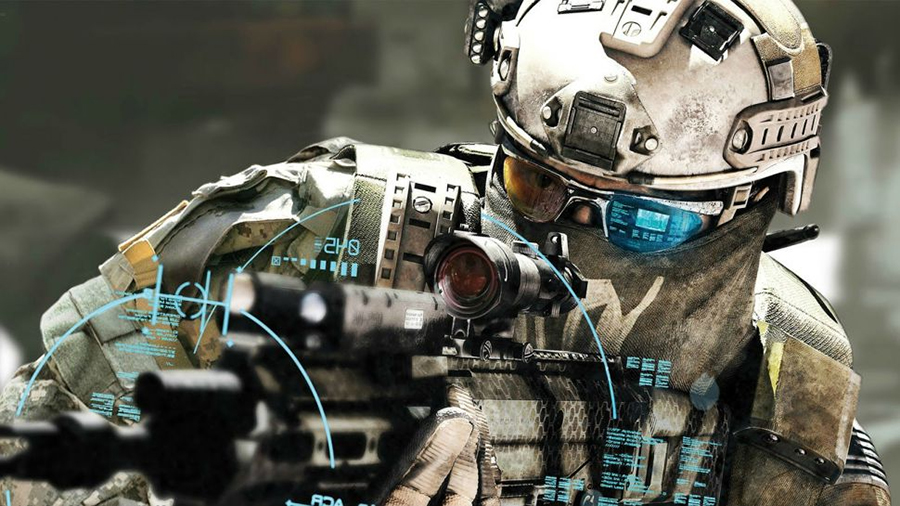
Military technology has always evolved quietly, often years ahead of what the public ever gets to see. While movies and video games give us flashy guesses about future warfare, the real developments usually happen behind locked doors, under code names, and buried inside classified budgets. If you compare the weapons of World War II to modern systems, the difference feels almost unreal. Today’s battlefield isn’t just about tanks and fighter jets anymore — it’s about automation, energy weapons, artificial intelligence, and platforms that blur the line between science fiction and reality.