
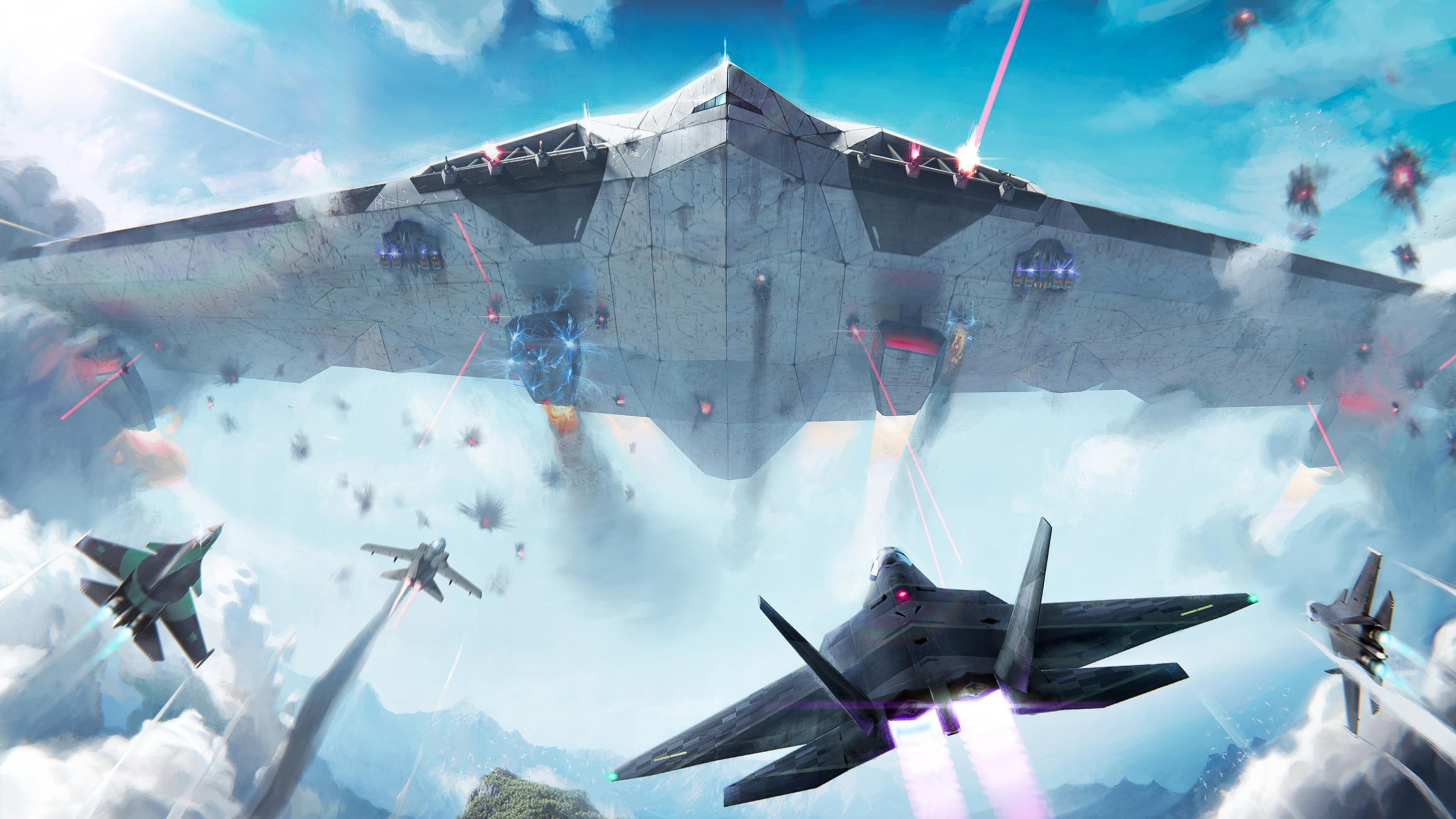
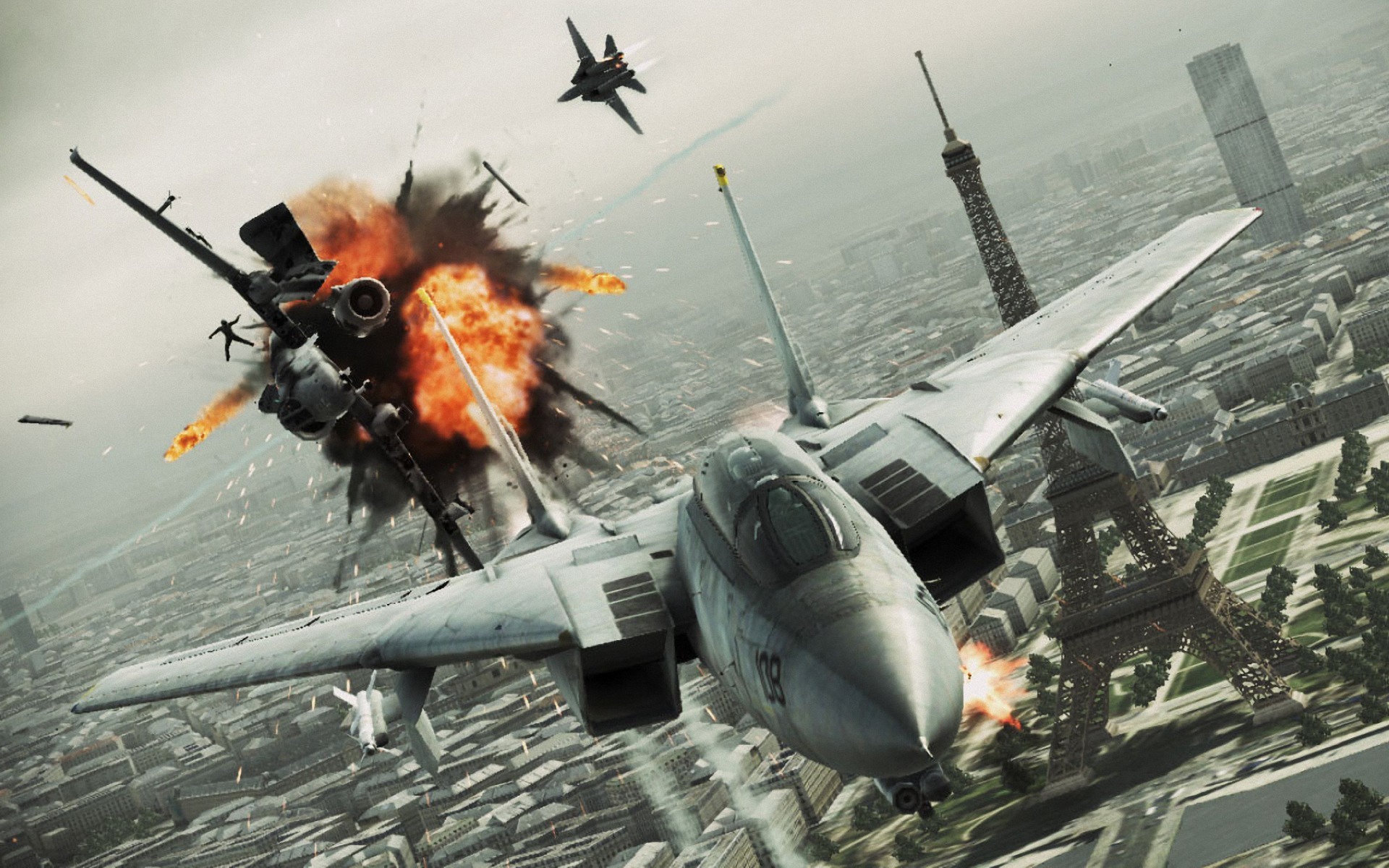
If you’ve ever looked up at a passing jet and wondered what it would feel like to be inside the cockpit, flight simulators are the closest thing to making that curiosity real. Very few people will ever fly a fighter jet or land a wide-body airliner in real life, but in the digital world, those barriers disappear. Modern flight simulators and air combat games allow you to experience aviation from angles that range from calm sightseeing flights to high-stress dogfights at supersonic speed.
Cinema and aviation were born almost side by side, each emerging at the turn of the twentieth century and capturing the public imagination in remarkably similar ways. As humans first learned to leave the ground and challenge gravity, filmmakers were discovering how to tell stories through moving images. It is hardly surprising that airplanes, pilots, and the promise of flight became recurring subjects on the silver screen. Aviation films have long served as windows into moments of technical triumph, historical upheaval, and personal courage, while also providing spectacle, tension, and, at times, pure entertainment.

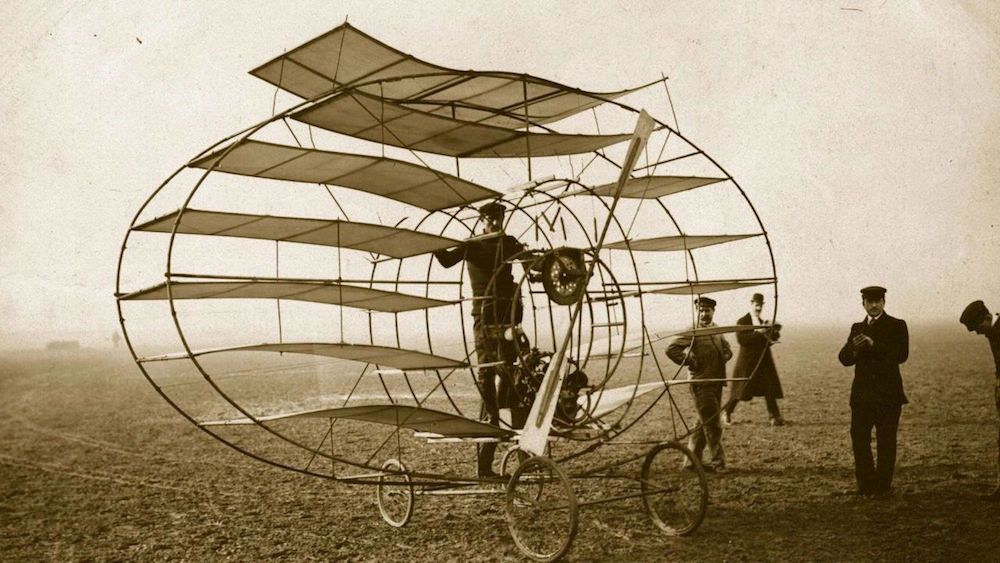
Long before airplanes became reliable machines that could cross oceans and continents, flight was a dangerous idea filled with uncertainty, broken bones, and crushed dreams. Early flying machines were not born from neat equations or proven aerodynamic rules. They emerged from imagination, trial and error, and a deep human desire to escape gravity. Many of the earliest attempts at flight failed spectacularly, and some ended tragically, yet each failure pushed humanity closer to understanding how flight truly worked.

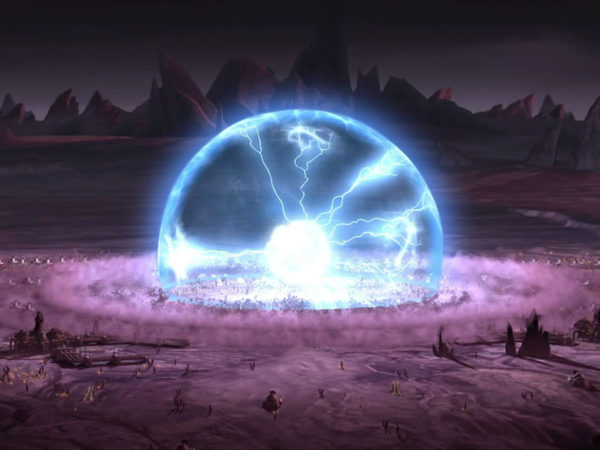
Antimatter has long occupied a strange space between hard science and science fiction. It is real, measurable, and studied daily in laboratories, yet its potential power is so extreme that it often feels abstract or mythical. The idea of an antimatter bomb pushes this tension to the limit. It raises a simple but unsettling question: if antimatter is the most energy-dense substance known, what would actually happen if it were detonated on Earth?

To answer that, we first need to understand what antimatter really is, how energy is released when it meets normal matter, and why the gap between theory and reality is far wider than most people realize.