


Top 10 Deadliest and Most Powerful Cruise Missiles in the World

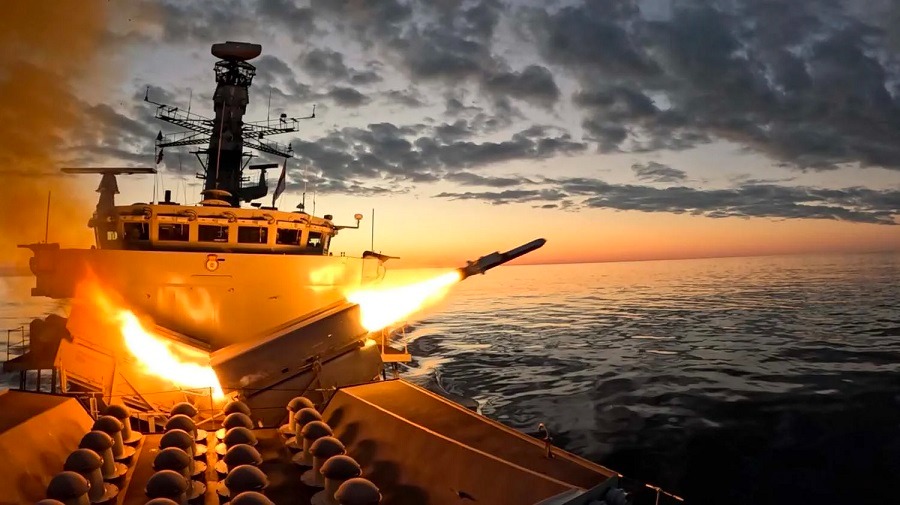
Cruise missiles have quietly become one of the most decisive weapons of modern warfare. Unlike ballistic missiles, which follow predictable arcs and are easier to track once launched, cruise missiles stay inside Earth’s atmosphere, fly low, think independently, and adapt as they move toward their targets. Some skim just meters above the sea. Others hug terrain, weave through valleys, or suddenly accelerate in the final seconds before impact. What makes them especially dangerous is not just the explosive power they carry, but how difficult they are to detect, intercept, or stop in time.

Over the years, cruise missiles have evolved far beyond their early roots in World War II flying bombs. Today’s versions combine advanced propulsion, stealth shaping, satellite navigation, terrain mapping, infrared imaging, radar seekers, and electronic countermeasures. They can be launched from aircraft, ships, submarines, mobile ground vehicles, and in some cases from platforms designed to look completely civilian. Some are built for tactical naval combat, others for deep strategic strikes against hardened bunkers, command centers, and critical infrastructure thousands of kilometers away.

This list focuses on currently operational or widely acknowledged cruise missiles that represent the highest levels of lethality, range, speed, payload capability, and survivability. Rankings are based on real-world deployment, technological maturity, and overall destructive potential — not marketing claims or experimental concepts.


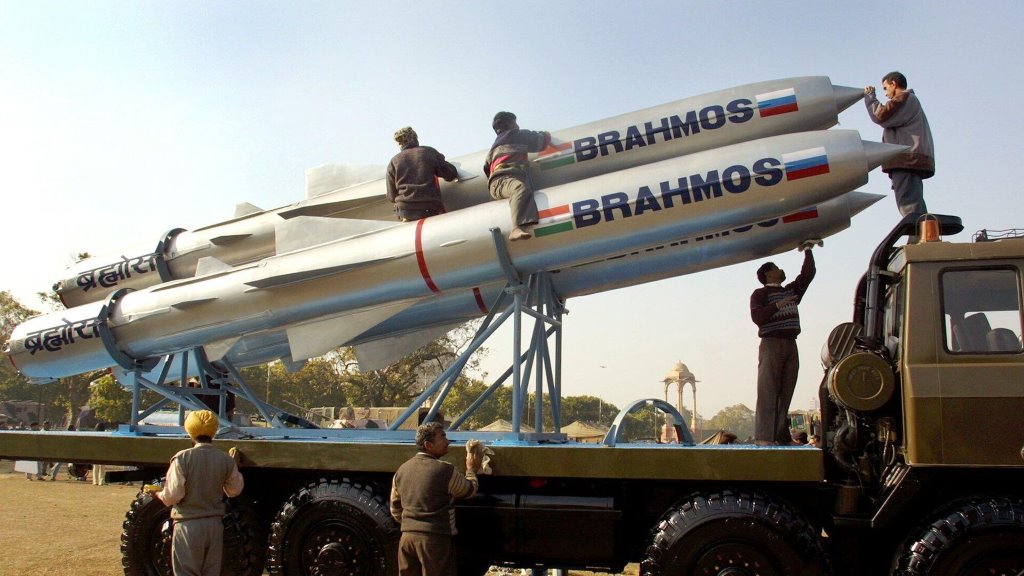
1. BrahMos (India / Russia)

BrahMos sits at the top because it combines speed, power, and versatility better than any other operational cruise missile. Capable of flying at nearly Mach 3, it gives enemy defenses extremely little time to react. Its speed alone makes interception exceptionally difficult, and when combined with sea-skimming flight profiles and terminal maneuvers, it becomes a nightmare for naval air defenses.

BrahMos can be launched from ships, submarines, aircraft, and mobile ground platforms. Its warhead delivers devastating kinetic and explosive impact, and its reliability has been proven through repeated tests and operational deployment. In terms of sheer lethality in real-world conditions, few missiles come close.


2. 3M54 Kalibr (Russia)

The Kalibr family shocked many observers when it demonstrated long-range precision strikes launched from relatively small ships and submarines. One of its most dangerous features is its flight profile: a long subsonic cruise phase followed by a supersonic terminal sprint just before impact.

This combination allows the missile to conserve fuel for long distances while still overwhelming defenses at the final moment. Kalibr missiles can strike land targets or ships and can be launched from a wide range of platforms, including submarines operating far from the battlefield. Their strategic reach and adaptability place them firmly near the top of any list.


3. P-800 Oniks (Russia)

The P-800 Oniks is a dedicated supersonic anti-ship cruise missile designed to punch through the most heavily defended naval formations. It flies at very high speed, performs aggressive evasive maneuvers, and can coordinate attacks in salvos, where missiles share targeting data and adjust roles mid-flight.

Its large warhead and kinetic energy make it capable of crippling or sinking major surface combatants. Oniks prioritizes brute force and survivability over subtlety, and in naval combat scenarios, it remains one of the most feared weapons in service.


4. Tomahawk Block IV (United States)

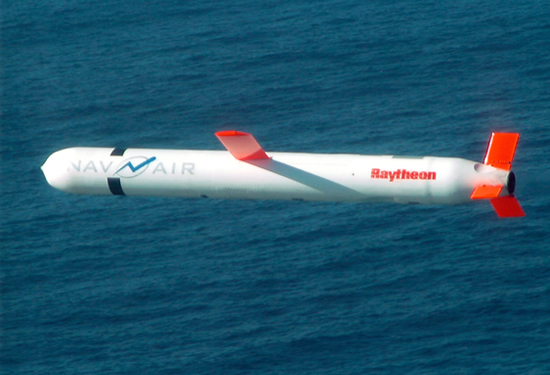
The Tomahawk may not be the fastest missile on this list, but its strategic impact is unmatched. It is the most combat-proven cruise missile in the world, used extensively across multiple conflicts with remarkable reliability.

Block IV variants can be retargeted mid-flight, loiter over battlefields, and strike with extreme accuracy. Launched from ships and submarines, Tomahawk allows long-range strikes deep into hostile territory without exposing pilots or aircraft. Its flexibility, range, and integration into modern networked warfare keep it among the most powerful cruise missiles ever built.


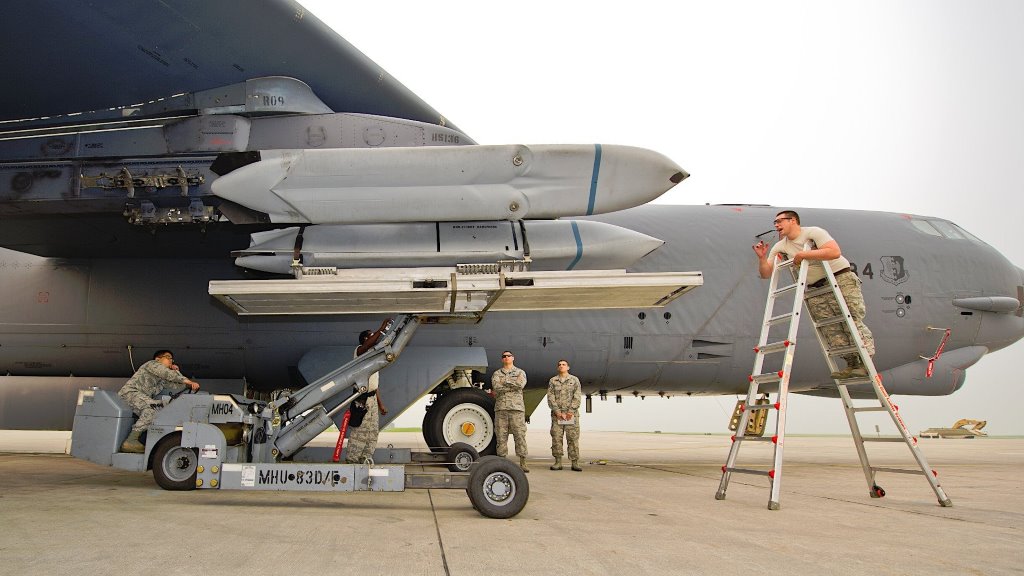
5. AGM-158 JASSM-ER (United States)

JASSM-ER represents a different philosophy of lethality. Instead of speed, it relies on stealth. Its low radar cross-section, terrain-following flight, and advanced guidance systems allow it to penetrate heavily defended airspace undetected.

Designed for air launch, JASSM-ER enables bombers and fighters to strike high-value targets from far outside enemy air defense zones. Its penetrating warhead is optimized for hardened and buried targets, making it one of the most dangerous strategic strike weapons in existence.


6. Kh-101 / Kh-102 (Russia)

The Kh-101 is a long-range, air-launched stealth cruise missile designed to hit strategic targets from extreme distances. It uses advanced navigation systems, terrain mapping, and reduced radar visibility to survive deep penetration missions.

The Kh-102 variant is believed to carry a nuclear warhead, elevating its threat level significantly. These missiles allow strategic bombers to launch strikes without approaching hostile airspace, making them central to modern deterrence strategies.


7. Storm Shadow / SCALP-EG (United Kingdom / France)

Storm Shadow has earned its reputation through precision and reliability. Designed specifically to destroy hardened targets, it uses a low-observable design, terrain-hugging flight, and advanced terminal guidance.

Its BROACH warhead penetrates reinforced structures before detonating, maximizing internal damage. Storm Shadow is not about raw speed, but about guaranteed destruction of critical infrastructure and command facilities with minimal warning.


8. Naval Strike Missile (NSM) (Norway)

The Naval Strike Missile is compact, stealthy, and highly intelligent. It uses imaging infrared guidance rather than radar, allowing it to visually identify targets and resist electronic jamming.

Its sea-skimming flight profile and unpredictable terminal maneuvers make it extremely difficult to intercept. While its warhead is smaller than some heavier missiles, its precision and survivability make it one of the most effective anti-ship cruise missiles in the world.


9. CJ-10 / DF-10 (China)

China’s CJ-10 is a strategic land-attack cruise missile designed for long-range precision strikes. Deployed on mobile launchers and potentially from air and naval platforms, it provides China with significant deep-strike capability.

The missile is believed to use a combination of satellite navigation, terrain contour matching, and terminal guidance, making it accurate and difficult to disrupt. Its range and role place it firmly in the category of strategic-level weapons.


10. AGM-86B ALCM (United States)

The AGM-86B may be older than many missiles on this list, but it remains one of the most consequential. Designed to carry a nuclear warhead, it allows strategic bombers to launch nuclear strikes from far outside enemy air defenses.

Its long range and proven reliability make it a cornerstone of nuclear deterrence. While newer systems are being developed to replace it, the AGM-86B still represents enormous destructive potential in a single weapon.


Cruise missiles have become weapons of precision, persistence, and psychological pressure. They are difficult to detect, hard to intercept, and capable of delivering devastating payloads with frightening accuracy. As air defenses continue to evolve, so do cruise missiles — faster, stealthier, and smarter than ever. In modern warfare, the deadliest weapons are often the ones you never see coming.

Top 10 Deadliest and Most Powerful Cruise Missiles in the World

Top 10 Deadliest and Most Powerful Cruise Missiles in the World

Cruise missiles have quietly become one of the most decisive weapons of modern warfare. Unlike ballistic missiles, which follow predictable arcs and are easier to track once launched, cruise missiles stay inside Earth’s atmosphere, fly low, think independently, and adapt as they move toward their targets. Some skim just meters above the sea. Others hug terrain, weave through valleys, or suddenly accelerate in the final seconds before impact. What makes them especially dangerous is not just the explosive power they carry, but how difficult they are to detect, intercept, or stop in time.

Over the years, cruise missiles have evolved far beyond their early roots in World War II flying bombs. Today’s versions combine advanced propulsion, stealth shaping, satellite navigation, terrain mapping, infrared imaging, radar seekers, and electronic countermeasures. They can be launched from aircraft, ships, submarines, mobile ground vehicles, and in some cases from platforms designed to look completely civilian. Some are built for tactical naval combat, others for deep strategic strikes against hardened bunkers, command centers, and critical infrastructure thousands of kilometers away.

This list focuses on currently operational or widely acknowledged cruise missiles that represent the highest levels of lethality, range, speed, payload capability, and survivability. Rankings are based on real-world deployment, technological maturity, and overall destructive potential — not marketing claims or experimental concepts.


1. BrahMos (India / Russia)

BrahMos sits at the top because it combines speed, power, and versatility better than any other operational cruise missile. Capable of flying at nearly Mach 3, it gives enemy defenses extremely little time to react. Its speed alone makes interception exceptionally difficult, and when combined with sea-skimming flight profiles and terminal maneuvers, it becomes a nightmare for naval air defenses.

BrahMos can be launched from ships, submarines, aircraft, and mobile ground platforms. Its warhead delivers devastating kinetic and explosive impact, and its reliability has been proven through repeated tests and operational deployment. In terms of sheer lethality in real-world conditions, few missiles come close.


2. 3M54 Kalibr (Russia)

The Kalibr family shocked many observers when it demonstrated long-range precision strikes launched from relatively small ships and submarines. One of its most dangerous features is its flight profile: a long subsonic cruise phase followed by a supersonic terminal sprint just before impact.

This combination allows the missile to conserve fuel for long distances while still overwhelming defenses at the final moment. Kalibr missiles can strike land targets or ships and can be launched from a wide range of platforms, including submarines operating far from the battlefield. Their strategic reach and adaptability place them firmly near the top of any list.


3. P-800 Oniks (Russia)

The P-800 Oniks is a dedicated supersonic anti-ship cruise missile designed to punch through the most heavily defended naval formations. It flies at very high speed, performs aggressive evasive maneuvers, and can coordinate attacks in salvos, where missiles share targeting data and adjust roles mid-flight.

Its large warhead and kinetic energy make it capable of crippling or sinking major surface combatants. Oniks prioritizes brute force and survivability over subtlety, and in naval combat scenarios, it remains one of the most feared weapons in service.


4. Tomahawk Block IV (United States)

The Tomahawk may not be the fastest missile on this list, but its strategic impact is unmatched. It is the most combat-proven cruise missile in the world, used extensively across multiple conflicts with remarkable reliability.

Block IV variants can be retargeted mid-flight, loiter over battlefields, and strike with extreme accuracy. Launched from ships and submarines, Tomahawk allows long-range strikes deep into hostile territory without exposing pilots or aircraft. Its flexibility, range, and integration into modern networked warfare keep it among the most powerful cruise missiles ever built.


5. AGM-158 JASSM-ER (United States)

JASSM-ER represents a different philosophy of lethality. Instead of speed, it relies on stealth. Its low radar cross-section, terrain-following flight, and advanced guidance systems allow it to penetrate heavily defended airspace undetected.

Designed for air launch, JASSM-ER enables bombers and fighters to strike high-value targets from far outside enemy air defense zones. Its penetrating warhead is optimized for hardened and buried targets, making it one of the most dangerous strategic strike weapons in existence.


6. Kh-101 / Kh-102 (Russia)

The Kh-101 is a long-range, air-launched stealth cruise missile designed to hit strategic targets from extreme distances. It uses advanced navigation systems, terrain mapping, and reduced radar visibility to survive deep penetration missions.

The Kh-102 variant is believed to carry a nuclear warhead, elevating its threat level significantly. These missiles allow strategic bombers to launch strikes without approaching hostile airspace, making them central to modern deterrence strategies.


7. Storm Shadow / SCALP-EG (United Kingdom / France)

Storm Shadow has earned its reputation through precision and reliability. Designed specifically to destroy hardened targets, it uses a low-observable design, terrain-hugging flight, and advanced terminal guidance.

Its BROACH warhead penetrates reinforced structures before detonating, maximizing internal damage. Storm Shadow is not about raw speed, but about guaranteed destruction of critical infrastructure and command facilities with minimal warning.


8. Naval Strike Missile (NSM) (Norway)

The Naval Strike Missile is compact, stealthy, and highly intelligent. It uses imaging infrared guidance rather than radar, allowing it to visually identify targets and resist electronic jamming.

Its sea-skimming flight profile and unpredictable terminal maneuvers make it extremely difficult to intercept. While its warhead is smaller than some heavier missiles, its precision and survivability make it one of the most effective anti-ship cruise missiles in the world.


9. CJ-10 / DF-10 (China)

China’s CJ-10 is a strategic land-attack cruise missile designed for long-range precision strikes. Deployed on mobile launchers and potentially from air and naval platforms, it provides China with significant deep-strike capability.

The missile is believed to use a combination of satellite navigation, terrain contour matching, and terminal guidance, making it accurate and difficult to disrupt. Its range and role place it firmly in the category of strategic-level weapons.


10. AGM-86B ALCM (United States)

The AGM-86B may be older than many missiles on this list, but it remains one of the most consequential. Designed to carry a nuclear warhead, it allows strategic bombers to launch nuclear strikes from far outside enemy air defenses.

Its long range and proven reliability make it a cornerstone of nuclear deterrence. While newer systems are being developed to replace it, the AGM-86B still represents enormous destructive potential in a single weapon.


Cruise missiles have become weapons of precision, persistence, and psychological pressure. They are difficult to detect, hard to intercept, and capable of delivering devastating payloads with frightening accuracy. As air defenses continue to evolve, so do cruise missiles — faster, stealthier, and smarter than ever. In modern warfare, the deadliest weapons are often the ones you never see coming.