
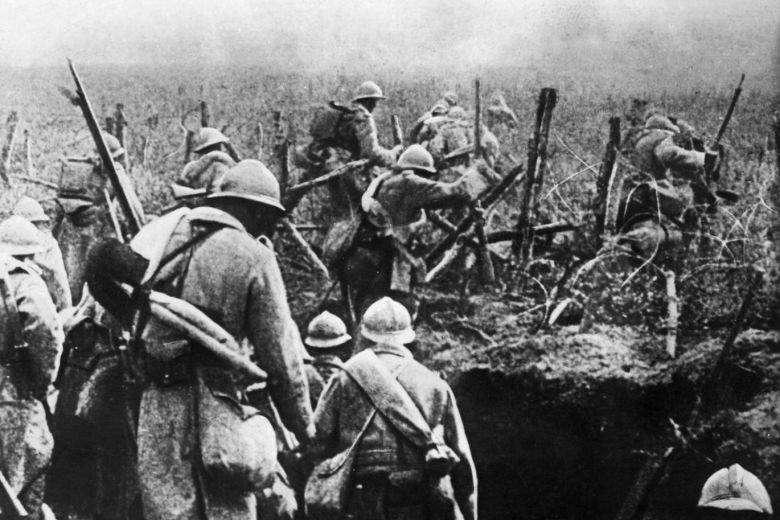
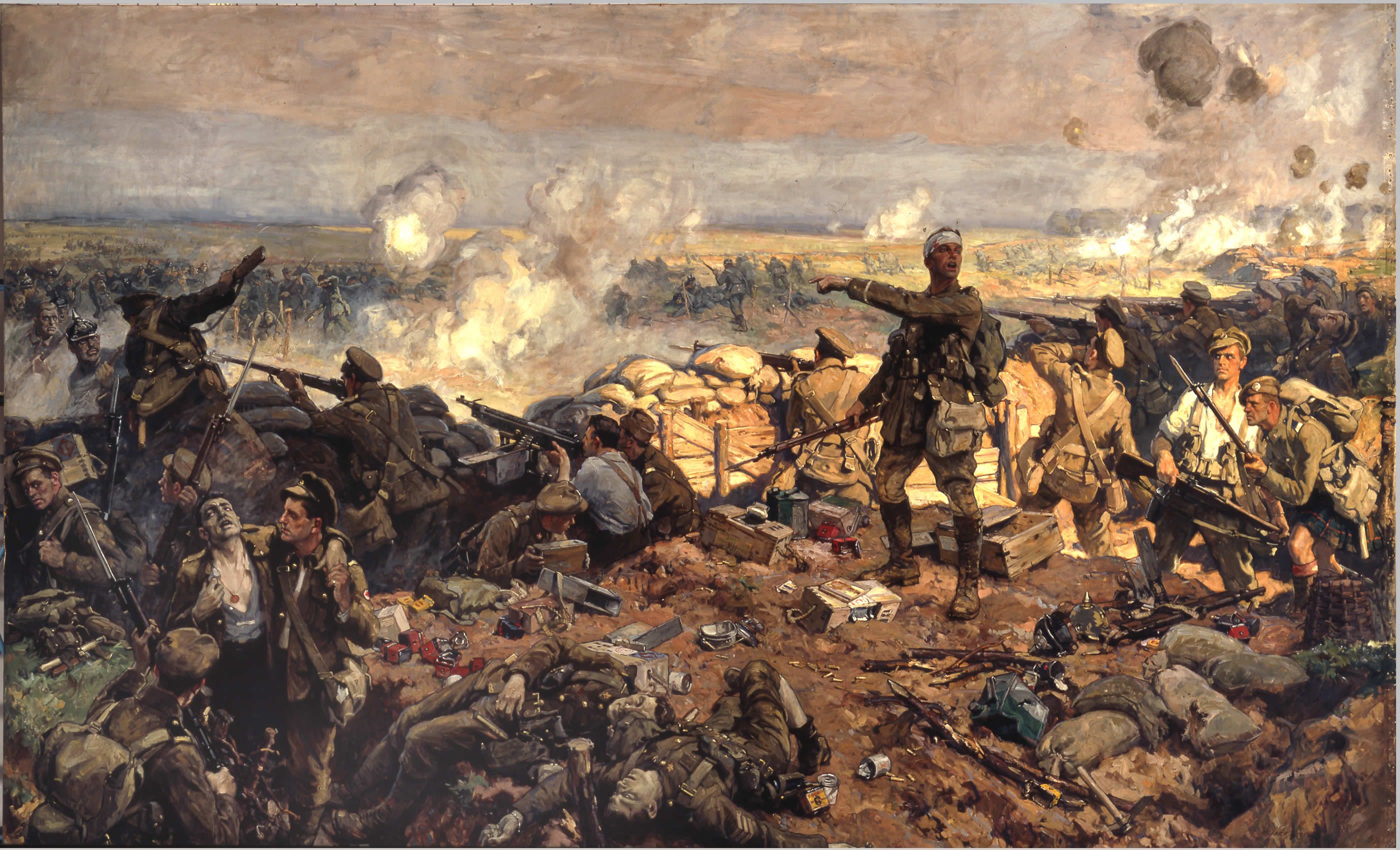
The First World War officially began in the summer of 1914, triggered by the assassination of Archduke Franz Ferdinand of Austria-Hungary on June 28 in Sarajevo. That single act is often presented as the moment Europe tipped into war, yet the assassination was only the spark. Beneath it lay decades of political tension, military planning, nationalism, imperial rivalry, and fragile diplomacy.

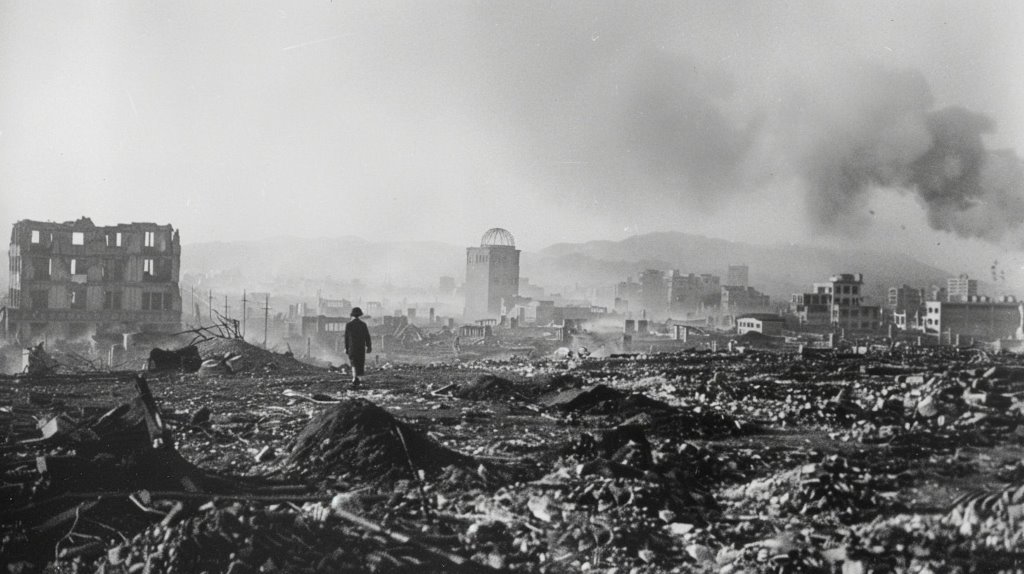
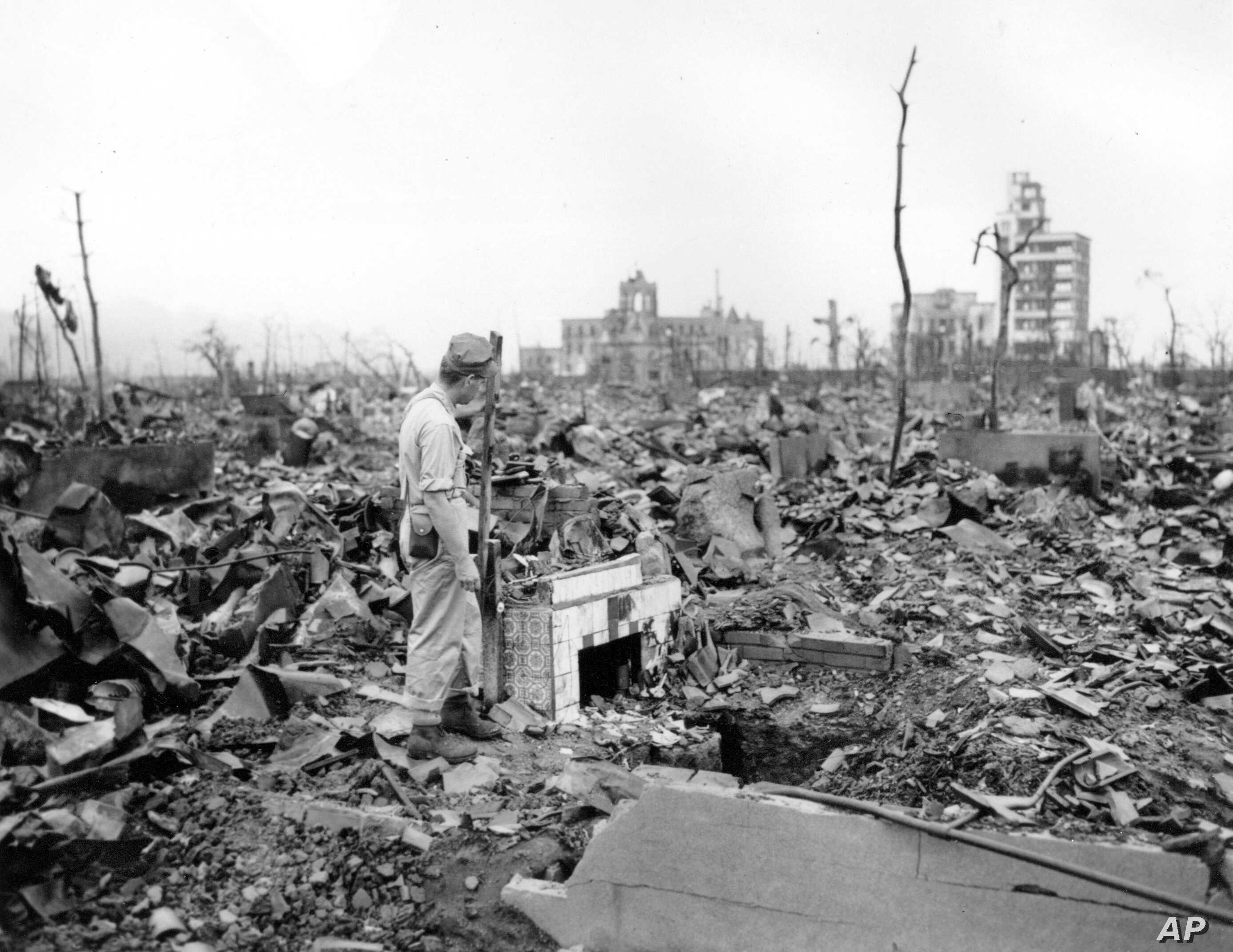
More than 17 million people would ultimately lose their lives, and tens of millions more were wounded or permanently scarred. Entire empires collapsed, borders were redrawn, and political systems were overturned. The conflict reshaped global power structures and left consequences that continue to influence international relations today.
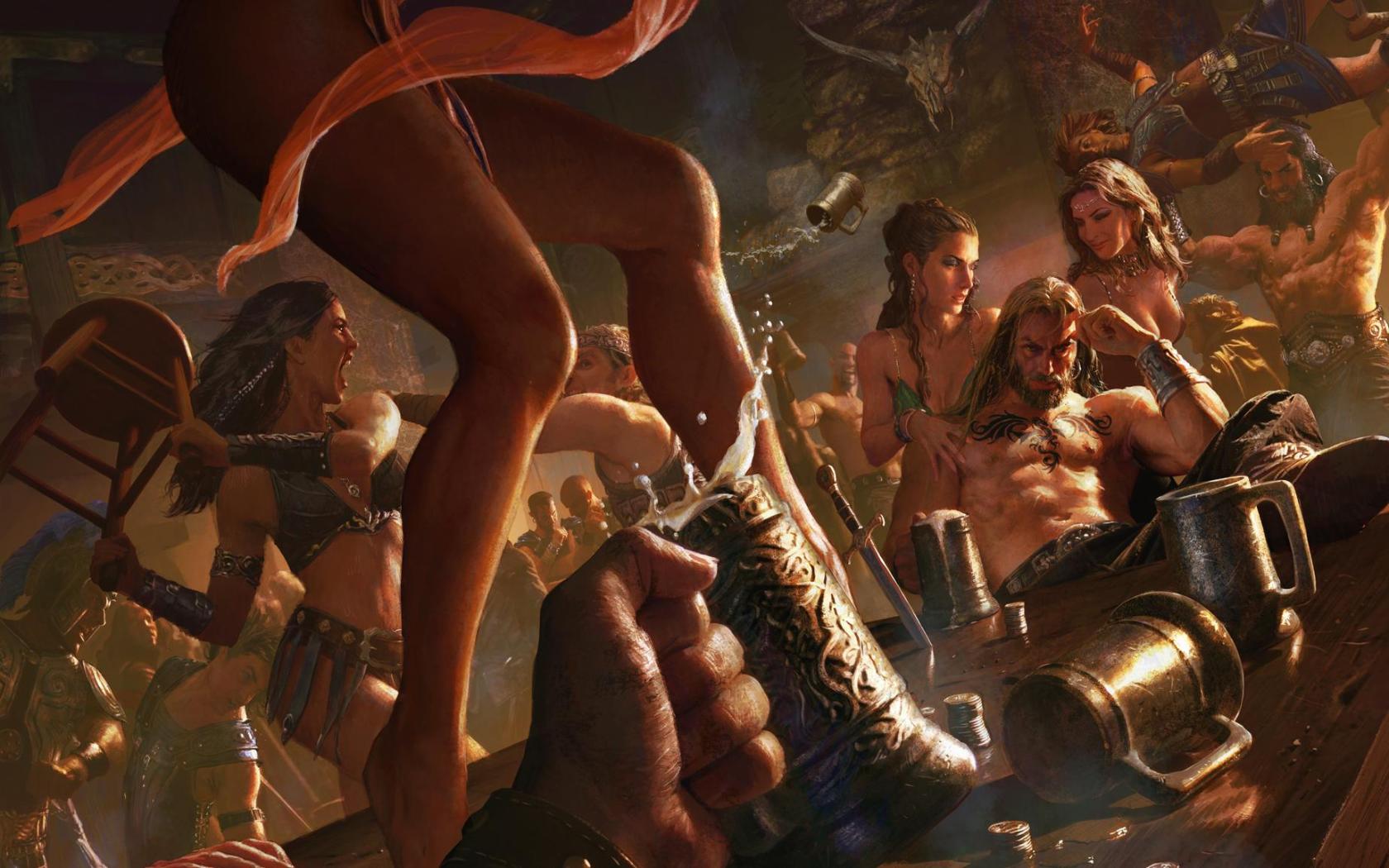
The Vikings were a wide mix of Scandinavian seafarers and settlers from what is now Norway, Sweden, and Denmark, active roughly from around 790 to about 1100 CE. They didn’t just leave a few dramatic stories behind—they pushed changes into the everyday lives of people across Europe, and their presence could be felt even down toward Mediterranean regions. Still, one thing matters if you want to be accurate: all Vikings were Scandinavian, but not all Scandinavians were Vikings.

World War One is the name most people use today, but it is worth asking whether that label truly fits the conflict that erupted in 1914. Was it genuinely a world war in scope, or was it primarily a European catastrophe with global side effects? And if it was global, can it really be described as the first war of its kind?

People living through the conflict certainly believed they were witnessing something unprecedented. The term “World War” first appeared in Germany in 1914, rendered as Weltkrieg, a word that conveyed the sense that the foundations of the world itself were giving way. In France and Britain, the conflict was initially known as La Grande Guerre or simply the Great War, but the idea of a world war gained traction as the fighting expanded and the costs became impossible to ignore.

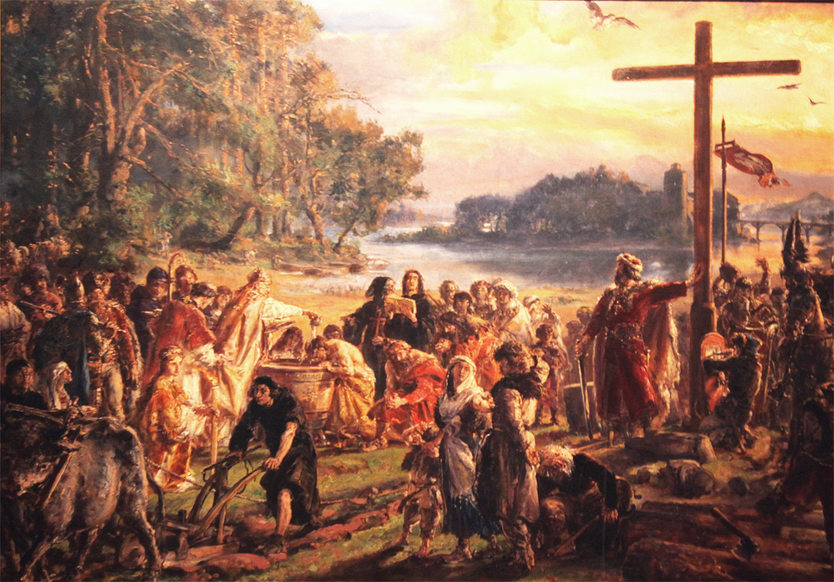
Polish history is filled to the brim with diversity. Here is an Amazing video and an exciting trip back in time that takes you through 1000 years of history in about 8 minutes, 140 events that feature 500 animated characters from different historical periods. The film was created to represent Poland at the Expo 2010 in Shanghai for PARP.

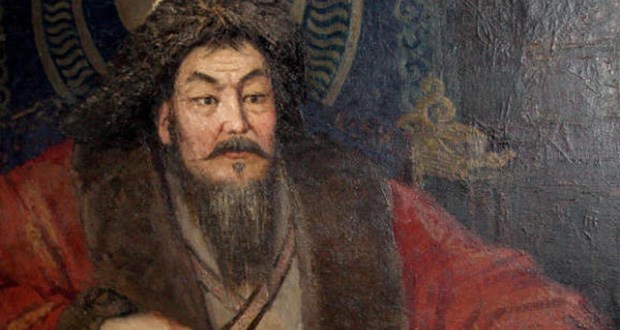
Genghis Khan was a powerful warrior and political leader who lived during the early thirteenth century in Central Asia and went on to establish the Mongol Empire, one of the most expansive empires the world has ever known. By the time of his death, the empire stretched across vast regions of China and Central Asia, with Mongol armies pushing westward as far as Kiev in present-day Ukraine. What began as a collection of fragmented nomadic tribes eventually transformed into a unified force that reshaped the political, military, and economic landscape of Eurasia. After Genghis Khan’s death, his successors continued his campaigns, ruling over territories that extended into the Middle East, South Asia, Southeast Asia, and Eastern Europe.

Share on Social Networks

Editor's Pick