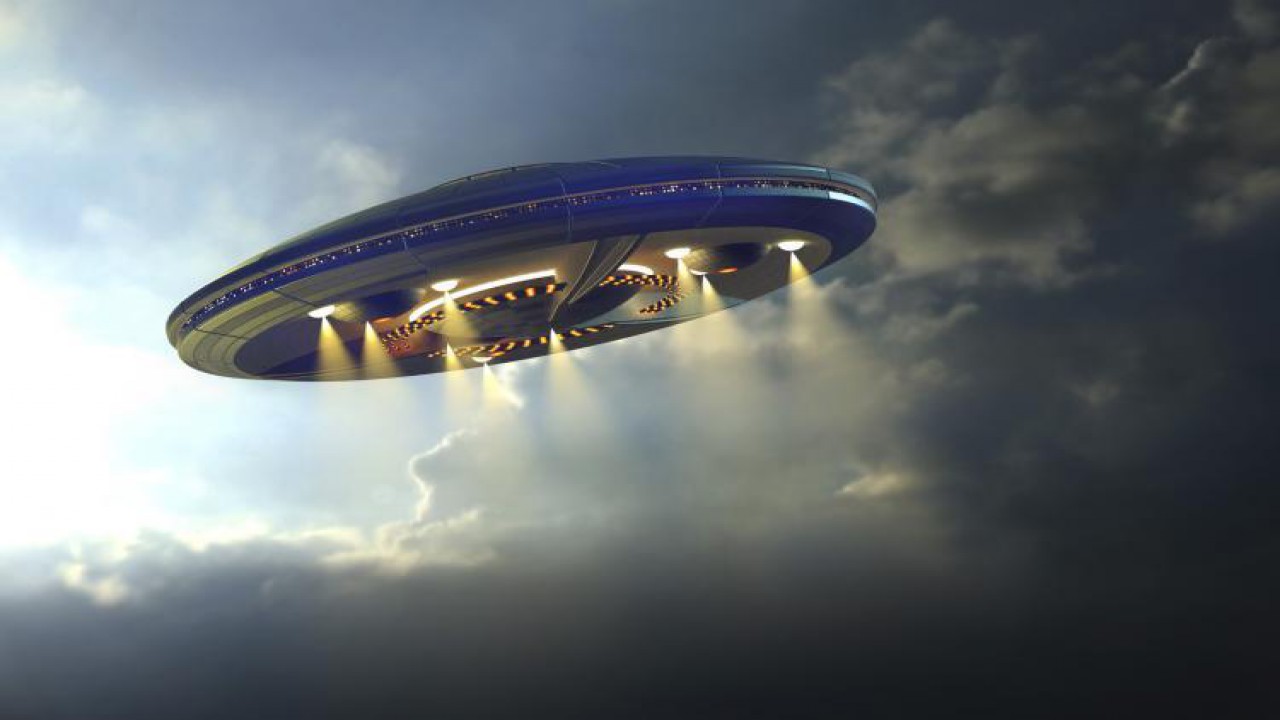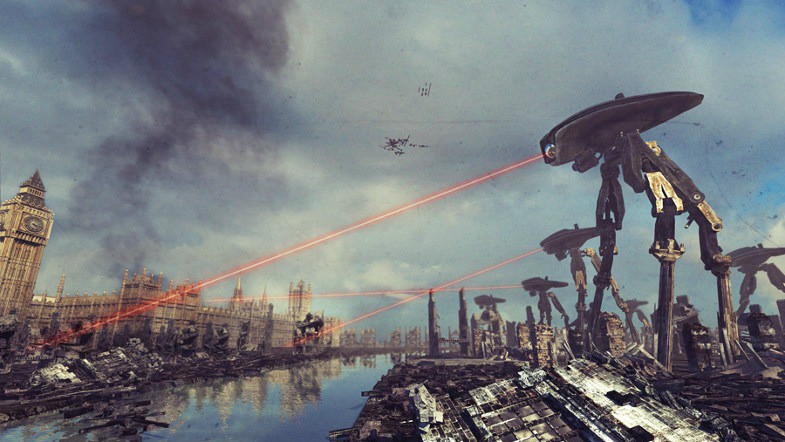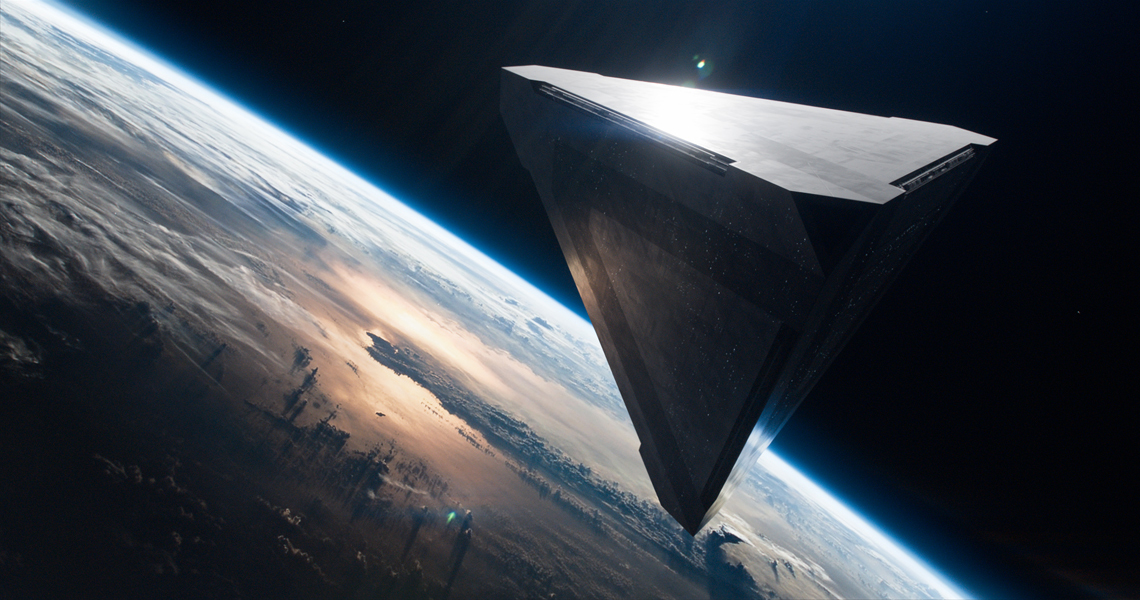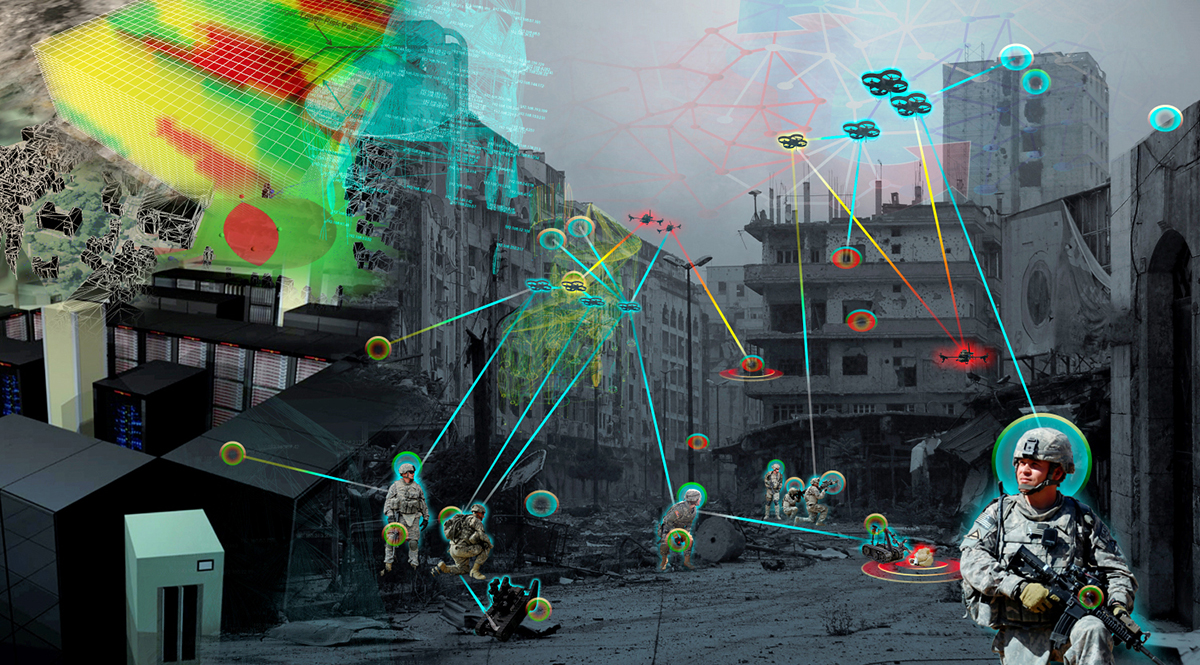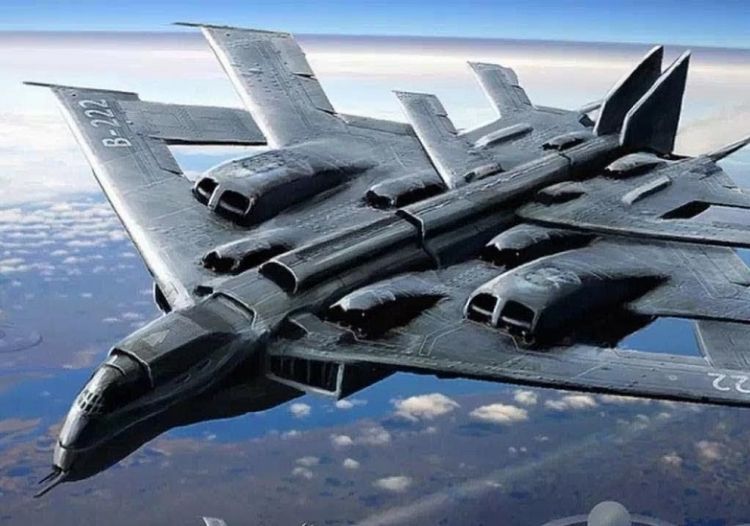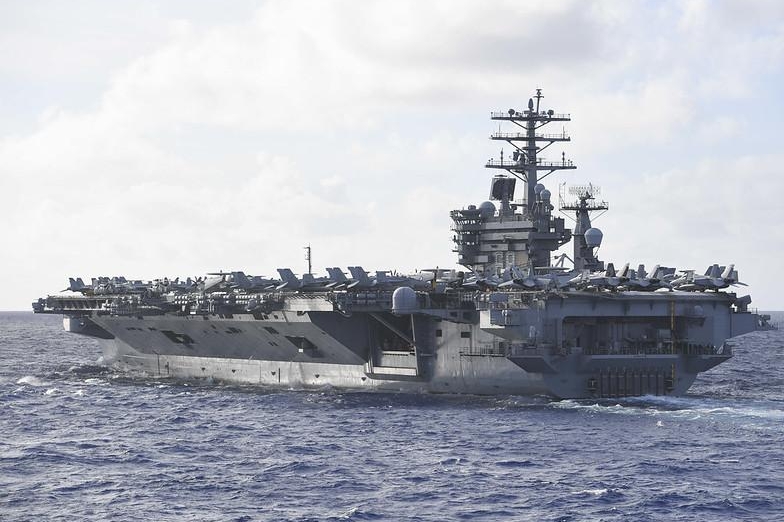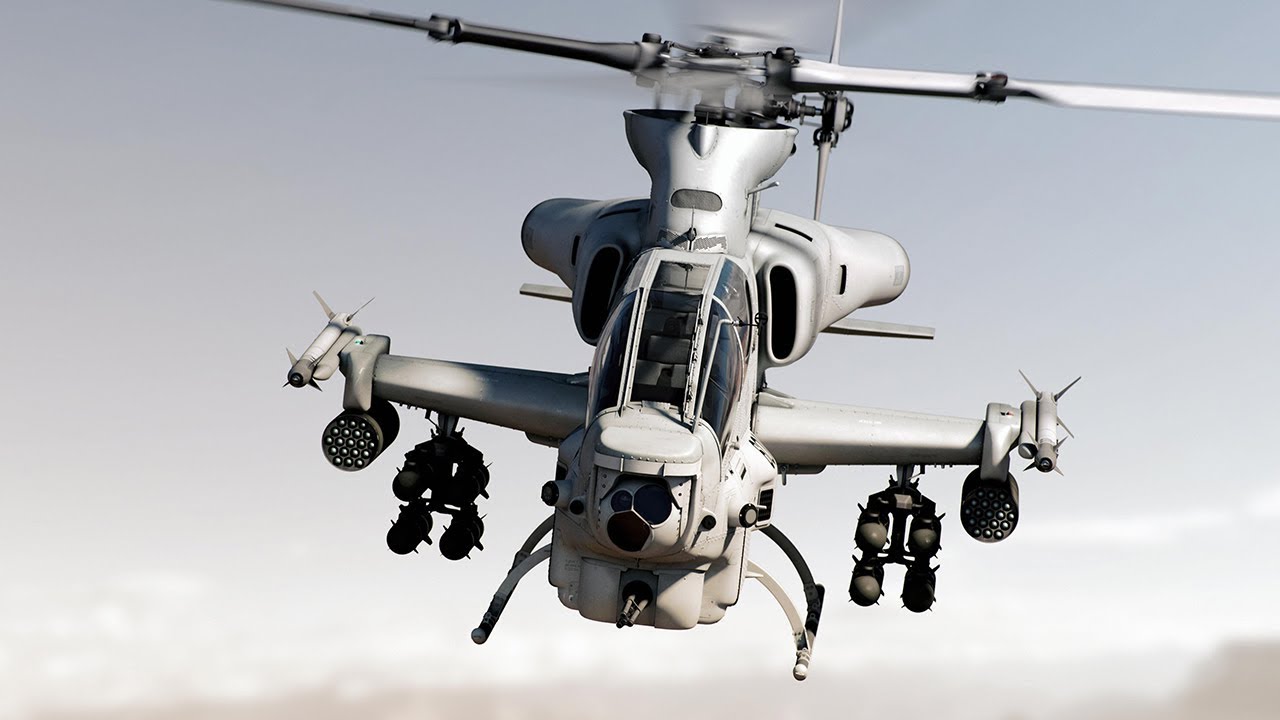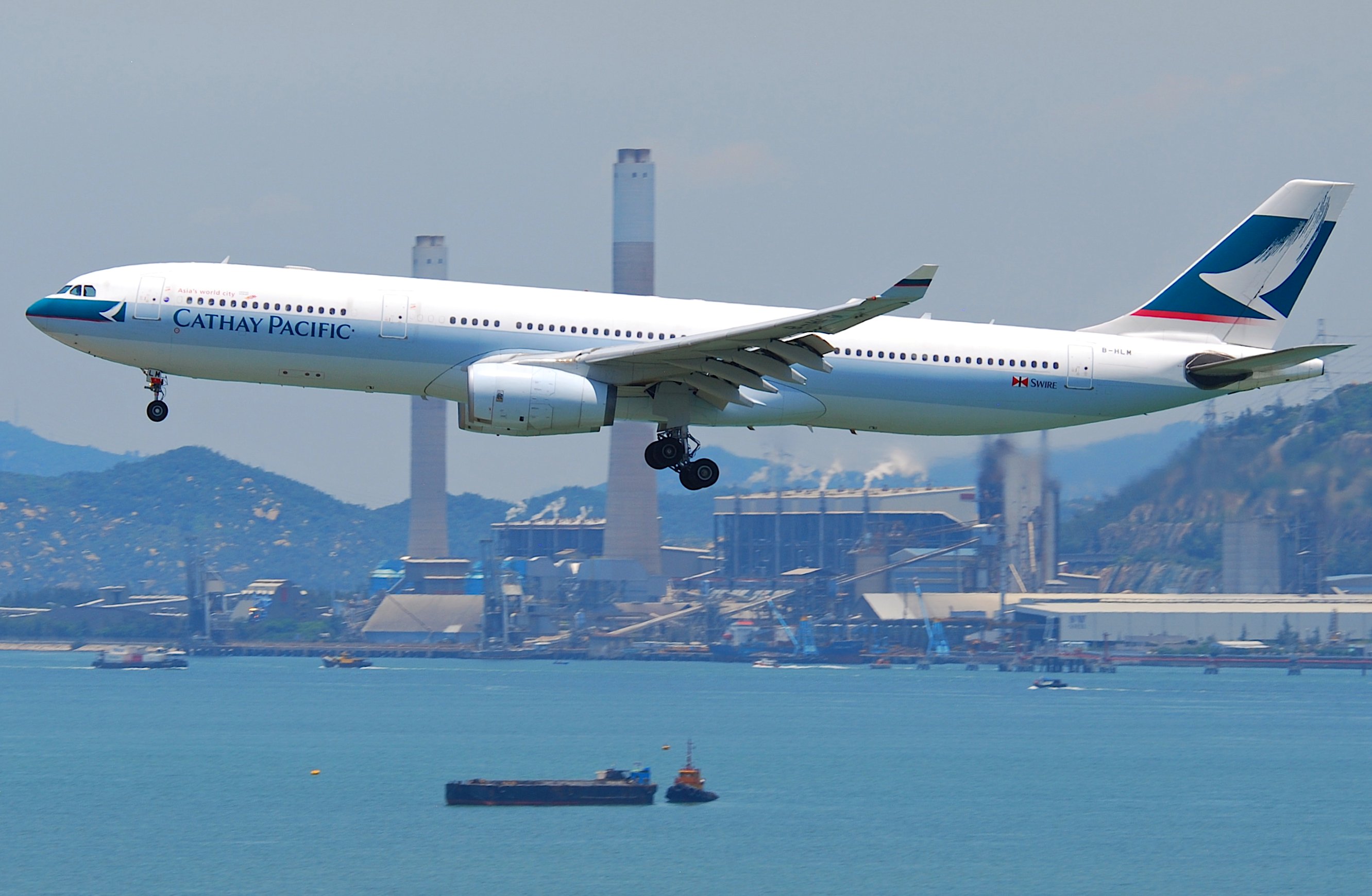


Every summer, blockbuster movies flood theaters with familiar images: massive alien fleets blotting out the sky, cities reduced to rubble, and humanity scrambling to respond with whatever tools it has left. Films like The Avengers, Battleship, and Prometheus tap into a shared anxiety that runs deeper than popcorn entertainment. They all circle the same question: if something vastly more advanced than us arrived tomorrow, would we have any real way to fight back?

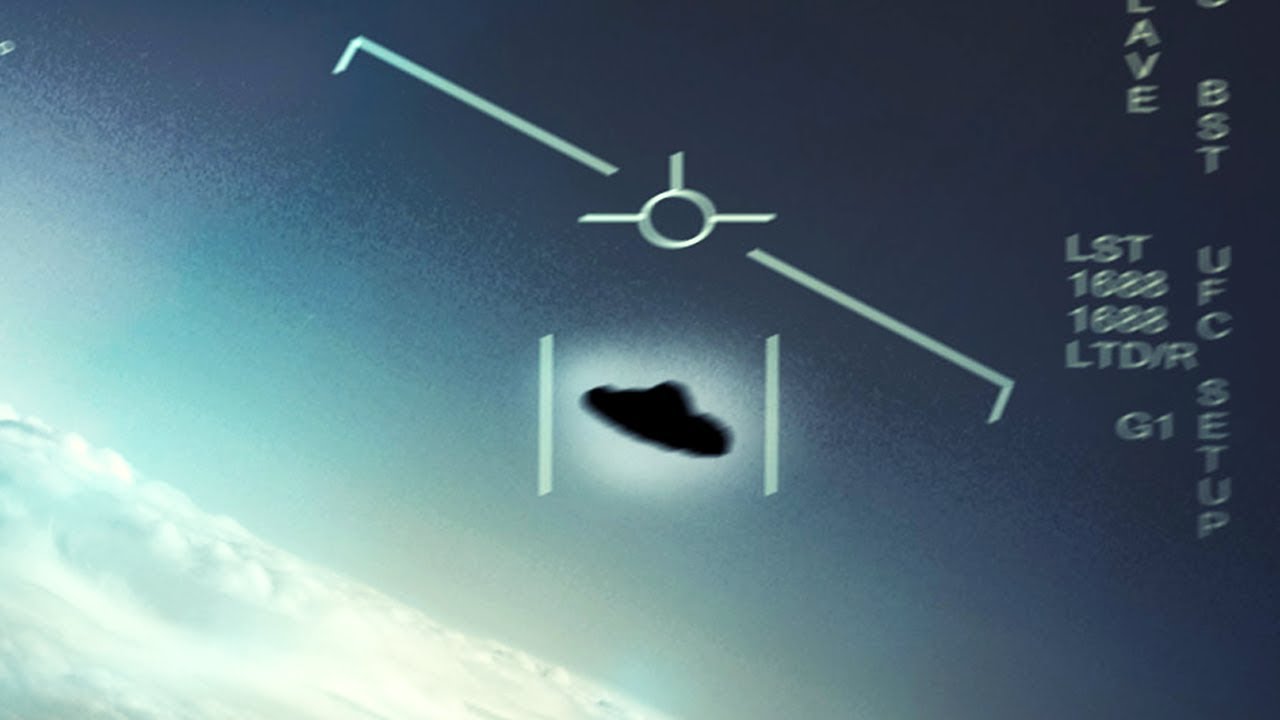
Newly released Navy “hazard reports” describing encounters between U.S. military aircraft and what are now officially referred to as unidentified aerial phenomena have added new texture and specificity to a story that has already drawn global attention. These documents surfaced shortly after the Pentagon formally declassified and released three infrared videos showing strange aerial objects recorded during training missions, footage that quickly reignited public debate about what exactly pilots have been encountering in restricted airspace.

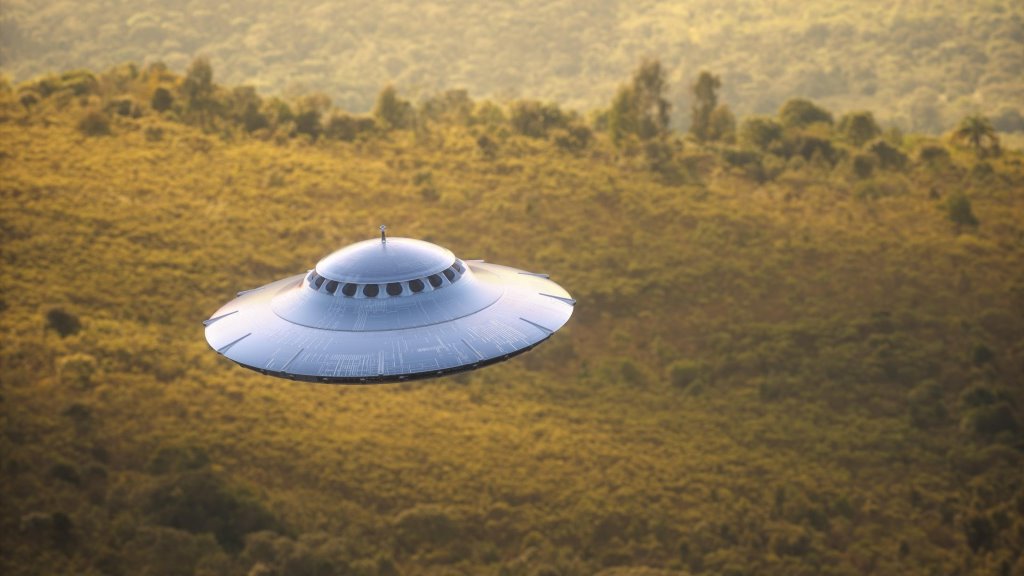
Are we alone in the universe? Do intelligent life forms exist beyond Earth, and are UFOs — unidentified flying objects — something more than misidentified aircraft, camera glitches, or overactive imaginations? For decades, questions like these lived mostly in the realm of late-night talk shows, conspiracy magazines, and Hollywood blockbusters. They were entertaining, provocative, and easy to dismiss. Today, however, they feel harder to brush aside than they once did.

Science fiction has always loved its ships, but not just as vehicles that move characters from one place to another. The best sci-fi spacecraft feel like ideas made solid — expressions of fear, hope, ambition, and ego, all wrapped in metal, glass, and impossible technology. Long before audiences cared about technical specifications or power rankings, these ships existed to set a mood, define a universe, and quietly tell us what kind of story we were stepping into.

Share on Social Networks

Editor's Pick