
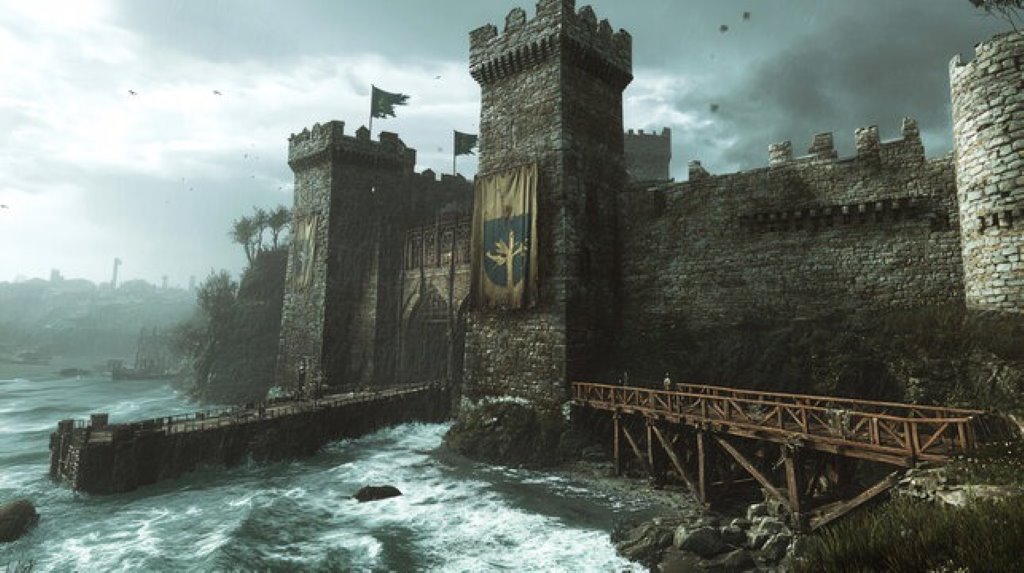
Long before modern weapons, standing armies, or national borders, human survival depended on one hard truth: whoever could defend a fixed place could shape the future. Ancient fortresses were not romantic ruins or symbols of glory. They were life-support systems built in stone, earth, and wood, designed to withstand violence, hunger, fear, and time itself. Every wall, gate, and tower was the result of accumulated experience—lessons learned from failed defenses, lost cities, and entire populations wiped out.
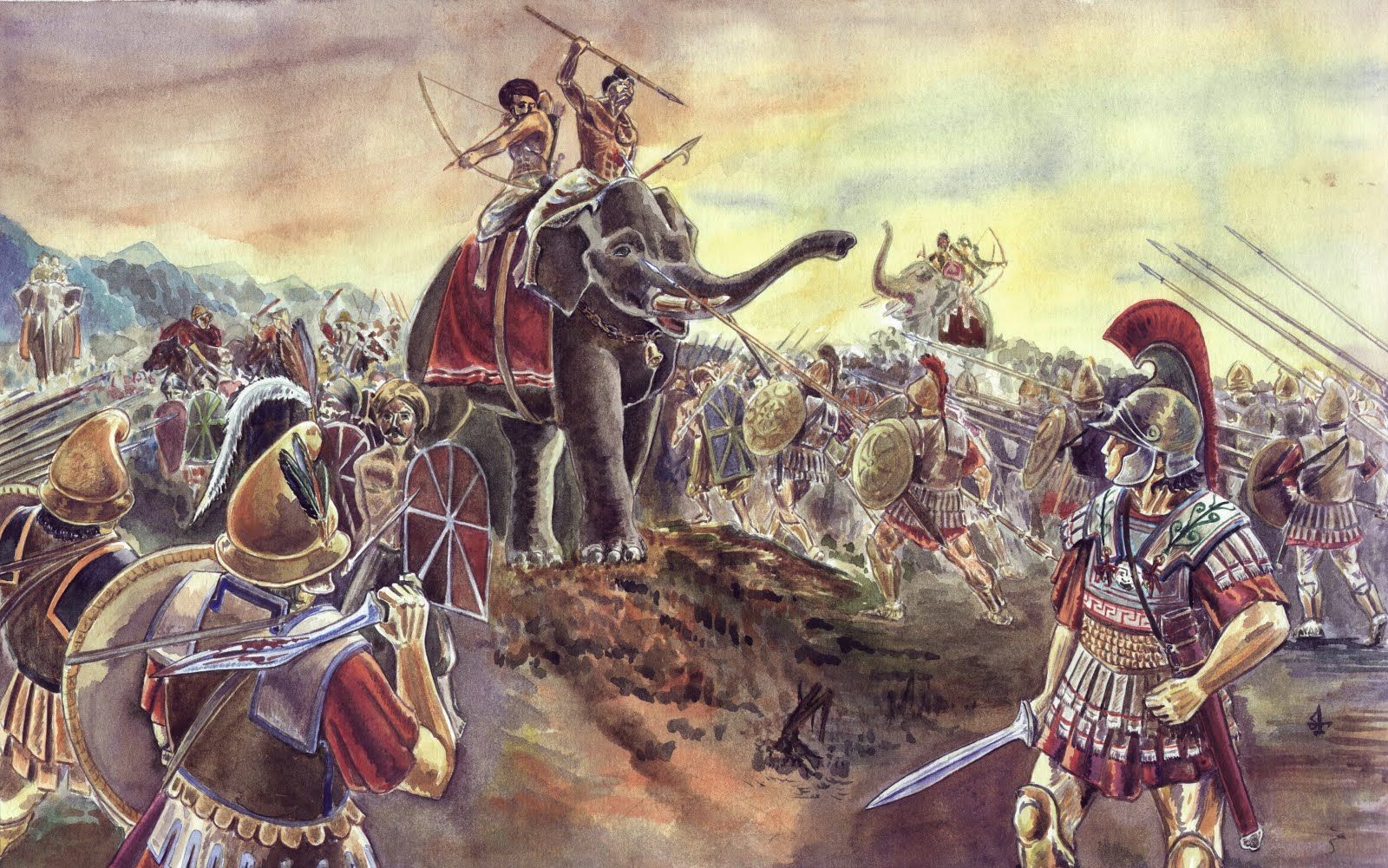
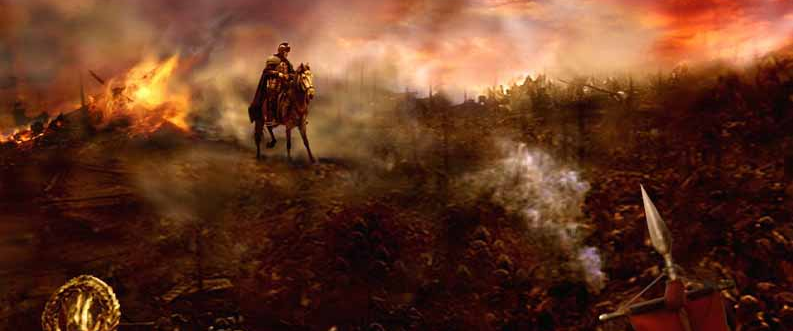
War has a way of dragging out extremes in human behavior. Sometimes it inspires breathtaking engineering feats; other times, it leaves scars so deep that entire landscapes are reshaped for centuries. The Great Wall of China, for example, wasn’t built to impress tourists. It was an enormous “keep out” sign for northern invaders, a wall forged by fear, ambition, and the determination to survive. And that is only one example in a long list of times humanity literally reshaped the face of the Earth for the sake of conflict.

The long struggle known as the First Punic War marked the beginning of a historic clash between two rising Mediterranean powers—Rome and Carthage. This confrontation unfolded over more than two decades and permanently altered the balance of power across the ancient world. The broader series of conflicts between these empires came to be called the Punic Wars, a name rooted in the term “Punic,” which itself derived from the Latin Punicus, referring to the Phoenician ancestry of the Carthaginians. Although Carthage began as a modest coastal stopover, its strategic position and merchant networks allowed it to expand into one of the wealthiest and most influential cities on the Mediterranean coast.

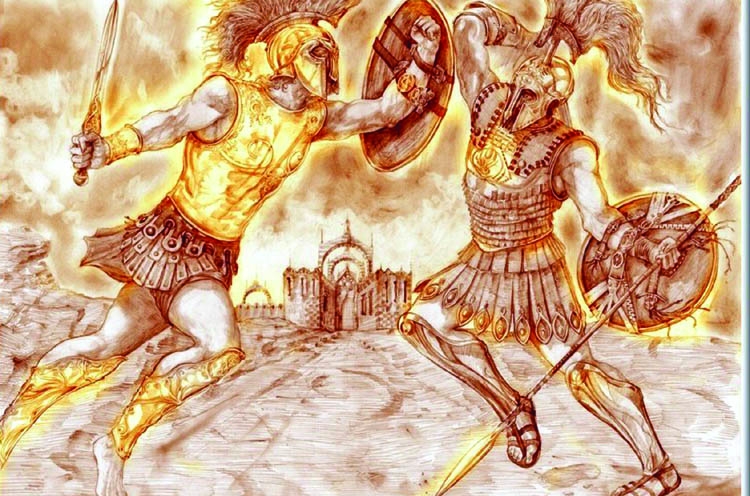
The figure of Achilles stands at the center of Greek mythology as one of its most celebrated warriors, a man whose name became synonymous with strength, courage, beauty, and tragic vulnerability. The legends surrounding him paint a portrait of a hero who seemed almost invincible, a warrior capable of shifting the balance of an entire war by simply stepping onto the battlefield. Yet, woven into his legacy is the reminder that even the greatest heroes carry a weakness—what we now call an “Achilles heel.” Much of what the world knows about him comes from Homer’s epic The Iliad, which recounts a turbulent and emotionally complex version of Achilles during the final stretch of the Trojan War, capturing both his glory and his flaws with striking depth.

The two World Wars did more than devastate nations and claim tens of millions of lives. They dismantled the economic foundations of the old world and forced the construction of an entirely new global system. Before the twentieth century, wealth and power were still largely rooted in land, empires, and colonial extraction. By the time the wars ended, economic dominance depended on industrial capacity, financial control, technological innovation, and the ability to coordinate entire societies under pressure.

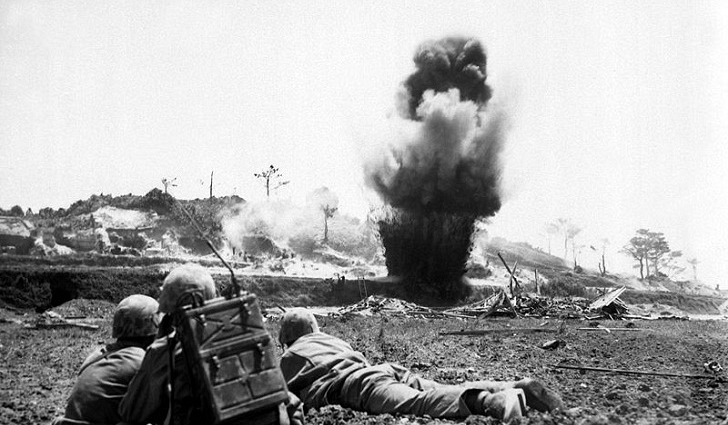
Over the course of six turbulent years, stretching from the opening shots on 1 September 1939 to the final surrender on 2 September 1945, the world witnessed a level of devastation unmatched in human history. Entire continents were scarred as total war unfolded between the Axis and Allied powers. Cities vanished under firestorms, entire regions were depopulated, and somewhere between seventy and eighty million people—soldiers, civilians, prisoners, the displaced—lost their lives. The conflict drained national treasuries, shattered empires that had dominated global politics for centuries, and forced humanity to confront the darkest capabilities of modern warfare.

Page 1 of 2

Share on Social Networks

Editor's Pick