

Empires have always been more than just large states with powerful armies. At their peak, they shaped how people lived, traded, worshiped, spoke, and understood the world around them. Some empires ruled through fear, others through law, infrastructure, or culture, but all of them left marks that still show up in modern borders, political systems, languages, and everyday habits. Looking back at these empires isn’t just about dates and battles; it’s about understanding how human civilization took the paths it did.

What follows is a deep look at the most influential empires in history, not simply based on size or military strength, but on how deeply and how long their influence echoed after their power faded.


When people imagine the ancient world, the images are usually the same: kings on thrones, warriors on battlefields, philosophers debating in public squares. Women, if they appear at all, are often reduced to stereotypes—silent wives, mothers in the background, or symbolic goddesses detached from real life. This picture is not only incomplete, it’s misleading.

Women were everywhere in ancient societies. They worked the land, ran households that functioned like small economic units, preserved knowledge, influenced politics, shaped religion, and ensured cultural continuity. Their power was not always formal or visible, but it was real. In many cases, civilizations simply could not function without the labor, intelligence, and adaptability of women.

History is often presented as a neat timeline, with civilizations rising, flourishing, and then fading away in orderly fashion. The reality is far messier. Some societies disappeared suddenly, others slowly unraveled, and many left behind questions that still don’t have satisfying answers. Archaeologists uncover cities buried under sand, jungles, or oceans, yet the deeper they dig, the more mysteries seem to emerge.

These lost civilizations weren’t primitive footnotes. Many displayed advanced engineering, complex social systems, and cultural depth that challenge our assumptions about the ancient world. What follows is a closer look at some of the most puzzling civilizations humanity has ever known, societies that vanished but never fully explained themselves.

Food has always been one of the most powerful forces shaping human civilization, yet it is often treated as a background detail in history rather than a driving engine of change. In the ancient world, food determined where people settled, how societies were organized, which gods were worshipped, and even how wars were fought. Long before modern nutrition science or industrial farming, ancient peoples developed food systems that were deeply intelligent, carefully balanced, and tightly connected to the natural world around them.

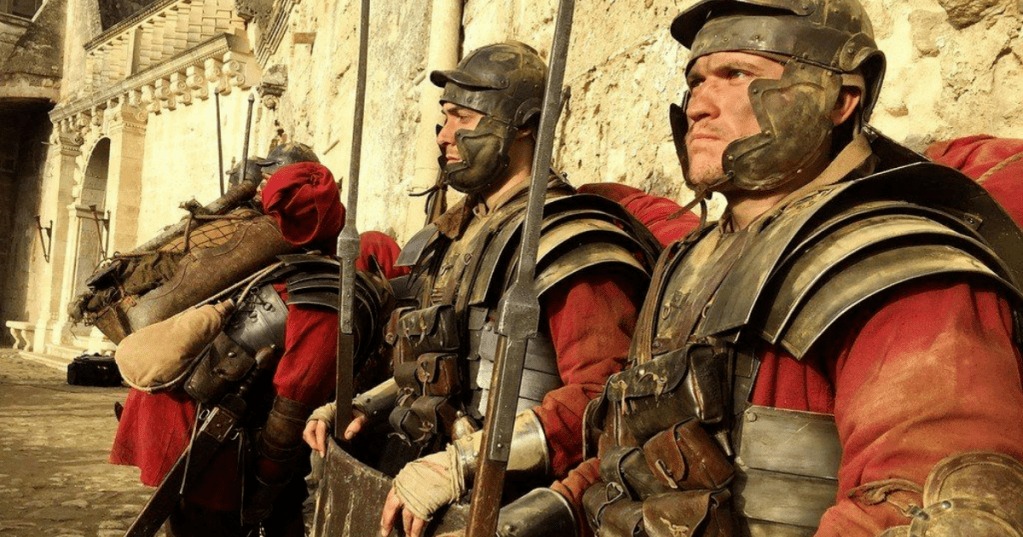
When ancient wars are remembered, they are usually told from far above the ground. Kings, generals, strategies, and borders dominate the story. Maps shift, empires rise, and battles are named and dated. But almost none of that reflects what war actually felt like for the people who carried it out.

For the average soldier in ancient times, history wasn’t a grand narrative. It was a pair of worn sandals rubbing raw skin during endless marches. It was the smell of smoke clinging to clothes, the weight of a shield pressing into an aching arm, and the quiet tension of waiting for an order that might never come. Combat was only one moment in a long sequence of exhaustion, routine, fear, and discipline that defined military life.

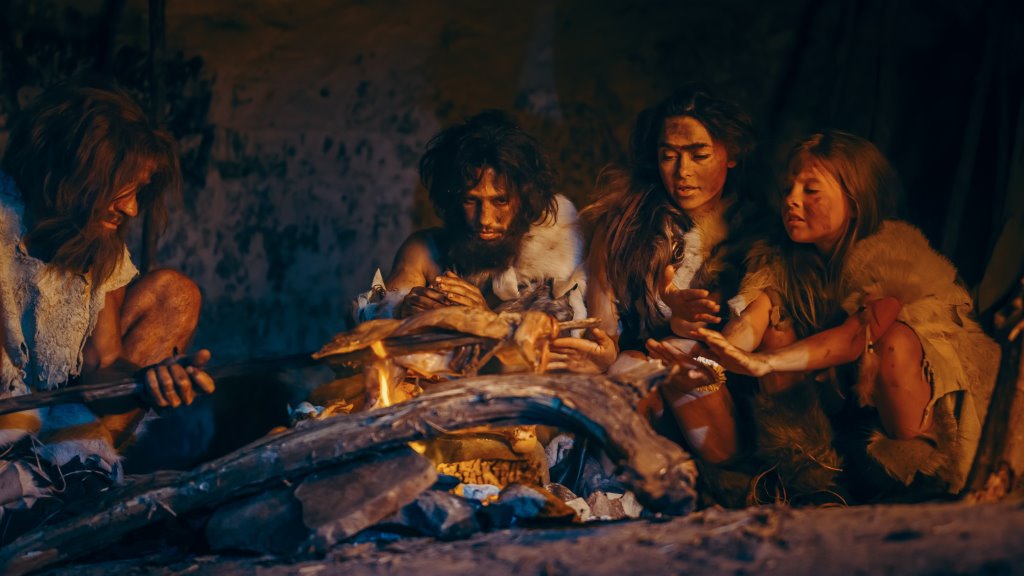
Before laws, before nations, before written history, humans believed the world was alive. The wind had intention. Animals carried meaning. Death was not an end but a transition. Religion did not begin as theology or morality—it began as survival psychology. Early humans lived surrounded by forces they could not control, and belief became a way to negotiate fear.

The earliest religions were not about worship. They were about relationship. Humans tried to communicate with what they believed surrounded them: spirits, ancestors, animals, the land itself. This was animism, and it formed the foundation of nearly every belief system that followed.

Share on Social Networks

Editor's Pick