

Unmanned aerial vehicles have transformed modern warfare in ways few technologies ever have. Military drones are no longer limited to simple surveillance roles. Today, they conduct long-endurance intelligence missions, precision strikes, electronic warfare, and experimental stealth operations that shape the future of air combat. Some are already proven in real conflicts, while others exist to push the boundaries of what autonomous systems might become.
Below is a carefully selected list of the most influential and capable military drones in the world, based on technology, mission scope, combat relevance, and long-term strategic impact.
BAE Taranis
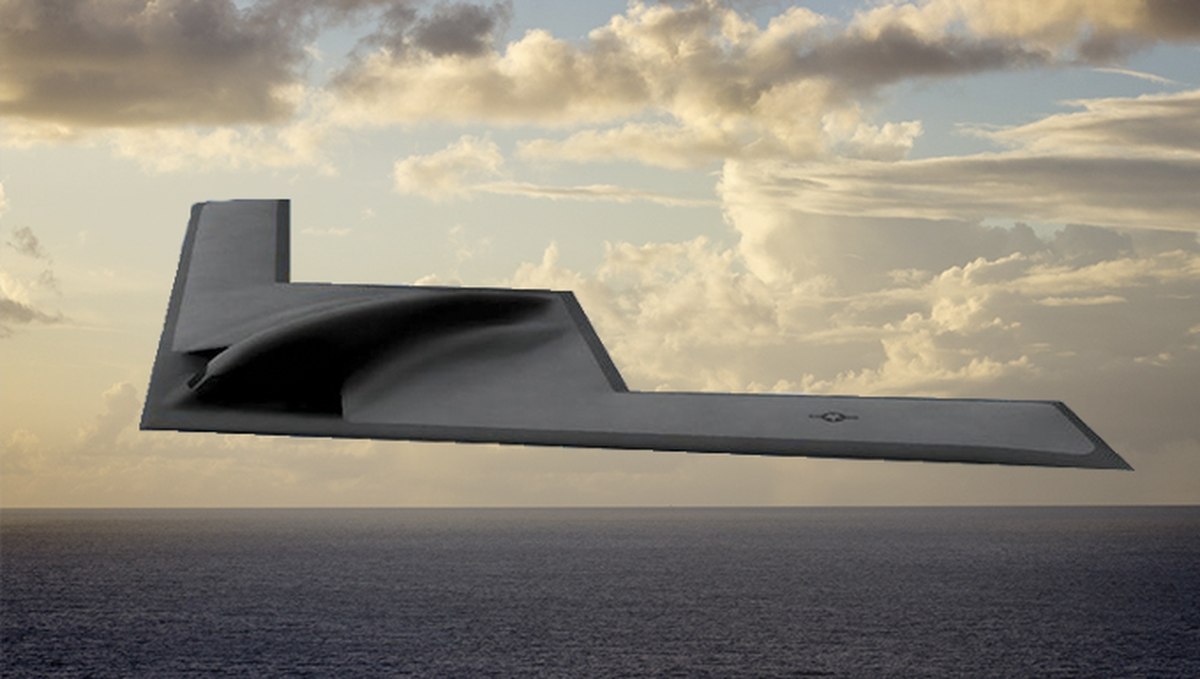
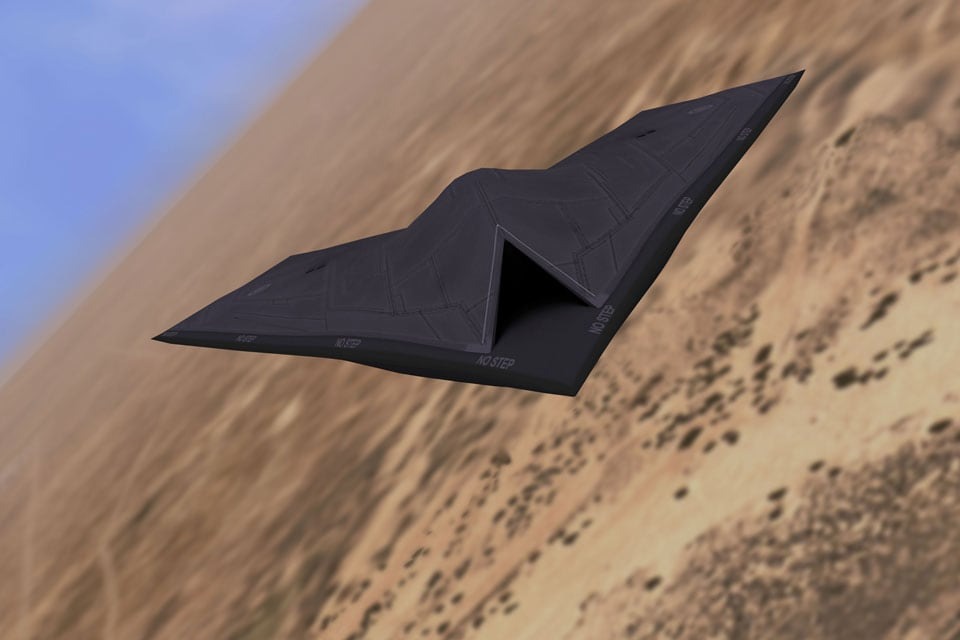
The BAE Taranis represents one of the most ambitious stealth drone projects ever undertaken outside the United States. Developed by the United Kingdom, this unmanned combat air vehicle was designed to explore deep-strike and autonomous combat capabilities in heavily defended airspace.
Taranis features a flying-wing design optimized for low radar visibility, allowing it to penetrate advanced air defense systems. Its focus is not on mass production but on proving technologies related to autonomous decision-making, stealth shaping, and future manned–unmanned teaming. Taranis laid the groundwork for next-generation European combat drones and significantly influenced later cooperative programs.
RQ-4 Global Hawk
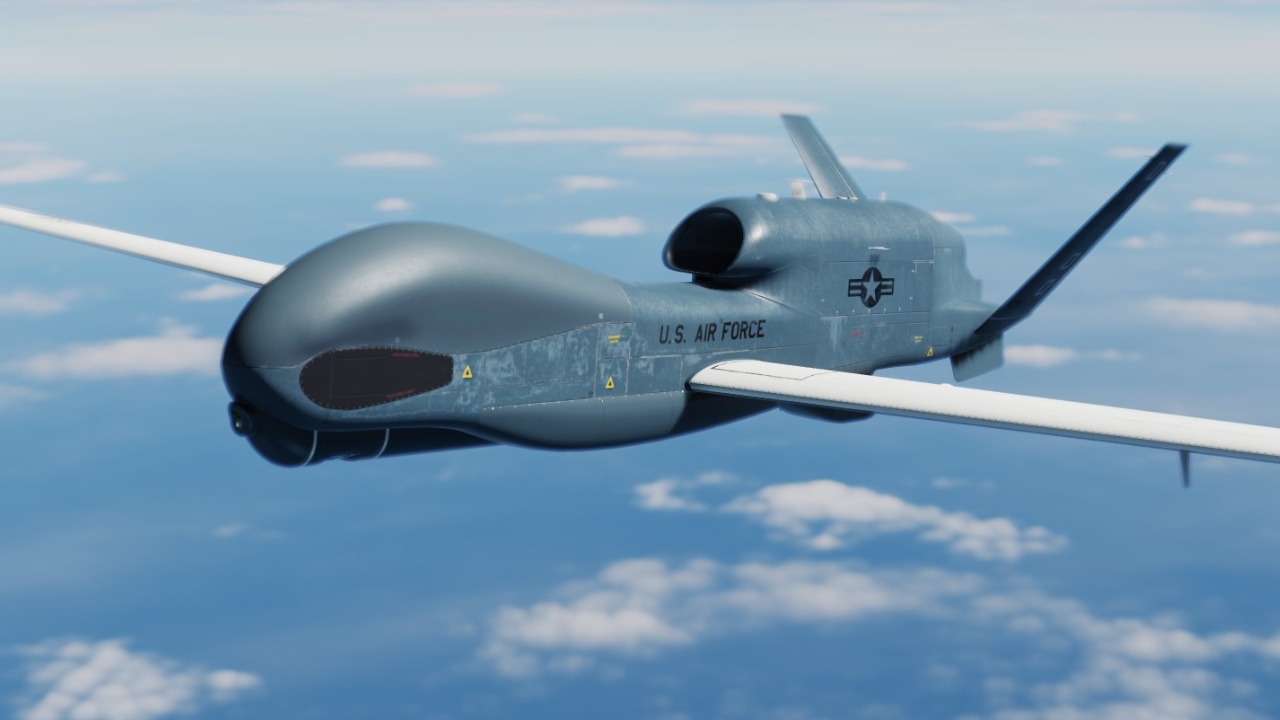
The Global Hawk is one of the most recognizable long-range surveillance drones in service today. Built for extreme endurance, it can remain airborne for well over a day while covering vast areas at high altitude.
Equipped with powerful radar and imaging sensors, the Global Hawk provides near real-time intelligence over entire regions, making it invaluable for strategic reconnaissance. Unlike strike-oriented drones, its primary role is persistent observation, allowing commanders to track troop movements, infrastructure, and environmental conditions without putting pilots at risk.
Camcopter S-100
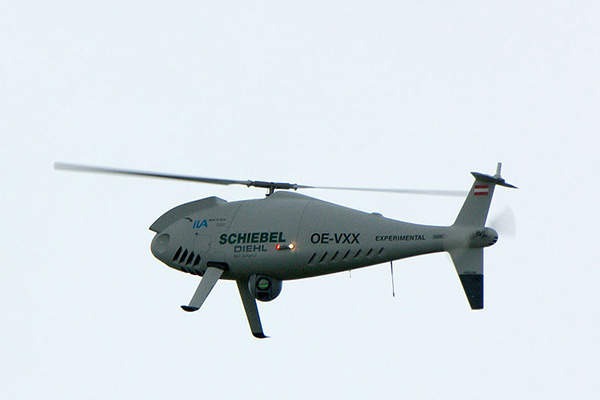
The Camcopter S-100 stands out for its versatility and unique design. Unlike many military drones, it uses a rotary-wing configuration, allowing it to take off and land vertically without runways or launch systems.
This capability makes it especially useful for naval operations, border surveillance, and operations in confined environments. The S-100 can carry a variety of sensors, including radar and electro-optical systems, and is often deployed from ships where fixed-wing drones would be impractical.
Heron
The Heron is a long-endurance surveillance drone developed with a strong emphasis on reliability and adaptability. It has been widely exported and adapted for various military needs, including maritime patrol, border monitoring, and battlefield reconnaissance.
What sets the Heron apart is its balance between endurance, payload capacity, and operational flexibility. It can operate at high altitudes for extended periods while carrying advanced sensor packages. Many air forces rely on the Heron as a backbone intelligence platform rather than an experimental or niche system.
Predator C Avenger
The Predator C Avenger represents a significant evolution from earlier Predator designs. Unlike its predecessors, it was built with speed, survivability, and reduced radar visibility in mind.
The Avenger incorporates jet propulsion, internal weapons storage, and advanced avionics, allowing it to operate in more contested environments. Its design bridges the gap between traditional drones and manned combat aircraft, offering a platform capable of rapid response and precision strikes without sacrificing endurance.
Dassault NEURON
Dassault’s NEURON is a European stealth combat drone developed as a multinational technology demonstrator. Its purpose is not mass deployment but experimentation with autonomous strike missions and low-observable flight characteristics.
The NEURON emphasizes sensor fusion, stealth integration, and autonomous navigation. It has conducted multiple test flights demonstrating internal weapons carriage and coordinated mission execution. The knowledge gained from NEURON feeds directly into future European combat aircraft and drone programs.
X-45
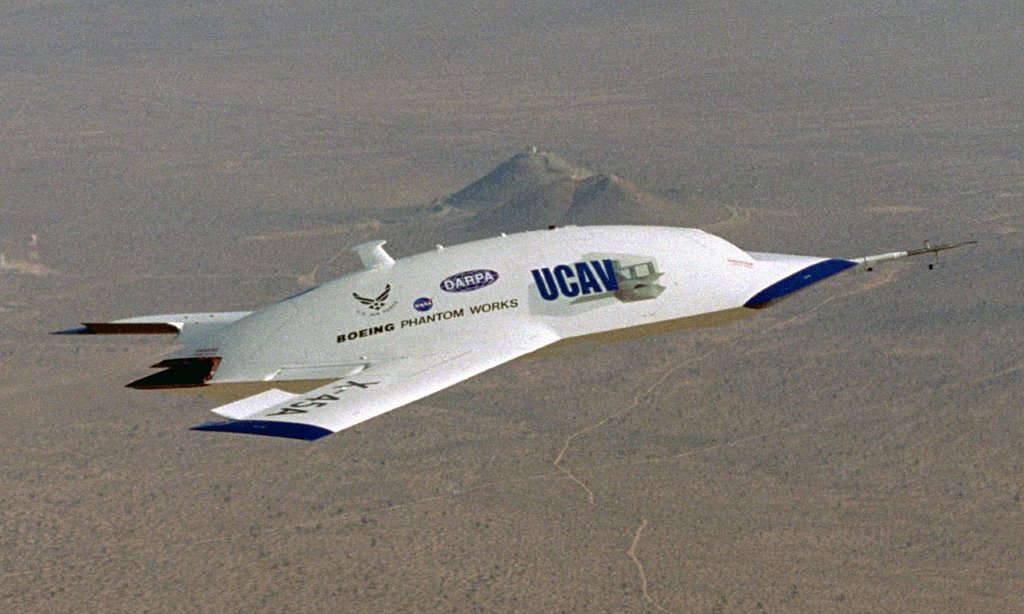
The X-45 was one of the earliest serious attempts to create a fully autonomous combat drone capable of operating alongside manned aircraft. Developed as a technology demonstrator, it focused on autonomous mission planning, formation flying, and suppression of enemy air defenses.
Although the program itself was eventually canceled, the X-45 played a critical role in proving that drones could execute complex missions with minimal human intervention. Many of its concepts live on in modern unmanned combat systems.
X-47B
The X-47B is best known for achieving a milestone once thought impossible: autonomous carrier-based operations. It successfully demonstrated catapult launches, arrested landings, and autonomous aerial refueling, all without a pilot onboard.
This achievement reshaped how navies view the future of carrier aviation. The X-47B proved that large, jet-powered drones could safely operate from aircraft carriers, opening the door to future unmanned strike and reconnaissance platforms at sea.
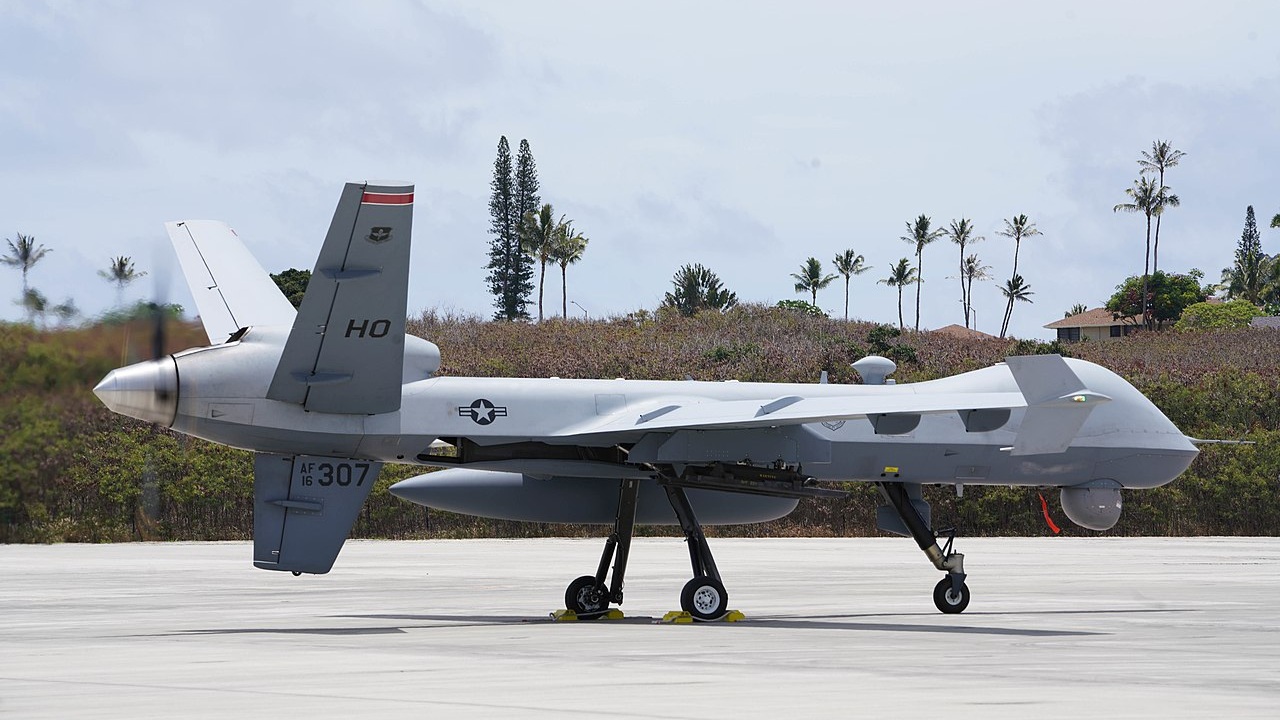
MQ-9 Reaper (Predator B)
The MQ-9 Reaper is one of the most widely used and combat-proven military drones in the world. Designed as a hunter-killer platform, it combines long endurance with significant payload capacity for weapons and sensors.
Reapers are capable of conducting surveillance for hours before engaging targets with precision-guided munitions. Their flexibility makes them suitable for intelligence gathering, close air support, and strategic strikes. Unlike experimental platforms, the Reaper has been extensively used in real-world operations, shaping modern drone warfare doctrine.
Why Military Drones Matter More Than Ever
Military drones are no longer just support tools. They influence strategy, deterrence, and global power balance. Their ability to operate without risking pilot lives, remain airborne for extended periods, and adapt rapidly to new missions makes them central to modern defense planning.
As technology advances, future drones will likely feature greater autonomy, improved stealth, and closer integration with manned aircraft. The platforms listed above represent not just today’s capabilities, but stepping stones toward the next era of aerial warfare.