
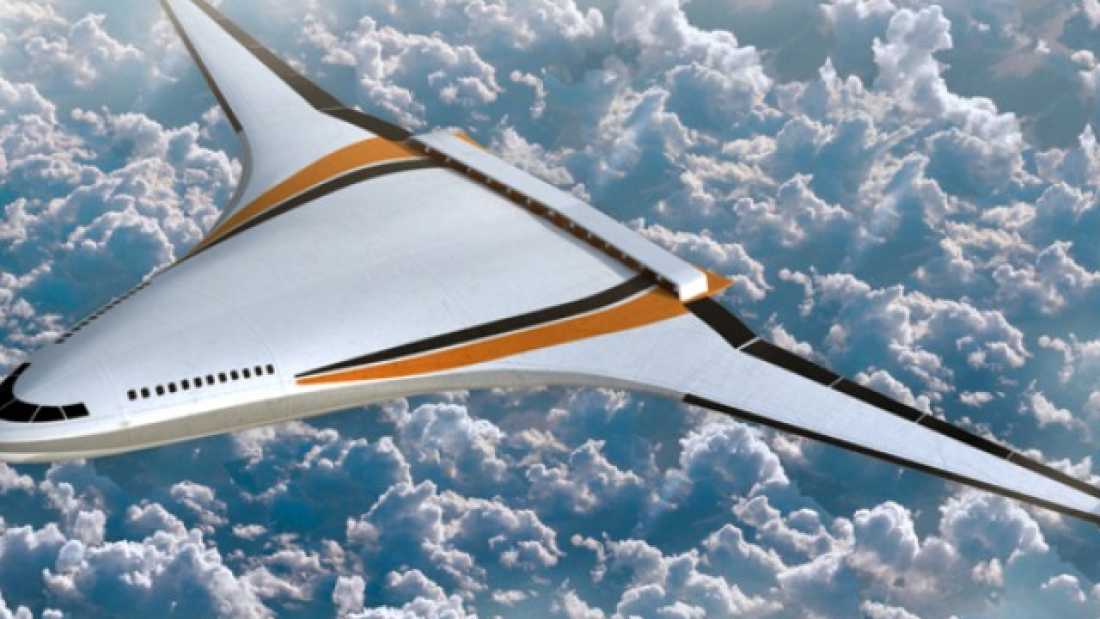
The next few decades will redefine everything we think we know about commercial aviation. Behind the scenes, manufacturers and researchers are grappling with a future in which global air traffic could grow seven-fold and environmental pressures intensify dramatically. The increasing demand for long-distance travel collides with the urgent need for cleaner skies, pushing the aviation industry toward a technological transformation unlike anything it has attempted before. What emerges by 2050 could feel closer to a reinvention of flight than a simple upgrade of the aircraft we use today.
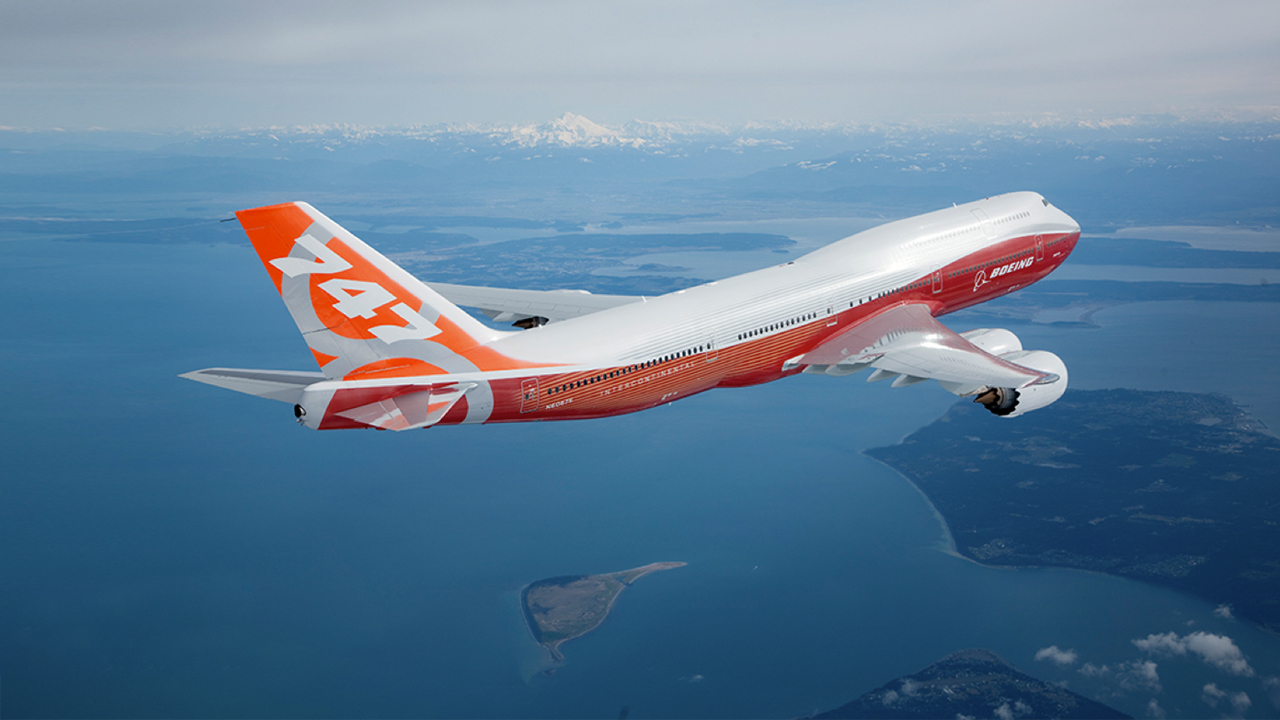
It’s completely normal for most travelers to step onto an aircraft without giving much thought to the machine carrying them across continents. Many passengers focus only on finding their seat and settling in for the journey. But for aviation enthusiasts, the flight itself is a core part of the experience. The sound of the engines, the engineering behind the wings, and even the model of the aircraft can make each trip feel unique.

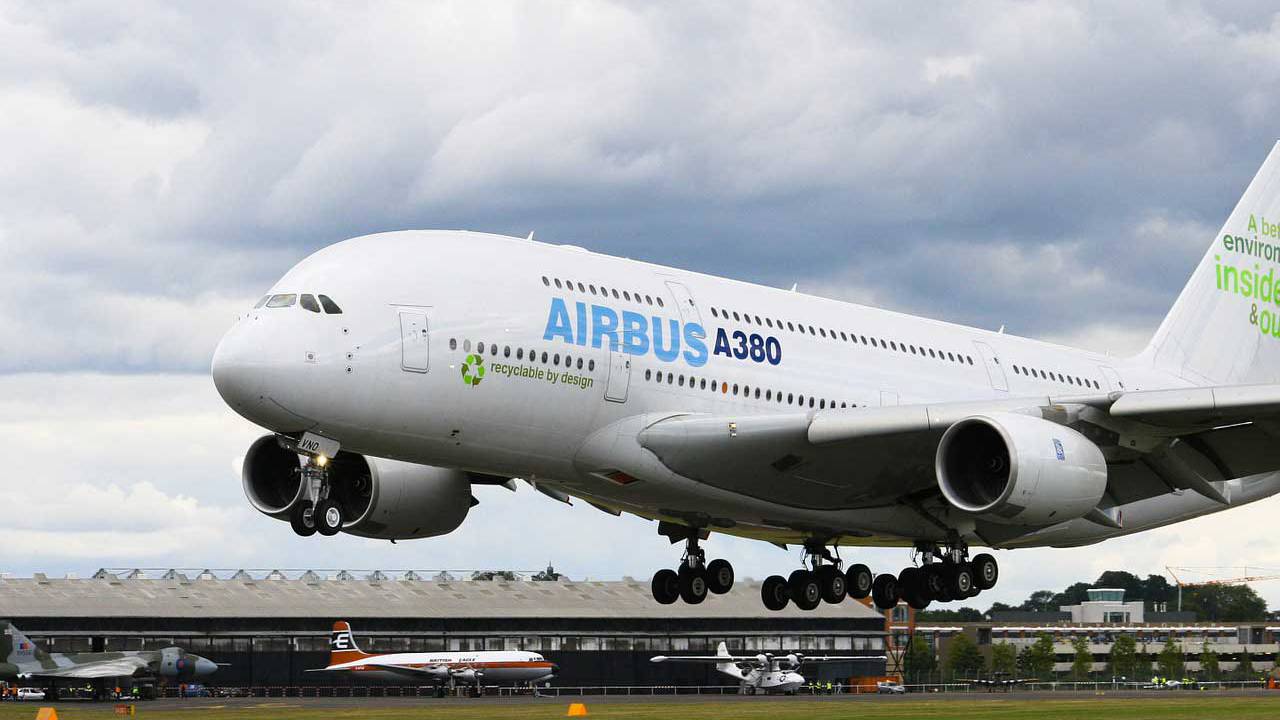
The largest passenger airliner ever put into commercial service, the A380, stands as one of the boldest engineering projects in aviation history. This enormous double-deck aircraft, powered by four massive engines and stretching out with a wingspan of about 262 feet, offered something truly unprecedented in capacity and internal volume. Airbus famously pointed out that if you included the cargo bay along with the main and upper decks, the aircraft could theoretically contain tens of millions of ping-pong balls—a playful way of illustrating just how vast its interior really was. Capable of holding well over 500 passengers in typical configurations, the aircraft’s sheer size helped it become a symbol of long-haul travel and global connectivity.

Commercial aviation has produced some of the most impressive machines ever to fly, each one shaped by decades of engineering, evolving travel demands, and the constant push toward higher capacity and longer range. These aircraft weren’t just built to move people; they were created to connect continents more efficiently, serve massive travel markets, and redefine what airlines could offer their passengers. From early wide-body pioneers to modern long-haul giants, every model in this list helped push the limits of what a passenger jet could be.
Here are the largest passenger aircraft ever built, and the innovations that made each one stand out.

Share on Social Networks

Editor's Pick