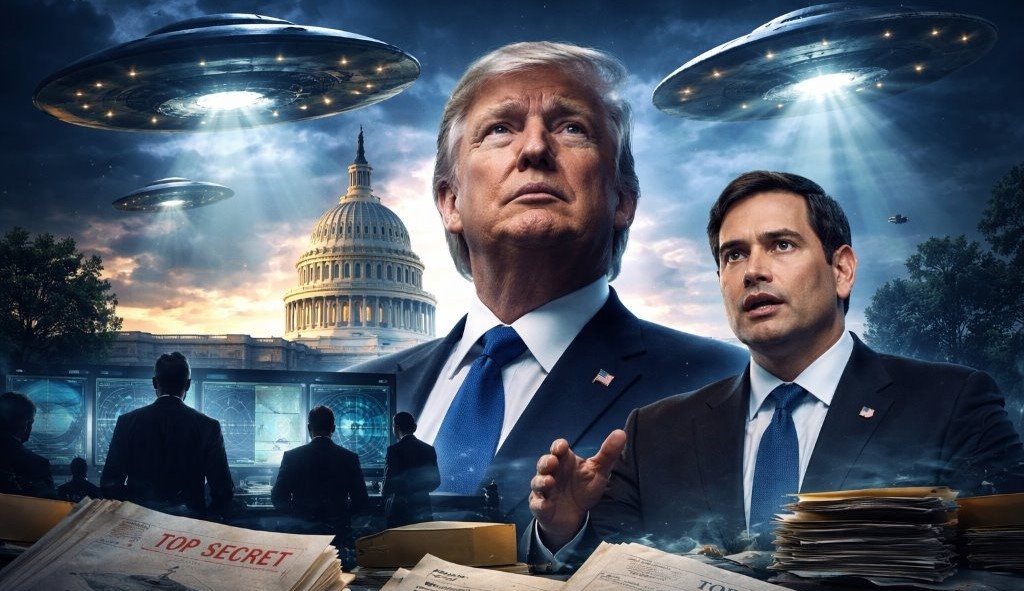
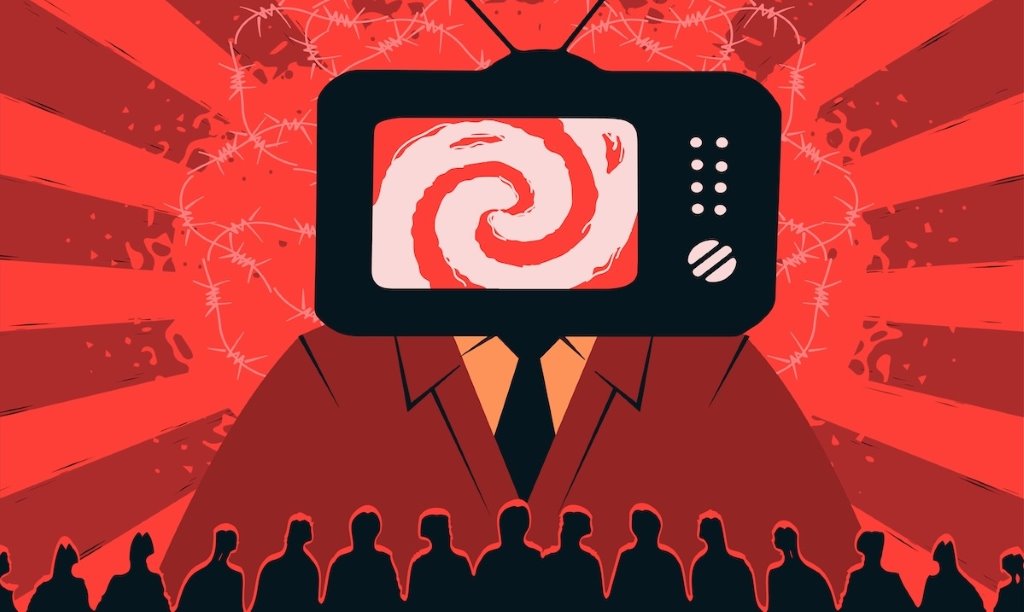
Politics used to be loud about its intentions. Speeches were delivered from podiums, slogans were printed on posters, and propaganda had a recognizable face. You could point to it and say, “That’s manipulation.” Today, it doesn’t look like that anymore. It scrolls past you while you drink your coffee. It arrives as a headline, a meme, a clip taken out of context, or a comment from someone who sounds just like you.
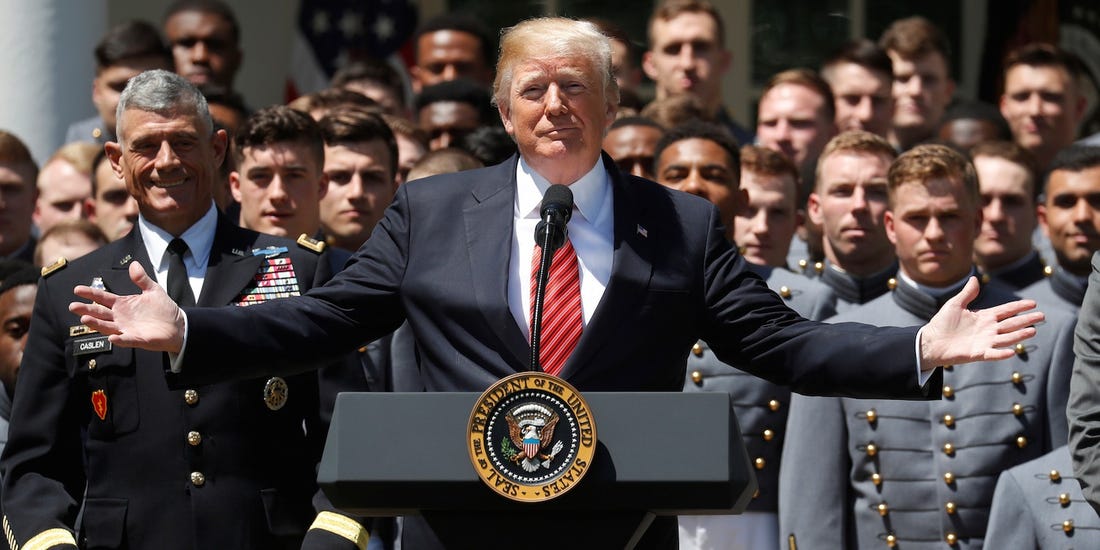
The question of whether Donald Trump would go to war with Iran can no longer be dismissed as speculative or rhetorical. In recent years, the Middle East has crossed several thresholds that once acted as brakes on escalation. Direct strikes, open retaliation, and short but intense confrontations between state actors have replaced the old pattern of quiet proxy conflicts and deniable operations. The brief but violent clash between Israel and Iran, followed by direct U.S. involvement, fundamentally altered assumptions about how far regional conflicts can go before Washington is pulled in.

For most of modern history, the world felt organized around a familiar structure. Power had a shape. You could point to capitals, alliances, institutions, and military blocs and roughly understand who mattered most and why. Even when tensions ran high, the rules of the game were mostly known. Today, that sense of clarity is disappearing.

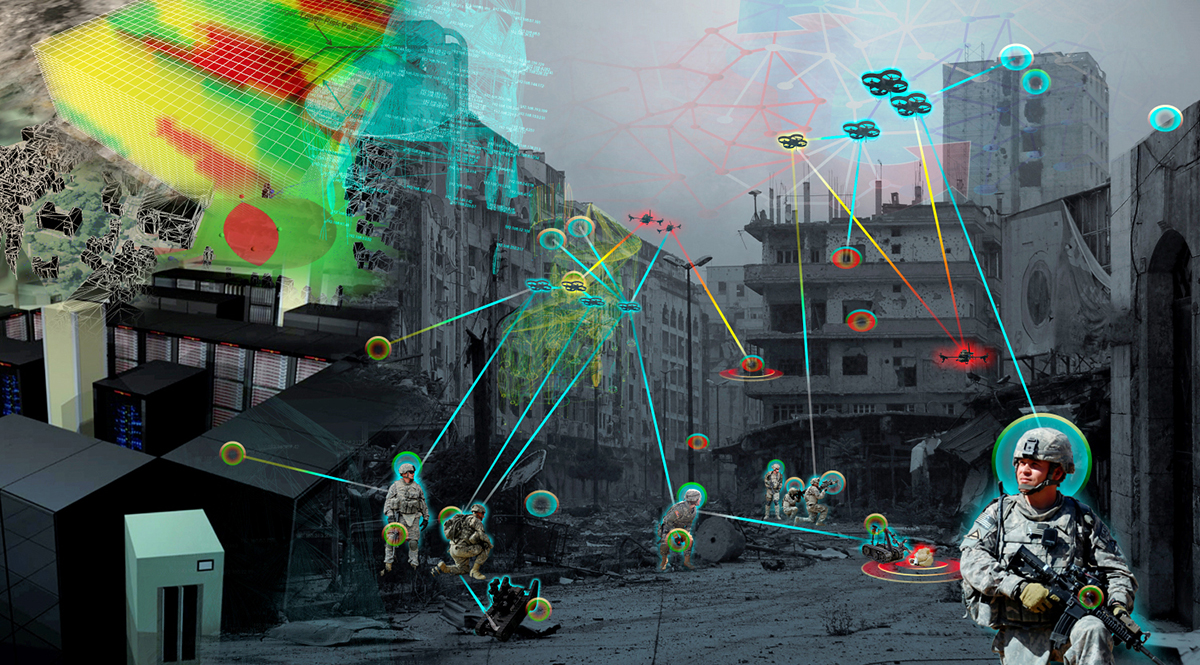
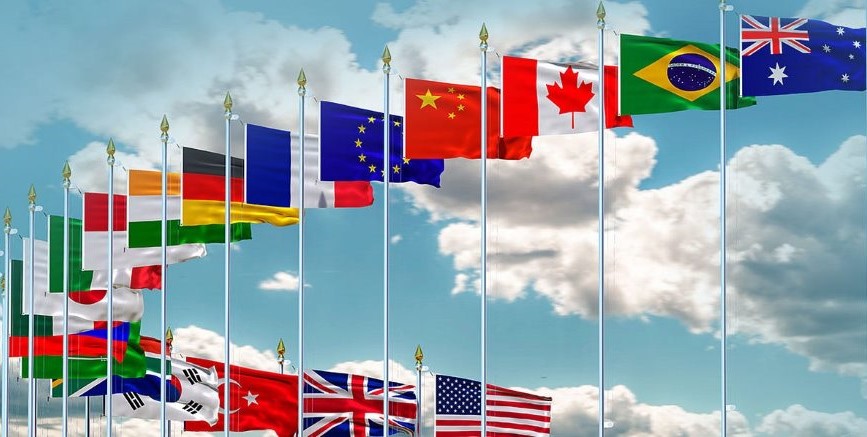
The world order isn’t collapsing overnight, and it isn’t being replaced by a single new ruler either. What’s happening is slower, quieter, and in some ways more unsettling. Influence is spreading out, fragmenting, and reassembling in unexpected ways. Old assumptions about dominance, loyalty, and stability no longer hold up the way they once did. Countries that were once peripheral are gaining leverage, while traditional powers are finding their reach limited by internal pressures, technological disruption, and global fatigue.

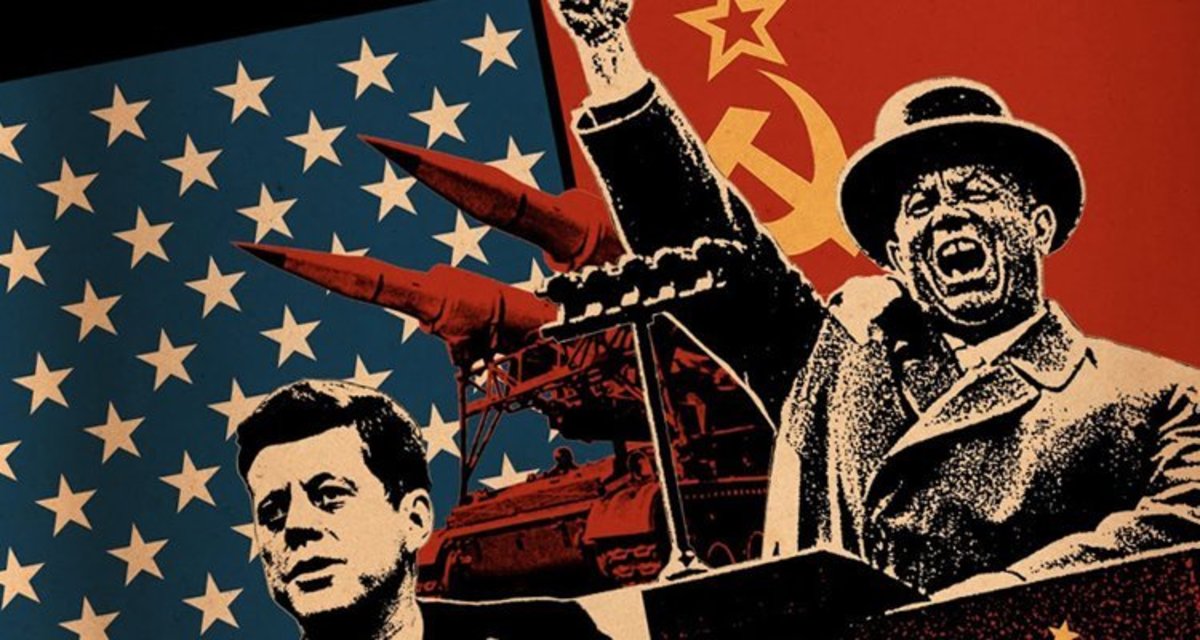
The Cold War was a prolonged global struggle that emerged after the defeat of Nazi Germany, reshaping international politics for decades. Although the United States and the Soviet Union had fought as allies during World War II, their partnership was never rooted in shared values or long-term trust. It was a temporary alliance driven by necessity, forged to defeat a common enemy. Once that enemy was gone, deep ideological, political, and economic differences resurfaced with force.

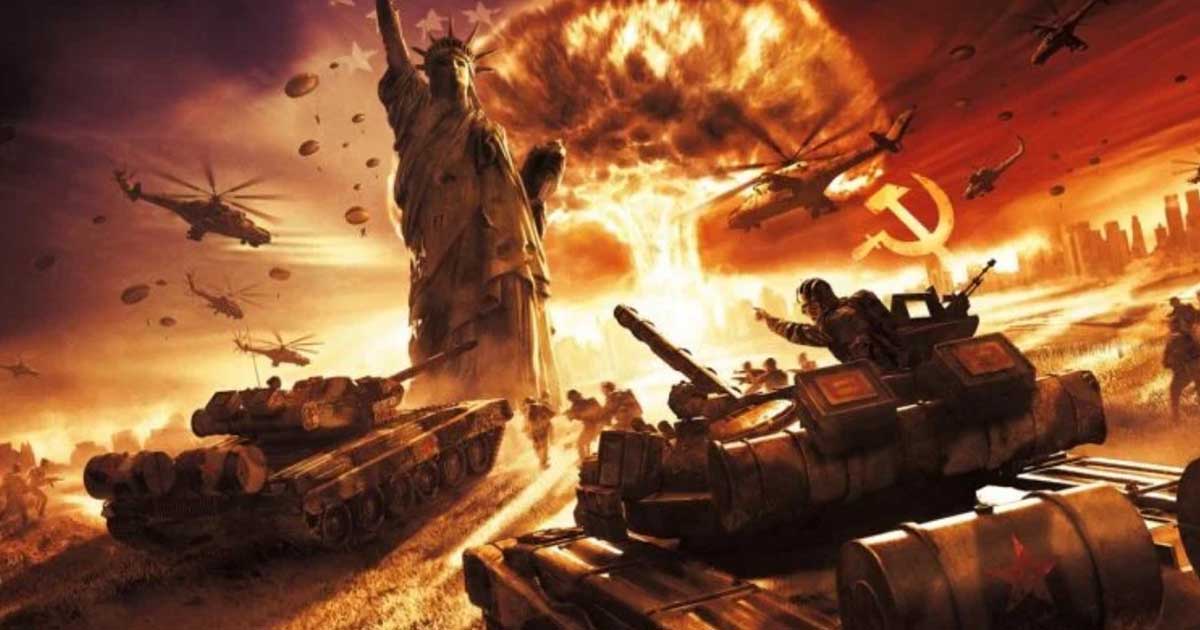
The idea of a third world war carries a unique kind of fear. It’s not just about armies clashing or borders shifting; it’s about a level of destruction that would ripple across every society, economy, and generation. Unlike past global wars, another one would unfold in a world that is tightly interconnected, technologically fragile, and armed with weapons capable of ending civilization as we know it. That reality makes the question feel both urgent and unsettling: could the world really stumble into something that large again?

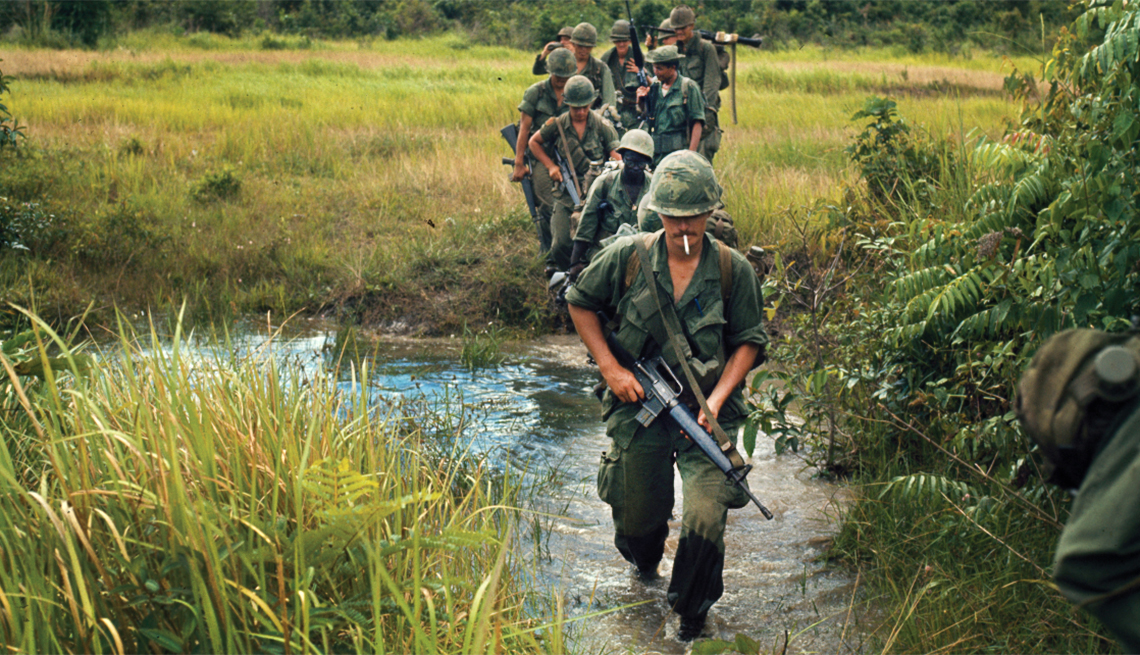
The Vietnam War was one of the longest, most expensive, and most deeply polarizing conflicts of the twentieth century. It brought the communist leadership of North Vietnam into direct confrontation with South Vietnam and its strongest backer, the United States. What began as a regional struggle over independence and political identity gradually escalated into a major Cold War battleground, shaped by global fears of communism, colonial legacies, and competing visions for Vietnam’s future.

Share on Social Networks

Editor's Pick