

Speed has always been the ultimate currency in aviation. Commercial airlines chase it to move passengers efficiently, squeeze more flights into a day, and keep their profits alive—especially the budget carriers that depend on fast turnarounds. But in the world of military aviation, speed isn’t just a convenience or a business advantage; it’s often the thin line between survival and disaster. A fighter jet that can’t outrun a threat, close in on an enemy aircraft, or break away when things go wrong places both pilot and mission in serious danger.
Modern combat aircraft differ wildly in design, purpose, sensors, weapons, and the distances they can cover. Yet one thing ties them all together: the raw need for velocity. Speed shapes strategy. It dictates how quickly a nation can respond to an attack, how well a pilot can dodge a missile, and how effectively a squadron can dominate contested airspace. Even with ever-advancing radar systems, stealth coatings, and electronic warfare tools, sheer acceleration and top-end performance remain essential traits.
That brings us to a question people around the world constantly ask: Which fighter jet is the fastest? Many legendary aircraft have come and gone, but a select few still serve today, showcasing incredible engineering and breathtaking top speeds. Below is a detailed look at the fastest piloted fighter jets that remain in operational use, along with the stories behind their development and the reasons they earned a place on this list.
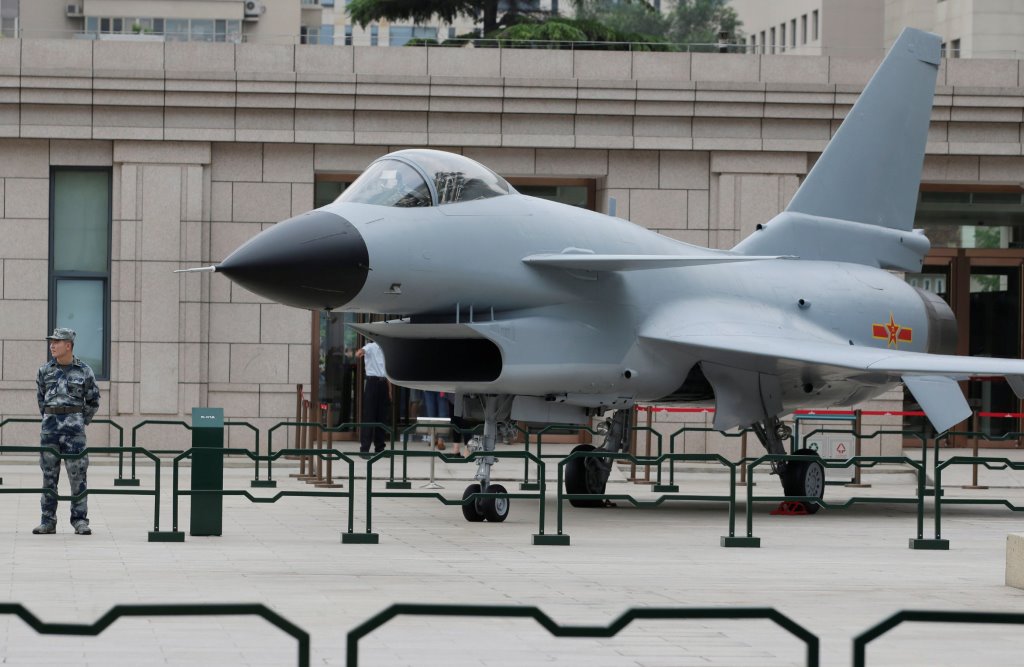
10. Chengdu J-10
The Chengdu J-10 earns its place as the first entry on this list of fastest fighter jets. Known by its NATO codename “Firebird,” it represents one of China’s most important steps toward fielding a fully modern combat fleet. Designed and manufactured by the Chengdu Aircraft Corporation, the J-10 serves as a multirole aircraft, capable of handling interception, air-to-air engagements, and precision ground-strike missions.
Its origins go back to the late 1990s, when the aircraft completed its initial flights in 1998. After refinement and modifications, it entered active service with the People’s Liberation Army Air Force in 2003. Although originally meant to be a specialized air-superiority aircraft, subsequent testing revealed the benefits of expanding its mission profile into a multirole platform.
With roughly 350 units produced, the J-10 has become one of China’s backbone fighters, combining affordability, agility, and modern avionics. It also holds the title of the nation’s fastest operational fighter.
Top Speed: 2,336 km/h
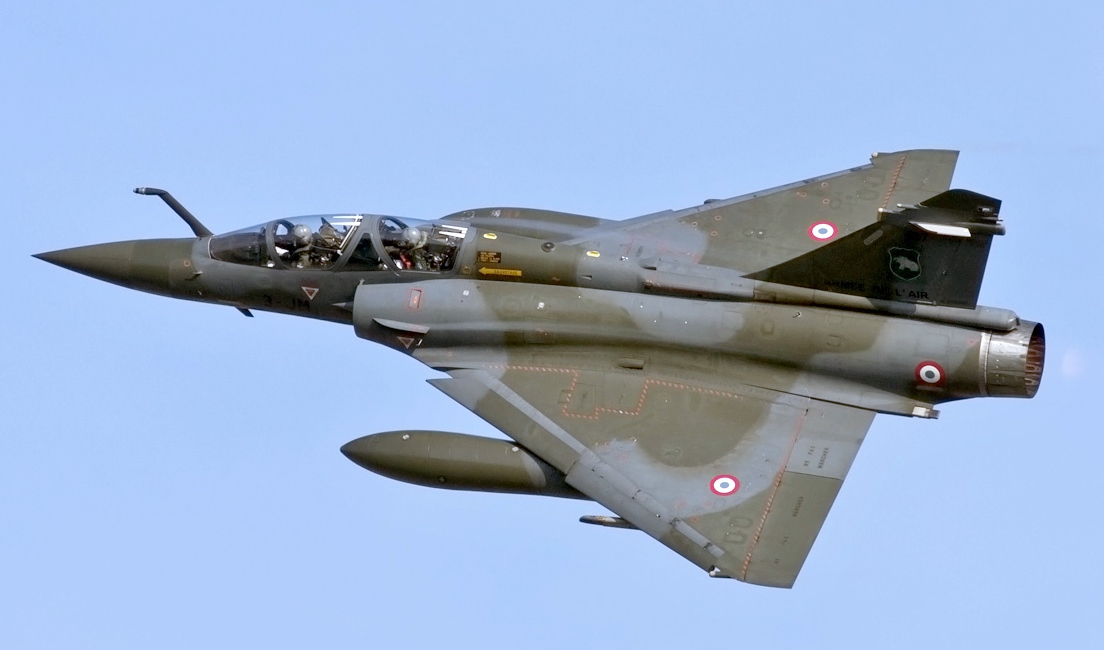
9. Dassault Mirage 2000
The Dassault Mirage 2000 stands as one of France’s most successful and recognizable fighter jets. Created during the 1970s by Dassault Aviation, it evolved from the French Air Force’s decision to withdraw from the multinational Panavia Tornado program and pursue its own domestically engineered solution.
Originally known as the “Delta 2000,” the Mirage 2000 fulfilled France’s need for a capable, lightweight, multirole fighter that could defend airspace and perform precision strikes. Following its first flight in 1978, deliveries began in 1984, and more than 600 aircraft were ultimately built.
Today, the Mirage 2000 remains in service with several nations, prized for its reliability, delta-wing agility, and straightforward maintenance demands.
Top Speed: 2,336 km/h
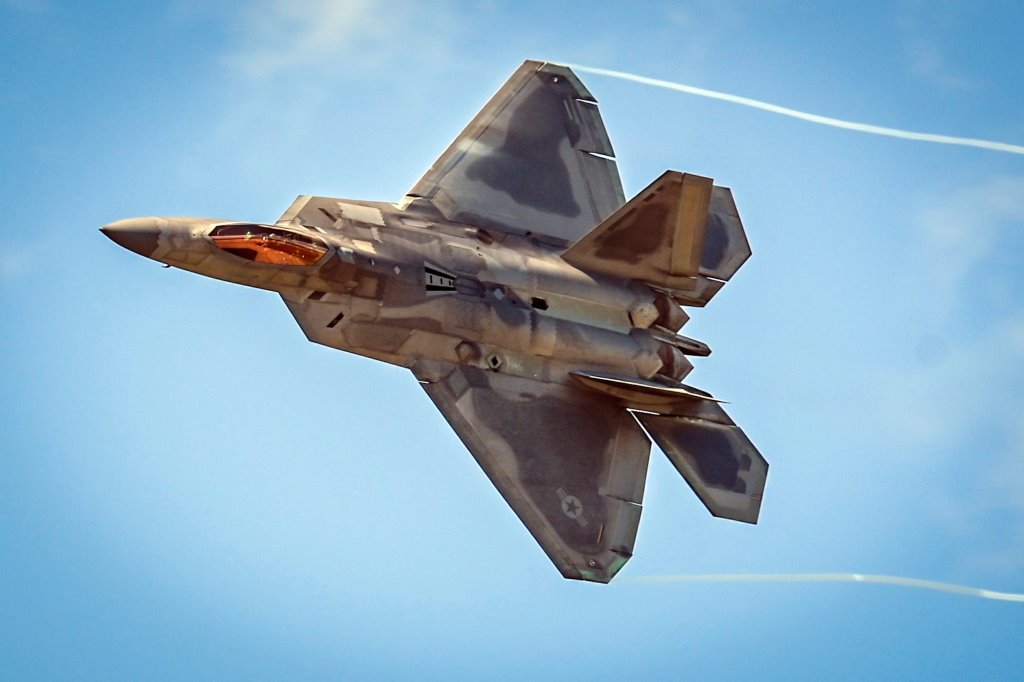
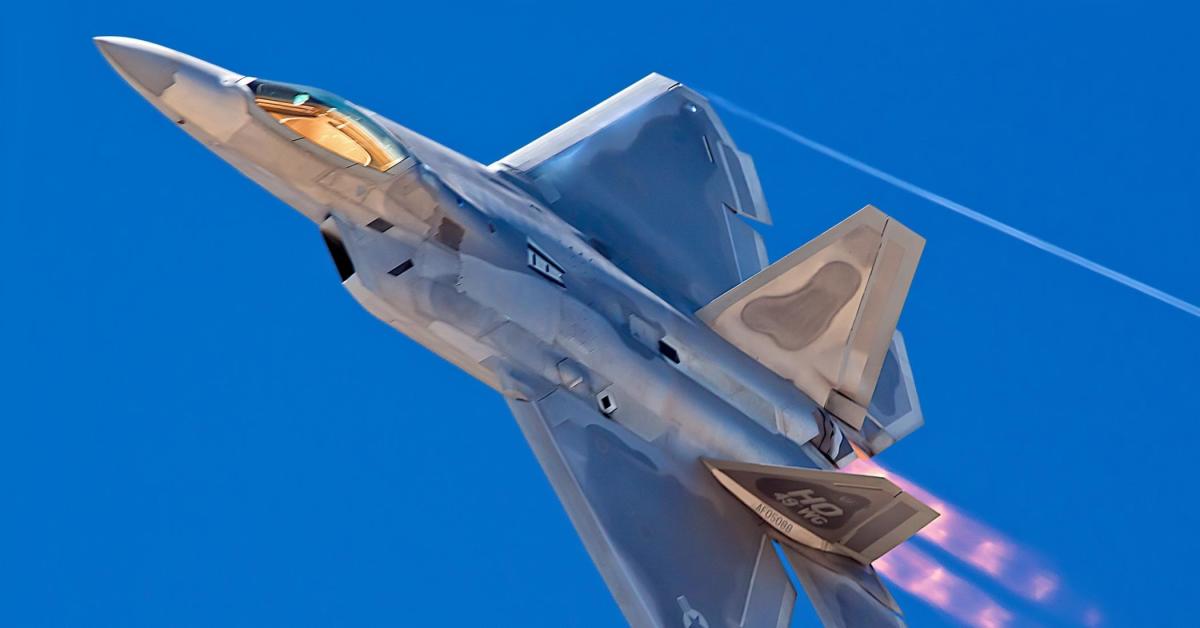
8. Lockheed Martin F-22 Raptor
The F-22 Raptor is widely regarded as the world’s first fully realized fifth-generation fighter jet, built for absolute dominance in air-to-air combat. Development began in 1986, when the U.S. Air Force sought a next-generation platform using advanced composite materials, powerful engines, and cutting-edge stealth shaping.
Lockheed’s prototype, the YF-22, outperformed McDonnell Douglas’ YF-23 in evaluations, securing the production contract. The aircraft officially entered service in 2005 and quickly became a benchmark for high-end aerial capability. However, despite its unmatched performance, production was halted in 2011 due to escalating costs and shifting strategic priorities in favor of the multirole F-35.
Only 187 operational Raptors were ultimately delivered, making it one of the rarest modern fighters.
Top Speed: 2,410 km/h
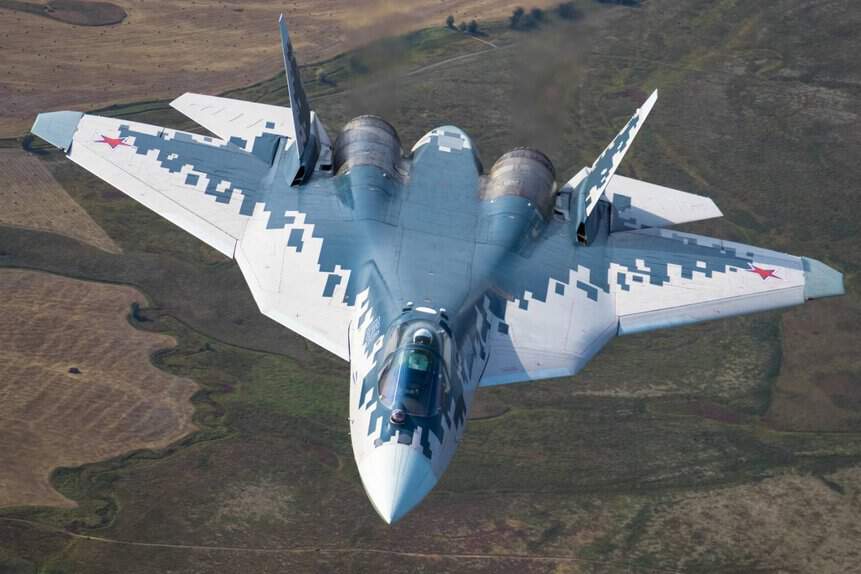
7. Sukhoi Su-57
Russia’s answer to fifth-generation fighter design comes in the form of the Sukhoi Su-57, developed as an air-superiority platform with significant multirole functionality. After winning the design competition in 2002, Sukhoi began incorporating lessons and components from older aircraft such as the Su-27 to reduce risk and development time.
Flight testing started in 2010, and although long-term delays occurred—particularly in engine development—the aircraft continued advancing toward operational readiness. Early evaluations even took place in Syria, where prototypes were observed during live-combat trials.
The Su-57 represents Russia’s attempt to field a modern stealth aircraft capable of competing with Western fifth-generation jets.
Top Speed: 2,440 km/h
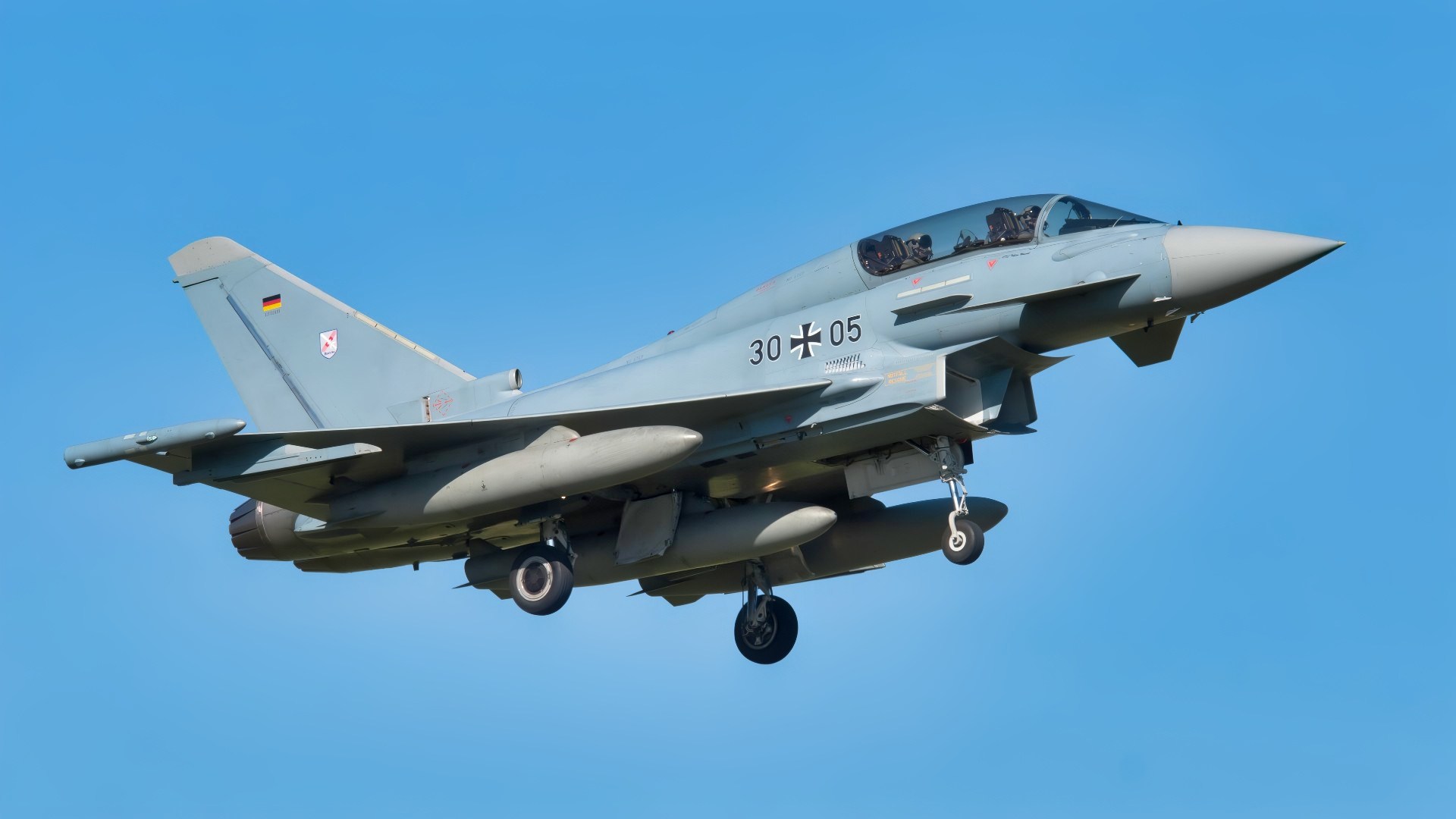
6. Eurofighter Typhoon
The Eurofighter Typhoon is the product of a rare multinational engineering effort, with Germany, Italy, Spain, and the United Kingdom collaborating on one unified combat aircraft. Designed during the Cold War but deployed in the early 2000s, the Typhoon has become one of Europe’s most advanced fighters.
Its development initially faced political turbulence, shifting priorities, and questions about viability after the collapse of the Soviet Union. Nonetheless, the jet made its first test flight in 1994 and entered service nearly a decade later.
Known for its instinctive handling, high-G maneuvering, and exceptional dogfighting performance, the Typhoon has served in multiple real-world missions, including the 2011 operation in Libya.
Top Speed: 2,495 km/h
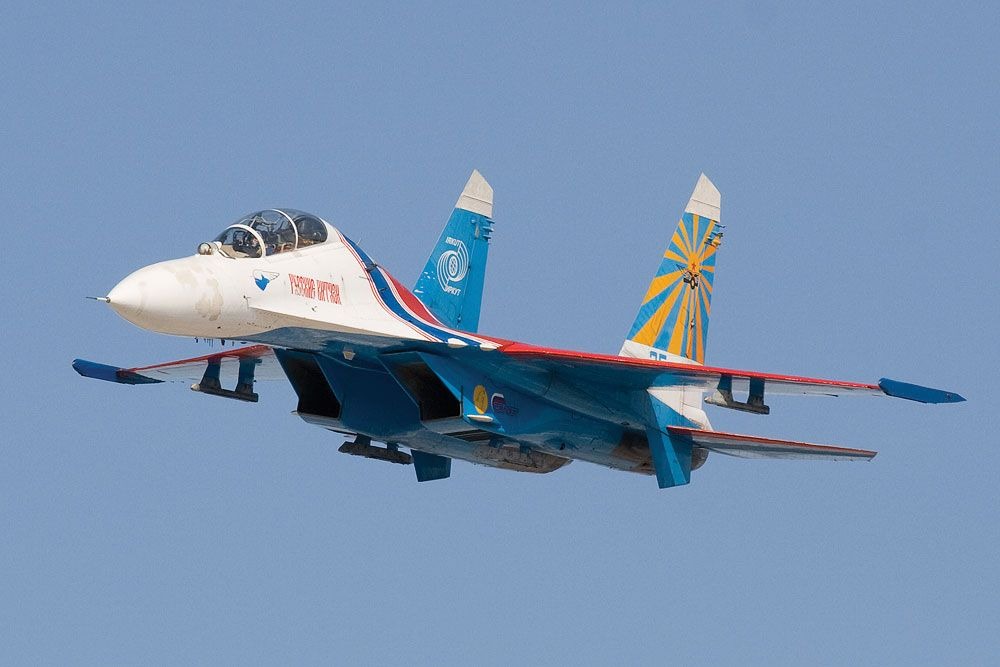
5. Sukhoi Su-27
The Su-27 emerged in the late 1970s as the Soviet Union’s heavyweight air-superiority fighter, created to rival the U.S. F-15 Eagle. As American aircraft rapidly evolved, the Soviet command realized its own fleet risked becoming obsolete. In response, Sukhoi was entrusted to design a large, powerful fighter that could outperform Western jets in range, speed, and climb rate.
Despite early setbacks, redesigns, and prototype failures, the Su-27 eventually became one of the Soviet Union’s most respected airframes. It entered service in 1985 and later inspired a broad family of variants and exports. Even today, several nations still operate the aircraft, and the United States itself owns a small number for training exercises.
Top Speed: 2,496 km/h
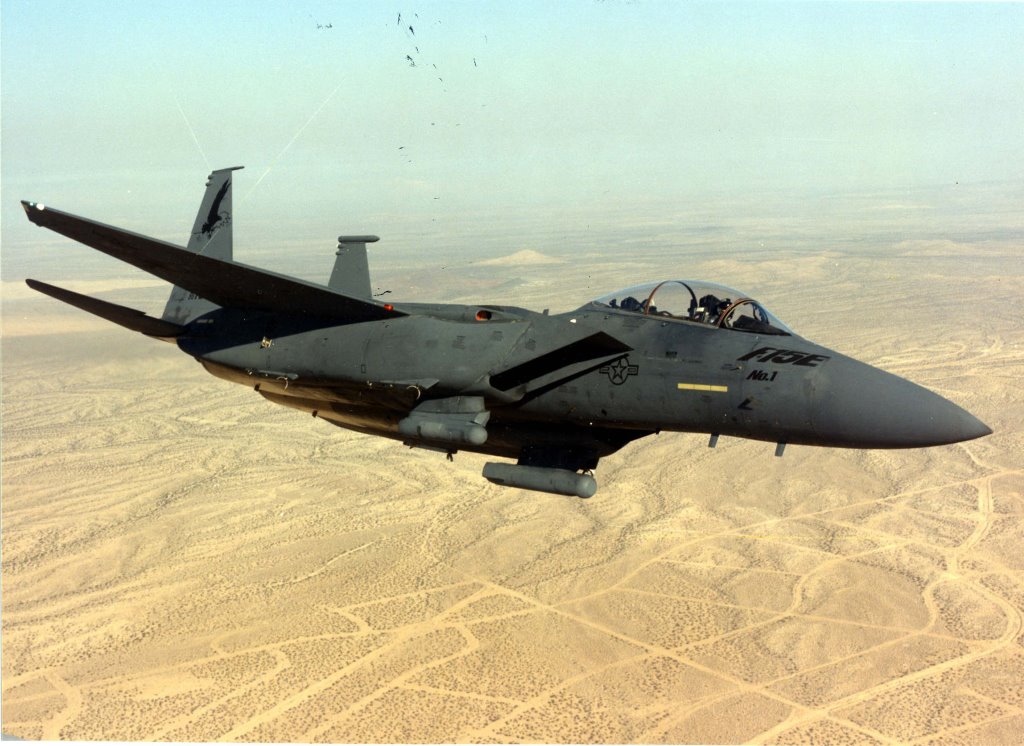
4. McDonnell Douglas F-15
The F-15 Eagle is one of the most iconic air-superiority fighters ever created. Initiated under the U.S. Air Force’s F-X program in the late 1960s, it was designed for raw maneuverability, sustained thrust, and overwhelming combat performance. McDonnell Douglas won the contract in 1969 and produced the first operational Eagles in 1976.
Although it arrived too late to fight in Vietnam, the F-15 went on to accumulate one of the most impressive air-to-air combat records in history, achieving well over 100 confirmed victories without a single loss in aerial combat. Production continues into the modern day with upgraded variants.
Top Speed: 2,665 km/h
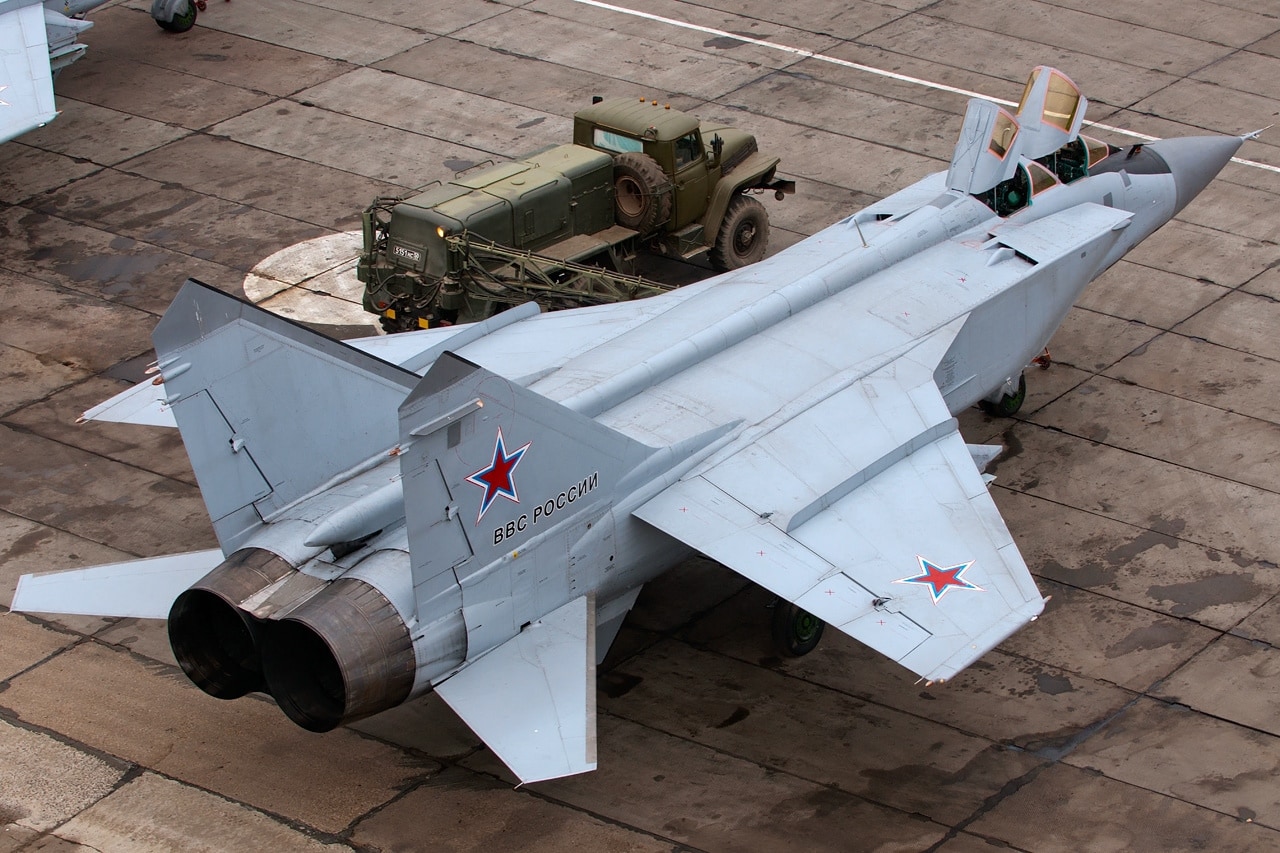
3. MiG-31
The MiG-31 Foxhound, built by the Mikoyan design bureau, was developed as a direct successor to the famed MiG-25 interceptor. It represented a major technological leap forward, incorporating a strengthened airframe, improved maneuverability, and the first phased-array radar ever used on a fighter jet.
Designed to protect Soviet airspace from high-speed NATO intruders, the MiG-31 could launch long-range missiles without guidance from external platforms, which was rare at the time. Production ended in 1994, yet the aircraft remains active in Russia and Kazakhstan, with modernization programs extending its life deep into the 2030s.
Top Speed: 2,993 km/h
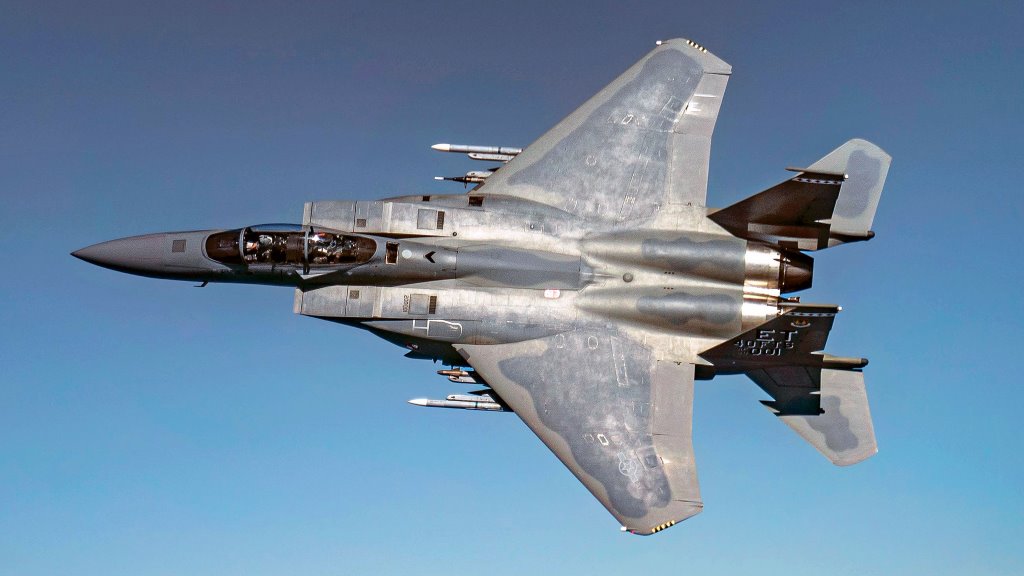
2. F-15 Strike Eagle
The F-15E Strike Eagle is the multirole evolution of the original F-15 platform. Unlike its air-superiority sibling, the Strike Eagle was engineered to excel at deep-strike missions while maintaining powerful air-to-air capability.
When the U.S. Air Force sought a replacement for the F-111, McDonnell Douglas proposed an upgraded F-15 design with added ground-attack systems and reinforced structure. Competing against the F-16XL, the F-15E won the contract in 1984 due to its maturity, cost efficiency, and reliability.
Since then, over 420 units have been produced, and the Strike Eagle remains a dominant force in modern air combat and precision strike operations.
Top Speed: 3,017 km/h
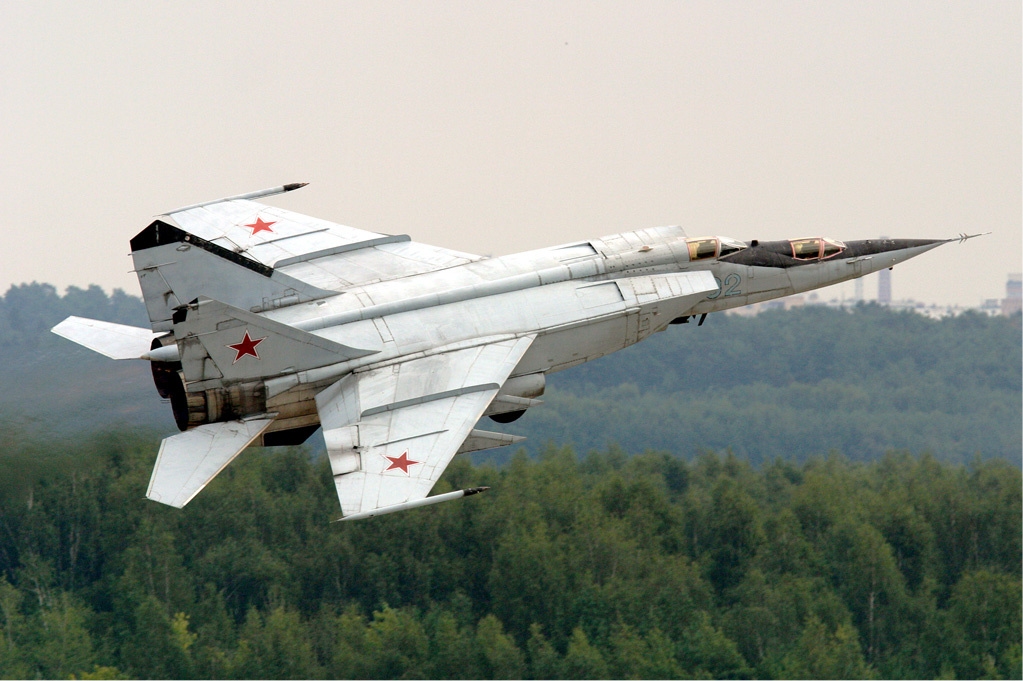
1. MiG-25
The MiG-25 Foxbat stands as the fastest operational fighter jet on this list. Designed during the height of the Cold War, it entered service in 1970 and served primarily as a high-speed interceptor tasked with protecting Soviet borders from reconnaissance aircraft and potential NATO incursions.
Its construction relied heavily on stainless steel to endure extreme temperatures at high speeds. Although initial Western observers believed it was extremely agile, later inspection revealed that its large wings were necessary to support its heavy frame, not indicators of maneuverability.
Despite its limitations in dogfighting, the MiG-25 excelled at what it was created to do — fly exceptionally fast and exceptionally high. Over 1,186 units were produced before manufacturing ceased in 1984, and a limited number of aircraft continue serving in specific roles.
Top Speed: 3,089 km/h