

It’s completely normal for most travelers to step onto an aircraft without giving much thought to the machine carrying them across continents. Many passengers focus only on finding their seat and settling in for the journey. But for aviation enthusiasts, the flight itself is a core part of the experience. The sound of the engines, the engineering behind the wings, and even the model of the aircraft can make each trip feel unique.
What many people don’t realize is that the airplane itself plays a major role in shaping comfort, noise levels, cabin pressure, and even how rested you feel after landing. Airlines vary in service quality, but the aircraft type determines the foundation of what passengers experience. Different models carry different advantages—some are quieter, some offer smoother rides, and others are known for reliability above all else.
Below are ten of the most commonly purchased commercial airliners, aircraft that helped define global passenger travel and continue to shape modern aviation.
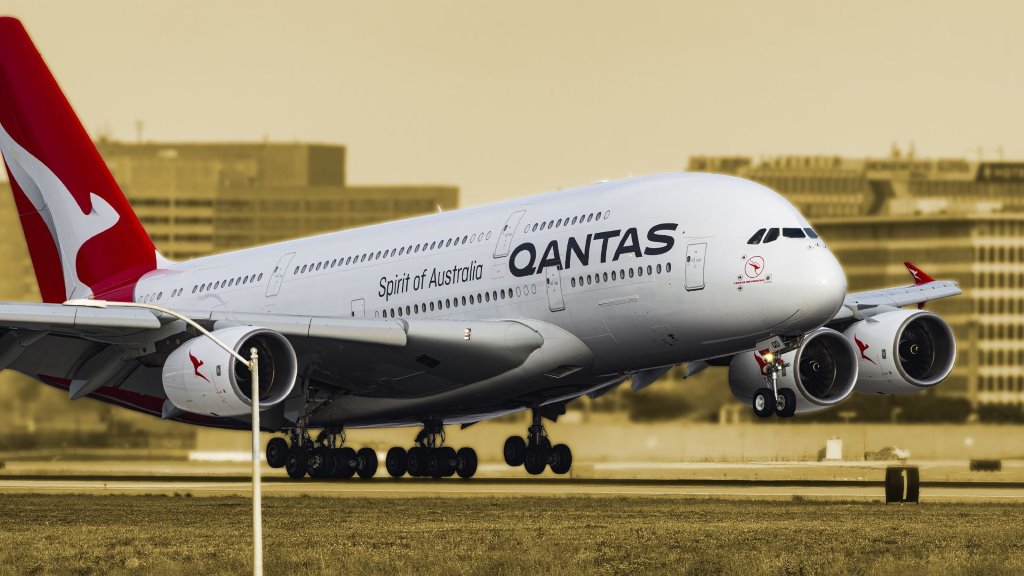
10. Airbus A380
The Airbus A380 is known for its enormous size and distinctive two-level layout, a design meant to handle massive passenger loads while keeping long-haul travel surprisingly comfortable. Introduced in 2004, it became the flagship aircraft for major carriers such as Singapore Airlines, Emirates, Qantas, and Lufthansa. Airlines were drawn to it because of the economies of scale it offered—when filled, its per-seat operating cost was far more efficient than many smaller wide-body jets.
What set the A380 apart wasn’t just the seating capacity but the experience it delivered. Its cabin was remarkably quiet for an aircraft of its size, and the wide corridors and high ceilings gave passengers a sense of openness that older planes didn’t match. The aircraft handled turbulence well, thanks to its wing structure and exceptional stability, which made long flights feel less fatiguing.
Although some airlines eventually shifted to smaller, more fuel-efficient jets, the A380 defined an era of luxury long-haul travel. For many travelers, flights on this aircraft remain among the smoothest and most comfortable they’ve ever experienced.
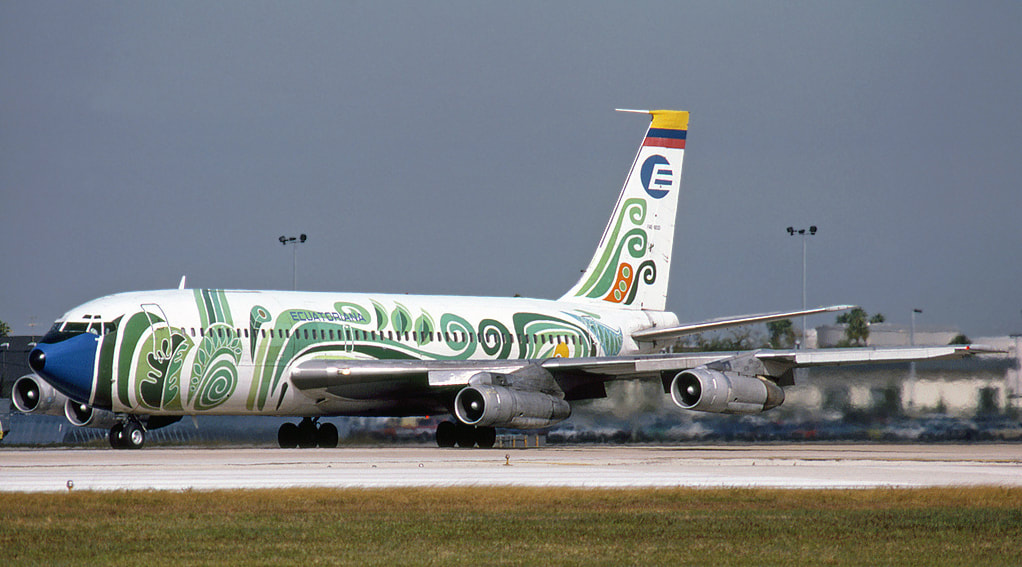
9. Boeing 707
First entering service in 1958, the Boeing 707 became a symbol of early jet-age travel and one of the aircraft that helped launch the modern airline industry. With seating for roughly 190 passengers, it was a major upgrade from earlier propeller-driven models and offered speeds and climb rates that drastically reduced travel times across continents.
Its four-engine configuration gave airlines confidence during long overwater flights, and its performance opened new international routes, allowing carriers to expand global networks in ways previously impossible. The 707 brought jet travel to the masses and became the backbone of many fleets during the 1960s and 1970s.
Even though production stopped in 1979, the aircraft served for decades afterward in various forms, including cargo operations, military variants, and VIP transport. The 707’s design also influenced nearly every commercial jet Boeing built later, making it one of the most influential airliners in aviation history.
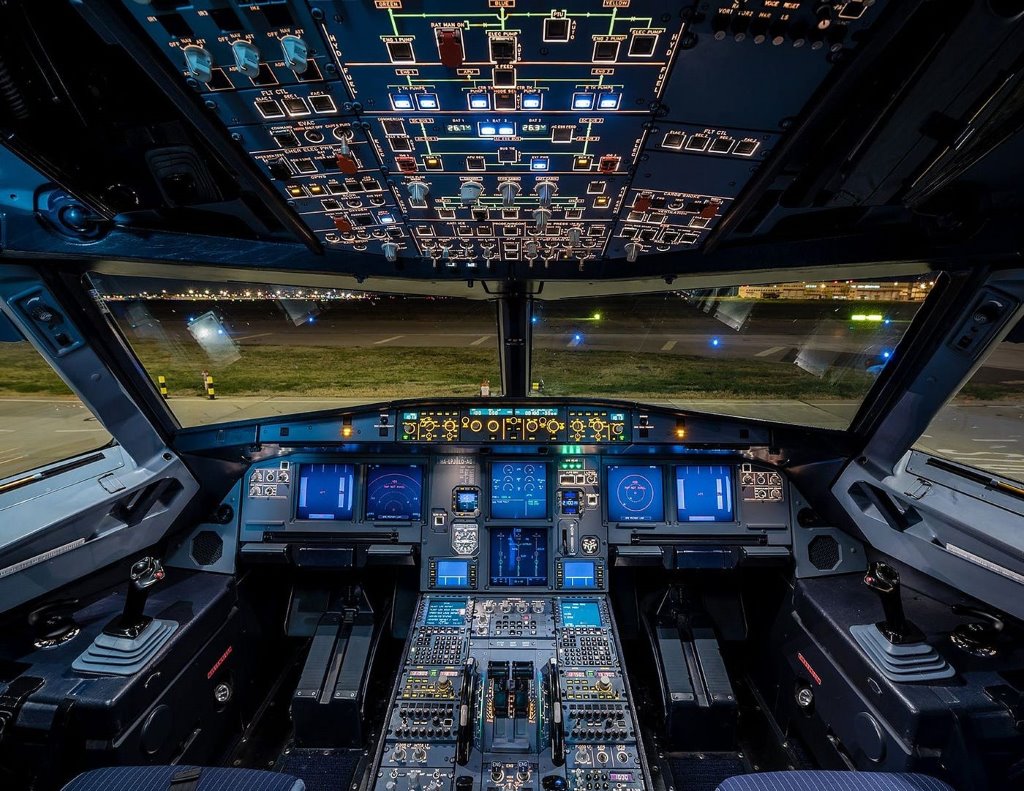
8. Airbus A320
The Airbus A320 family quickly became one of the most successful narrow-body aircraft lines in the world. Designed for short to medium-distance domestic and regional flights, the A320 can seat up to about 220 passengers, depending on the airline’s configuration. Its popularity is largely due to consistent reliability, lower operating costs, and the impressive versatility of its design.
One of the A320’s biggest milestones came from being the first commercial aircraft to use a fully digital fly-by-wire system, replacing traditional mechanical controls. This allowed for smoother handling and more precise control inputs, enhancing safety and fuel efficiency. Airlines appreciated its common cockpit design, which enabled pilots to transition between A318, A319, A320, and A321 aircraft with minimal retraining.
Today, the A320 family forms the core of many fleets worldwide. It powers thousands of daily flights, from busy domestic routes to mid-range international journeys, proving its value as a dependable workhorse in commercial aviation.
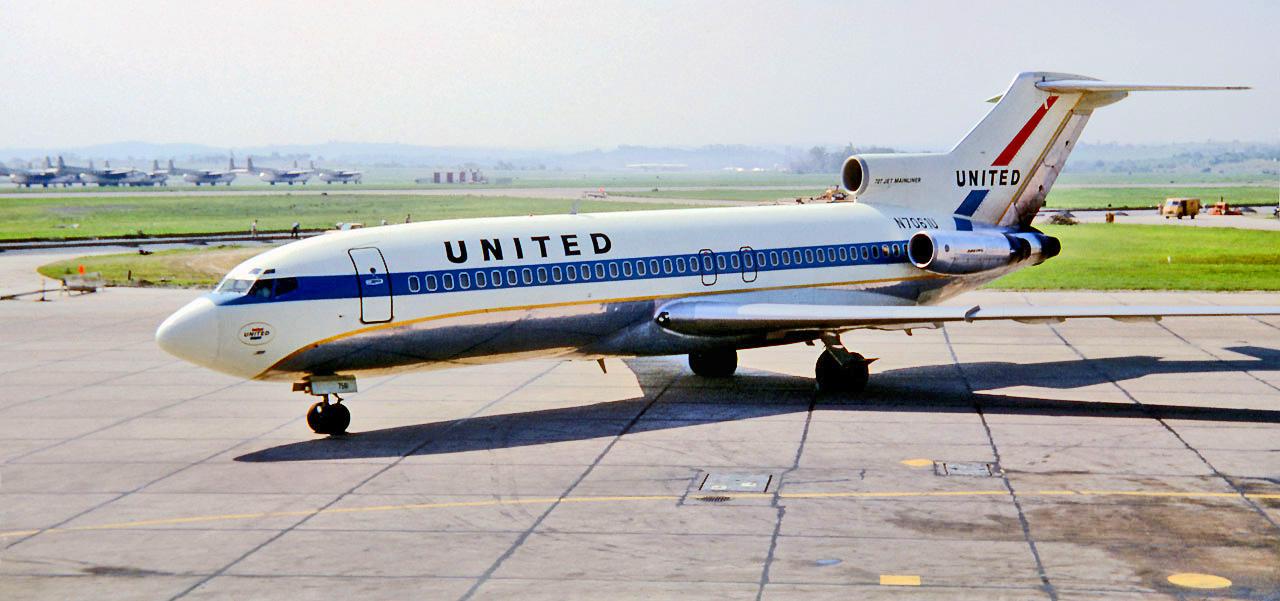
7. Boeing 727
Designed for short to medium-range operations, the Boeing 727 became one of the most widely used jets in the world, especially during its peak decades. Its seating ranged from about 149 to 189 passengers, depending on the model and layout. One of its most notable design features was the three-engine configuration at the rear, which allowed the aircraft to operate from airports with shorter runways—an advantage that made it extremely popular with airlines serving smaller or regional airports.
The original version was later improved to enhance its performance and range, enabling it to reach up to approximately 270 nautical miles more than earlier estimates. Its reliability and ability to perform well in varied climates and conditions helped cement its reputation among pilots and maintenance crews.
For many years, the Boeing 727 was the backbone of domestic airline service in several countries. Even though newer, more efficient aircraft have replaced it, the 727 holds a special place in aviation history for the role it played in expanding jet travel across regions previously dominated by propeller aircraft.
6. Boeing 767
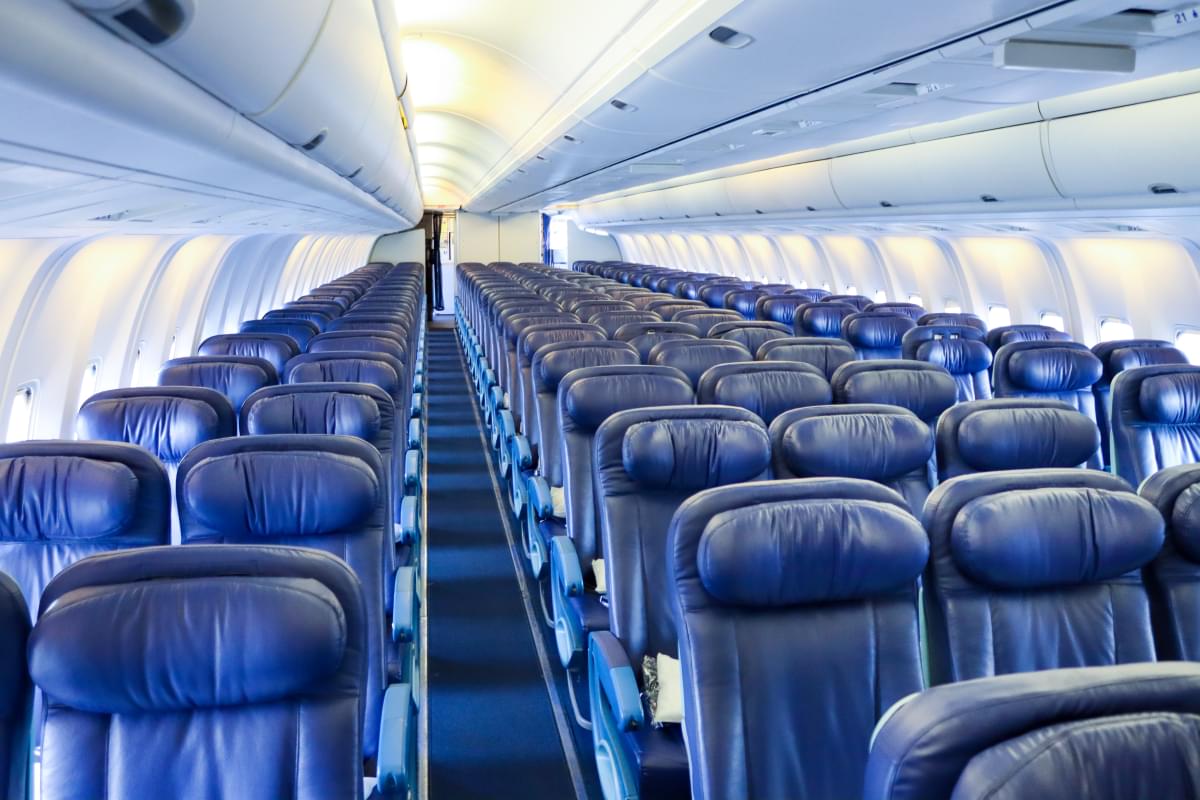
The Boeing 767 marked a turning point for Boeing when it introduced the glass cockpit concept, reducing flight deck crew from three to two by integrating digital instrumentation. This shift improved efficiency and lowered operating costs, making the 767 one of the company’s most strategically important wide-body jets.
The aircraft provides a balanced combination of range, comfort, and fuel economy. Its twin-engine layout proved exceptionally reliable, and airlines found it ideal for both transcontinental flights and medium-haul international routes. Cabin layouts varied widely, allowing airlines to tailor the passenger experience to premium-heavy long-haul services or dense, economy-focused configurations.
Over the years, the 767 also became a favorite for cargo conversions, thanks to its sturdy design and impressive payload capacity. Even today, decades after its introduction, the plane remains in active service with numerous carriers, proving the longevity of its engineering.
5. Boeing 757
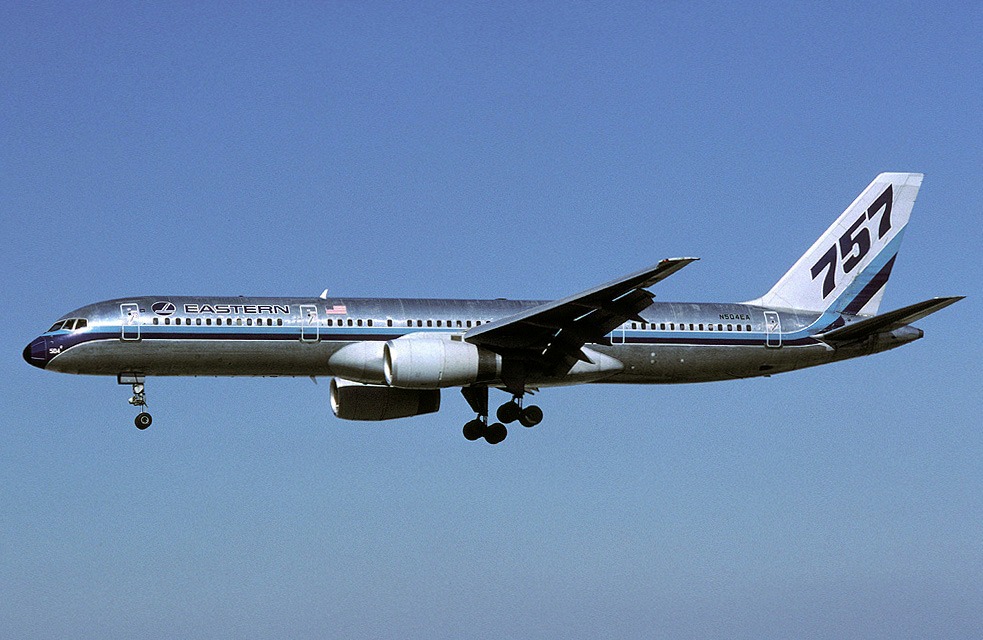
The Boeing 757 stands out as one of the most capable single-aisle jets ever produced. From its launch in 1981 until the end of production in 2004, it built a reputation for strong performance, range, and efficiency. With seating for up to around 289 passengers in high-density layouts, the aircraft filled a unique niche between smaller narrow-body jets and larger twin-aisle aircraft.
One of its signature features is the supercritical wing design, engineered to reduce aerodynamic drag and improve fuel efficiency. This gave the 757 excellent climb performance and made it ideal for challenging airports with short runways or steep takeoff paths. Airlines used it for everything from domestic routes to transatlantic flights, a versatility that few aircraft of its size could match.
Pilots often praise the 757 for its strong thrust and responsive handling, while airlines appreciate its reliability and operational flexibility. Even though Boeing no longer produces it, the 757 remains highly valued, with many units still active in passenger and cargo service.
4. Boeing 787 Dreamliner
The Boeing 787, widely known as the Dreamliner, represents a major leap in the design philosophy of modern commercial aircraft. Unlike traditional airliners built largely from aluminum, the 787 uses a high proportion of carbon fiber reinforced plastic and advanced composites, resulting in a lighter structure and significantly better fuel efficiency. This reduces operating costs for airlines and allows longer non-stop routes that were previously less economical.
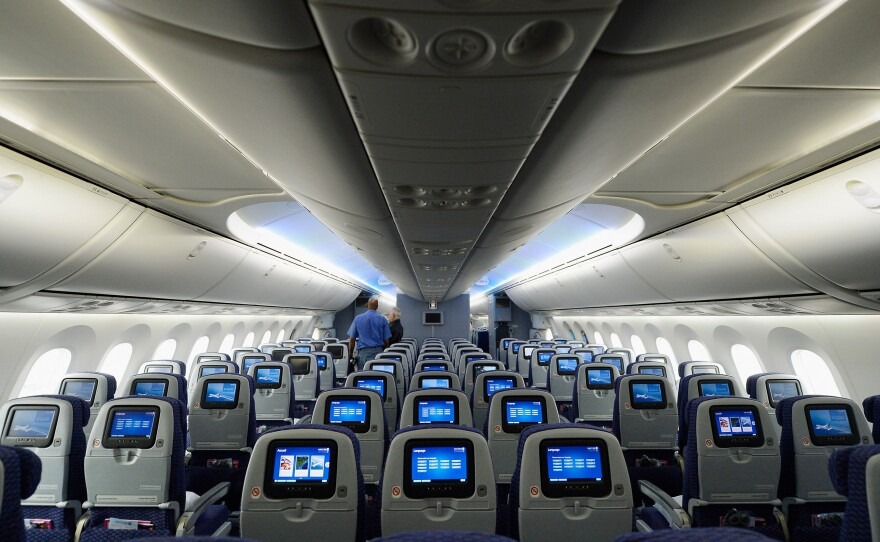
One of the most distinctive qualities of the 787 is the passenger experience. The cabin environment is pressurized to a lower effective altitude than many older jets, and humidity levels are slightly higher, which helps reduce fatigue and dryness on long flights. Larger windows with electronic dimming replace conventional shades, giving the cabin a more open, modern feel while still allowing precise control of light. Noise reduction features, from the engine nacelles to the cabin insulation, also contribute to a quieter ride.
Airlines use the 787 on long-haul routes that benefit from its range and efficiency, often connecting secondary cities directly instead of funnelling all traffic through traditional hubs. Its combination of advanced materials, comfortable cabin design, and lower fuel burn makes it a strategic choice for carriers that want to offer long-distance travel while keeping costs under control.

3. Boeing 737 Family
The Boeing 737 is one of the most commercially successful aircraft families in history. Originally designed for short to medium-range flights, it has evolved through multiple generations—from the early classics to the Next Generation series and then the MAX variants. Capacity ranges from around 85 to more than 200 passengers, depending on the specific model and seating configuration.
Its versatility is one of the key reasons airlines buy it in such large numbers. The 737 can operate on short domestic hops, regional international routes, and even some longer segments with the right configuration. Airlines appreciate that pilots can often transition between different 737 models with relatively modest additional training, simplifying fleet management and crew scheduling.
The ongoing development of the 737 line, including updated avionics, improved aerodynamics, and more efficient engines, has helped the aircraft remain competitive for decades. For many travelers, especially on domestic and regional routes, the Boeing 737 is the aircraft they encounter most frequently, forming the backbone of countless airline fleets around the world.
2. Boeing 777 Series
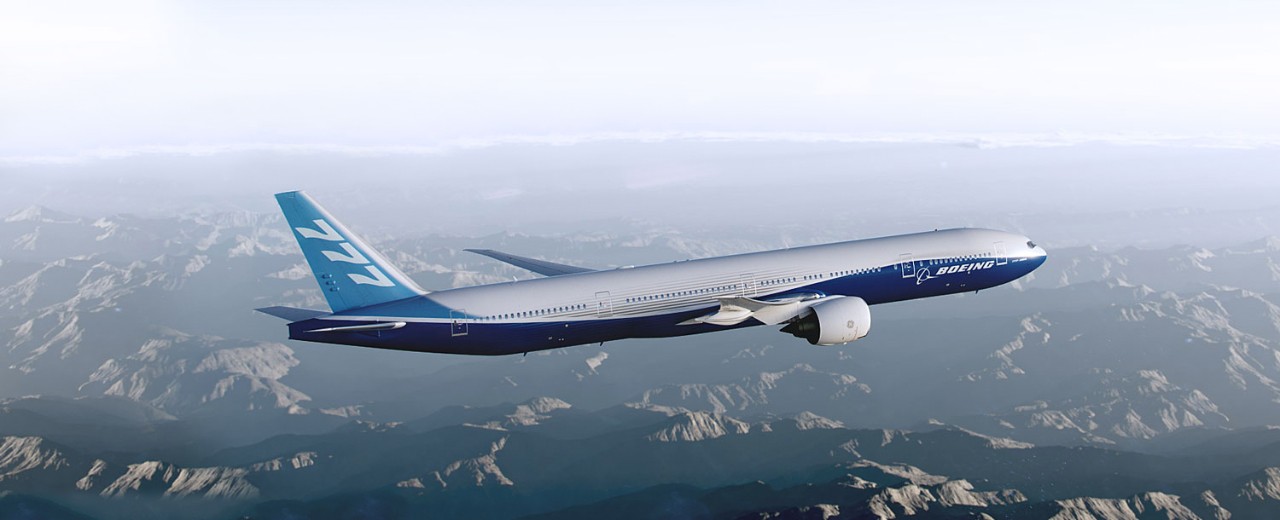
The Boeing 777 occupies the larger end of the passenger aircraft spectrum, with typical capacities ranging from roughly 300 to more than 500 passengers, depending on variant and layout. Designed as a long-range twin-engine wide-body jet, it has become a favorite for international flights where airlines need both capacity and efficiency.
From the beginning, the 777 was built around a modern approach, featuring a spacious twin-aisle cabin, advanced flight systems, and some of the largest turbofan engines ever used on a commercial jet. Its range capabilities allow airlines to operate non-stop flights between distant city pairs, making it a powerful tool for connecting global markets. Many carriers use it as a flagship aircraft on key long-haul routes thanks to its reliability and performance.
Passengers often notice that the 777’s cabin feels roomy, with relatively generous overhead storage and flexible seating arrangements. For airlines, the aircraft’s strong safety record, high dispatch reliability, and proven long-haul economics make it one of the most important wide-body jets ever built.
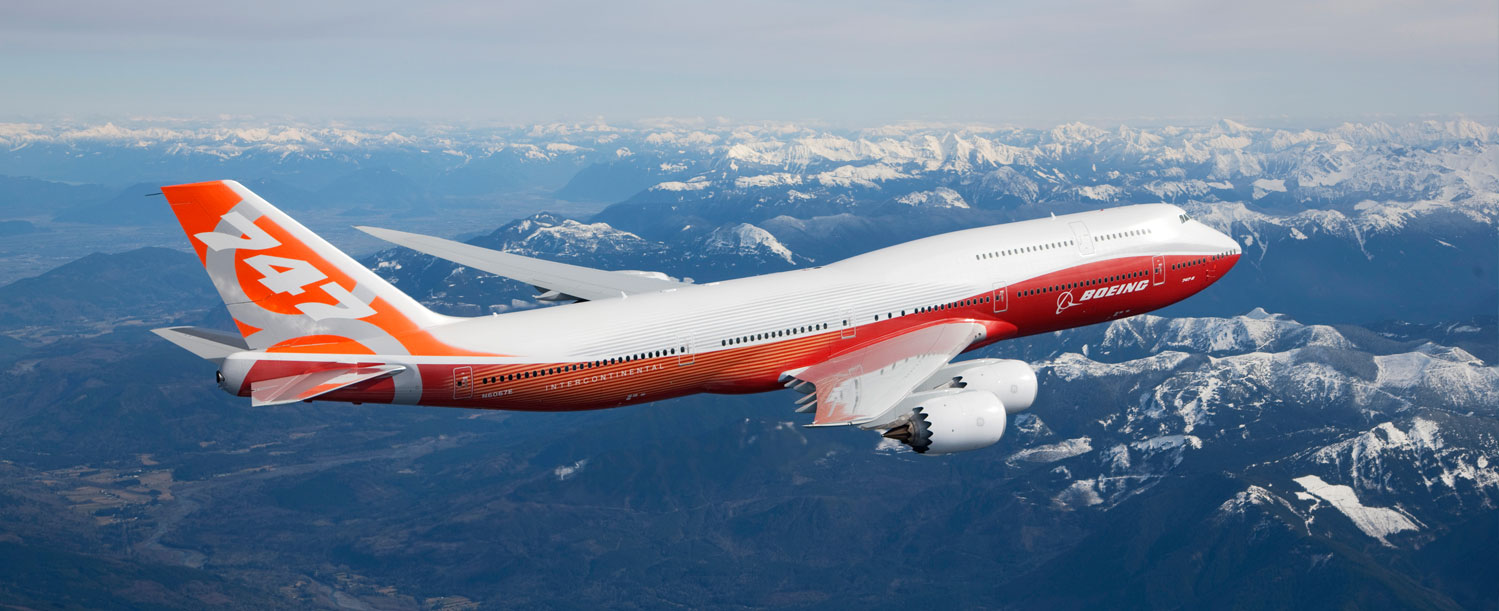
1. Boeing 747 – The “Queen of the Skies”
The Boeing 747, often called the Queen of the Skies, is one of the most iconic aircraft ever created. Its distinctive hump-backed upper deck and enormous size made it instantly recognizable, and for many years it defined the image of long-haul international travel. The 747 has served in both passenger and cargo roles, and its ability to carry large payloads over long distances made it invaluable to airlines and logistics companies alike.
Introduced at a time when air travel was rapidly expanding, the 747 allowed airlines to carry far more passengers per flight, which helped lower ticket prices and make international travel accessible to a wider public. Multiple variants were developed, each improving in range, efficiency, and capabilities. Over the decades, the aircraft proved its durability and flexibility by adapting to different missions, from standard passenger service to freighter operations and special-purpose roles.
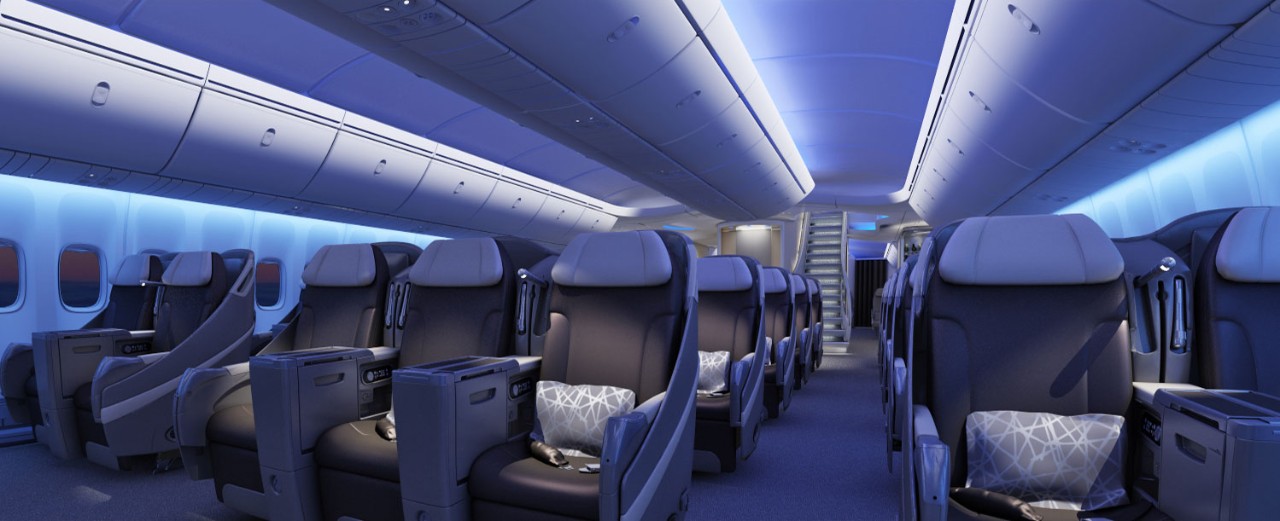
Even as newer, more efficient twin-engine jets gradually replace it on many routes, the legacy of the 747 remains strong. For pilots, mechanics, and passengers, it symbolizes a bold era in aviation when size and range redefined what commercial air travel could be. Many people who flew on a 747 remember the experience as something special, and the aircraft’s influence can still be seen in the design and ambition of the wide-body jets that followed.