
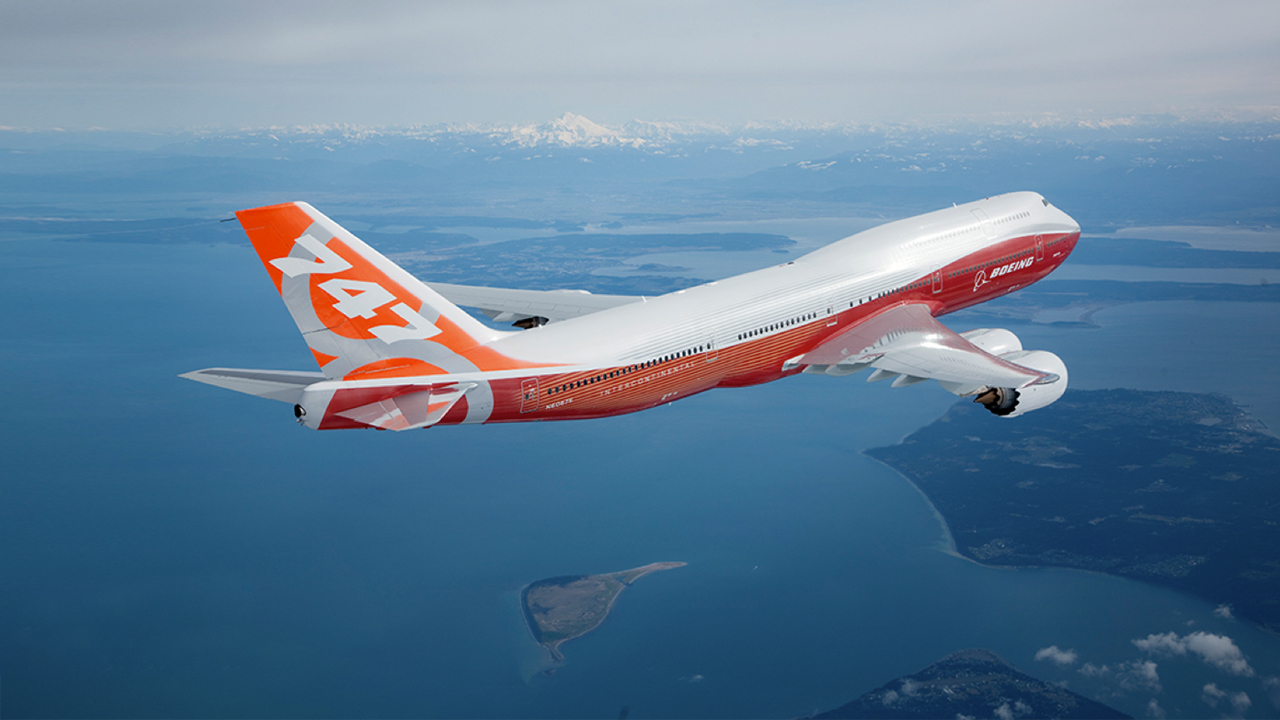
It’s completely normal for most travelers to step onto an aircraft without giving much thought to the machine carrying them across continents. Many passengers focus only on finding their seat and settling in for the journey. But for aviation enthusiasts, the flight itself is a core part of the experience. The sound of the engines, the engineering behind the wings, and even the model of the aircraft can make each trip feel unique.
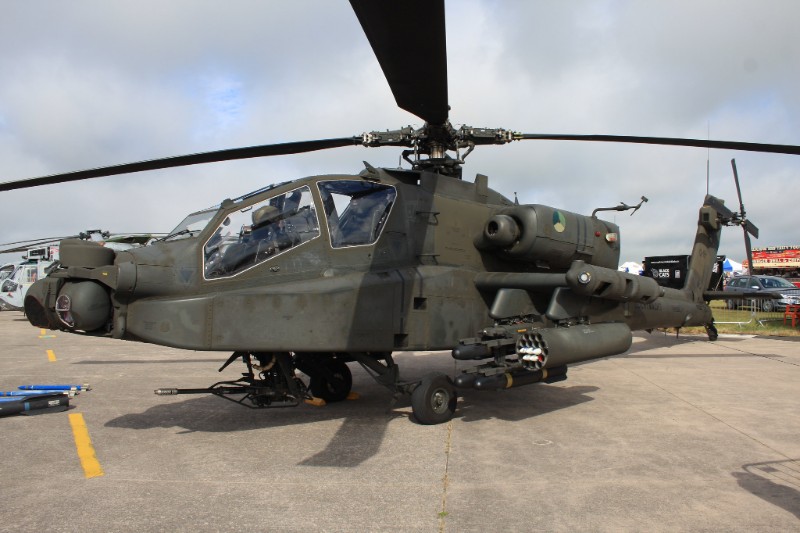
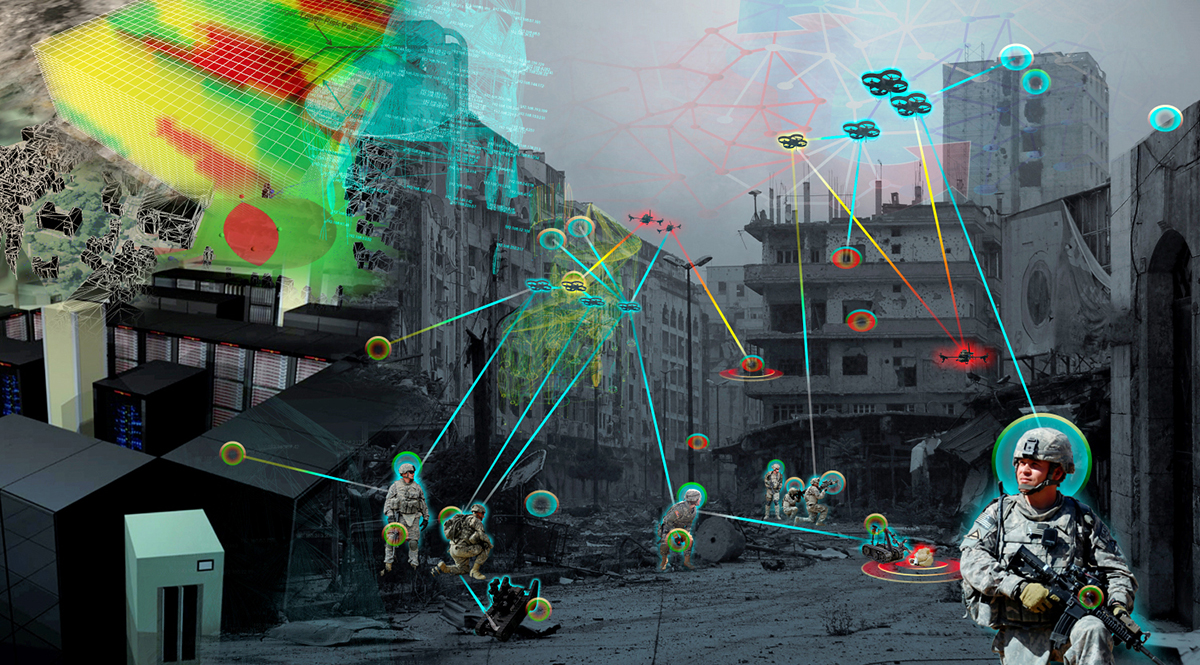
Modern military operations rely heavily on helicopters, not simply as support aircraft but as vital tools that shape how missions unfold on the ground, at sea, and across remote regions where fixed-wing aircraft struggle to operate. These machines bring extraordinary flexibility to armed forces, able to rise vertically from tight clearings, hover with precision over cities or rugged terrain, and maneuver into places that would be inaccessible to most other aircraft. Whether flying into combat zones, rescuing stranded personnel, or carrying troops deep into contested territory, today’s advanced military helicopters fill roles that demand speed, resilience, and cutting-edge technology.

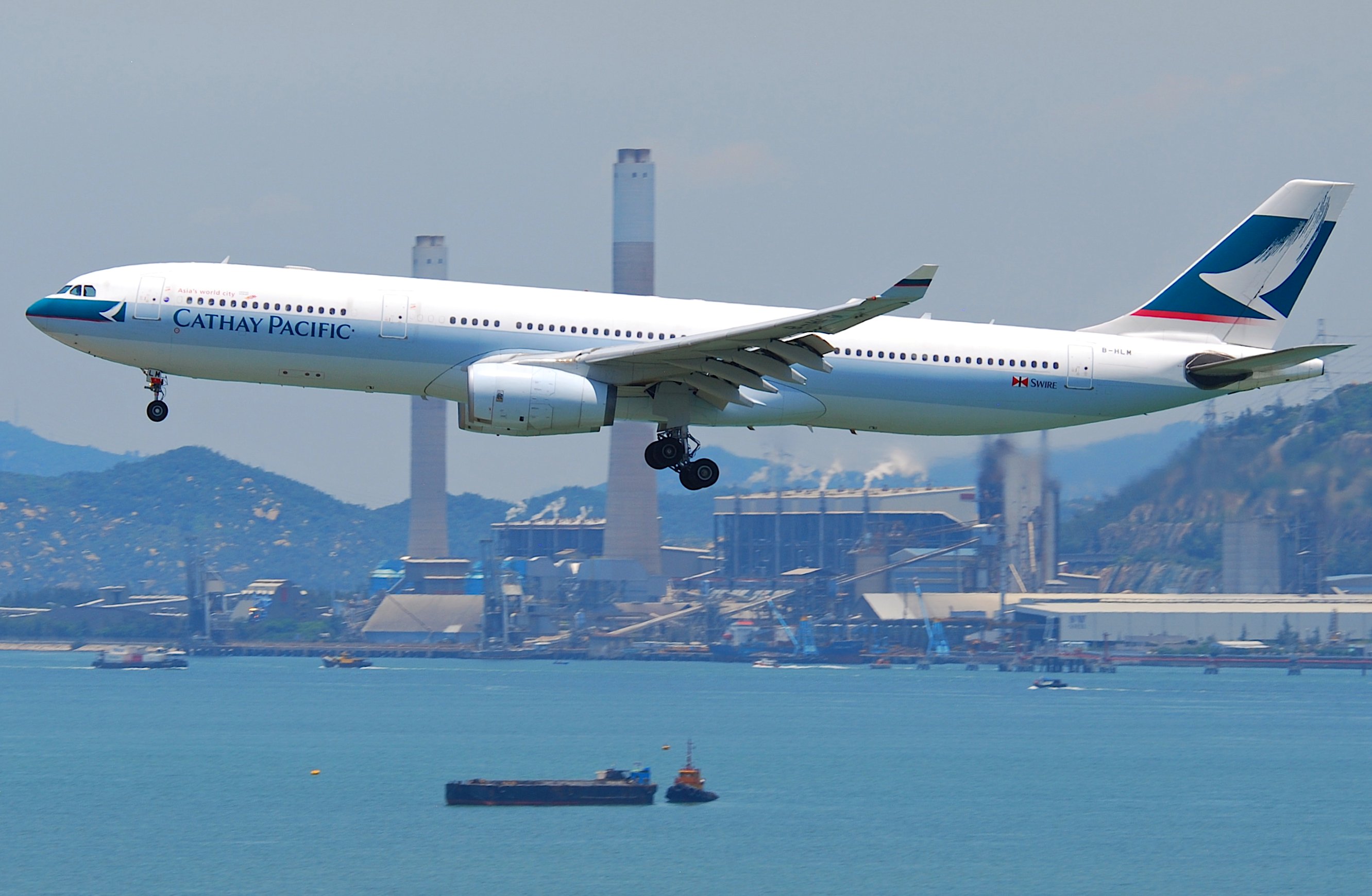
Commercial aviation has produced some of the most impressive machines ever to fly, each one shaped by decades of engineering, evolving travel demands, and the constant push toward higher capacity and longer range. These aircraft weren’t just built to move people; they were created to connect continents more efficiently, serve massive travel markets, and redefine what airlines could offer their passengers. From early wide-body pioneers to modern long-haul giants, every model in this list helped push the limits of what a passenger jet could be.
Here are the largest passenger aircraft ever built, and the innovations that made each one stand out.

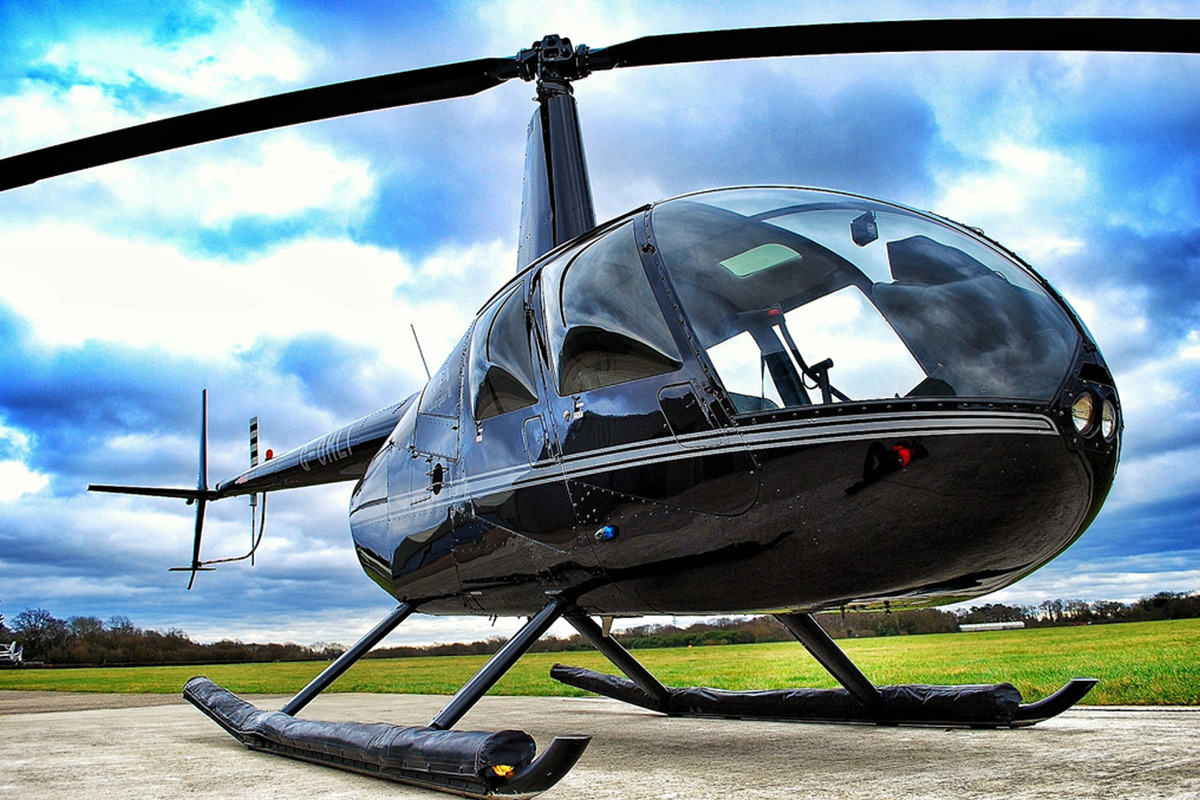
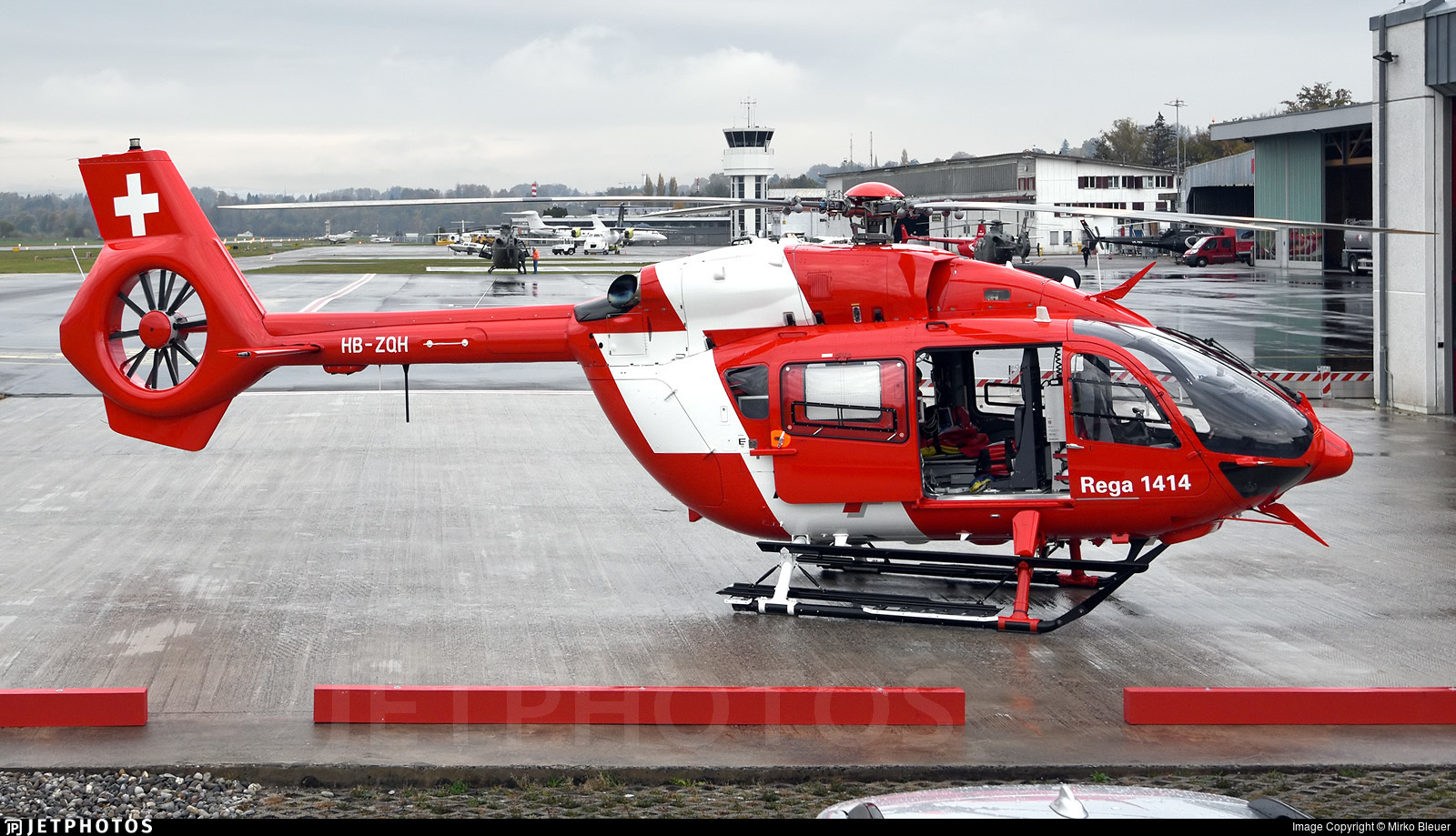
The remarkable thing about helicopters is how effortlessly they seem to rewrite the rules of flight. A runway is optional, open space is negotiable, and the sky feels strangely closer when a machine can rise straight upward from a patch of asphalt, a ship’s narrow deck, or a rugged hillside where no airplane could dream of landing. That simple ability—lifting off vertically and hovering as if suspended by invisible threads—was once the kind of fantasy that belonged to legends. Igor Sikorsky (1889–1972), who played a defining role in bringing the modern helicopter to life, often compared these machines to the ancient stories of flying horses and magical carpets. In many ways, he wasn’t exaggerating.

Helicopters have a history that stretches far deeper than the first successful flight of a rotorcraft. Long before engineers understood aerodynamics, people watched spinning seeds fall through the air and wondered whether humans could imitate that effortless motion. The dream of vertical flight—lifting straight upward, hovering without forward movement, and gliding in any direction—captured the imagination of inventors for centuries. The road toward a practical helicopter was anything but simple; it developed through scattered insights, early failures, mechanical breakthroughs, and persistent experimentation across continents.

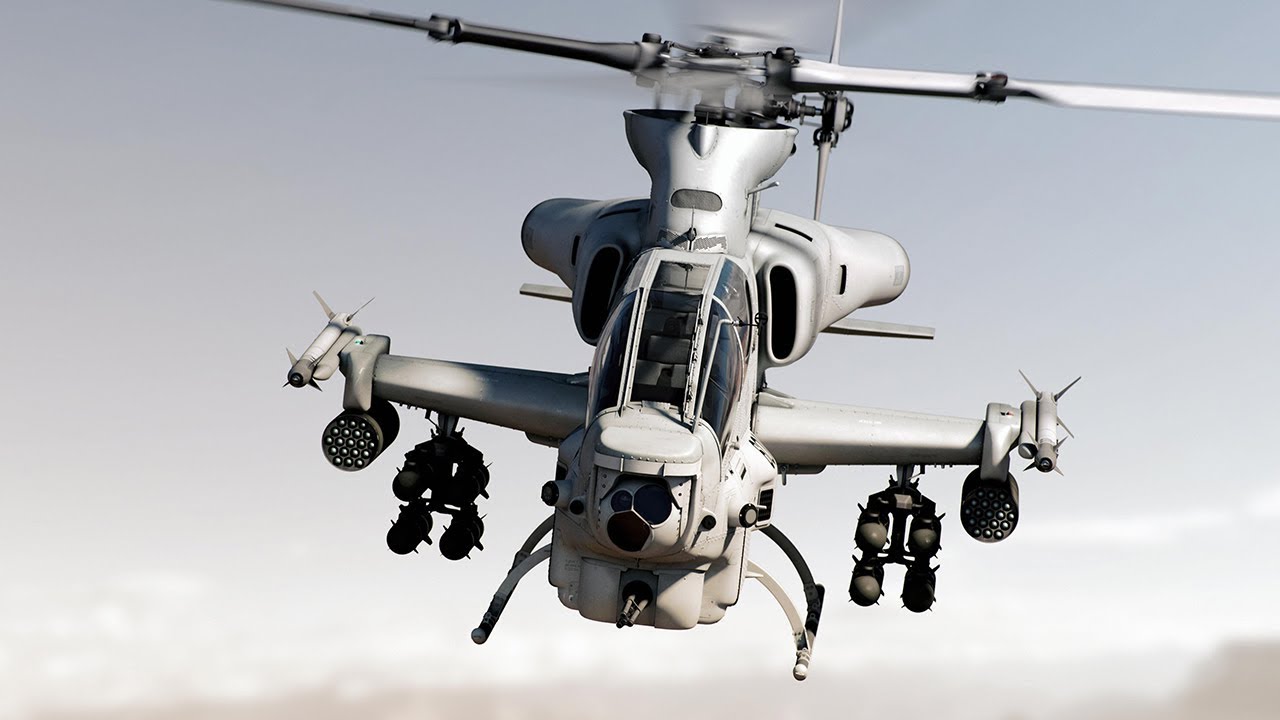
Attack helicopters sit at the edge of modern warfare—fast, aggressive machines built to hunt tanks, support ground troops, and dominate hostile terrain with precision firepower. While the world has produced dozens of gunships over the years, only a select group has evolved into true battlefield titans, combining extreme maneuverability with advanced armor, guided-missile systems, digital targeting suites, and the ability to fight in nearly any weather or lighting condition. These helicopters are not simply airborne weapons; they act as mobile strike platforms, reconnaissance units, and frontline guardians that can turn the tide of a conflict in minutes.

Page 2 of 4

Share on Social Networks

Editor's Pick