

The conversation around the future of American airpower has been heating up, especially as global military dynamics shift and great-power competition becomes more pronounced. In recent years, senior Air Force leaders and independent defense analysts have warned that the current force structure is too small, too old, and too limited for the kinds of challenges posed by China and Russia. Those concerns are no longer theoretical; they’ve become a central part of national defense planning.
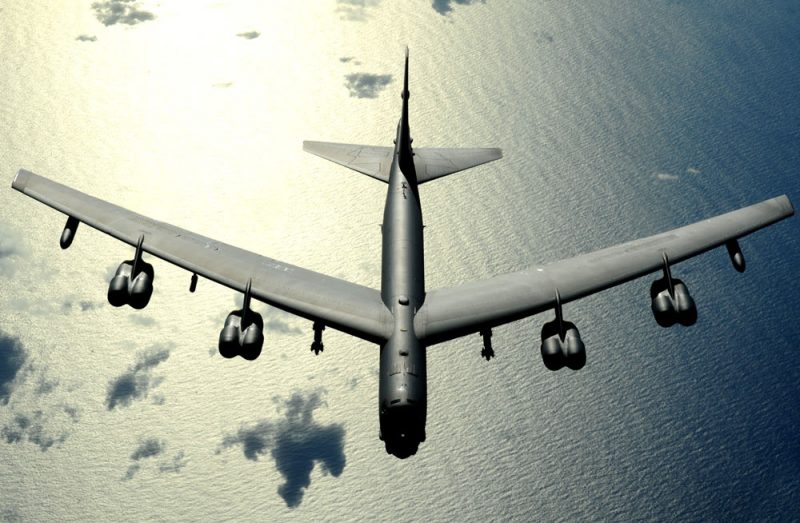
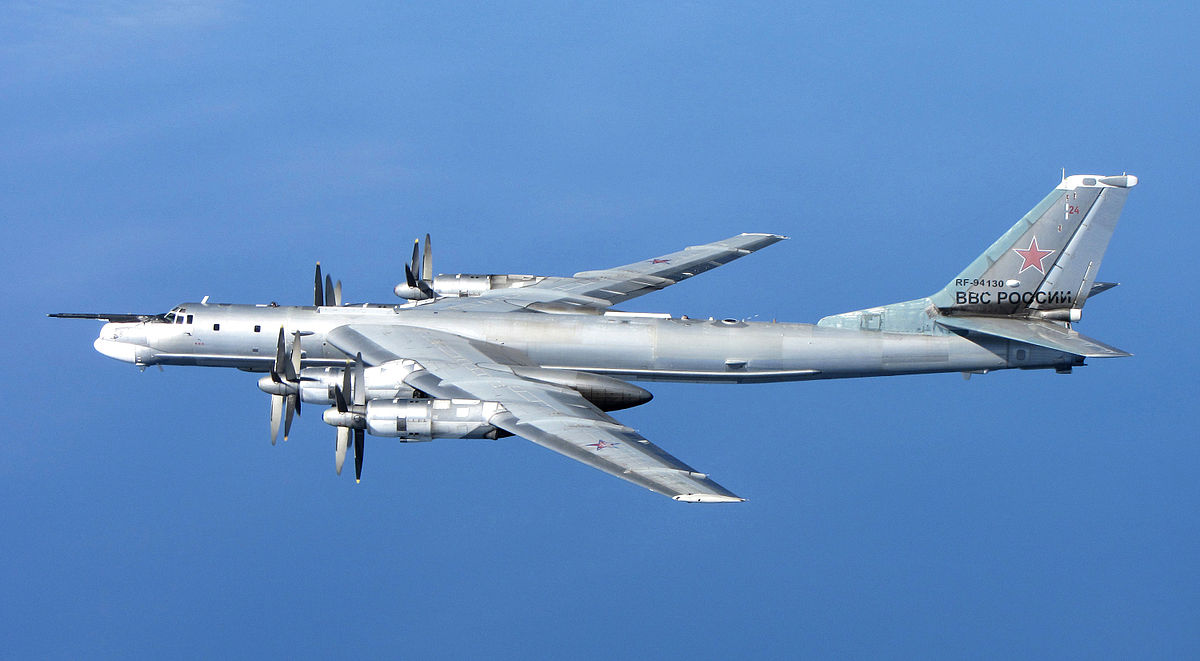
Modern air power rests heavily on a handful of aircraft that can reach distant targets, survive sophisticated defenses and deliver devastating firepower with precision. Bombers sit at the heart of this capability, acting as long-range tools for deterrence, rapid response and strategic dominance. While fighter jets often receive more attention for their speed and maneuverability, bombers carry the burden of delivering massive payloads over continents, shaping military plans and influencing global stability in ways few other machines can.

Heavy bombers are large bomber aircraft built to carry the heaviest air-to-ground weapon loads of their era over the longest practical ranges. In every generation, these machines sit at the top of the bomber food chain: big airframes, powerful engines, long legs, and the ability to haul massive quantities of bombs or stand-off weapons toward distant targets. Because of this combination of size, power, and reach, heavy bombers have usually been among the most complex and expensive military aircraft in service at any given time.

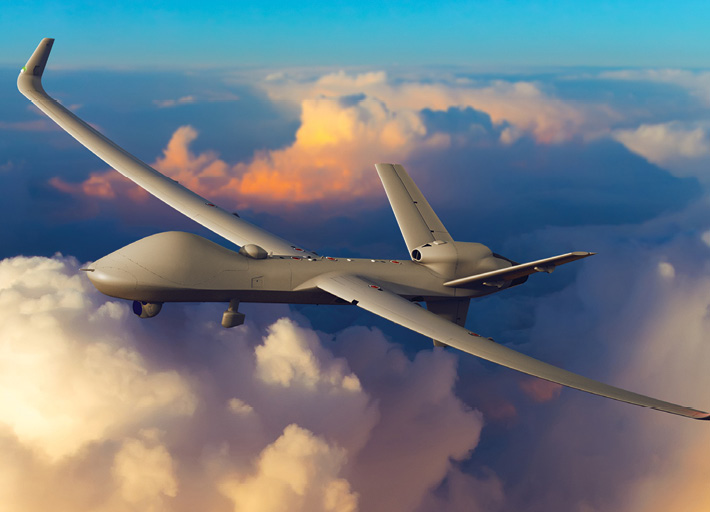
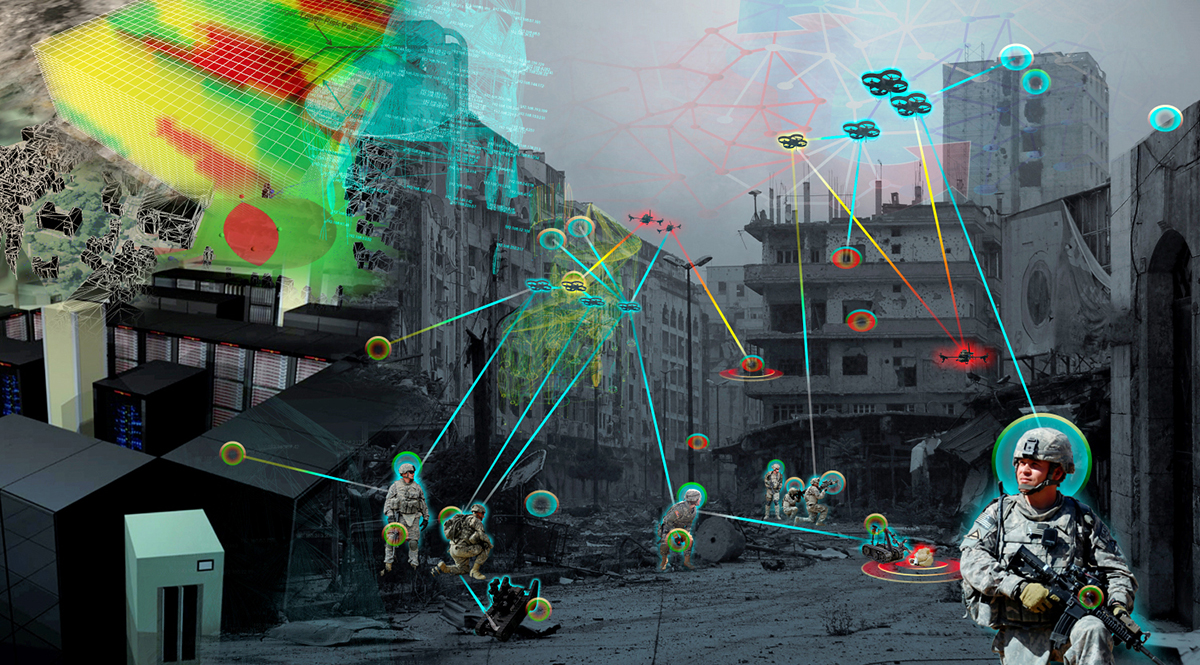
Unmanned aerial vehicles have transformed modern warfare in ways few technologies ever have. Military drones are no longer limited to simple surveillance roles. Today, they conduct long-endurance intelligence missions, precision strikes, electronic warfare, and experimental stealth operations that shape the future of air combat. Some are already proven in real conflicts, while others exist to push the boundaries of what autonomous systems might become.

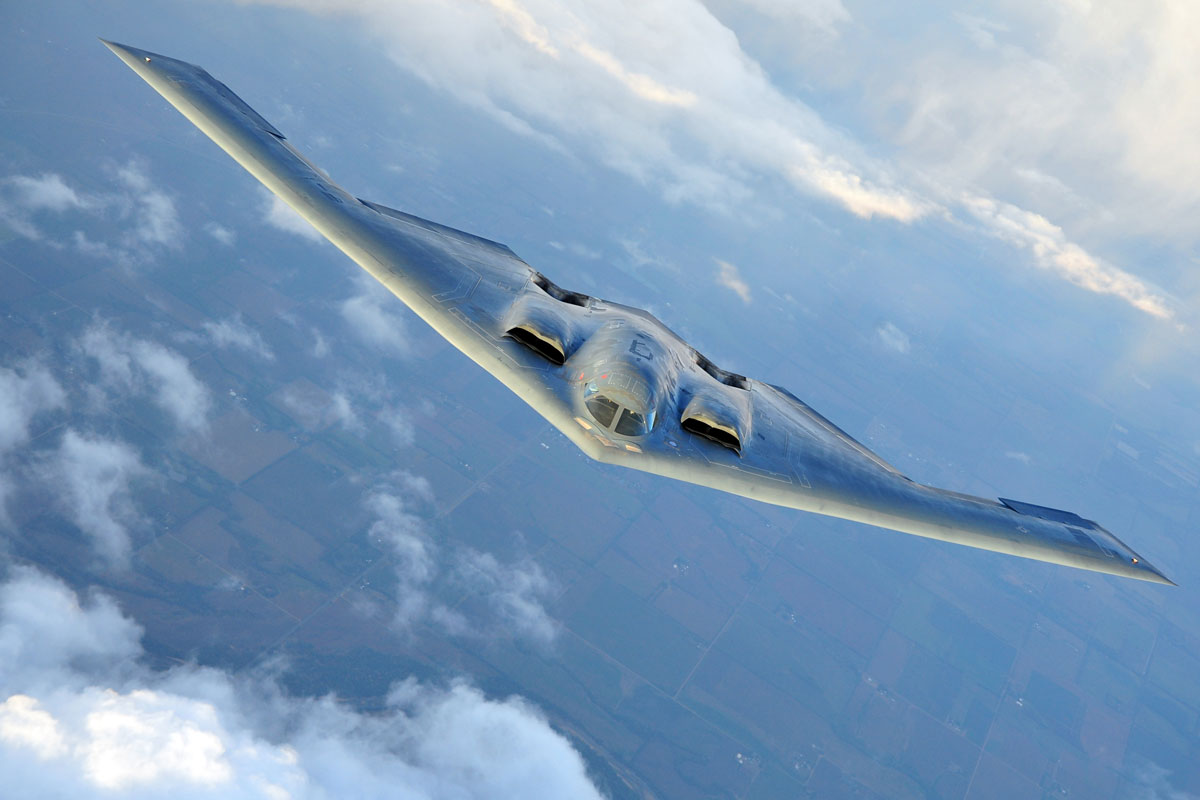
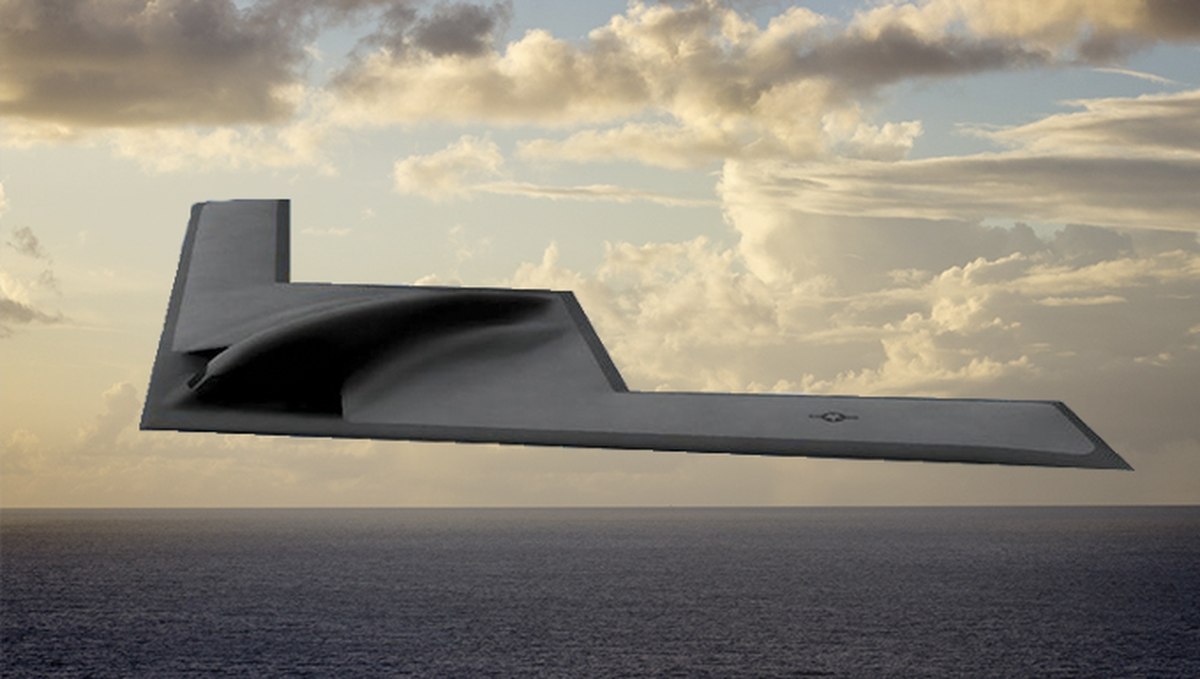
When people talk about the most feared aircraft on the planet, they almost always end up at the same name: the B-2 Spirit. From a distance it looks unreal, more like a piece of science fiction than a traditional airplane – a dark, boomerang-shaped silhouette gliding silently across the sky. Yet behind that strange shape is a machine designed to do something very specific and very chilling: slip through the most advanced air defenses on Earth, travel thousands of miles, and deliver a precise, devastating strike before anyone has time to react.

Building your own drone is no longer a niche hobby reserved for aerospace engineers or military contractors. With today’s components, open-source flight controllers, and widely available materials, it’s entirely possible for a motivated individual to design and assemble a capable, reliable drone tailored to specific needs. Whether the goal is aerial photography, mapping, inspection, research, or pure technical curiosity, a custom-built drone offers flexibility that off-the-shelf models simply cannot match.

Page 3 of 4

Share on Social Networks

Editor's Pick