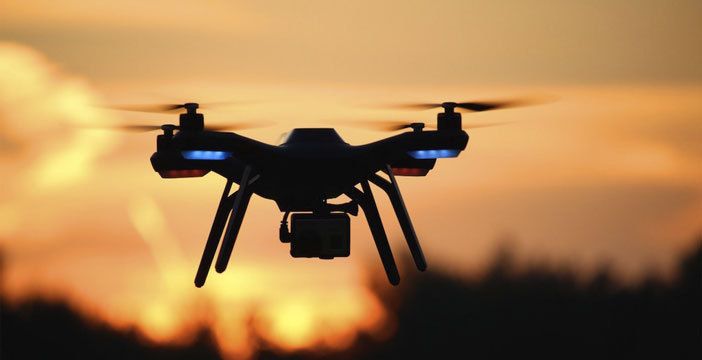
Drones have quietly worked their way into everyday life, becoming tools that people use for work, recreation, science, security, and dozens of other tasks. What used to be a specialized piece of military equipment is now something you can find in hobby shops, film studios, farms, construction sites, and even rescue teams. Their rise isn’t just because they look futuristic — it’s because they solve real problems in ways that are fast, efficient, and surprisingly simple once you understand how they operate.
Despite their popularity, many people still struggle to define what a drone actually is. The word has been stretched across so many uses — from tiny quadcopters flying indoors to large unmanned aircraft used in complex missions — that the meaning can feel unclear. At its core, though, a drone is simply an unmanned vehicle that can fly without a pilot sitting inside it. Whether it’s guided remotely or programmed to navigate on its own, the idea remains the same: an aircraft that can move through the air without direct human presence onboard.
What makes drones interesting is not just the lack of a pilot, but the combination of technology inside them. Lightweight frames, smart sensors, stable flight controllers, GPS positioning, and compact electric motors all work together to create a machine that can lift off the ground, hover steadily, and carry useful equipment. For many people, drones are an easy entry point into aviation and technology; for professionals, they are tools that reduce risk, cut costs, and reveal information that would otherwise be difficult or dangerous to collect.
This article takes a closer look at how drones function, where they are used, the different types that exist, and how this technology continues to evolve. Once you understand the basic idea behind them, it becomes clear why drones are expanding into so many parts of modern life.
HOW DRONES WORK AND THEIR KEY COMPONENTS
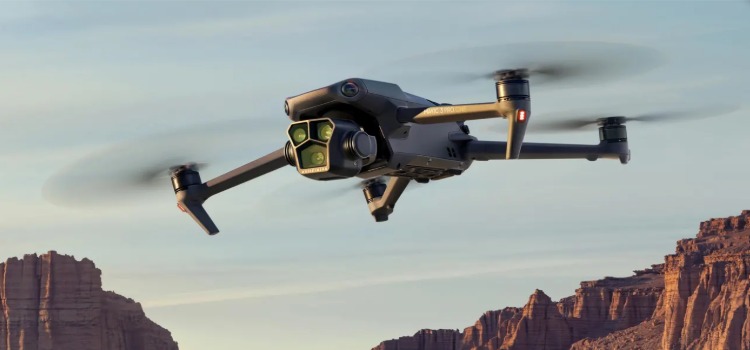
Understanding how a drone flies requires a quick look at what it’s made of. Despite their wide range of shapes and purposes, most drones share a foundation of essential parts and operating principles.
A typical drone uses lightweight composite materials — plastics, carbon fiber, or aluminum alloys — designed to maximize maneuverability while minimizing weight. Depending on its purpose, a drone may include additional systems such as HD or thermal cameras, GPS modules, long-range communication antennas, environmental sensors, or even miniature weapons in military models.
Although drones come in many designs, the core components remain roughly the same: a rigid motor frame, flight controller, motor controllers, motors, transmitter and receiver, propellers, power source, and onboard navigation hardware. Even the simplest drones rely on these elements to maintain balance, transmit user commands, and coordinate many micro-adjustments needed to stay airborne.
Commercial drones — the ones you see in parks and backyards — are typically designed to be as user-friendly as possible. Many are so intuitive that even children can fly them after a little practice. Higher-end drones for mapping, surveillance, or industrial work, however, incorporate more complex control systems and stronger sensors. Their construction reflects specific missions: some emphasize stability and long flight times, while others focus on speed, altitude capability, or camera precision.
For hobbyists who prefer a hands-on approach, drone-building kits also exist. They allow users to assemble drones from the ground up, learning how every part interacts. Kits range from beginner-friendly designs to technical systems requiring programming knowledge and advanced assembly skills.
One of the reasons drones stand out is their incredible stability. With onboard gyroscopes and advanced flight controllers, even small models can hover almost motionlessly. More advanced drones can perform aerial acrobatics, lock onto objects using tracking software, or return home automatically when the battery runs low.
Flight range depends heavily on the drone category. Toy and beginner drones may only fly a few minutes and stay within a small radius. High-end drones designed for mapping, security, or military operations can stay airborne for hours and travel far beyond visual range, controlled through satellite or long-range radio links.
DRONE APPLICATIONS
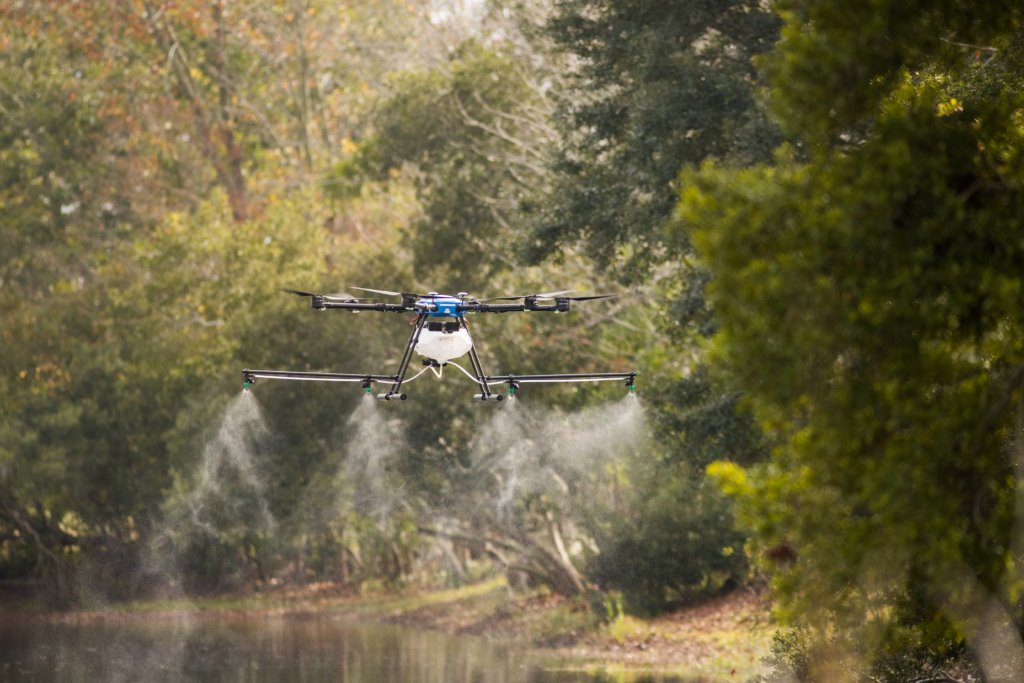
Drones are no longer tools used only in specialized environments. They have become woven into daily operations across industries, transforming how people gather information, deliver goods, and monitor vast areas. Their ability to reach places that would be dangerous, expensive, or impossible for humans makes them invaluable.
Below are some of the most significant applications:
Search and rescue
Drones can navigate disaster zones faster than ground teams. Firefighters use them to detect dangerous gases or hotspots. Rescue crews depend on them for aerial visibility in forests, mountains, or collapsed buildings.
Security operations
Police and emergency services use drones to coordinate crowd control, monitor high-risk incidents, and document crime scenes. Because drones can quietly record from above, they provide vital information without exposing officers to danger.
Infrastructure inspections
Power lines, pipelines, communication towers, wind turbines, and bridges can be inspected without sending workers into hazardous positions. Drones equipped with zoom lenses or thermal cameras can detect damage or overheating quickly.
Surveillance tasks
From monitoring protests to observing suspicious activity, drones give authorities a discreet way to gather visual information. Their quiet motors allow them to stay unnoticed while recording clear footage from above.
Scientific research
Researchers use drones to study volcanoes, melting glaciers, wildlife migrations, archaeological sites, and even radiation zones. They make it possible to gather data from harsh locations without putting people at risk.
Photography and filmmaking
High-resolution aerial shots once required helicopters. Now, drones carry advanced 4K and 8K cameras, giving filmmakers and photographers breathtaking perspectives.
Surveying and mapping
Drones equipped with LiDAR sensors or multispectral cameras create precise 3D maps used in agriculture, mining, forestry, and environmental monitoring. They help detect soil health, plan irrigation, and manage land resources more effectively.
Cargo and delivery systems
Small packages, medical supplies, and time-sensitive goods can be transported quickly using drones. Although large-scale commercial delivery systems are still developing, drones have already demonstrated their value for urgent transport.
Beyond these primary fields, drones appear in construction, aviation training, maritime industries, real estate marketing, meteorology, education, insurance assessments, and countless other sectors. Private companies, governments, and individuals worldwide now rely on drones as essential tools.
Mini and micro-drones have also become a common source of entertainment. Their affordability and ease of use have opened the skies to millions of hobbyists around the world.
CLASSIFICATION — TYPES OF DRONES
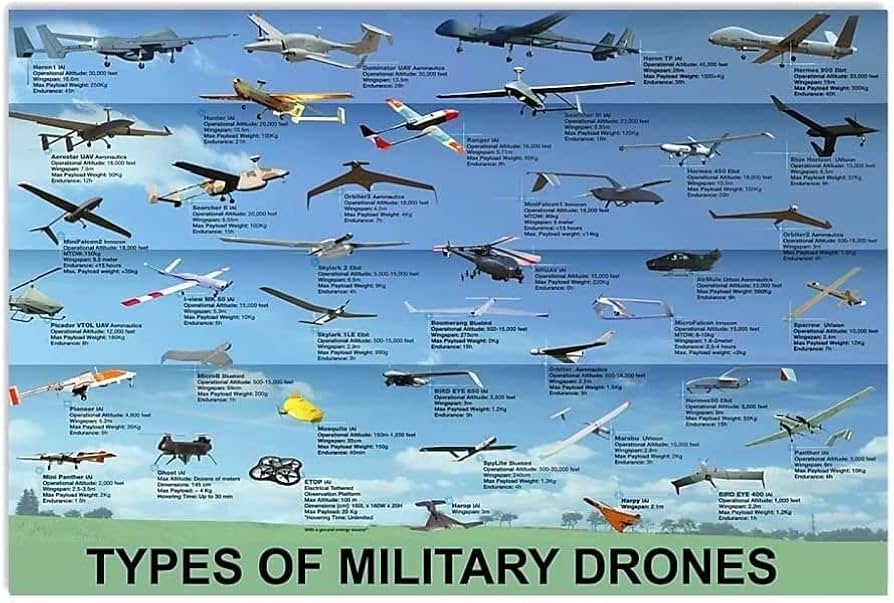
Because drones come in so many shapes and sizes, the most effective way to classify them is by size. Each category has its own strengths, limitations, and common uses.
NANO AND MINI DRONES
These are the smallest drones ever created. Nano drones are often no bigger than an insect, while mini drones may reach up to 50 centimeters in length. Despite their size, many models include cameras or sensors.
Military forces use these tiny drones for reconnaissance because they can slip into tight spaces or observe targets without being detected. On the civilian market, nano and mini drones are popular with hobbyists. Their compact size makes them easy to carry and operate indoors or outdoors.
Their limitations include short flight times — typically 10 to 20 minutes — and limited range, usually no more than a few kilometers.
SMALL DRONES
Small drones range from 50 centimeters to about 2 meters in size. These are the drones most consumers are familiar with. They usually feature stabilizing systems, HD cameras, and better flight endurance compared to nano models.
Because they balance affordability with functionality, small drones represent the majority of commercial sales. They typically fly for 20 to 40 minutes and can operate within a radius of up to 5 kilometers, making them ideal for photography, recreational flying, and light industrial tasks.
MEDIUM-SIZE DRONES
Medium drones have wingspans between 5 and 10 meters and can carry significant payloads — often up to 200 kilograms. These drones require more powerful motors and usually need ground crews for launch and recovery.
Due to their size and cost, medium drones are rarely used by civilians. Instead, they are common in industrial transport, border patrol missions, environmental surveying, and military logistics. Their operational range may reach 50 kilometers or more, and some models can remain airborne for several hours.
LARGE DRONES
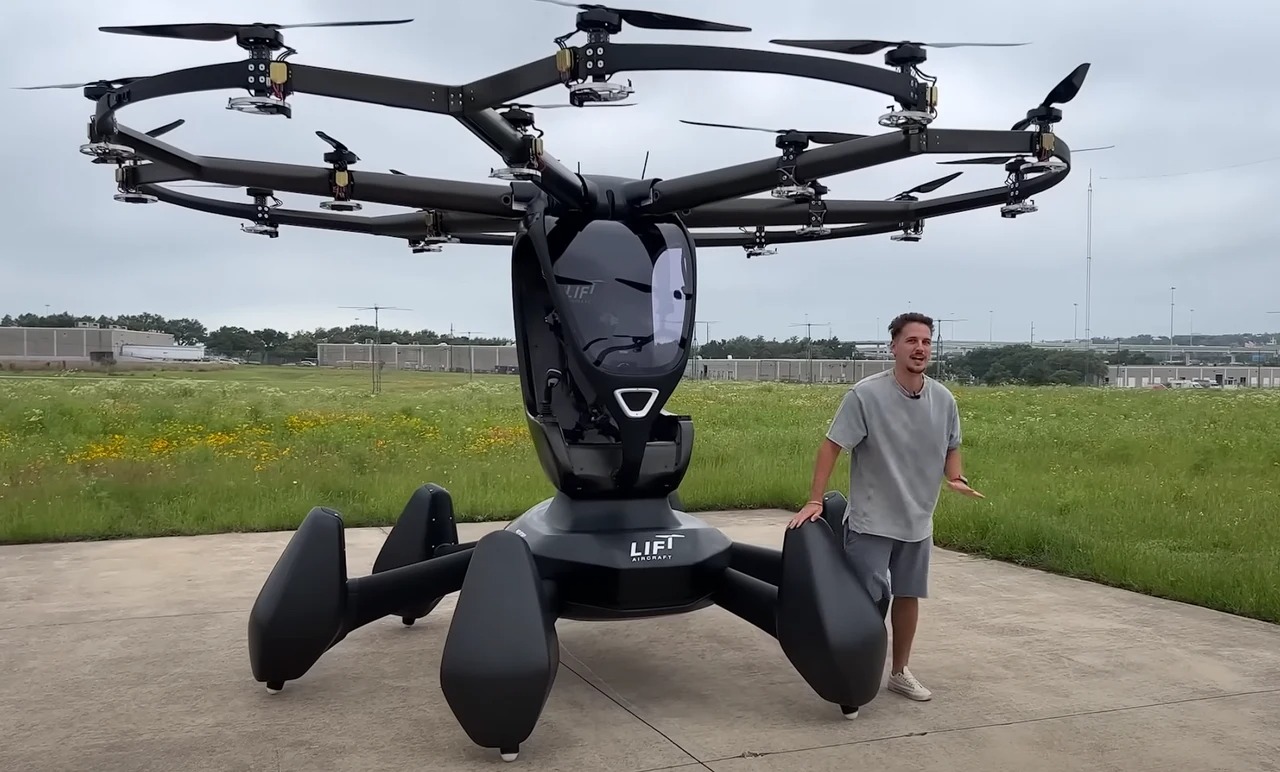
Any drone with a wingspan exceeding 10 meters falls into this category. Large drones resemble small aircraft and are treated accordingly under aviation regulations. Civilians generally cannot purchase them due to their strategic capabilities.
Large drones often carry weapons, advanced surveillance equipment, or heavy cargo. They are used for tactical strikes, intelligence-gathering missions, and long-range reconnaissance. Many experts believe that over the next decade, large drones will begin replacing manned military aircraft in high-risk missions.
This group includes three sub-categories:
-
Short-range models — Capable of flying more than 150 kilometers and remaining airborne for over 11 hours.
-
Medium-range models — Used in tasks such as weather monitoring, with ranges around 650 kilometers.
-
Long-range and high-altitude drones — Able to fly above 30,000 feet and stay aloft for 36 hours or longer, enabling global surveillance missions.
THE BEST DRONES TODAY (2026 UPDATED)
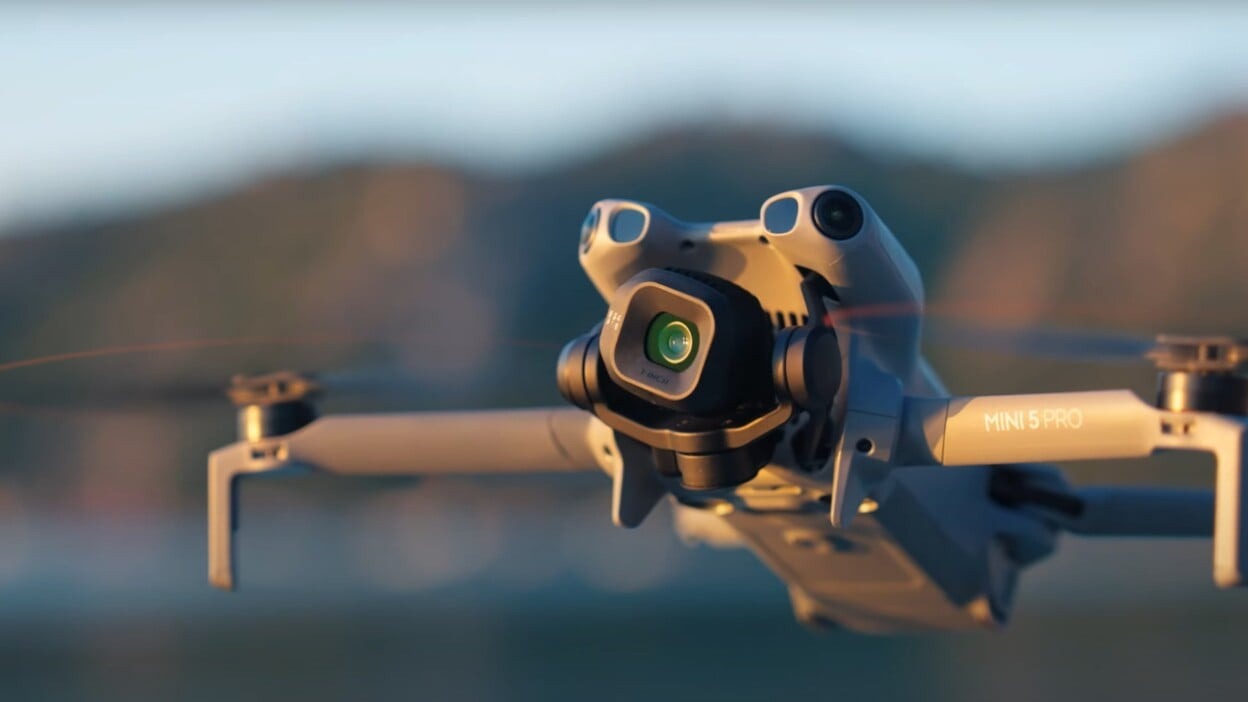
Drone technology moves fast. Since the original article referenced early models, here is an updated look at standout drones leading the market in 2026, combining commercial innovations with practical performance.
DJI Air 5
The Air 5 offers impressive 6K video, advanced obstacle detection, and improved flight time, making it ideal for both hobbyists and professional content creators.
DJI Inspire 4
A popular choice for filmmakers, offering interchangeable lenses, precise stabilization, and fully integrated cinematography tools.
Autel EVO Max Series
Known for rugged builds, thermal sensors, anti-jam technology, and versatile use in industrial inspections and search-and-rescue operations.
Skydio X10
A pioneering drone in autonomous navigation. Its AI-powered obstacle avoidance and self-piloting features set a new standard for consumer and enterprise drones.
Parrot Anafi AI
Lightweight and equipped for 4G connectivity, allowing near-limitless range with real-time transmission — excellent for mapping and construction work.
The drone market in 2026 continues to evolve rapidly, blending advanced imaging, AI-assistance, long-range capabilities, and improved battery technologies.
THE FUTURE OF DRONES
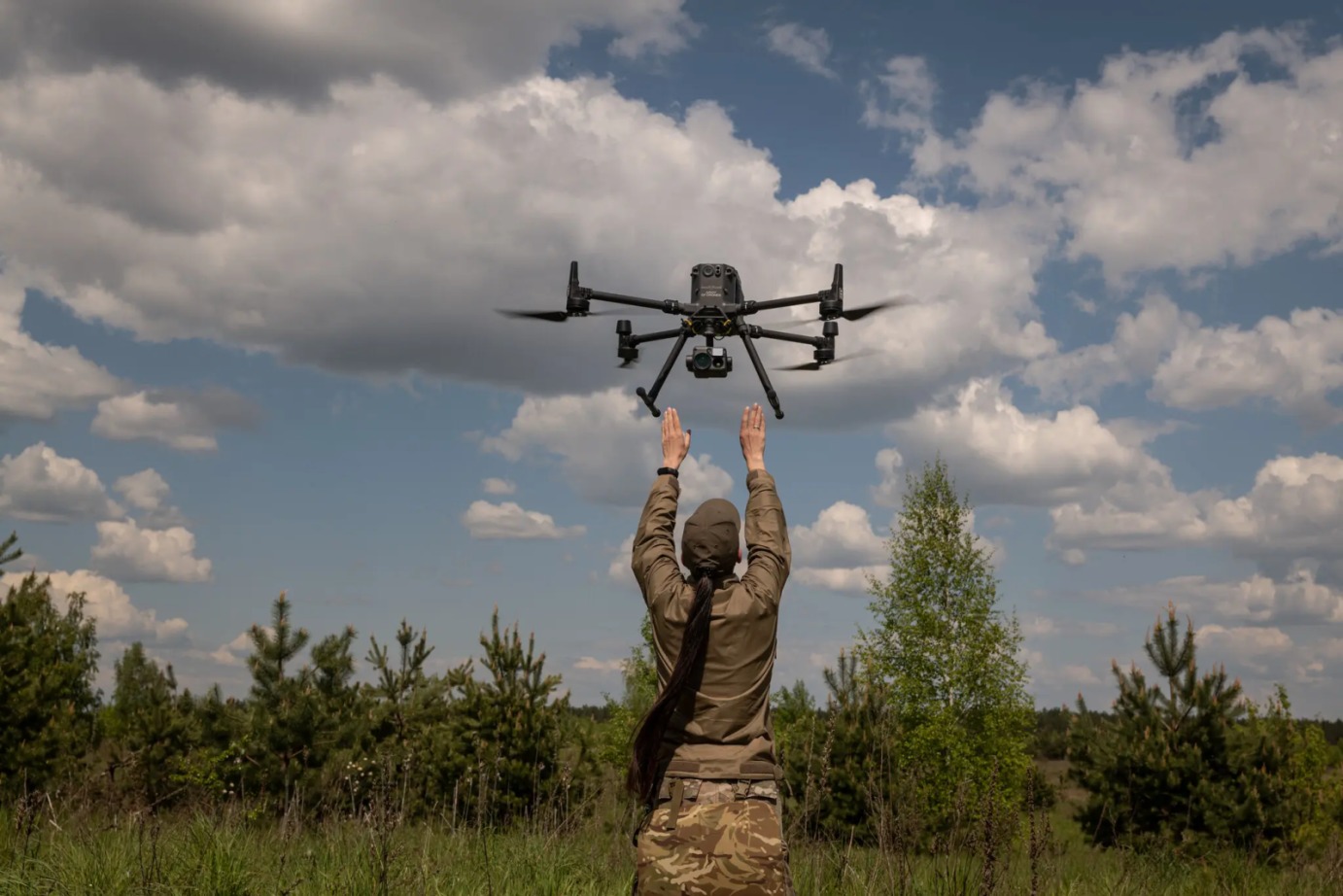
Drones are advancing at a pace similar to early smartphones — rapidly, unpredictably, and with enormous potential. The next wave of technology is already taking shape, and by 2026 the drone landscape is transforming in noticeable ways.
Companies around the world are experimenting with automated delivery networks, where drones act as aerial couriers capable of transporting small packages in minutes. Amazon’s Prime Air remains a major influence, and although still limited in scale, its tests have pushed competitors to develop similar systems. With 87% of Amazon shipments weighing 5 pounds or less, drones are poised to take over a large share of rapid delivery logistics.
Australia’s Zookal continues testing drone-based textbook delivery, lowering packages directly to customers without the need for landing — a technique likely to be mimicked by other businesses. These efforts show how drones may form entire delivery ecosystems within the next decade.
Future drones will also reshape employment. While automation often replaces repetitive jobs, the drone industry creates new fields in piloting, maintenance, programming, operations management, fleet coordination, and AI-navigation design.
Technological improvements will continue across several areas:
• Cameras and sensors will move deeper into night vision, thermal imaging, AI-object tracking, and 360-degree environmental scanning.
• Battery technology will adopt new silicon-based cells and hybrid systems, extending flight times dramatically.
• Materials science will yield lighter, stronger frames, allowing faster speeds and higher altitudes.
• Autonomous systems will lead to drones that can plan missions, avoid obstacles, and navigate without human guidance.
Military drones will also evolve. Future combat drones may replace piloted aircraft for high-risk missions, carrying precision weapons, performing surveillance deep inside contested territory, and operating in coordinated swarms controlled by AI.
Extremely small reconnaissance drones — nearly invisible to the human eye — will gather intelligence without human spies or satellites, offering real-time battlefield awareness.
The future of drones isn’t just an upgraded version of what we see today — it represents a complete shift in how goods are transported, how cities operate, how emergencies are managed, and how national security strategies evolve. As drone capabilities grow more intelligent, autonomous, and integrated into daily life, they will redefine infrastructure, logistics, and safety in ways that once felt like pure science fiction.