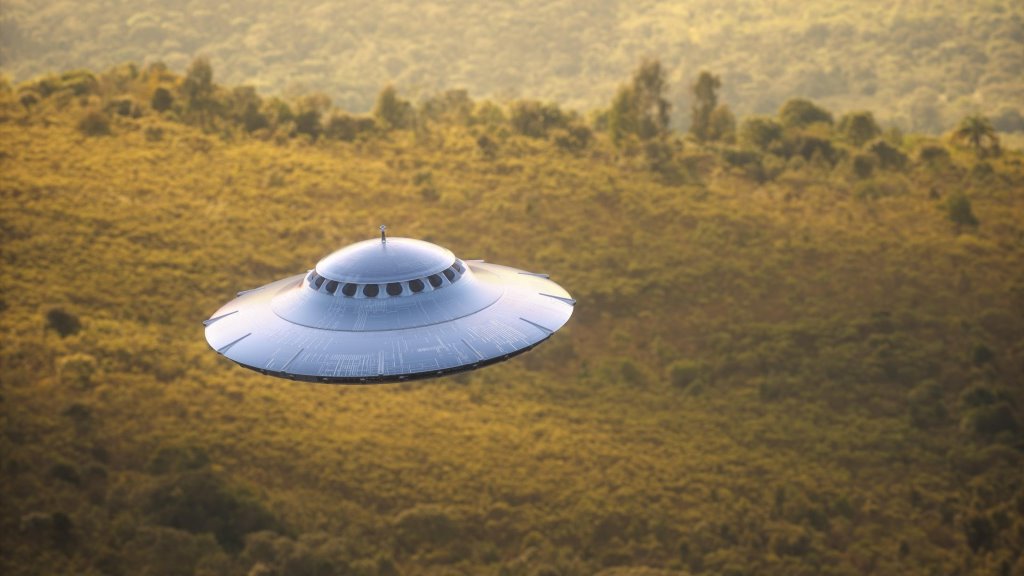
For decades, UFOs were treated as a cultural joke or a sci-fi obsession. Grainy photos, shaky eyewitness accounts, and dramatic late-night TV shows did little to help their credibility. That tone changed quietly over the last few years. Military pilots began speaking openly. Governments released videos instead of denying their existence. The term itself shifted from UFOs to UAPs—Unidentified Aerial Phenomena—as if even the language needed a reset.
At the center of the debate sits a simple but uncomfortable question: are these things just advanced drones and secret technology, or are we dealing with something entirely different?
This question matters more than most people think. Not because it proves aliens exist or don’t exist, but because it forces us to confront how much we actually understand about the skies above us, our own technology, and the limits of human perception.
What We Actually Mean When We Say “UFO”
Despite popular belief, a UFO doesn’t mean a spaceship. It simply means an object observed in the sky that can’t be immediately identified. That’s it. No aliens required. Most UFO reports historically ended up being balloons, weather phenomena, experimental aircraft, or plain misidentifications.
The modern confusion comes from a smaller subset of sightings that refuse to fit neatly into those categories. These are objects observed by trained military pilots, tracked by multiple sensor systems, and behaving in ways that don’t align with known aircraft capabilities.
That’s where the discussion gets serious.
The Drone Explanation: The Most Logical Starting Point
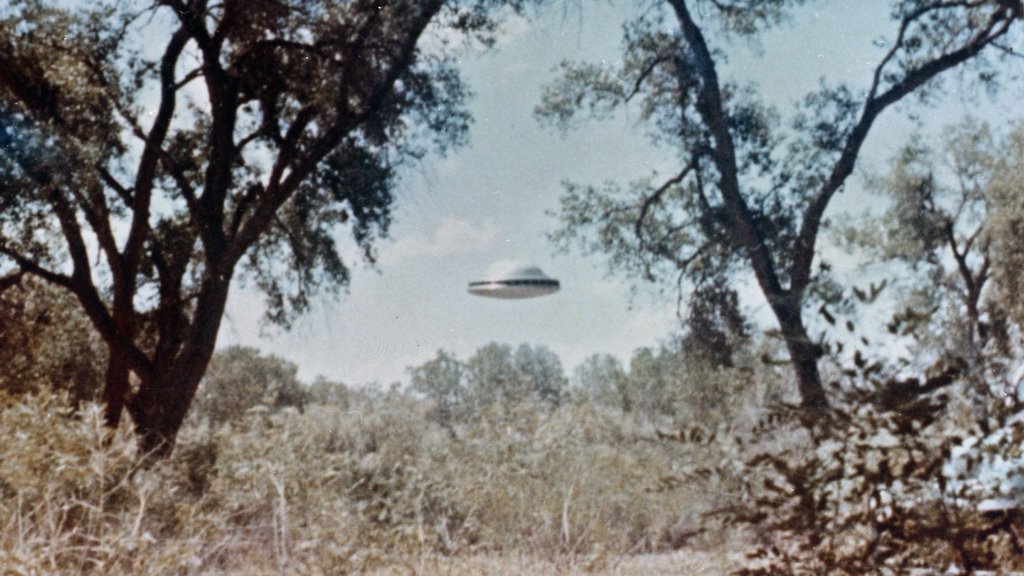
If you want a grounded explanation, drones are the obvious first stop. Modern drones are nothing like the buzzing toys people imagine. Military and experimental drones can stay airborne for extreme durations, operate silently, change direction rapidly, and remain visually elusive.
Several factors support the drone theory:
• Classified military programs often operate decades ahead of public knowledge
• Adversary nations actively test advanced surveillance platforms
• Radar and sensor misinterpretation can exaggerate performance
• Electronic warfare can distort speed and movement readings
In other words, what looks impossible might simply be unfamiliar.
The Cold War offers a useful parallel. The U-2 spy plane caused widespread UFO reports in the 1950s because it flew higher than any known aircraft at the time. People weren’t wrong about seeing something unusual—they just didn’t know what it was yet.
That alone explains a large percentage of sightings.
Why Some Sightings Don’t Fit the Drone Narrative
Here’s where the drone explanation starts to strain.
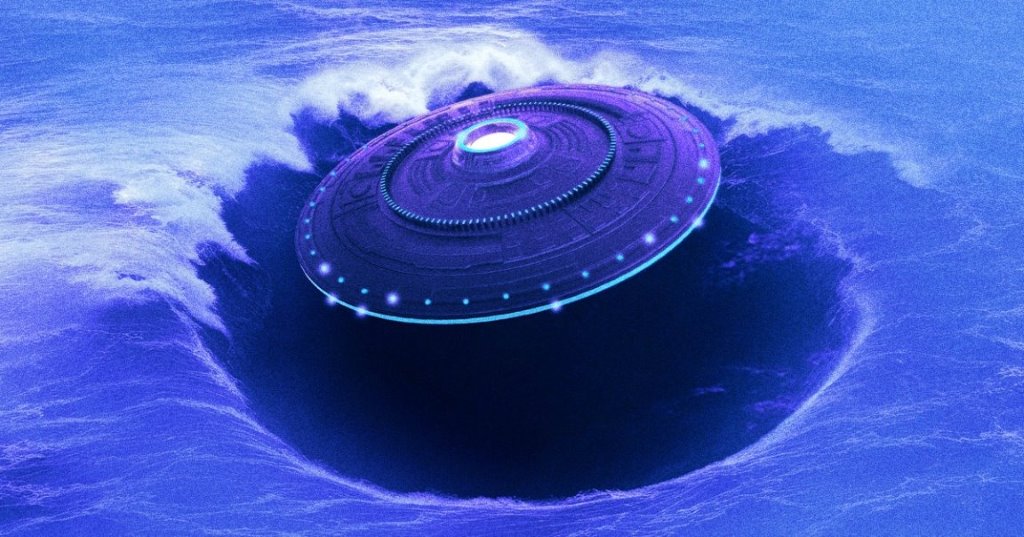
Certain UAP encounters describe objects accelerating instantly without visible propulsion, hovering with no heat signature, entering water without slowing down, and reemerging moments later. These are not fringe reports from civilians. They come from military pilots, radar operators, and infrared systems observing the same object simultaneously.
Even cutting-edge drones still obey physics as we understand it:
• They require lift or thrust
• They generate heat
• They can’t survive extreme G-forces without structural damage
• They don’t transition seamlessly between air and water
If these observations are accurate—and that’s the key word—then calling them drones doesn’t fully solve the puzzle.
Sensor Errors and Human Perception: An Uncomfortable Middle Ground
Another possibility sits between drones and “something else”: misinterpretation.
Modern detection systems are incredibly complex. Radar, infrared, optical tracking, and targeting software don’t always agree with one another. Under certain conditions, reflections, atmospheric distortions, and software filtering can produce illusions of speed, size, or movement.
Human perception adds another layer. Even trained pilots can misjudge distance and velocity when viewing unfamiliar objects at high speed. Our brains are excellent at filling in gaps with assumptions, especially under stress.
This explanation doesn’t dismiss witnesses—it contextualizes them. History is full of cases where experienced observers were confidently wrong because the tools or environment misled them.
Still, sensor error doesn’t explain everything, especially when multiple systems corroborate the same event.
Could These Be Foreign Technology?
This idea quietly worries defense analysts more than aliens ever could.
If these objects belong to a rival nation, it would imply a technological leap far beyond current aerospace engineering. That would reshape global power overnight. Yet there are serious problems with this explanation.
Breakthroughs of that magnitude don’t stay secret for long. They require massive industrial infrastructure, testing failures, and supply chains. No intelligence agency has found evidence of such systems being developed or deployed at scale.
More importantly, these sightings have occurred for decades, long before modern drone warfare existed. That doesn’t mean foreign technology is impossible—but it makes it harder to argue it’s the full explanation.
The “Something Else” Hypothesis (Without Going Full Sci-Fi)
Here’s where conversations usually derail, but it’s worth approaching carefully.
“Something else” doesn’t automatically mean extraterrestrials. It could mean:
• Natural phenomena not yet fully understood
• Rare atmospheric plasma effects
• Unknown interactions between physics and environmental conditions
• Experimental systems testing principles outside conventional aviation
Science has a long history of discovering phenomena only after instruments accidentally stumble upon them. Ball lightning was once considered folklore. So were rogue waves at sea.
The universe has a habit of humbling certainty.
That said, extraordinary claims still require extraordinary evidence. Right now, the public data simply isn’t strong enough to confirm anything exotic.
Why Governments Changed Their Tone
One of the most interesting shifts isn’t the sightings themselves—it’s the official response.
Instead of denying everything, governments now openly admit that some objects remain unidentified. That doesn’t mean they don’t know what they are. It means they don’t know what they can safely say.
There’s also a strategic reason for transparency. If pilots are encountering unknown objects, pretending they don’t exist creates safety risks. Acknowledging uncertainty allows better data collection without stigma.
In a strange way, the most responsible answer right now is “we don’t know yet.”

Why This Question Won’t Go Away
The UFO question lingers because it sits at the intersection of technology, secrecy, psychology, and curiosity. Each explanation solves part of the mystery while leaving something unresolved.
Drones explain many cases, but not all.
Sensor errors explain anomalies, but not consistency.
Foreign tech explains secrecy, but not physics.
“Something else” explains behavior, but lacks proof.
The truth may not be a single answer. It may be a messy combination of all of them.
And that’s often how reality works—less cinematic, more complicated.
What the Data Actually Shows So Far
One thing often missing from UFO discussions is the quiet, boring part: data analysis. Stripped of emotion and speculation, most officially reviewed encounters fall into three broad categories—identified objects, likely explanations, and genuinely unresolved cases.
The unresolved cases are the ones that attract attention, but they are also the minority. Government reports repeatedly show that the majority of sightings eventually receive a conventional explanation once enough data is collected. Balloons, drones, aircraft, and sensor artifacts dominate the final assessments.
Yet a small percentage stubbornly resists classification. These are not dramatic Hollywood scenarios, but incomplete datasets: limited sensor angles, brief encounter windows, conflicting readings. The problem isn’t that the data proves something extraordinary—it’s that it isn’t sufficient to prove anything at all.
That uncertainty is frustrating, especially in an age where people expect instant answers.
Why “Aliens” Is the Least Useful Question
It’s understandable why the public jumps straight to extraterrestrials. The idea is emotionally satisfying. It feels big. But from a serious analytical standpoint, it’s actually the least helpful starting point.
Aliens introduce assumptions we can’t test easily: intent, origin, technology, biology. Once that door opens, discussions tend to drift away from evidence and into belief. That’s not how progress happens.
Scientists and defense analysts ask more practical questions first:
• Can this object be tracked consistently?
• Does it follow known physical laws?
• Can the data be reproduced?
• What information is missing?
These questions don’t make headlines, but they’re the ones that matter.
Ironically, if something truly non-human were ever confirmed, it wouldn’t be through blurry footage. It would come through overwhelming, boring, undeniable data.
The Role of Secrecy and Mistrust
Another reason this debate never settles is trust—or the lack of it. Governments spent decades dismissing UFO reports, sometimes aggressively. That legacy hasn’t faded.
When officials now say “we don’t know,” many people hear “we’re not telling you.” That gap between official language and public belief fuels endless speculation.
At the same time, some secrecy is unavoidable. Military sensor capabilities, detection ranges, and response protocols are classified for good reason. Revealing too much would expose vulnerabilities.
So the public sees fragments of information, while the full picture remains obscured. Mystery thrives in partial light.
Why Modern Technology Makes UFOs More Common, Not Less
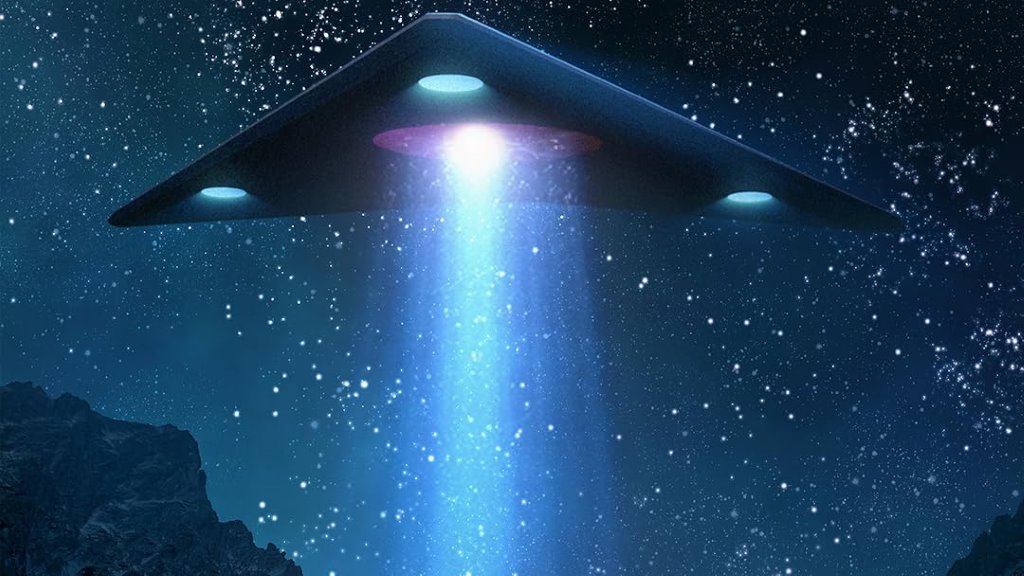
There’s a strange irony here. As our technology improves, UFO sightings increase—not because there are more strange objects, but because there are more ways to notice anomalies.
High-resolution cameras, infrared sensors, satellite tracking, radar fusion systems—these tools see far more than human eyes ever could. They also generate far more false positives.
Every new sensor layer adds clarity and confusion at the same time. A system might detect an object that exists only as a transient signal artifact, yet it still triggers alarms and reports.
In other words, the sky hasn’t necessarily become stranger. Our instruments have.
Psychological Patterns in UFO Sightings
Human psychology plays a subtle but powerful role. People tend to interpret unknowns using the cultural language of their time. In the 1800s, mysterious airships were described as balloons with propellers. In the 1950s, they became metallic discs. Today, they’re described like drones or autonomous systems.
The phenomenon stays vague; the interpretation evolves.
This doesn’t mean witnesses are lying. It means perception is filtered through expectation. When people don’t have a reference frame, the brain builds one from whatever is available.
That alone can explain why descriptions change over decades while the core mystery remains.
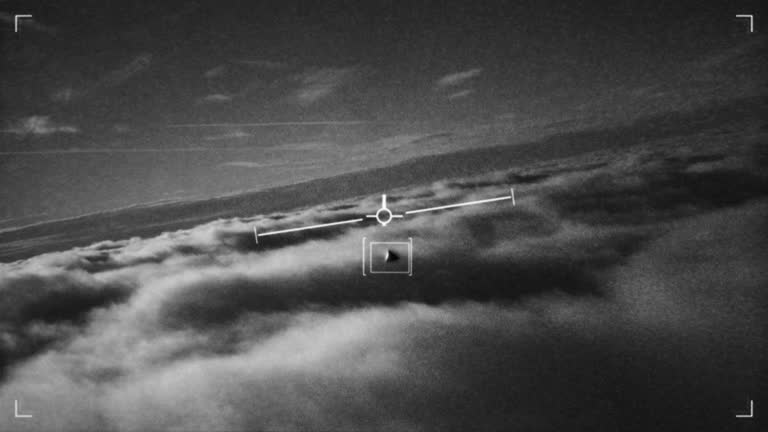
So… Are UFOs Drones or Something Else?
The most honest answer is also the least dramatic.
Some UFOs are drones.
Some are misidentified aircraft.
Some are sensor errors.
A small number remain unexplained due to limited data.
And yes, it’s possible—though unproven—that a tiny fraction represent something we don’t yet understand.
That “something else” doesn’t automatically mean visitors from another star system. It could simply mean physics behaving in ways we haven’t fully mapped yet, or technology that doesn’t fit our assumptions.
Uncertainty isn’t failure. It’s the starting point of understanding.
What Comes Next in the Search for Answers
Even if every UFO sighting turned out to be mundane, the investigation itself has value. It improves air safety, refines detection systems, and forces institutions to confront blind spots.
History shows that unanswered questions often lead to breakthroughs—not because the mystery was exotic, but because it exposed gaps in knowledge.
UFOs may never deliver a cinematic revelation. But they continue to remind us of something quietly important: we don’t see everything, we don’t know everything, and pretending otherwise has never worked very well.
And maybe that’s the most useful conclusion of all.