Before laws, before nations, before written history, humans believed the world was alive. The wind had intention. Animals carried meaning. Death was not an end but a transition. Religion did not begin as theology or morality—it began as survival psychology. Early humans lived surrounded by forces they could not control, and belief became a way to negotiate fear.
The earliest religions were not about worship. They were about relationship. Humans tried to communicate with what they believed surrounded them: spirits, ancestors, animals, the land itself. This was animism, and it formed the foundation of nearly every belief system that followed.
Shamans emerged not as rulers, but as specialists. They healed, interpreted dreams, guided hunts, and explained death. Their power came from perceived access to invisible worlds. This was the first form of religious authority, and it was deeply personal and communal.
Burial rituals reveal how early belief shaped behavior. Bodies were positioned deliberately. Tools, food, and ornaments were placed with the dead. This tells us something critical: humans believed life continued in some form. That single idea — survival beyond death — became the most powerful religious concept in history.
As tribes grew into villages, belief systems became more structured. Spirits became gods. Stories became myths. Rituals became rules.
Gods, Agriculture, and the Birth of Control
The agricultural revolution transformed religion completely.
Once humans settled permanently, religion stopped being flexible and became institutional. Farming required calendars. Calendars required cosmic explanation. Floods, droughts, and harvests were no longer random — they were divine reactions.
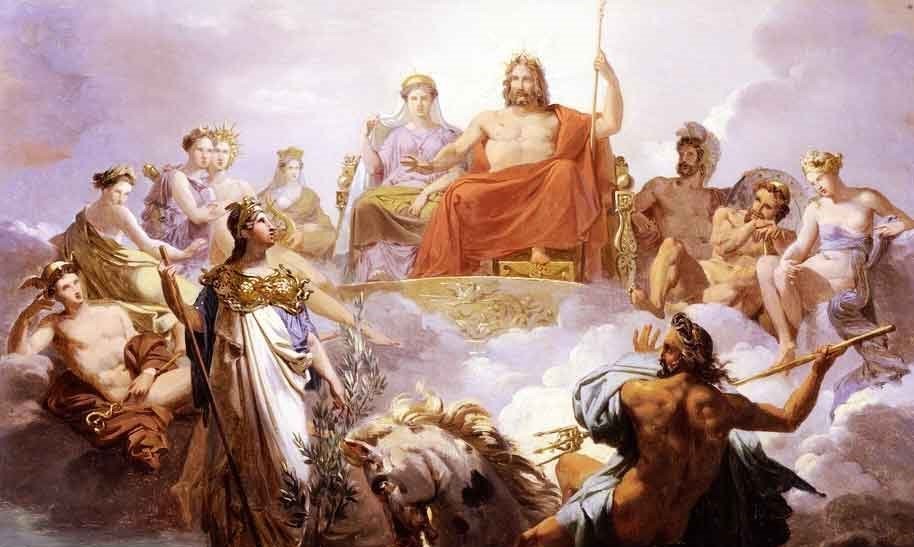
Gods became managers of nature. Rain gods, sun gods, fertility gods, death gods. Every force had a personality, and every failure had a spiritual cause.
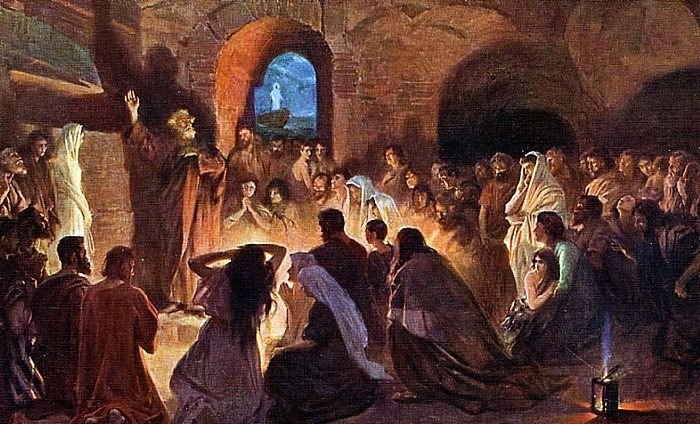
This shift created hierarchy. Someone had to interpret the gods. Priests emerged. Temples were built. Rituals were standardized. Religion became centralized power.
In early civilizations like Mesopotamia and Egypt, gods did not just rule nature — they ruled society. Kings were not elected; they were chosen by the divine. Law was sacred. Social class was cosmic order.
If you were poor, it was not injustice — it was destiny.
If you rebelled, you were not political — you were sinful.
Religion became the most effective system of social control humanity ever invented.
Polytheism and the Normalization of Violence
Early civilizations accepted violence as divine necessity.
Polytheistic gods were not moral ideals. They were violent, jealous, impulsive, and cruel — because they were modeled after human rulers. War gods demanded blood. Sacrifice was normal. Death was payment.
Wars were not fought merely for land. They were fought to prove whose gods were stronger.
Victory meant divine favor. Defeat meant divine punishment. This belief removed moral limits from warfare. Cities were destroyed not as strategy, but as religious duty.
Empires expanded alongside their gods. Some absorbed local deities. Others erased them completely. When religions collided, the weaker belief systems vanished.
This is how thousands of early religions disappeared without names, texts, or memory.
Absolute Truth, Holy War, and the Age of Religious Empires
The most radical transformation in religious history did not come from new gods, but from a new idea: that only one god existed, and that this god alone represented truth. This shift changed religion from a flexible system of meaning into an uncompromising framework of belief. Once truth became exclusive, tolerance became dangerous, and disagreement became a threat to cosmic order.
Monotheism did not emerge peacefully. It appeared in regions already shaped by political struggle, exile, conquest, and social instability. The idea of one god offered unity, moral clarity, and identity—but it also demanded loyalty without compromise.
Judaism introduced a god who was not bound to nature but ruled over it. This god was moral, law-giving, and deeply involved in human history. The concept of a chosen people created cohesion, but it also drew boundaries. Identity was no longer local or tribal—it was sacred.
Christianity transformed this framework by universalizing it. Salvation was no longer limited to one group. Anyone could belong—if they accepted the belief. This idea fueled explosive growth, but it also created a new kind of conflict. Conversion became obligation. Rejection became rebellion against divine truth.
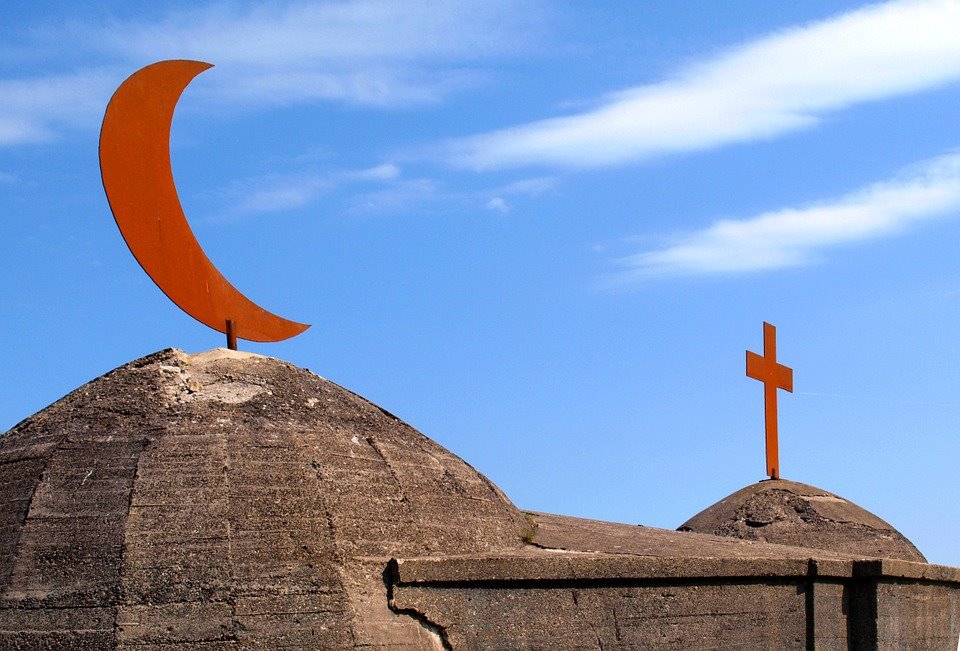
Islam emerged with extraordinary speed, combining religious belief with legal, political, and military systems. Faith, governance, and warfare were unified. Expansion was not only territorial—it was theological. Submission to god meant submission to divine order.
In all three traditions, belief was no longer just explanation. It became law, identity, and destiny.
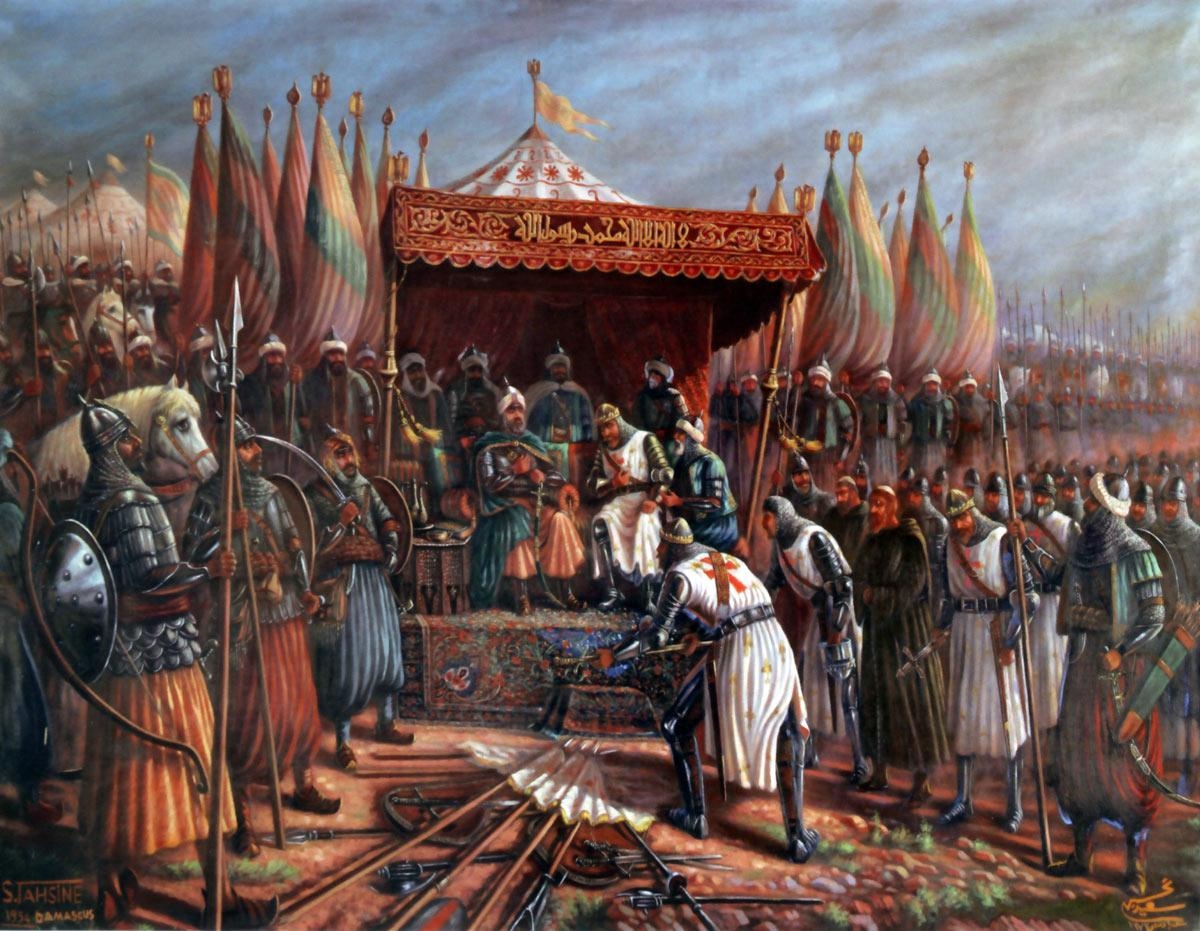
When Faith Became a Weapon
Once religions claimed absolute truth, violence changed scale.
Earlier wars were fought for land, tribute, or power. Religious wars were fought for eternity. Death was no longer loss—it was sacrifice. Killing was no longer crime—it was obedience.
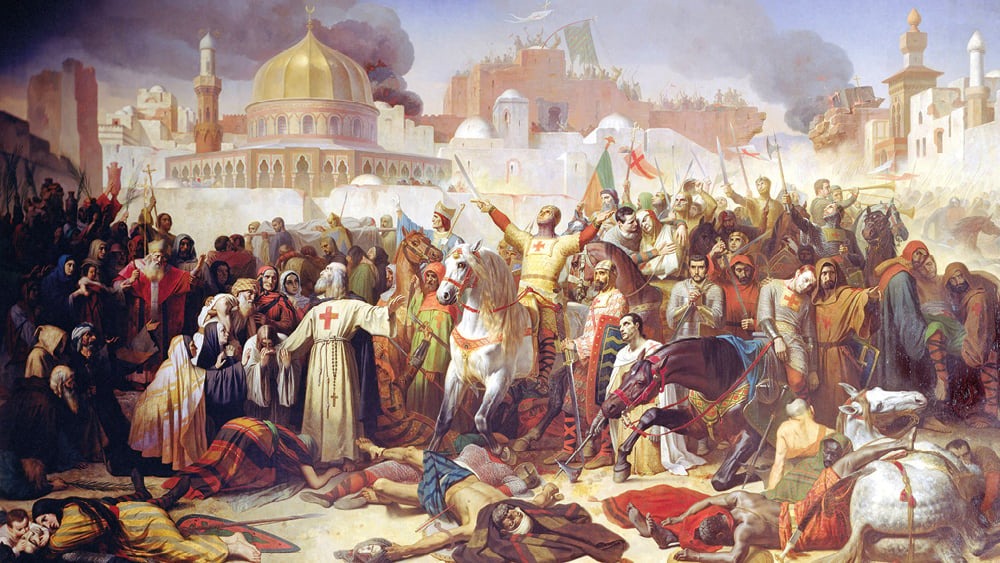
The Crusades are a clear example. Entire generations were mobilized by promises of forgiveness, glory, and divine reward. Cities were slaughtered in the name of holiness. Civilians were killed without distinction. Sacred land justified endless bloodshed.
Jihad, in its many historical interpretations, was also shaped by political ambition as much as faith. Expansion, defense, and internal power struggles were framed as religious duty. Belief gave legitimacy to empire-building.
Internal religious violence was often worse than external war. Heresy hunts, sectarian massacres, and purges destroyed millions. When belief defines truth, disagreement becomes existential.
Religion did not invent violence—but it gave it infinite justification.
Empires Built on Faith
As religions grew, they fused with empire.
Roman emperors adopted Christianity not because it was peaceful, but because it unified. A single belief system reduced rebellion, standardized law, and centralized authority. Religion became infrastructure.
Islamic empires expanded through a combination of faith, administration, and military strength. Religious law governed daily life. Belief structured economics, justice, and governance.
In South Asia, Hinduism and later Buddhism shaped kingdoms, caste systems, and moral philosophy. Religion reinforced hierarchy while also offering spiritual escape from it.
In East Asia, Confucianism blended ritual, ethics, and governance. While not a religion in the Western sense, it functioned as one—defining morality, obedience, and social order.
Religion became a tool of governance more effective than force alone. If people believed the system was sacred, they defended it themselves.
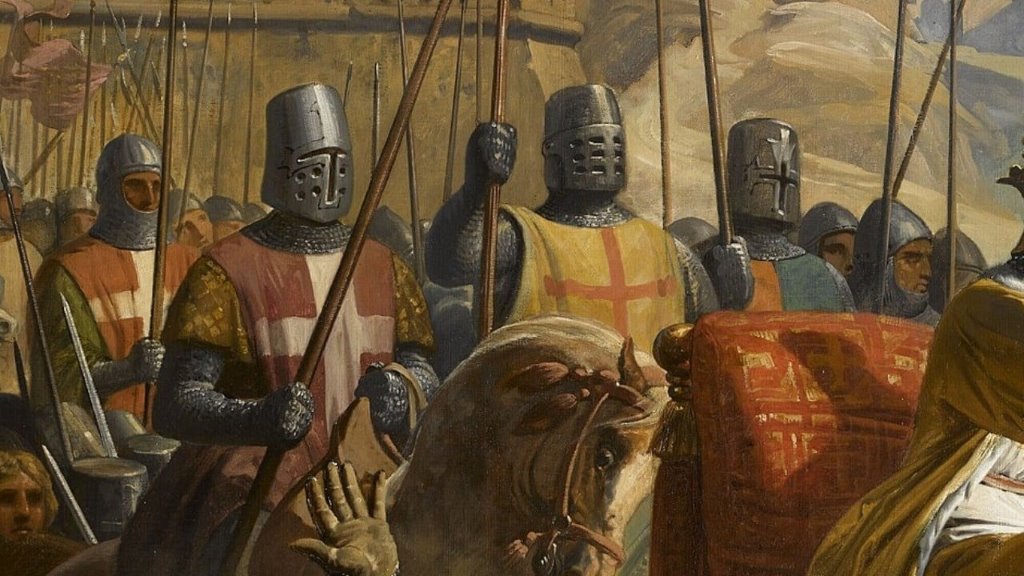
Forced Conversion and Cultural Erasure
One of the most destructive consequences of organized religion was forced conversion.
When belief became tied to legitimacy, tolerance disappeared. Indigenous religions were labeled false, evil, or demonic. Conversion was framed as salvation, but it functioned as domination.
Entire civilizations lost their gods. Temples were destroyed. Sacred texts burned. Oral traditions erased. Belief systems that had existed for thousands of years vanished within generations.
In the Americas, Africa, and parts of Asia, local religions were crushed under Christian expansion. Missionary work often followed conquest. Conversion became survival.
In other regions, religious minorities were expelled, enslaved, or exterminated. Faith determined who deserved rights—and who did not.
Religion did not just spread. It replaced.
Schisms, Sects, and Endless Division
Even within dominant religions, unity never lasted.
Interpretation became battlefield. Small differences in belief produced massive conflict. Christianity fractured into hundreds of sects. Islam split into major branches with lasting hostility. Buddhism divided into schools with competing philosophies.
These divisions fueled wars, persecution, and political instability. Entire regions were destabilized over doctrinal disputes invisible to outsiders.
Once belief claims divine truth, compromise becomes betrayal.
Forgotten Gods, Modern Faiths, and the Long Shadow Religion Casts Today
By the time the modern world began to take shape, religion had already rewritten the human story multiple times. Entire civilizations had risen and collapsed under sacred banners. Gods had been worshipped, feared, rebranded, absorbed, or erased. What survived into the present was not necessarily what was most truthful or moral—but what was most adaptable to power, politics, and population.
To understand religion today, it’s necessary to understand what didn’t survive.
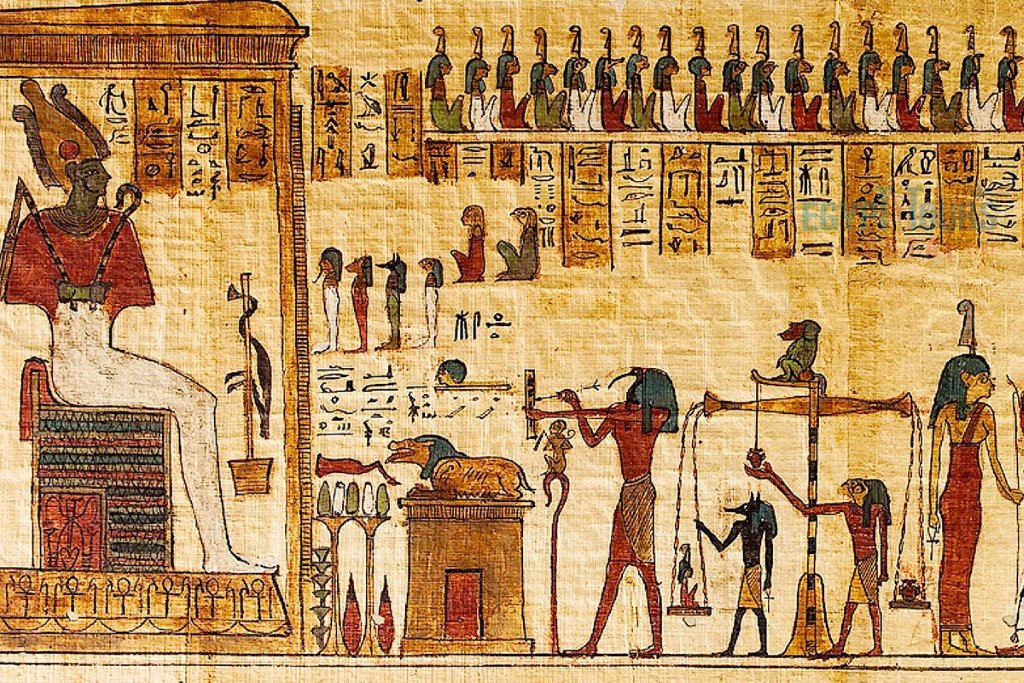
The Religions That Disappeared
Human history is filled with religions that once dominated vast regions and now exist only as archaeological traces.
Ancient Egyptian religion endured for over three thousand years. Its gods governed death, morality, nature, and kingship. Yet within a few centuries of Christian expansion, these beliefs collapsed. Temples were abandoned, hieroglyphs forgotten, rituals banned. A religion that once ruled the Nile vanished almost completely.
The gods of Mesopotamia—Anu, Enlil, Ishtar—shaped the earliest laws, myths, and empires. They disappeared as conquerors replaced belief systems with new ones. No revival followed. Memory itself was erased.
Greco-Roman religion collapsed under Christianity, despite being deeply woven into art, philosophy, and public life. The Norse gods vanished as Scandinavia converted. Celtic, Slavic, African, American, and countless tribal religions were wiped out through conquest, ridicule, or forced conversion.
Zoroastrianism once influenced empires and shaped ideas later absorbed by Judaism, Christianity, and Islam—concepts like heaven, hell, judgment, and cosmic struggle. Today, it survives in small communities, nearly invisible.
Manichaeism spread across continents and rivaled Christianity in influence. It was eventually hunted into extinction by multiple religions that found it threatening.
These religions did not fail because they lacked meaning. They failed because power shifted.
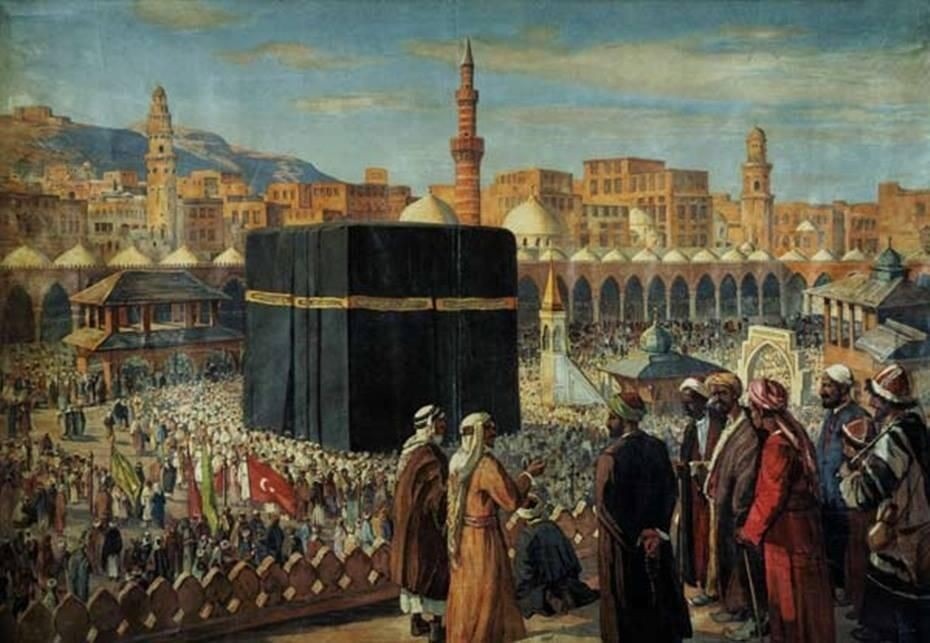
Why Some Religions Survived
Religions that survived history shared key traits.
They were portable. Belief was no longer tied to a specific land or temple. Sacred texts replaced sacred geography.
They were adaptable. Older gods were reinterpreted. Local traditions were absorbed. Symbols were reused rather than destroyed outright.
They aligned with authority. Surviving religions often partnered with states, empires, or ruling classes. Faith reinforced obedience.
They offered identity beyond tribe or nation. Global religions promised belonging across borders, languages, and cultures.
Survival was not random. It was strategic.
Religion and Colonialism
One of the most destructive chapters in religious history came with colonial expansion.
European empires carried Christianity across the globe. Missionaries often arrived alongside soldiers. Conversion followed conquest. Indigenous religions were labeled primitive, demonic, or false.
Sacred sites were destroyed or repurposed. Oral traditions were suppressed. Children were reeducated. Belief became a tool of cultural replacement.
This was not purely religious—it was political. Religion justified domination by framing colonization as salvation.
Other empires followed similar paths. Faith was used to reshape identity, erase resistance, and control populations.
The result was spiritual trauma that still echoes today.
Religion in the Age of Science and Secularism
Modernity challenged religion in ways no empire ever had.
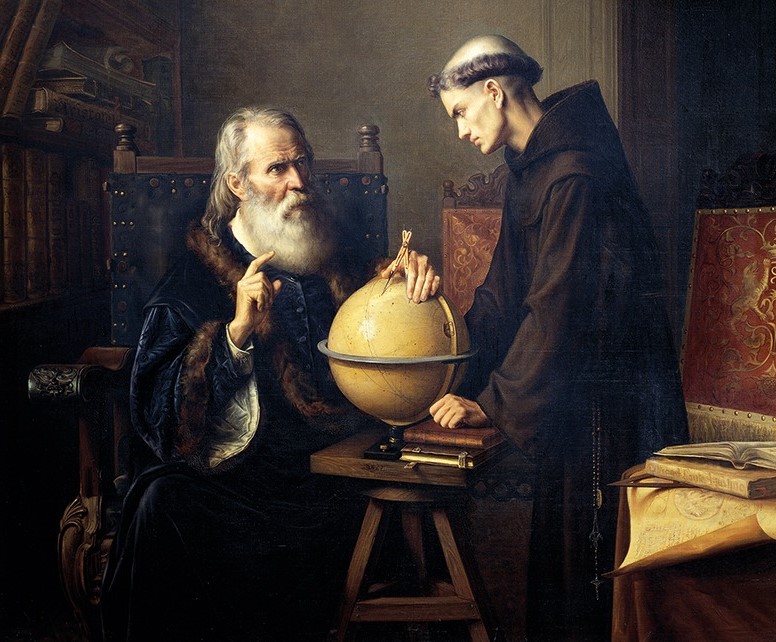
Science explained natural phenomena once attributed to gods. Medicine reduced fear of illness. Astronomy displaced humanity from the center of the universe. Philosophy questioned divine authority.
Some predicted religion would disappear.
It didn’t.
Instead, religion adapted again. Belief shifted inward. Faith became personal rather than cosmic explanation. Institutions weakened, but identity strengthened.
In many regions, religion became political again—this time as reaction. When old certainties collapse, belief hardens. Fundamentalism rises where people feel threatened by change.
Religion does not vanish under pressure. It transforms.
Modern Wars and Religious Identity
Most modern wars are described as political or economic, but religion remains deeply embedded.
Borders often follow ancient religious divisions. Conflicts draw on centuries-old narratives of victimhood, holiness, and destiny.
Religion fuels nationalism. It defines “us” and “them.” It sanctifies land, history, and sacrifice.
Even secular ideologies often function like religions—complete with sacred texts, martyrs, moral absolutes, and heresy.
The structure remains. Only the symbols change.
The Psychological Power of Belief
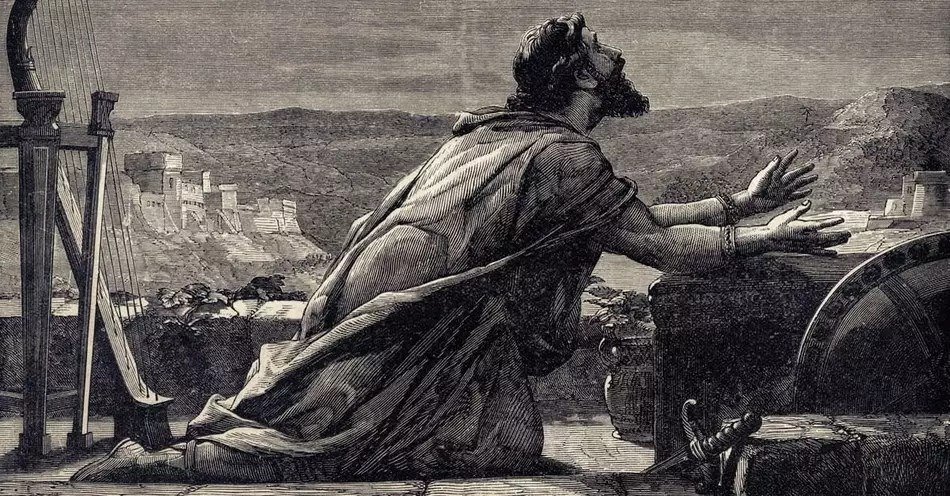
Religion survives because it addresses something fundamental in the human mind.
Humans fear death. Religion offers continuity.
Humans fear chaos. Religion offers order.
Humans fear meaninglessness. Religion offers purpose.
Belief systems reduce uncertainty. They create moral clarity in a complex world. They bind individuals into communities larger than themselves.
This psychological power explains why religion can inspire both compassion and cruelty. Once belief becomes identity, defending it feels like self-defense.
When Gods Stop Ruling, Belief Does Not
The modern world may no longer crown kings by divine right, but belief still governs behavior.
Religion influences law, education, gender roles, and moral boundaries. It shapes voting, war, peace, and personal identity.
Gods may no longer sit openly on thrones—but their authority lingers in language, tradition, and worldview.
History shows a consistent pattern:
when belief merges with power, violence follows.
when belief is questioned, societies fracture.
when belief disappears, something else replaces it.
The story of religion is not about gods alone. It is about humanity’s struggle to explain existence, justify authority, and survive uncertainty.
That struggle did not end in the ancient world.
It continues now—under different names, different symbols, and the same human need for meaning.