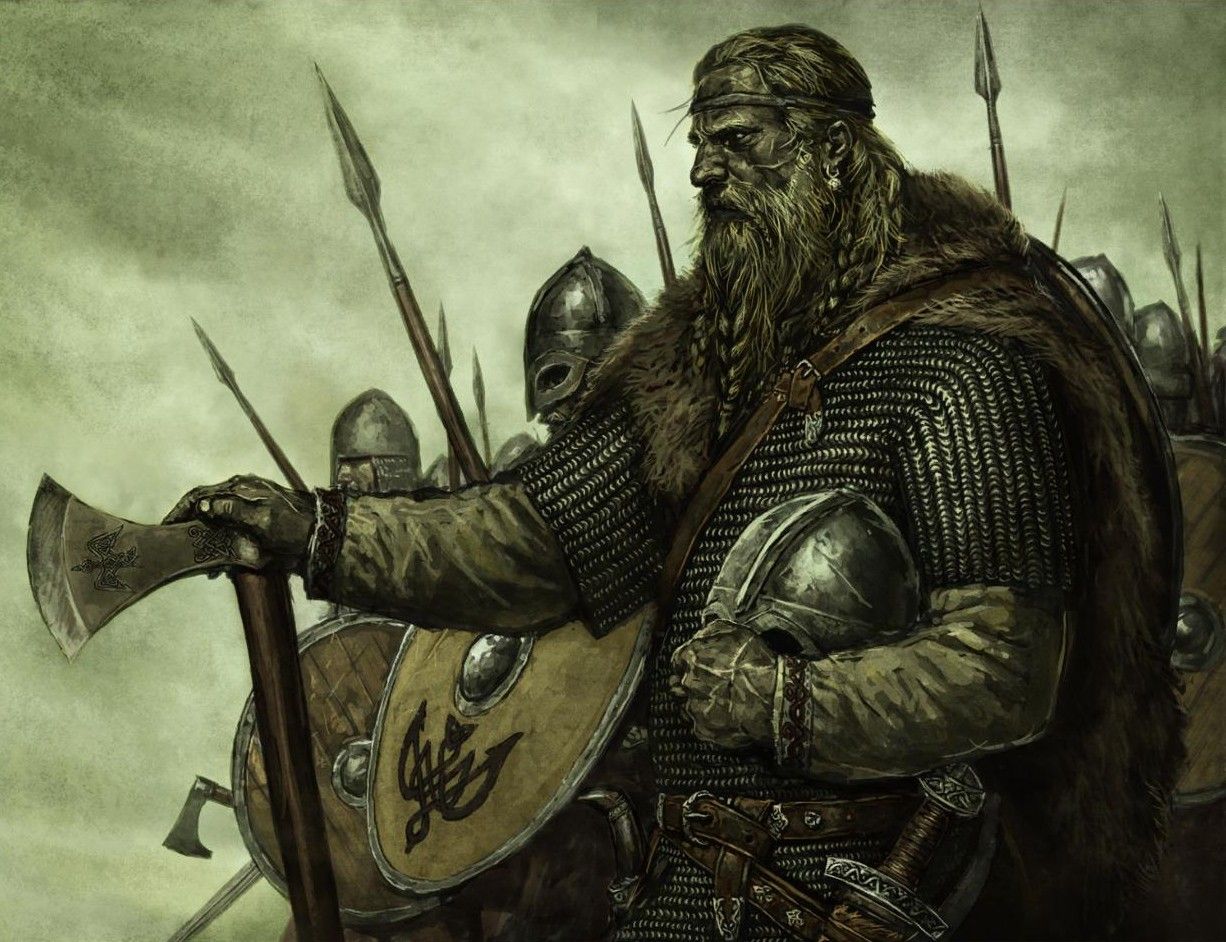
Human history has always been closely tied to the tools created for survival, conquest, and dominance. As civilizations grew and clashed, weapons evolved alongside them, shaped by geography, culture, available materials, and the realities of warfare. Empires rose not only through numbers and leadership, but through the intelligent use of weapons designed to give their warriors an advantage on the battlefield.
Across centuries of conflict, the earth absorbed the impact of countless wars. While the reasons for these wars changed over time, the need for effective weaponry remained constant. Every blade, spear, or projectile was created with a specific purpose in mind. Some weapons focused on brute force, others on control, intimidation, or psychological shock. Occasionally, this search for effectiveness produced weapons that were not only deadly, but strikingly unconventional.
The following ancient weapons stand out not just for their lethality, but for their unusual design, specialized function, and the cultures that brought them into existence.
10- Kakute (Spiked Control Rings)

Kakute were small but deceptively dangerous weapons used in ancient Japan. At first glance, they appeared to be nothing more than simple rings, yet their design made them extremely effective tools for close-quarters combat and restraint. Usually forged from iron, kakute featured one to three sharp spikes that transformed an ordinary grip into a painful and potentially lethal hold.
These rings were typically worn on the middle or index finger, with a second kakute sometimes placed on the thumb. When worn with the spikes facing inward, the weapon allowed the user to apply intense pressure to nerves, joints, or soft tissue by gripping an opponent’s limbs or neck. This method was intended to immobilize or subdue rather than kill, making kakute particularly useful in situations where capturing an enemy alive was preferred.
When the spikes were turned outward, kakute functioned more like spiked knuckle weapons, capable of tearing flesh with a punch. However, this configuration was less common, as the primary purpose of the weapon leaned toward control and precision rather than outright brutality.
Kakute were especially associated with ninja use, including female ninjas known as kunoichi. Rings were socially acceptable accessories, making kakute easy to conceal. In some cases, the spikes were coated with poison, turning a small puncture into a fatal wound. For kunoichi, kakute offered an efficient, discreet, and deadly option that fit naturally into their methods of infiltration and assassination.
9- Haladie (Double-Bladed Dagger)
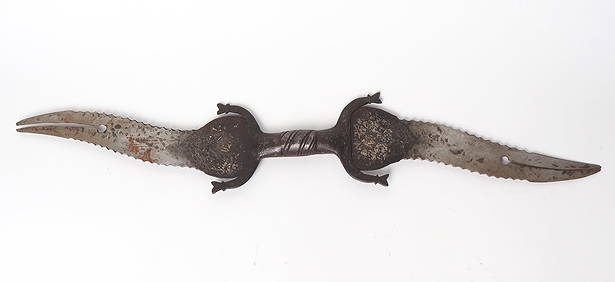
Ancient India produced a remarkable variety of weapons, but few were as visually striking or dangerous as the haladie. This weapon was closely associated with the Rajput warrior class, whose culture revolved around honor, combat skill, and battlefield prowess. The haladie reflected that philosophy perfectly, combining elegance with lethal efficiency.
The haladie consisted of two double-edged blades mounted on opposite ends of a single handle. While often described as a thrusting weapon, its design allowed for slashing, hooking, and parrying as well. The slightly curved blades made it effective in both offensive and defensive maneuvers, giving the wielder flexibility in fast-moving combat.
Some versions of the haladie featured an additional metal guard similar to knuckle protection, and in certain designs, a third blade or spike was attached to the handle. These variations effectively created one of the earliest known multi-bladed daggers, capable of inflicting damage from several angles at once.
When wielded by trained Rajput warriors alongside other traditional weapons such as the khanda, the haladie added to an already intimidating battlefield presence. Its unusual shape and versatility made it especially dangerous in close combat, where speed and unpredictability often determined survival.
8- Sodegarami (Sleeve Entangler)
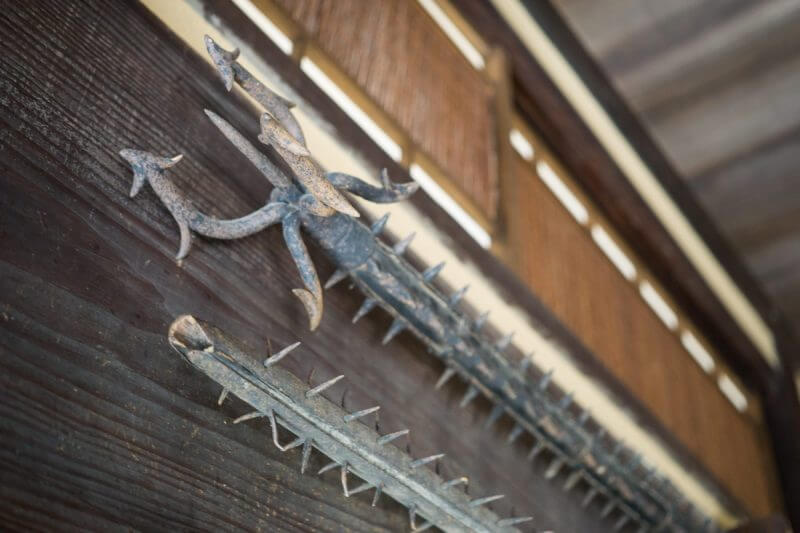
The sodegarami was a specialized weapon developed during Japan’s Edo period, designed not for killing, but for capturing criminals alive. Used primarily by law enforcement, this weapon reflected a legal system that placed strict limits on who could be killed and under what circumstances.
The sodegarami was a long pole fitted with sharp hooks and barbs along its length. Its name translates roughly to “sleeve entangler,” a direct reference to its intended use. Officers would slide the weapon into the loose fabric of a suspect’s kimono sleeve, then twist or pull to trap the clothing and restrict movement.
Arrests were often carried out by two officers working together, one attacking from the front and the other from behind. Once both sodegarami were hooked into the suspect’s garments, escape became extremely difficult. The weapon allowed officers to control even armed individuals without resorting to lethal force.
This was especially important when dealing with samurai, who by law could only be executed by other samurai. If a samurai drew his sword unlawfully, police could use the sodegarami to entangle him, force him to the ground, and restrain him without unnecessary bloodshed. In this way, the weapon played a crucial role in maintaining order while respecting rigid social hierarchies.
7- Zweihaender (Great Two-Handed Sword)
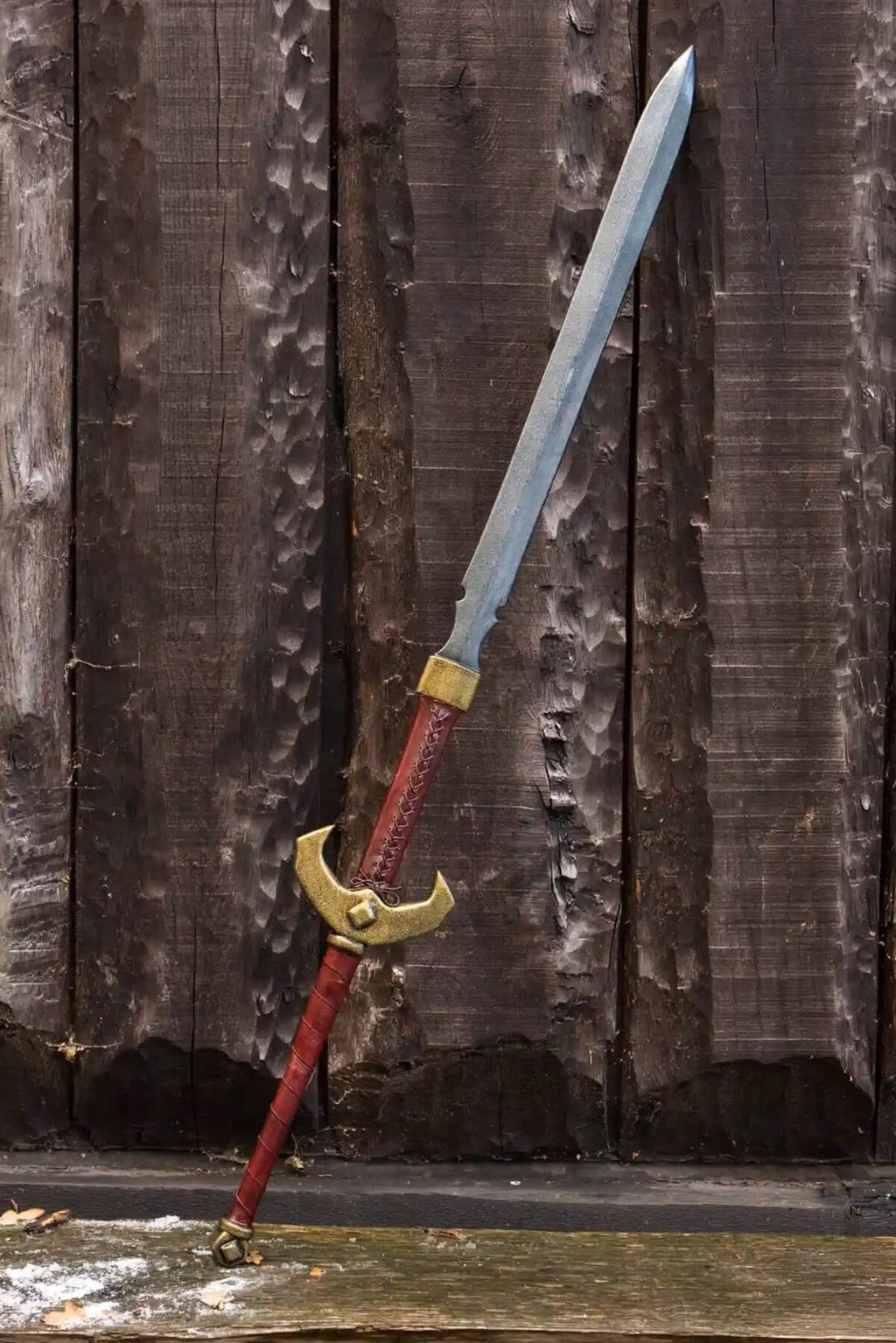
Among the largest swords ever used in warfare, the Zweihaender was a massive two-handed blade favored by German and Swiss infantry during the late medieval period. Designed to counter long pole weapons such as pikes and halberds, it was a symbol of raw battlefield dominance.
These swords often exceeded 170 centimeters in length and could weigh anywhere from just over a kilogram to well above six kilograms in ceremonial versions. The sheer size of the Zweihaender allowed its wielder to break enemy formations, knock aside spear shafts, and create openings for advancing troops.
Many examples featured a ricasso, an unsharpened section of blade just above the guard. This allowed the sword to be gripped closer to the blade for improved control in tight quarters. Some versions also included secondary guards protruding from the blade itself, offering additional hand protection and leverage.
Soldiers trained to use Zweihaenders were highly valued and often received double pay. These elite fighters, including members of the Landsknechts, became famous for their effectiveness and flamboyant appearance. Over time, however, changes in battlefield tactics and the increasing dominance of pikes reduced the sword’s practicality, pushing it toward ceremonial and specialized shock troop roles.
6- Madu (Dual-Purpose Shield Weapon)
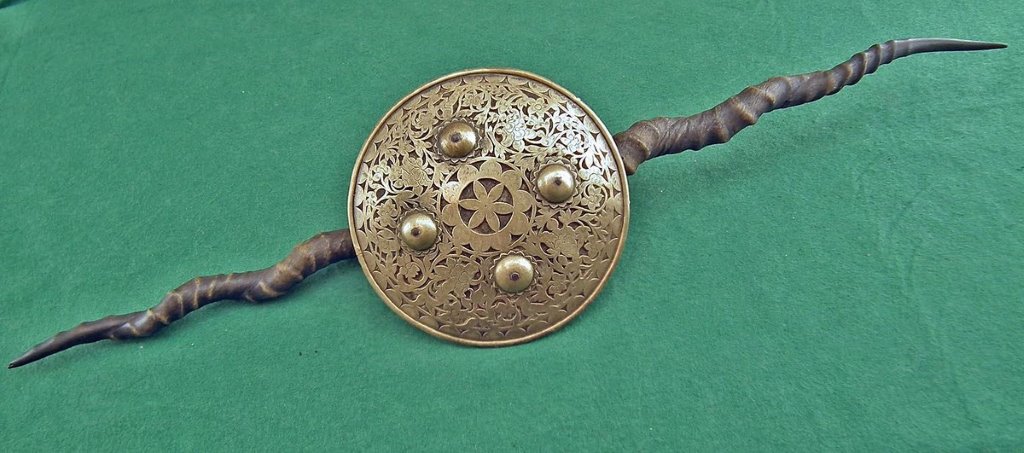
The madu was a distinctive weapon from the Indian subcontinent, most commonly associated with southern India and Sri Lanka. Unlike conventional shields designed purely for defense, the madu combined protection and offense into a single compact tool. Its design reflected a battlefield philosophy where mobility, deception, and close-quarters effectiveness mattered more than heavy armor.
The weapon consisted of a small round shield, traditionally made from leather or animal hide, with two antelope horns projecting outward from the center. These horns were not decorative. They were sharpened and hardened, capable of delivering stabbing attacks at close range. The madu allowed its wielder to block strikes while simultaneously threatening the opponent with quick thrusts.
Because of its size, the madu was best suited for agile fighters rather than heavily armored soldiers. It encouraged fluid movement and rapid changes in direction, making it particularly effective in one-on-one combat or skirmishes. Warriors could feint with the shield, bait an attack, and then counter instantly with the horns.
In some regions, the madu was also used ceremonially or symbolically, but its practical combat applications were very real. The weapon demonstrated how defensive tools could be adapted into lethal instruments without sacrificing speed or control.
5- Fire Lance (Early Gunpowder Weapon)
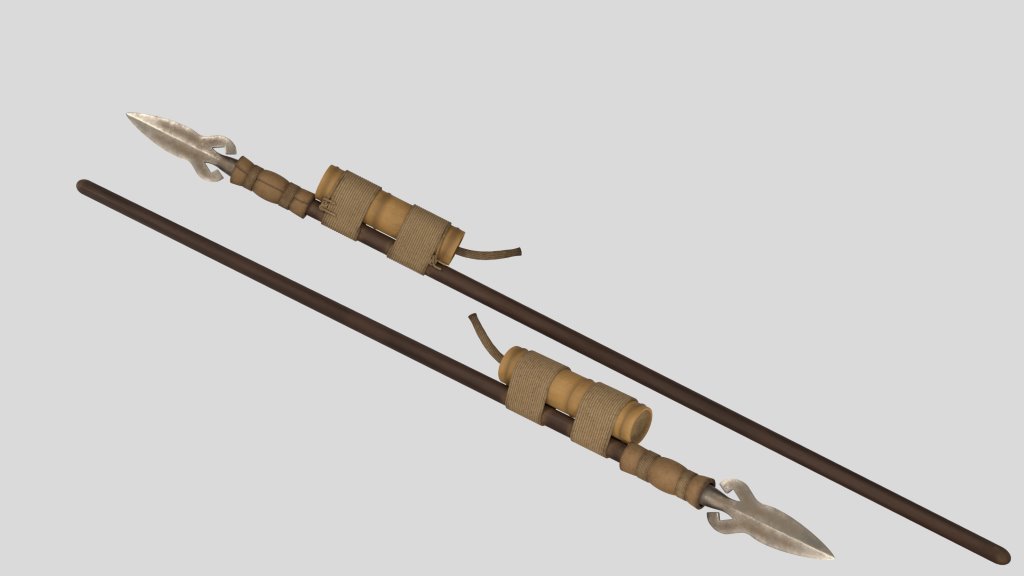
The fire lance represents one of the most important transitional weapons in military history. Originating in China during the Song dynasty, it marked the shift from traditional melee combat to gunpowder-based warfare. At first glance, it appeared to be a simple spear, but its true power came from what was attached to it.
Early fire lances consisted of a bamboo or metal tube mounted to a spear shaft. This tube was filled with gunpowder and sometimes packed with shrapnel such as metal fragments, porcelain shards, or pellets. When ignited, the weapon produced a burst of flame and debris that could scorch, blind, or injure enemies at close range.
While early versions were unreliable and short-ranged, they had a powerful psychological effect. The sudden explosion, noise, and fire were terrifying to opponents unfamiliar with gunpowder weapons. Over time, the fire lance evolved into more refined projectile-based firearms, directly influencing the development of hand cannons and early guns.
The fire lance was not intended to replace traditional weapons immediately. Instead, it was used alongside spears and swords, supplementing existing tactics. Its existence marked the beginning of a new era, where chemistry and engineering would reshape the battlefield forever.
4- Atlatl (Spear-Thrower)
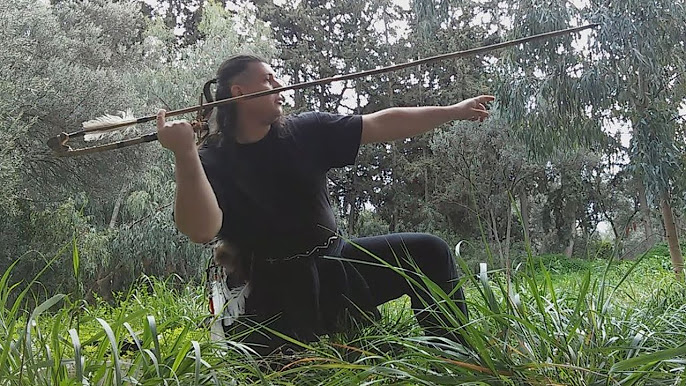
Long before bows and arrows dominated hunting and warfare, the atlatl gave early humans a decisive advantage. This ancient spear-thrower dramatically increased the speed, distance, and force of thrown projectiles, allowing hunters and warriors to strike from safer ranges.
The atlatl was a simple tool, usually made from wood, bone, or antler, with a hook or socket at one end. A long dart rested against the thrower, and when launched, the atlatl extended the arm’s leverage, acting like a mechanical amplifier. This increased velocity far beyond what the human arm alone could achieve.
Used across multiple continents, including the Americas and parts of Europe, the atlatl proved effective against large animals and enemy combatants alike. In skilled hands, it could penetrate armor and inflict devastating wounds. Its effectiveness was such that some cultures continued using it even after bows were introduced.
Beyond its practical function, the atlatl also played a role in ritual and status. Decorated examples suggest it held symbolic value, representing skill, survival, and authority within certain societies.
3- Khopesh (Sickle Sword)
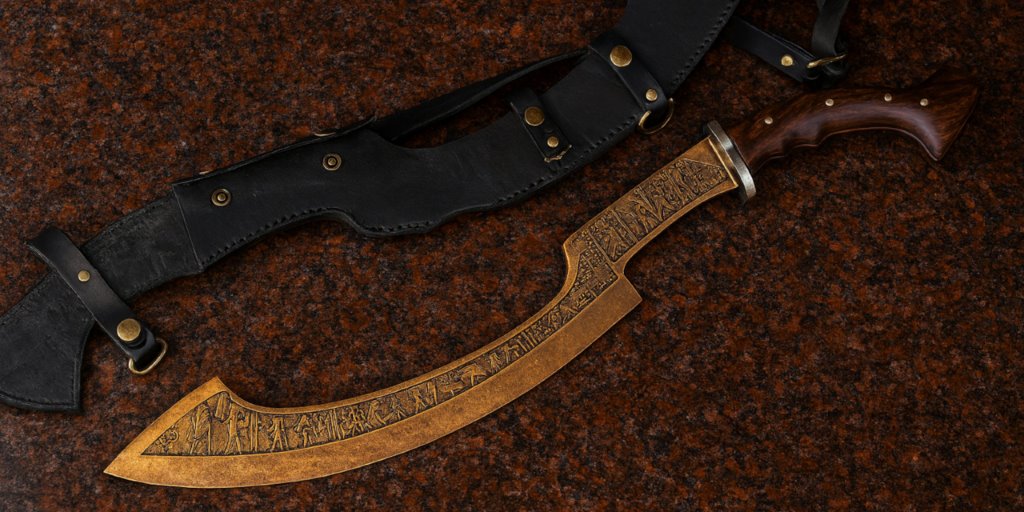
The khopesh was one of the most iconic weapons of ancient Egypt, instantly recognizable by its curved, sickle-like blade. This unique shape was not merely stylistic; it gave the weapon specific advantages in combat that straight swords could not easily replicate.
Forged initially from bronze and later from iron, the khopesh combined slashing and hooking capabilities. The inward curve allowed warriors to pull shields aside, hook limbs, or strike around defensive barriers. This made it especially effective against shield-bearing opponents.
Khopesh swords were often associated with status and authority. Pharaohs and elite warriors were frequently depicted wielding them in art and reliefs, reinforcing the weapon’s symbolic power. While common soldiers may not always have carried khopeshes, their presence on the battlefield carried both practical and psychological weight.
Over time, as metallurgy and tactics evolved, straight swords became more common, but the khopesh remains one of the most distinctive and influential blade designs in early military history.
2- Chakram (Thrown Ring Weapon)
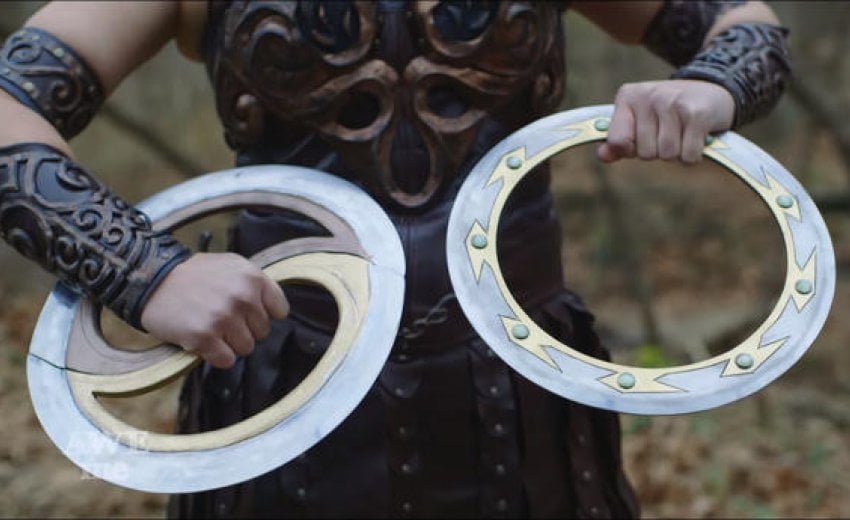
The chakram was a deadly thrown weapon originating in the Indian subcontinent, notable for its simplicity and effectiveness. Unlike many projectile weapons, it required no complex mechanism. A flat, circular metal ring with a sharpened outer edge was all that was needed.
Chakrams were designed to be thrown horizontally, spinning through the air with remarkable stability. Skilled users could accurately strike targets at significant distances, and the spinning edge could cause severe lacerations upon impact. Some warriors carried multiple chakrams, launching them in rapid succession.
The weapon became especially famous among Sikh warriors, who integrated it into their martial traditions. Chakrams were sometimes worn on turbans or carried on belts, making them both practical and visually striking.
Despite its relatively simple design, the chakram demanded precision and training. In the hands of an experienced warrior, it was a fast, silent, and lethal tool capable of disrupting enemy formations or eliminating targets before close combat even began.
1- Urumi (Flexible Sword)

The urumi stands as one of the most unusual and dangerous swords ever created. Originating in southern India, this flexible weapon consisted of one or more long, thin steel blades attached to a single hilt. When not in use, the blade could be coiled like a belt, making it easy to carry despite its length.
In combat, the urumi was anything but easy. Once unfurled, it behaved more like a whip than a traditional sword. The wielder had to maintain constant motion, using centrifugal force to keep the blade extended. A moment of hesitation could result in self-injury, which is why urumi training was typically reserved for highly skilled practitioners.
The weapon’s unpredictable movement made it extremely difficult for opponents to approach safely. A properly handled urumi could strike multiple enemies at once, wrapping around shields or limbs before cutting deeply. It excelled in open spaces where wide arcs of motion were possible.
Today, the urumi is rarely used outside of traditional martial arts demonstrations, but its design remains a testament to human ingenuity and the extreme lengths civilizations went to gain an advantage in combat.